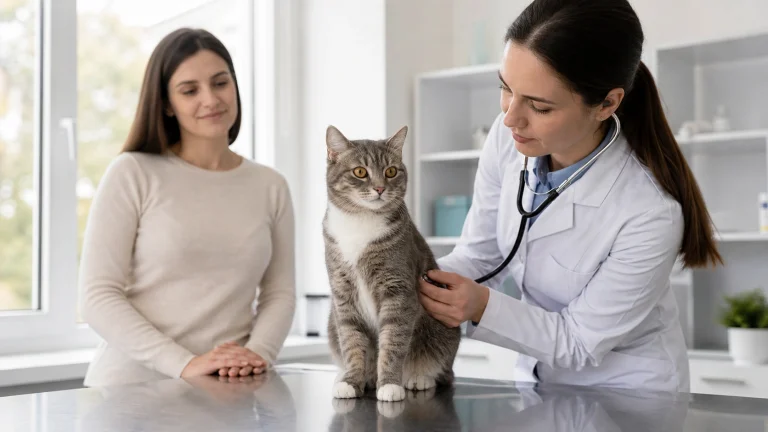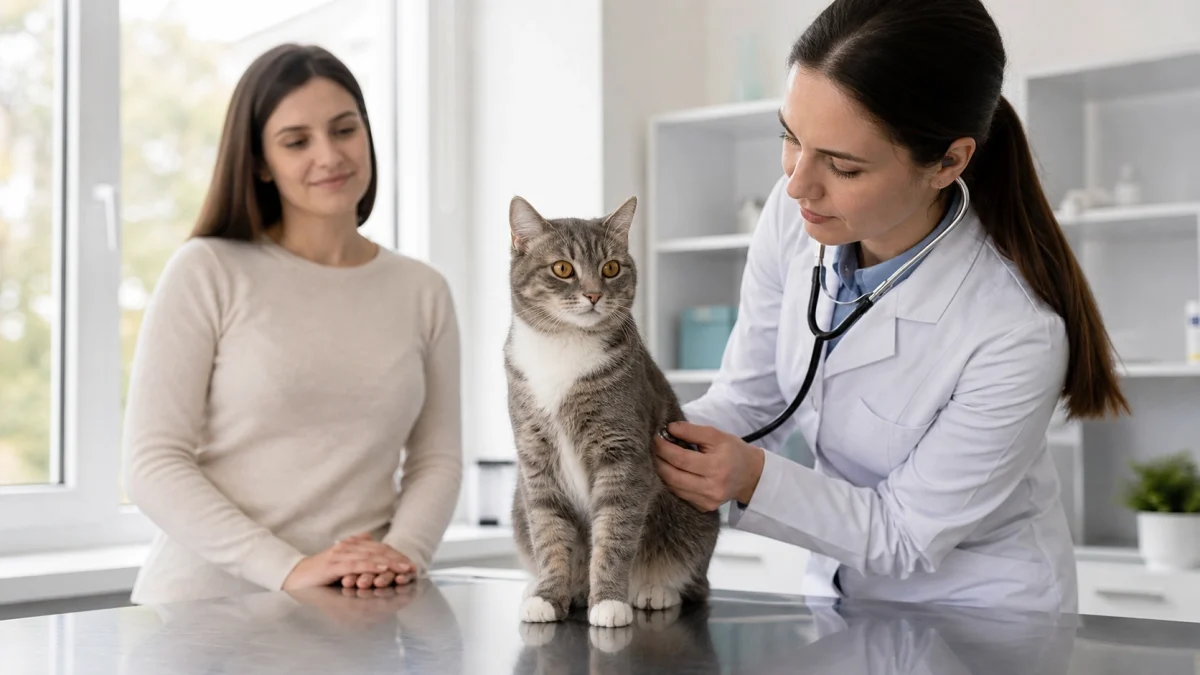
This guide is general education for pet owners. If your pet has urgent symptoms, possible poisoning, injury, breathing trouble, collapse, severe pain, or sudden decline, contact a licensed veterinarian or local emergency service.
Dosages must be calculated by a licensed veterinarian based on species, weight, and bloodwork. Never administer human medications or self-adjust prescription doses for pets.
Quick Answer
Before administering any new medication to a dog or cat, always confirm five core parameters with your veterinarian: the exact generic and brand drug name, the precise dosage in milligrams and volume (e.g., milliliters or tablets), the dosing frequency, whether to administer with or without food, and the exact protocol if a dose is accidentally vomited or missed. Never give human over-the-counter medications to pets without direct veterinary orders. Store all veterinary drugs in original childproof containers away from heat and light, and contact your vet immediately if adverse reactions such as lethargy, vomiting, or facial swelling occur.
Editorial standard
How this guide was prepared
Administering prescription medications to companion animals requires precision, organizational rigor, and clear communication between pet owners and veterinary clinicians. Unlike human pharmaceuticals, canine and feline drug metabolism differs radically across species and breeds, meaning that even common human over-the-counter painkillers like acetaminophen, ibuprofen, or naproxen can trigger catastrophic liver necrosis or fatal acute kidney injury in pets. Equipping yourself with a standardized checklist of clinical questions before leaving the veterinary hospital ensures that doses, timing, drug interactions, and emergency contingency plans are thoroughly understood.
Medication errors in veterinary care most commonly stem from ambiguous dosing instructions, inaccurate measurement devices, confusion between brand and generic names, or accidental double-dosing in multi-caregiver households. Establishing structured administration habits protects your pet’s health and prevents avoidable hospital readmissions.
The 10 Essential Questions to Ask Your Veterinarian
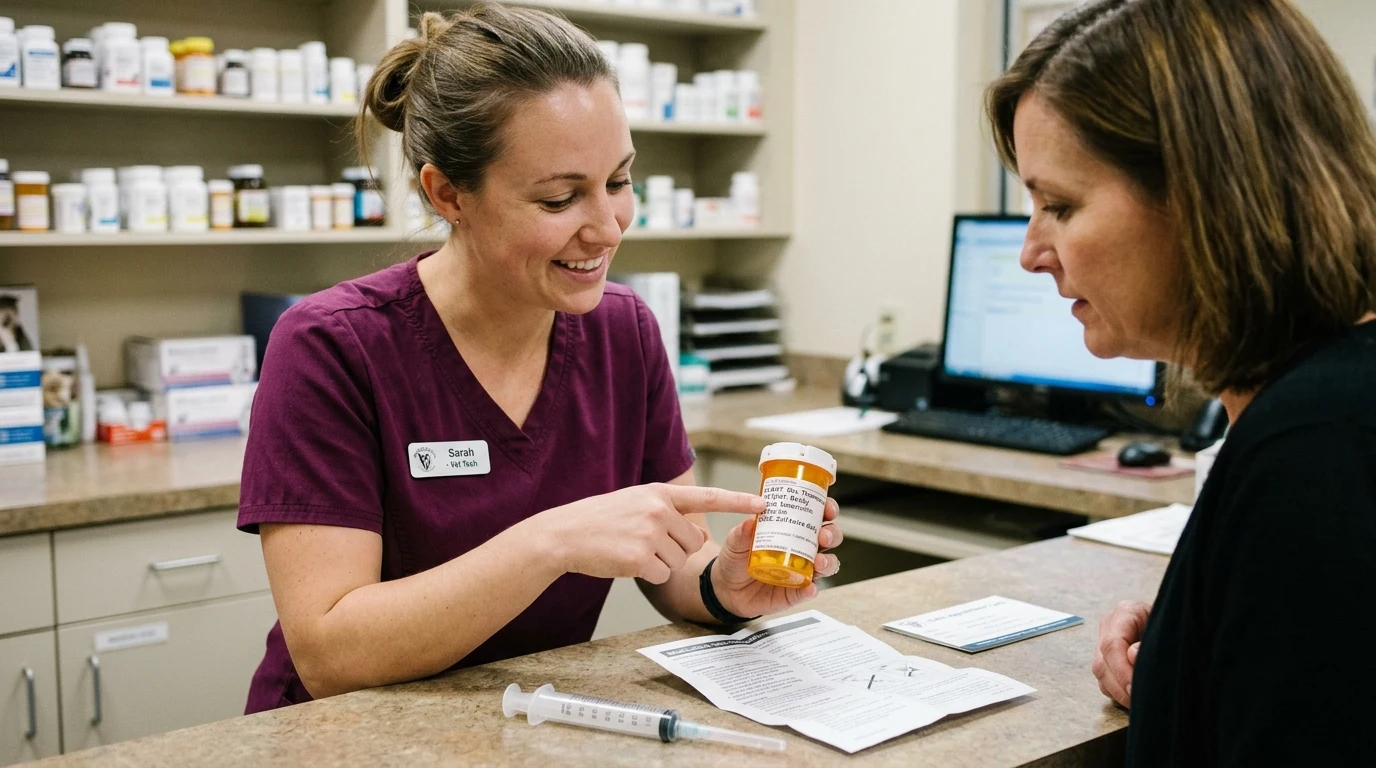
Before leaving the veterinary clinic with any newly prescribed medication, review this structured clinical questionnaire with your veterinary doctor or technician:
- What is the specific therapeutic goal of this medication? Understand whether the drug cures an acute infection (like an antibiotic), relieves pain and inflammation (like an NSAID), or manages a chronic endocrine disease (like insulin or methimazole).
- What is the exact strength, dose, and unit of measurement? Confirm whether the dose is measured in milligrams (mg), milliliters (mL), teaspoons, or fractions of a tablet. Ask the clinic to provide calibrated oral syringes for liquids rather than household spoons.
- What is the exact dosing schedule and spacing interval? Clarify whether “twice daily” means strictly every 12 hours (q12h) to maintain constant blood serum levels, or simply with morning and evening meals.
- Should this medication be given with food, on an empty stomach, or with water? Some drugs (such as non-steroidal anti-inflammatories) require a full meal to protect gastric mucosa, while others require an empty stomach for optimal bioavailability.
- What are expected mild side effects versus dangerous adverse reactions? Distinguish between benign transient drowsiness and severe warning signs such as persistent vomiting, bloody stools, or hives.
- How quickly should we expect noticeable clinical improvement? Knowing the expected therapeutic timeline prevents owners from prematurely terminating treatments or discontinuing antibiotics early.
- What is the exact action plan if a dose is vomited, spat out, or missed? Clarify whether you should re-dose if the pill is regurgitated immediately, or wait until the next scheduled interval.
- Are there negative interactions with current foods, supplements, or preventatives? Provide a complete inventory of joint chews, omega-3 oils, herbal remedies, and flea/tick preventatives to avoid dangerous cytochrome P450 enzyme interactions.
- Does this drug require baseline or follow-up laboratory monitoring? Chronic therapies (such as NSAIDs, phenobarbital, trilostane, or levothyroxine) necessitate regular serum biochemistry and organ function blood panels.
- How should the medication be stored, and when should leftovers be safely discarded? Determine whether refrigeration is required, if the drug is sensitive to light, and confirm safe disposal protocols.
Safe Administration Techniques for Dogs and Cats
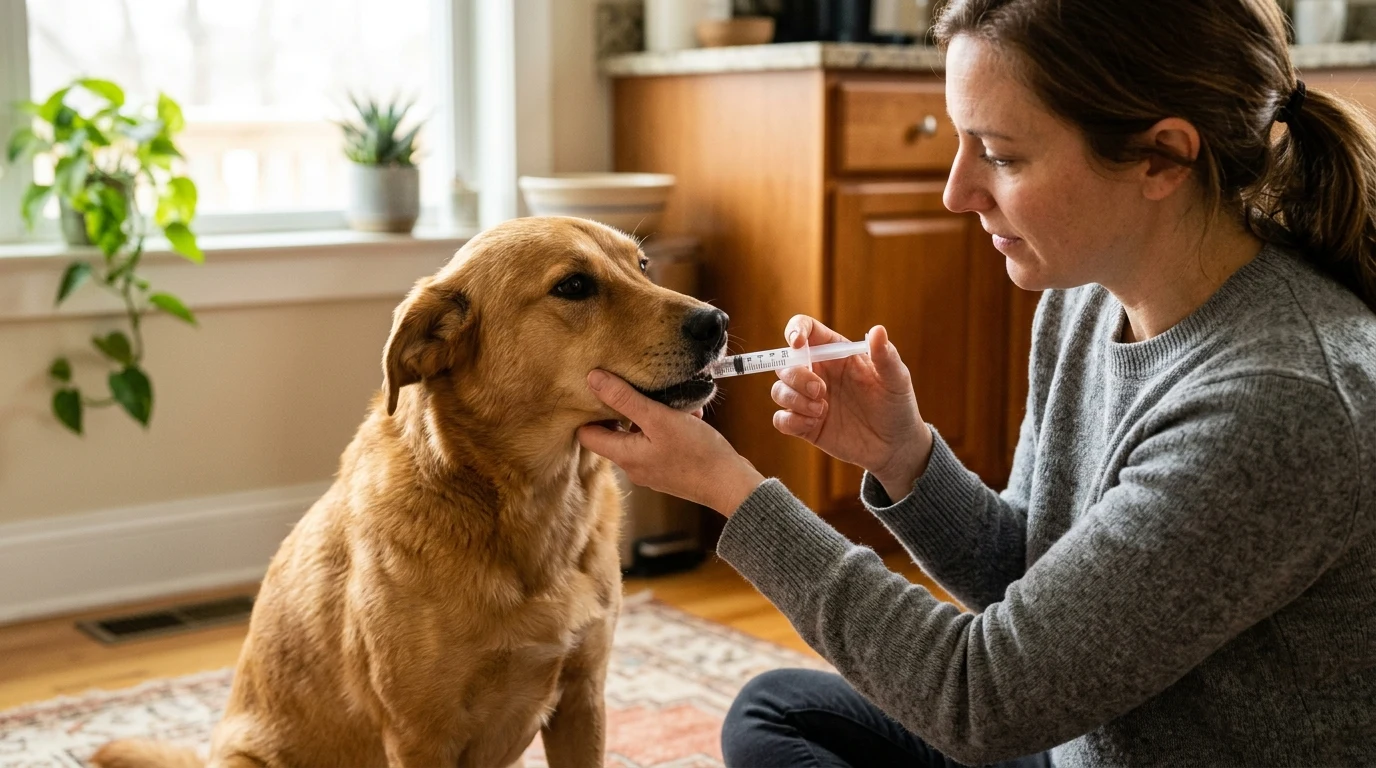
Administering pills and liquids safely requires patience and proper physical handling to prevent trauma or pulmonary aspiration:
- Pill Pockets and Food Hiding: Hide tablets in high-value treats like commercial pill wraps, cream cheese, or canned pate. Always ensure treats are free of toxic ingredients such as onions, garlic, or xylitol (birch bark sweetener).
- Liquid Oral Syringe Technique: Never tilt your pet’s head straight up toward the ceiling, as liquid can flow directly into the trachea and cause life-threatening aspiration pneumonia. Instead, keep the head level, gently insert the syringe tip into the cheek pouch behind the canine teeth, and dispense the liquid slowly in small increments to allow normal swallowing.
- Feline Transdermal Gels: For cats that refuse oral dosing, certain medications (like methimazole) can be compounded into transdermal gels applied to the inner ear pinna. Always wear protective gloves or finger cots to prevent absorbing the human medication through your own skin, and alternate ears daily while gently wiping off residue.
Deadly Human Medications: The Critical Toxicity Warning
Human medicine cabinets contain everyday remedies that are exceptionally poisonous to companion animals:
| Human Medication | Toxicity Mechanism in Dogs & Cats | Clinical Consequence |
|---|---|---|
| Acetaminophen (Tylenol) | Lacks glucuronyl transferase in cats; causes toxic metabolite accumulation | Severe methemoglobinemia (chocolate-brown blood, suffocation) and hepatic necrosis; fatal to cats in tiny doses |
| Ibuprofen & Naproxen (Advil, Aleve) | Inhibits protective prostaglandins in canine and feline gastrointestinal tracts and kidneys | Severe perforated gastric ulceration, bloody vomiting, and acute renal failure within 12–24 hours |
| ADHD Stimulants & Decongestants | Amphetamines and pseudoephedrine overstimulate the central nervous system | Severe tachycardia, malignant hypertension, tremors, hyperthermia, and fatal seizures |
| Topical Hormone & Psoriasis Creams | Fluticasone, testosterone, or calcipotriene absorbed via grooming | Severe hypercalcemia, endocrine collapse, and kidney mineralization |
When to Contact a Veterinarian Immediately
If your pet accidentally ingests human medications, receives an accidental double-dose, or exhibits acute toxic signs—such as severe lethargy, collapse, uncoordinated gait, repeated vomiting, black tarry stools (melena), facial swelling, or muscle tremors—contact your veterinarian, an emergency veterinary hospital, or the ASPCA Animal Poison Control Center immediately. Bring the exact medication packaging and remaining pills with you to the clinic to guide targeted antidote therapy.
Clinical Practice Tool: Veterinary Visit Preparation Sheet
Prepare essential medication safety questions and dosage reconciliation notes with our free Veterinary Visit Preparation Sheet. Download and print your copy of the Veterinary Visit Preparation Sheet, or explore all practical pet care guides in the NewsPet Resource Center.
Sources
- U.S. FDA: Giving Pets Human Medicines Can Be a Dangerous Practice
- ASPCA Animal Poison Control Center: Veterinary Toxicology Database
- American Animal Hospital Association (AAHA): Pain Management Guidelines
- American Veterinary Medical Association (AVMA): Veterinary Prescriptions and Pharmacies FAQ
Source transparency
Reference mix for this guide
Source labels describe the type of organization behind each reference; they are not a claim that any outside organization reviewed this article.
- U.S. FDA: Giving Pets Human Medicines Can Be a Dangerous Practice Government or public agency · fda.gov
- ASPCA Animal Poison Control Center: Veterinary Toxicology Database Veterinary organization · aspca.org
- American Animal Hospital Association (AAHA): Pain Management Guidelines Veterinary organization · aaha.org
- American Veterinary Medical Association (AVMA): Veterinary Prescriptions and Pharmacies FAQ Veterinary organization · avma.org