How Much Does a Cat Cost per Month? A Calm Budget Guide for Cat Owners
Build a cat-specific monthly care budget around food and litter use, dental planning, routine veterinary care, enrichment, carrier replacement, and contingency funds.
Topic hub
NewsPet Feline Care hub delivers feline-specific medical, environmental, and behavioral guidance reviewed against ISFM (International Society of Feline Medicine) and AAFP standards. We focus on multi-cat territorial dynamics, indoor environmental enrichment, litter box behavioral medicine (FLUTD and idiopathic cystitis prevention), and subtle signs of feline chronic pain and illness. For acute presentations—such as male urethral obstruction, dyspnea, and open-mouth breathing—guides enforce immediate emergency veterinary intervention under Rule S1.

Practical indoor cat guides: low-stress territory setup, scratching redirection, multi-cat resource planning, litter box troubleshooting, and carrier training.
Build a cat-specific monthly care budget around food and litter use, dental planning, routine veterinary care, enrichment, carrier replacement, and contingency funds.
Clinical veterinary guide to feline non-verbal communication, analyzing tail carriage, ear orientation, pupil dilation, and piloerection to prevent bites and reduce stress.
Veterinary feline behavioral guide to satisfying indoor cat environmental needs, structuring complete predatory play sequences, vertical territory, and preventing stress cystitis.
Veterinary feline behavioral guide to the first 30 days after adopting an adult cat, managing the 3-3-3 decompression timeline, preventing stress cystitis, and territory mapping.
A calm first-week setup and tracking sheet for newly adopted dogs, cats, puppies, kittens, or rehomed pets.
Download PDFRotate hunting play, scratching, vertical space, hiding, food puzzles, scent, carrier comfort, and predictable rest.
Download PDFMap resources, incident context, blocked access, tension signals, escape routes, and safer household adjustments.
Download PDFPlan ID, records, carriers, travel-day safety, and a quiet starter room before opening the whole new home.
Download PDFLatest in this hub
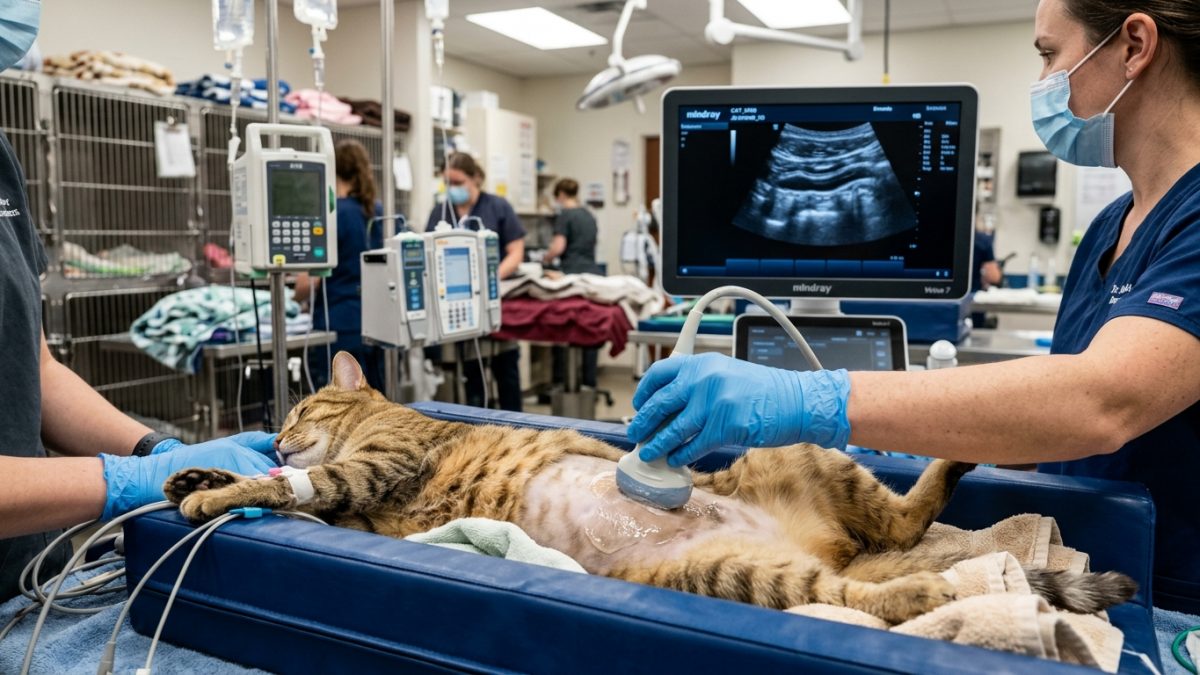
Cats
Managing Feline Inflammatory Bowel Disease through easily digestible, limited-ingredient diets and pre/probiotic support to repair the gastrointestinal microbiome.
Nutritional strategy for diabetic cats utilizing high-protein, low-carbohydrate (HPLC) profiles to support diabetic remission and stabilize blood glucose curves.
Dietary interventions for Feline Lower Urinary Tract Disease (FLUTD), managing struvite and calcium oxalate crystals through pH modulation and moisture.
Urological recovery guide for male cats post-PU surgery, mandating shredded paper litter use to prevent granular contamination and stoma strictures.
Rehabilitation protocols for tripawd felines following limb amputation, addressing neuropathic phantom pain, litter box modification, and mobility assistance.
Standardized post-operative care for feline ovariohysterectomy and castration, focusing on incision site integrity, Elizabethan collars, and analgesia.
Emergency stabilization for cats exposed to canine permethrin-based flea control, presenting with severe fasciculations, muscle tremors, and seizures.
Emergency protocols for feline exposure to Lilium and Hemerocallis species, emphasizing the extreme nephrotoxicity of pollen and leaves.
Clinical overview of feline alimentary lymphoma, distinguishing large cell from small cell variants, and monitoring chemotherapy tolerability at home.
Identifying subtle feline osteoarthritis signs such as jumping reluctance and hiding, with clinical protocols for Solensia (frunevetmab) monoclonal antibody therapy.