Training & Behavior
Separation Anxiety in Dogs: What to Do First (Calm Routine)
A practical first-step guide for departure distress in dogs. Learn calm departure routines, safe home setup, video tracking, and when to seek veterinary care.
Topic hub
Training and behavior guides on NewsPet prioritize humane, reward-based routines and owner safety. This hub covers body language, crate comfort, scratching redirection, multi-pet conflict, puppy socialization, and everyday behavior changes. The goal is not quick dominance-style fixes, but calmer decisions: reduce pressure, observe triggers, improve the environment, and know when pain, fear, anxiety, or professional behavior support may be involved.
Behavior decision desk
Training and behavior articles prioritize reward-based methods, safety, and context. Start by observing triggers, reducing pressure, and separating sudden behavior changes from long-running habits.
Latest in this hub
Training & Behavior
A practical first-step guide for departure distress in dogs. Learn calm departure routines, safe home setup, video tracking, and when to seek veterinary care.
Essential preventive health advice for urban apartment dogs: managing elevator safety, high-density sidewalk pathogens, mental enrichment, and indoor potty routines.
Solve multi-cat litter box avoidance, ambushing, and stress-induced cystitis with the N+1 box rule, optimal room placement, substrate selection, and cleaning habits.
Transform traumatic vet visits into calm routines for your cat: carrier desensitization, synthetic pheromones, pre-visit gabapentin, and car travel setup.
Use a whole-day ledger to compare dog treat calories, training frequency, reward size, calorie density, meal questions, and non-food swaps.
How to raise a happy, calm dog in an apartment: indoor mental enrichment, elevator and hallway etiquette, potty schedules, barking prevention, and daily exercise.
Complete timeline for moving house with a cat: when to move your cat (first or last), room-by-room carrier prep, moving day isolation, and settling-in steps.
Stop your dog from pulling on leash with simple reward-based training steps. Learn loose-leash walking, harness fit, sniff breaks, and focus games that work.
Create a safer, calmer cat window perch with sturdy mounting, screen checks, shade, cord control, and multi-cat planning.
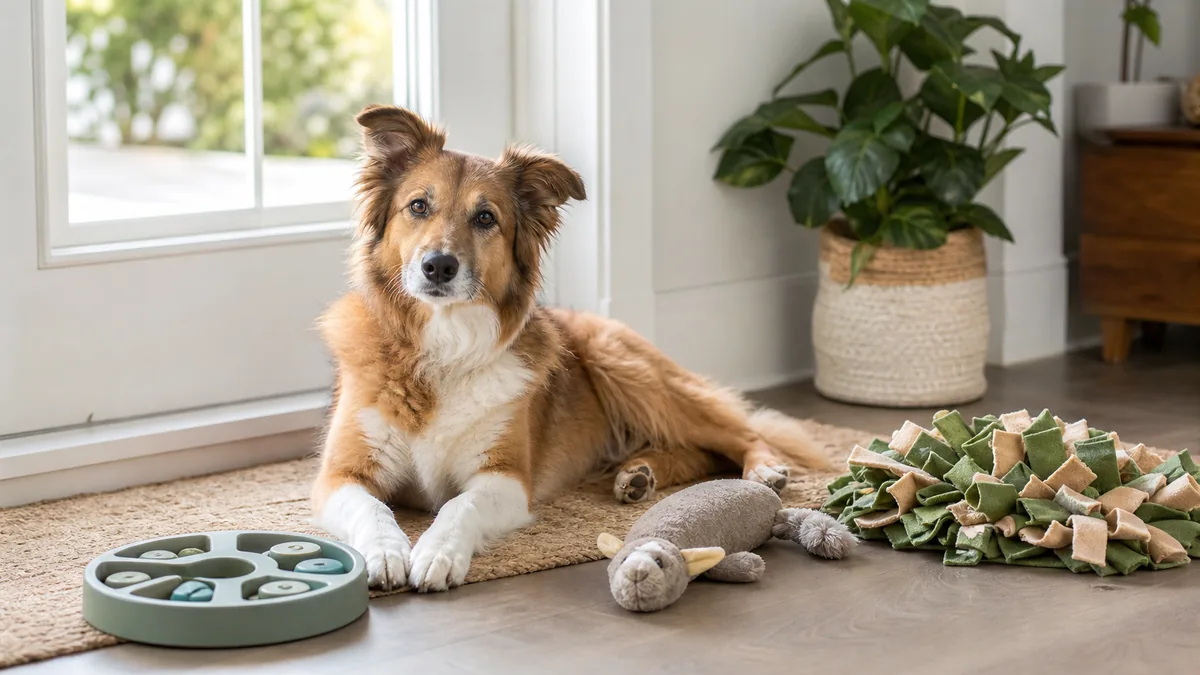
Dog enrichment does not have to mean buying more toys. Use scent games, food puzzles, choice, and simple routines to help your dog settle at home.