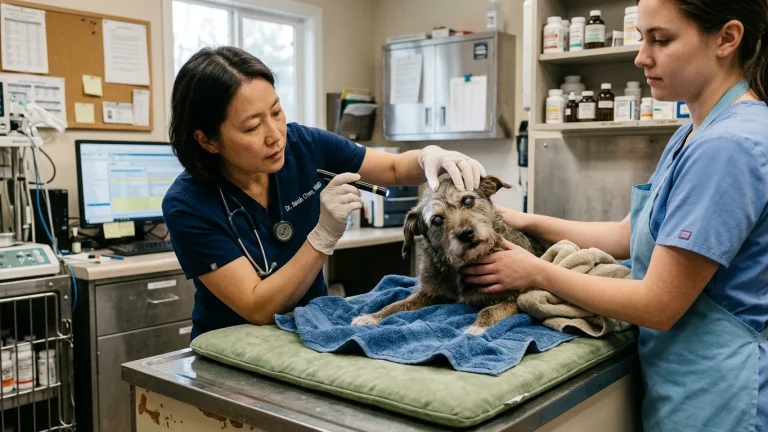
Health and Safety Boundary
Jump to Emergency Red Flags ↓
This guide is general education for pet owners. If your pet has urgent symptoms, possible poisoning, injury, breathing trouble, collapse, severe pain, or sudden decline, contact a licensed veterinarian or local emergency service.
Editorial standard
How this guide was prepared
Edited for decisions
NewsPet guides are structured around practical owner choices, tradeoffs, and safety boundaries.
Source policy
Sources are listed when a guide relies on outside references.
Veterinary boundary
This article does not diagnose or prescribe; urgent symptoms need veterinary care.
Corrections
Readers can flag unclear, outdated, or inaccurate information through our contact page.
Trazodone for Dogs: Anxiety, Post-Op Confinement & Triage
Clinical Classification & Indications
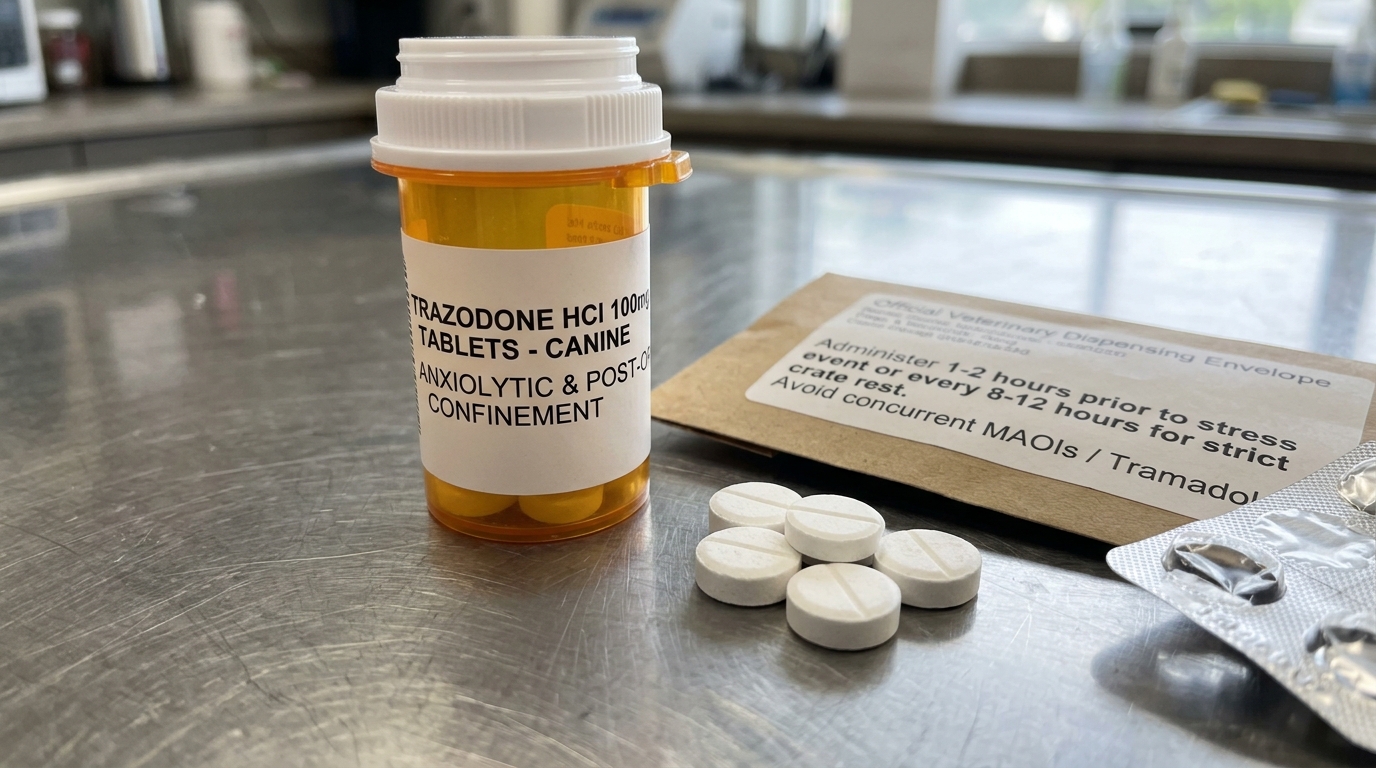
- Drug Class: Serotonin Antagonist and Reuptake Inhibitor (SARI)
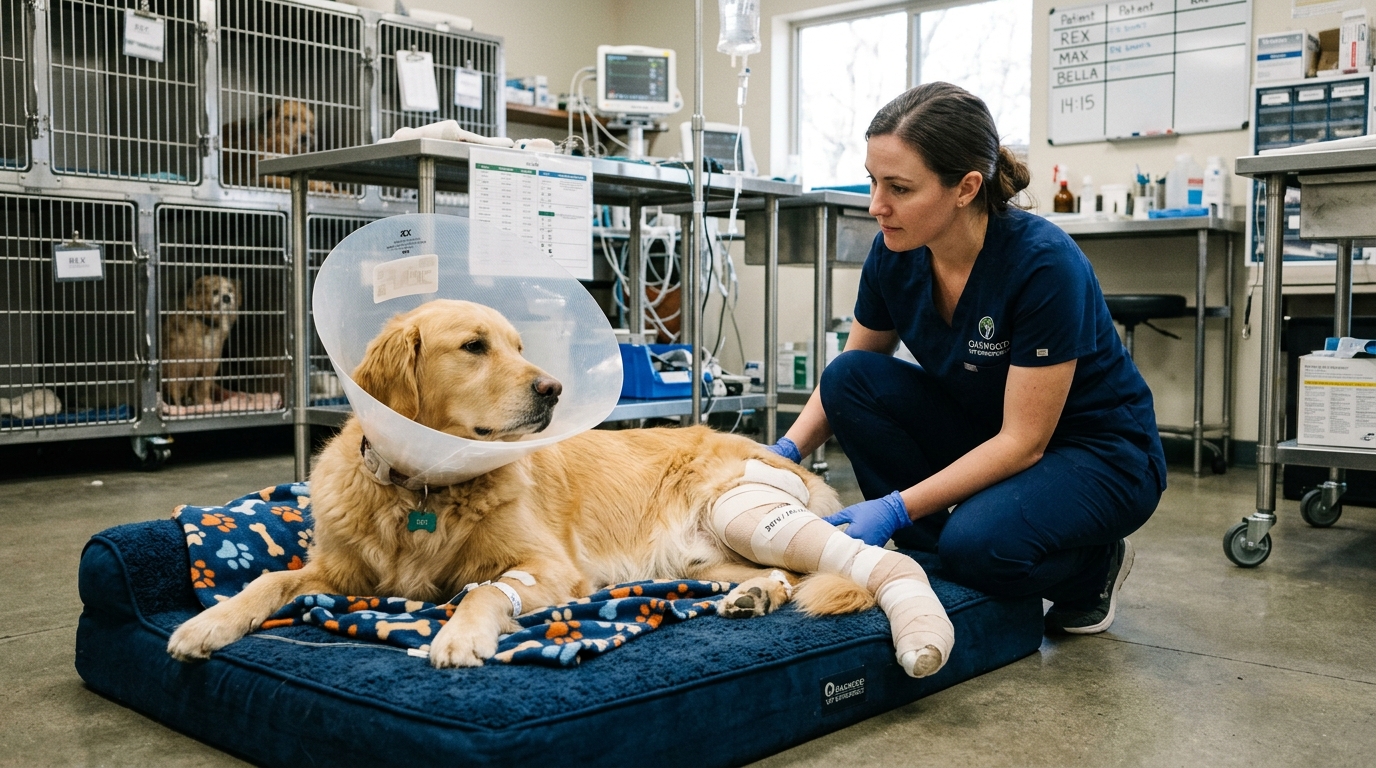
- Approved Uses: Situational anxiety (fireworks, thunderstorms, travel, hospital visits) and behavioral calming for strict post-operative confinement following orthopedic surgery (TPLO, fracture repairs).
Mechanism of Action (Pharmacodynamics)
Exerts dual actions on serotonergic neurotransmission: potent antagonism of post-synaptic 5-HT2A receptors combined with mild inhibition of presynaptic serotonin reuptake, producing functional sedation and anxiolysis.
Adverse Reactions & Side Effect Profile
Common / Expected Side Effects
Transient sedation, mild ataxia, lethargy, increased appetite, mild vomiting or diarrhea.
Emergency Red Flag Reactions
Serotonin Syndrome: agitation, severe muscle tremors, hyperthermia, tachycardia, vocalization, dilated pupils, seizures (especially if combined with other serotonergic medications).
Clinical Contraindications & Interactions
- Do Not Use In: Concurrent use with Monoamine Oxidase Inhibitors (MAOIs like Selegiline/Anipryl) or other strong serotonergic agents (tramadol, fluoxetine). Use with caution in severe hepatic or cardiac disease.
Strict Rule S1 Veterinary Prescription Directive
VETERINARY DIRECTIVE: Trazodone takes approximately 1 to 2 hours to achieve peak sedative effect and lasts 6 to 12 hours. Always conduct a trial dose on a calm day before an anticipated stress event to assess individual patient sedation levels. Never administer human pharmaceutical products or adjust dosages without direct examination and bloodwork by a licensed Doctor of Veterinary Medicine (DVM).
Printable tools