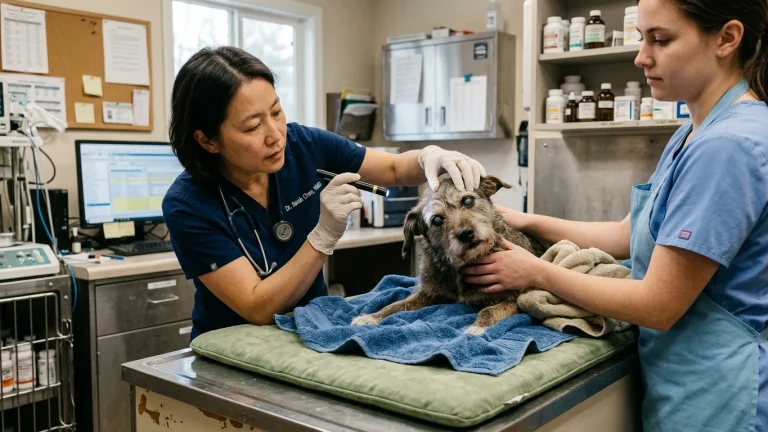
This guide is general education for pet owners. If your pet has urgent symptoms, possible poisoning, injury, breathing trouble, collapse, severe pain, or sudden decline, contact a licensed veterinarian or local emergency service.
Dosages must be calculated by a licensed veterinarian based on species, weight, and bloodwork. Never administer human medications or self-adjust prescription doses for pets.
Editorial standard
How this guide was prepared
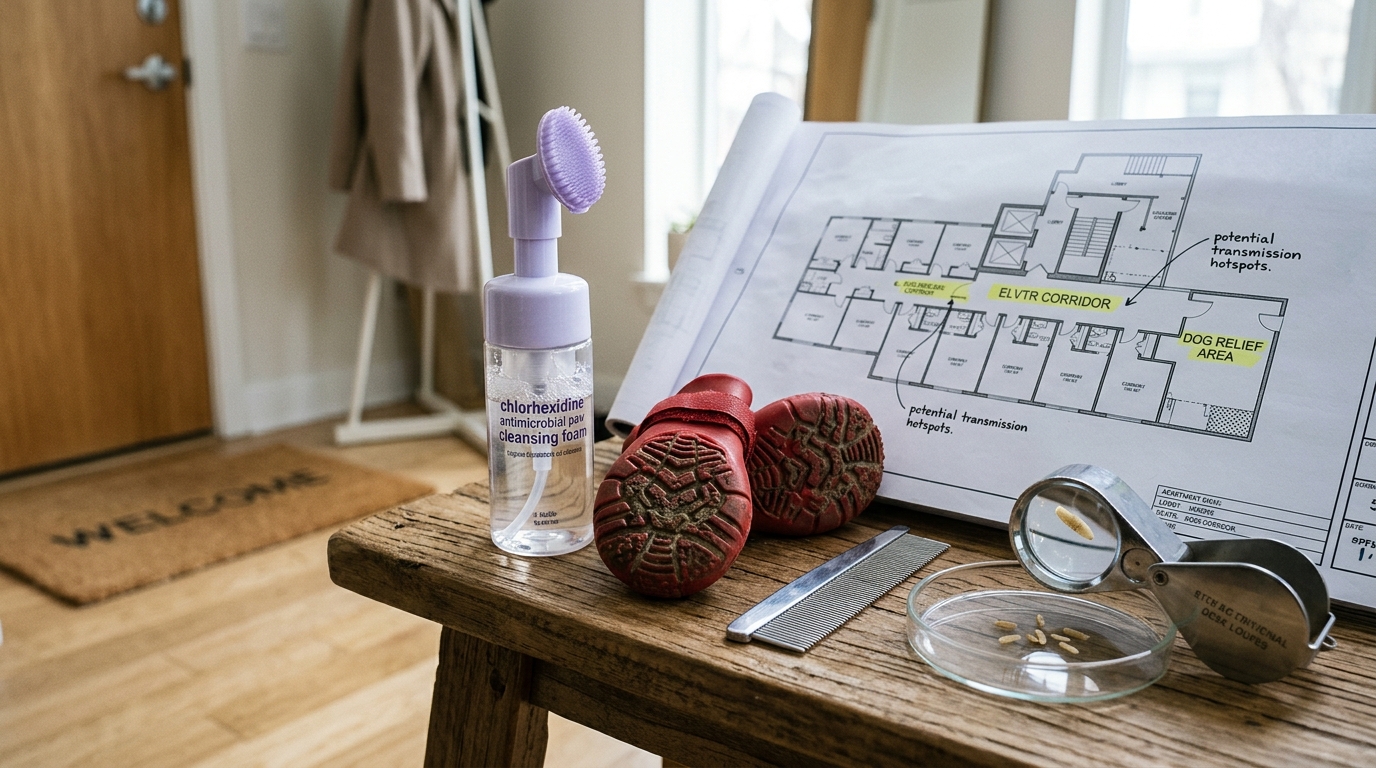
Living in a modern high-rise or multi-family apartment community offers wonderful urban conveniences, but for companion dogs, high-density residential buildings present unique veterinary biological hazards. Unlike suburban canines that enjoy private fenced lawns, apartment dogs manage high-traffic communal pinch points several times daily: shared carpeted interior hallways, enclosed elevator cars, common stairwells, and small perimeter turf patches where dozens of neighboring pets relieve themselves. This concentrated foot traffic turns communal surfaces into hyper-efficient transmission corridors for external ectoparasites and microscopic endoparasites.
Clinical Quick Answer & Immediate Actions
High-density multi-family apartment complexes present unique micro-environmental parasitological hazards that rural or single-family suburban environments do not. Shared indoor carpeted hallways, elevator lobbies, and restricted outdoor synthetic turf or postage-stamp relief patches experience continuous, high-volume animal traffic. Carpeted building corridors provide microclimates with stabilized temperature and humidity where flea pupae (Ctenocephalides felis) remain protected within silk cocoons for months until vibrations from footsteps stimulate synchronous adult emergence. Outdoor urban relief patches accumulate high concentrations of infective Giardia lamblia cysts, Cryptosporidium oocysts, and embryonated Toxocara canis roundworm eggs that survive environmental extremes and are picked up directly on paw pads or human footwear. Complete year-round preventative protocols combining systemic isoxazolines, broad-spectrum anthelmintics, and rigorous post-walk hygiene are mandatory for apartment dogs.
Many apartment dog owners mistakenly assume that urban living buffers their dogs against parasite exposure compared to rural environments. In reality, veterinary epidemiological surveillance demonstrates that urban dog relief zones exhibit exceptionally high parasite contamination rates due to soil compaction, high host density, and constant re-infection cycles. Implementing strict multi-layer preventive barriers keeps your urban canine parasite-free.
The High-Density Transmission Corridors of Apartment Buildings
Parasites thrive in specific microenvironments created by multi-unit residential architecture:
- Carpeted Indoor Hallways: Adult fleas spend their lives on host animals, but female fleas drop up to 50 eggs per day. These non-sticky eggs roll off neighboring pets directly into carpet fibers, where larvae hatch, feed on flea dirt, and spin protective silk cocoons that resist ordinary vacuuming for months. Review our multi-pet parasite prevention guide.
- Enclosed Elevator Cabs: With hundreds of pets traversing elevator thresholds every 24 hours, shed flea dirt, tick nymphs questing on elevator walls, and shoe-borne worm ova accumulate rapidly in corners and baseboards.
- Artificial Turf & Communal Relief Patches: High-rise courtyard artificial grass is notorious for harboring Giardia lamblia cysts and Coccidia oocysts. Because synthetic turf cannot support beneficial soil microbes that naturally break down pathogens, microscopic fecal residue persists across thousands of paw strikes.
- Stormwater Grates & Sidewalk Puddles: Urban rats and mice frequent storm drains, shedding Leptospira bacteria and parasite ova into stagnant sidewalk puddles that thirsty urban dogs instinctively investigate. Review our Giardia in dogs and dog park cleaning guide.
Common Urban Parasites: Transmission & Pathology
Understanding what urban dogs face enables targeted veterinary defense:
| Parasite Pathogen | Apartment Hotspot | Transmission Route & Clinical Symptoms |
|---|---|---|
| Fleas (Ctenocephalides felis) | Hallway carpets, elevators, dog lounges. | Jumping adult fleas; causes intense flea allergy dermatitis (FAD), tapeworms, severe pruritus. |
| Hookworms (Ancylostoma caninum) | Communal relief turf, tree well dirt. | Larvae penetrate paw skin directly or ingestion; causes bloody dark diarrhea, anemia, paw pododermatitis. |
| Roundworms (Toxocara canis) | Shared soil patches, sidewalk grass. | Ingestion of microscopic embryonated ova; causes pot-bellied appearance, vomiting, zoonotic visceral larva migrans. |
| Giardia lamblia | Wet artificial grass, urban drainage puddles. | Ingestion of hardy environmental cysts; causes acute foul-smelling greasy diarrhea, gas, weight loss. |
| Heartworms (Dirofilaria immitis) | Apartment balconies, open windows, parks. | Transmitted by urban mosquitoes breeding in balcony planters and rooftop drains; fatal cardiopulmonary disease. |
The 4-Step Urban Decontamination Routine
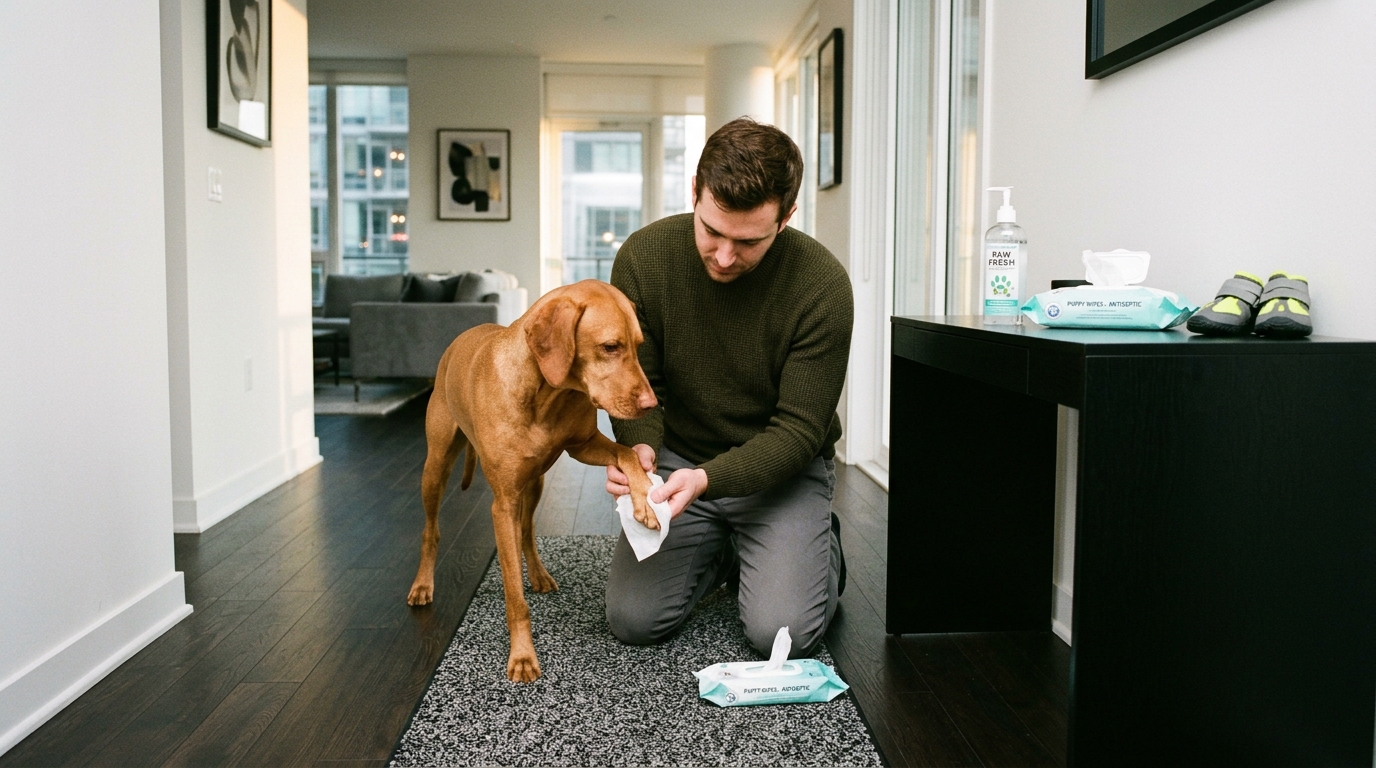
Establish a protective threshold barrier at your apartment door to stop outdoor vectors from entering your home:
- Maintain Unbroken 12-Month Preventative Dosing: Urban heat islands and heated apartment building interiors keep fleas, ticks, and indoor mosquitoes active through freezing winter months. Never skip seasonal doses. Learn the differences in our dog parasite prevention chews vs topicals guide.
- The Post-Walk Paw Wipe Ritual: Keep a container of alcohol-free, chlorhexidine- or ketoconazole-based pet cleansing wipes directly inside your apartment foyer. Thoroughly wipe all four paws, interdigital webbing, and underbelly before allowing your dog onto indoor rugs.
- Prompt Fecal Collection & Disposal: Always bag your dog’s stool immediately with heavy-duty leak-proof bags. Leaving fecal matter on shared turf exposes every dog in your building to parasite cycling.
- Schedule Biannual Fecal Centrifugation Exams: Standard fecal floatation tests miss low-shedding Giardia cysts. Request annual or biannual fecal ELISA antigen testing and centrifugation during routine veterinary wellness checkups.
When to Contact a Veterinarian Immediately
Parasitic infections can escalate rapidly, particularly in urban puppies, toy breeds, and senior dogs. Seek immediate veterinary evaluation if your dog develops watery foul-smelling diarrhea lasting more than 24 hours, blood or dark tarry substance in stool, uncontrollable scratching and biting at the tail base, pale gums, sudden coughing, or rapid unexplained weight loss despite normal food consumption.
Clinical Practice Tool: Daily Pet Care Routine Tracker
Maintain urban parasite hygiene and hallway inspection routines with our printable Daily Pet Care Routine Tracker. Download and print your copy of the Daily Pet Care Routine Tracker, or explore all practical pet care guides in the NewsPet Resource Center.
Frequently Asked Questions
What parasite transmission hotspots exist in urban apartment buildings?
Elevator thresholds, shared outdoor relief strips, lobby floor rugs, and stairwells harbor high concentrations of flea eggs, roundworm ova, and Giardia cysts due to heavy companion animal traffic.
How can apartment owners prevent their dogs from picking up parasites in high-traffic elevators?
Maintain year-round broad-spectrum oral or topical preventives, avoid letting your dog sniff or lick floor corners in shared elevators, and wipe paws with damp antiseptic cloths before re-entering your apartment.
Are high-rise balconies safe from parasite exposure?
Balconies are safer from ticks, but mosquitoes transmitting heartworm larvae easily fly to upper-floor balconies, making continuous heartworm preventive therapy essential for high-rise pets.
Sources
- Companion Animal Parasite Council (CAPC): High-Density and Urban Canine Parasite Guidelines
- American Heartworm Society: Year-Round Vector Prevention in Urban Settings
- U.S. Centers for Disease Control and Prevention (CDC): Zoonotic Hookworm and Roundworm Transmission
- VCA Animal Hospitals: Internal and External Parasite Management for Urban Dogs
Emergency Triage Matrix: Clinical Presentation & Required Response
| Triage Level | Clinical Signs & Presentation | Immediate Action Protocol |
|---|---|---|
| Tier 1: Immediate Emergency (0–2 Hours) | Puppy or small dog living in an apartment complex exhibiting severe acute watery, foul, or bloody diarrhea with profound dehydration (>8% skin tent), hypothermia, pale gums, and intractable vomiting (parvovirus / severe Giardia crisis). | Immediate emergency veterinary transport; call clinic en route to alert for infectious isolation intake, initiate IV crystalloid fluid resuscitation, antiemetics, and point-of-care infectious antigen ELISA panels. |
| Tier 2: Urgent Veterinary Care (Same-Day) | Dog exhibiting persistent soft mucoid diarrhea with flatulence and weight loss >48 hours, active live flea infestation discovered on skin, or visible rice-like tapeworm proglottids (Dipylidium caninum) crawling around the anus. | Same-day veterinary evaluation; fecal centrifugation with zinc sulfate flotation, Giardia antigen ELISA, and prescription deworming and ectoparasiticide administration. |
| Tier 3: Home Monitoring & Scheduled Care | Dog is energetic, fully hydrated, and afebrile, but routinely walks through high-traffic apartment lobbies, shared stairwells, and synthetic turf dog runs without current preventative coverage. | Schedule immediate veterinary wellness exam to prescribe comprehensive monthly broad-spectrum parasite preventatives; institute mandatory post-walk paw wipe downs at the apartment threshold. |
Rule S1 Boundaries & Urban Parasite Safety Rules
Apartment parasite management requires strict adherence to clinical standards:
- NEVER assume apartment living eliminates the need for flea and tick preventatives: Shared elevator lobbies, climate-controlled carpeted hallways, and shared balconies provide prime year-round habitats where flea pupae and hitchhiking ticks survive regardless of outdoor weather.
- NEVER allow an incompletely vaccinated puppy onto shared apartment relief areas: Shared building courtyards and grass patches harbor resilient viral and protozoal pathogens (Parvovirus, Giardia) that remain viable in urban soil for months, posing fatal risks to young puppies.
- NEVER use canine-specific permethrin spot-on products in homes with cats: In close apartment quarters, cats frequently groom cohabiting dogs or brush against treated furniture, absorbing toxic pyrethroids that cause fatal feline tremors and seizures.
- NEVER allow dogs to drink from urban standing puddles or outdoor building fountains: Urban puddle water is contaminated with rodent urine carrying pathogenic Leptospira bacteria and fecal runoff containing infectious Giardia and Cryptosporidium cysts.
Caregiver Apartment Dog Parasite & Hygiene Protocol Checklist
- Administer comprehensive veterinary-prescribed flea, tick, heartworm, and intestinal dewormer preventatives on an exact 30-day schedule year-round.
- Place a dedicated paw-cleaning station at your apartment entrance: keep pet-safe antiseptic wipes or a warm damp washcloth to wipe paws after every walk.
- Avoid communal synthetic turf pet relief zones during peak morning and evening traffic; redirect your dog to well-drained, less-frequented public grassy verges.
- Remove outdoor footwear immediately upon entering your apartment home; human shoes mechanically transport roundworm eggs and viral particles from hallways into living rooms.
- Vacuum your apartment carpets, baseboards, and furniture twice weekly, immediately emptying vacuum canisters into outside building trash chutes.
- Submit a fecal sample for comprehensive centrifugal flotation and Giardia antigen testing at least twice annually for urban apartment-dwelling canines.
Related Clinical Guides & Tools
Peer-Reviewed Clinical References & Evidence Grounding
- PMID: 33769611: International veterinary canine dyskinesia task force ECVN consensus statement: Terminology and classification (J Vet Intern Med, 2021) (opens in new tab)
- PMID: 38351524: Defining sepsis in small animals (J Vet Emerg Crit Care (San Antonio), 2024) (opens in new tab)
- PMID: 38474142: Canine Mammary Tumors: Classification, Biomarkers, Traditional and Personalized Therapies (Int J Mol Sci, 2024) (opens in new tab)
- Merck Veterinary Manual — Small Animal Clinical Medicine & Emergency Reference (opens in new tab)
Printable tools
Download the matching worksheet
Source transparency
Reference mix for this guide
Source labels describe the type of organization behind each reference; they are not a claim that any outside organization reviewed this article.
- Companion Animal Parasite Council (CAPC): High-Density and Urban Canine Parasite Guidelines Reference source · capcvet.org
- American Heartworm Society: Year-Round Vector Prevention in Urban Settings Reference source · heartwormsociety.org
- U.S. Centers for Disease Control and Prevention (CDC): Zoonotic Hookworm and Roundworm Transmission Government or public agency · cdc.gov
- VCA Animal Hospitals: Internal and External Parasite Management for Urban Dogs Reference source · vcahospitals.com
- Puppy Socialization Without Overwhelm: A Vet-Safe Reference source · newspet.net
- Dog Body Language Chart: 9 Stress Signs Before a B Reference source · newspet.net
- Reward-Based Dog Training: Force-Free Steps & Reference source · newspet.net
- Separation Anxiety in Dogs: What to Do First (Calm Reference source · newspet.net