This guide is general education for pet owners. If your pet has urgent symptoms, possible poisoning, injury, breathing trouble, collapse, severe pain, or sudden decline, contact a licensed veterinarian or local emergency service.
Dosages must be calculated by a licensed veterinarian based on species, weight, and bloodwork. Never administer human medications or self-adjust prescription doses for pets.
Editorial standard
How this guide was prepared
Accidental ingestion of toxic human foods is one of the most frequent and time-sensitive clinical emergencies encountered in small animal veterinary practice. When a dog or cat accesses hazardous household ingredients, rapid intervention during the pre-symptomatic window directly dictates whether the animal experiences reversible gastric distress or irreversible, life-threatening organ failure.
Clinical Quick Answer & Immediate Actions
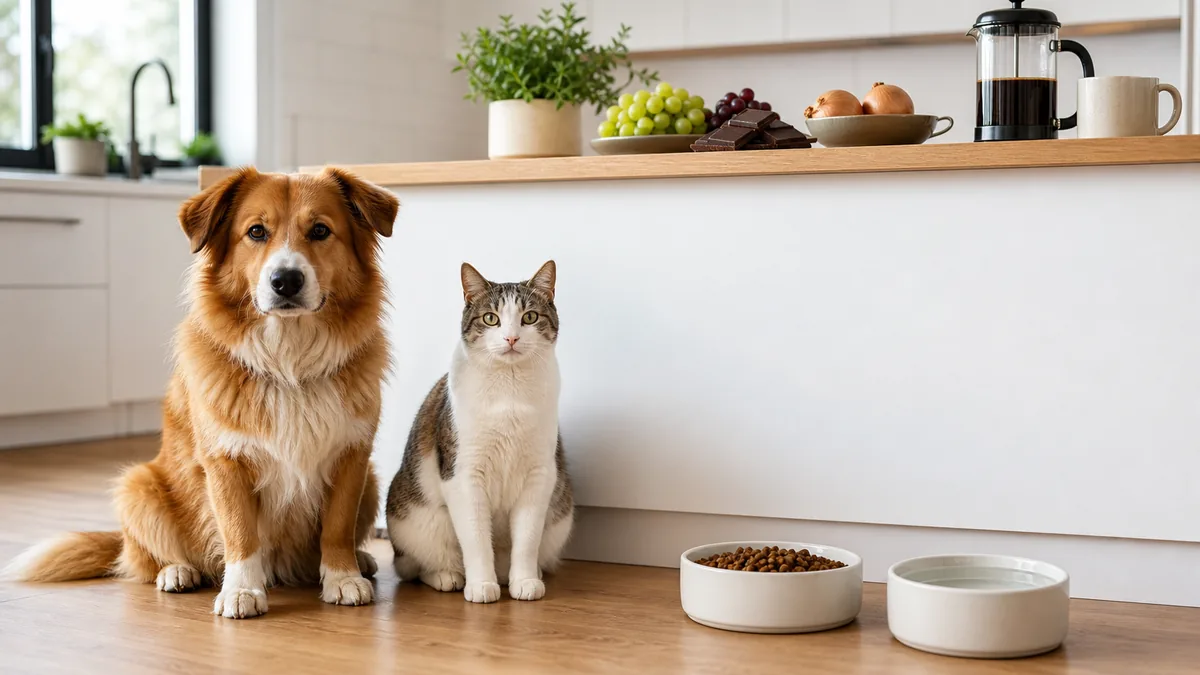
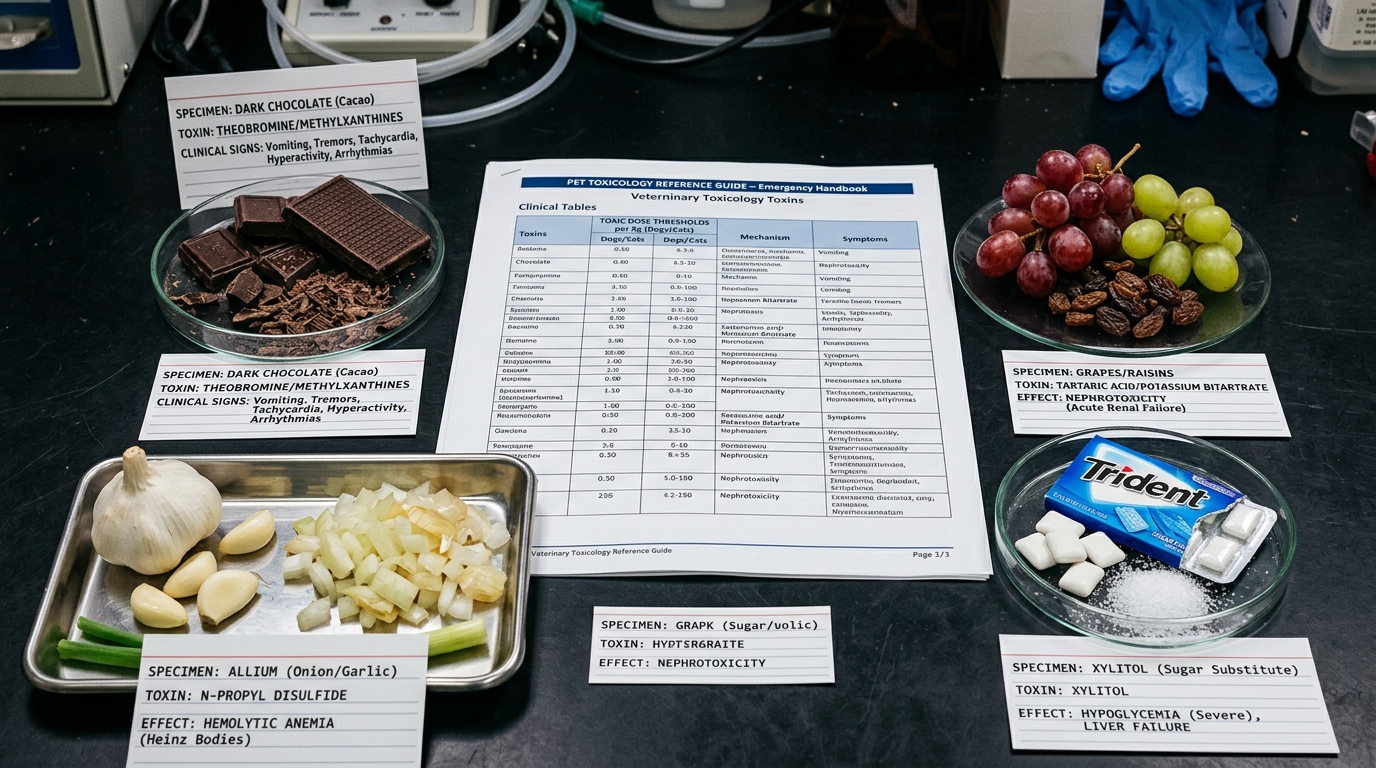
Common human foods including chocolate (theobromine), xylitol/birch sugar, grapes, raisins, onions, garlic, macadamia nuts, and yeast dough can cause acute, life-threatening toxicosis in dogs and cats. If you suspect ingestion of any dangerous substance, immediately determine the item, approximate quantity, and elapsed time, then contact an emergency veterinary facility or accredited pet poison control hotline. Never induce vomiting at home without direct professional instruction.
Caregivers must never wait for outward symptoms to emerge, nor should they waste precious minutes attempting unverified home remedies or searching for theoretical “safe doses.” Contact a veterinarian immediately or call an animal poison control center as soon as a toxic food ingestion is suspected. If your pet exhibits severe tremors, collapse, respiratory distress, or profuse vomiting, transport them to an emergency veterinary hospital without delay.
Detailed Toxicology Profiles: Pathophysiology and Mechanisms of Harm
Each major food toxin operates through distinct biochemical mechanisms that target specific canine or feline organ systems. Understanding these physiological pathways explains why clinical treatment protocols vary widely between substances.
1. Xylitol / Birch Sugar Toxicity (Canine Emergency)
In humans, xylitol has little to no effect on insulin secretion. In canines, however, xylitol is absorbed rapidly within 30 minutes and is recognized by pancreatic beta cells as potent glucose, stimulating an insulin release roughly 6 times greater than an equivalent amount of pure dextrose. This precipitates profound, life-threatening hypoglycemia (blood glucose dropping below 40 mg/dL), resulting in ataxia, severe weakness, recumbency, and hypoglycemic seizures.
At higher ingestion levels (>0.5 grams per kilogram of body weight), xylitol causes direct hepatic cellular ATP depletion and severe reactive oxygen species generation, leading to acute idiopathic liver necrosis. Without aggressive IV dextrose infusions, liver protectants (SAMe, N-acetylcysteine), and plasma transfusions for secondary coagulopathies, the mortality rate is extraordinarily high.
2. Theobromine and Caffeine (Methylxanthines)
Methylxanthines (theobromine and caffeine) are rapidly absorbed through the gastrointestinal tract and freely cross the blood-brain barrier. They exert dual pharmacological actions: competitive antagonism of central and cardiac adenosine receptors, and inhibition of intracellular phosphodiesterase enzymes. This results in elevated intracellular cyclic AMP (cAMP) and uncontrolled intracellular calcium influx into cardiac and skeletal myocytes.
Canines metabolize theobromine at a fraction of the human rate; the serum half-life in dogs is approximately 17.5 hours. Clinical effects progress through distinct toxic thresholds:
- Mild Exposure Threshold: Mild gastrointestinal distress, polydipsia, restlessness, mild abdominal bloating.
- Moderate to Severe Toxic Threshold: Cardiotoxicity: severe sinus tachycardia, premature ventricular contractions (PVCs), ventricular tachyarrhythmias, and marked hypertension.
- Life-Threatening Neurotoxic Threshold: Neurotoxicity: severe muscle rigidity, hyperreflexia, fasciculations, generalized status epilepticus, and death from hyperthermia and respiratory failure.
3. Grapes, Raisins, and Tartaric Acid
For decades, grape toxicity in canines was deemed an idiosyncratic mystery. Veterinary toxicological research has isolated tartaric acid and potassium bitartrate as the principal nephrotoxic agents. Grapes contain highly variable concentrations of tartaric acid depending on the cultivar, growing region, and ripeness level, explaining why historical cases showed erratic dose-response patterns.
Tartaric acid induces acute, severe proximal renal tubular necrosis. Clinical signs of vomiting and diarrhea manifest within 6 to 12 hours, followed by progressive azotemia, oliguria, and complete anuria within 24 to 72 hours. Once anuric renal failure is established, survival requires continuous renal replacement therapy (hemodialysis).
4. Allium Species (Onions, Garlic, Leeks, Chives)
All members of the Allium genus contain toxic organic disulfides and thiosulfates. Cooking, dehydrating, boiling, or baking does not neutralize these chemical compounds; dehydrated onion and garlic powders are significantly more concentrated and hazardous by weight than raw vegetables.
These oxidants overwhelm the intra-erythrocyte enzyme glucose-6-phosphate dehydrogenase, oxidizing hemoglobin into methemoglobin and causing the hemoglobin molecules to precipitate against the internal red blood cell membrane. These physical precipitates, termed Heinz bodies, are detected by the spleen, which mechanically extracts the damaged cells or shears them into fragile “bite cells” and “ghost cells.” This precipitates widespread extravascular and intravascular hemolytic anemia, resulting in dark reddish-brown urine (hemoglobinuria), pale or icteric mucous membranes, tachycardia, tachypnea, and collapse 3 to 5 days post-ingestion.
Master Toxicity Reference Table: Toxic Doses, Targets, and Emergency Actions
The following clinical reference table details the primary food toxins encountered in domestic dogs and cats, their target organ systems, and critical pre-hospital triage instructions.
| Substance / Toxin | Susceptible Species | Target Organ / Mechanism | Clinical Symptoms & Timeline | Immediate Emergency Action |
|---|---|---|---|---|
| Xylitol (Birch Sugar) | Dogs (Severe) | Pancreatic beta cells & hepatocytes; massive insulin surge & acute liver necrosis. | Vomiting, ataxia, severe lethargy within 30 min; seizures within 1–2 hr; jaundice and coagulopathy in 24–48 hr. | Contact a veterinarian immediately. Do not induce vomiting at home if hypoglycemic. Prepare IV dextrose therapy. |
| Dark / Baker’s Chocolate | Dogs & Cats | Cardiovascular & Central Nervous System; adenosine receptor blockade. | Restlessness, polydipsia, tachycardia, panting within 2–4 hr; PVCs, hyperthermia, seizures within 6–12 hr. | Calculate total theobromine dose from packaging. Seek immediate veterinary emesis and activated charcoal decontamination. |
| Grapes & Raisins | Dogs | Renal proximal tubular epithelium; tartaric acid induced acute tubular necrosis. | Vomiting, diarrhea, anorexia within 6–12 hr; progressive azotemia, oliguria, and complete anuria within 24–48 hr. | Decontaminate immediately via clinical emesis. Initiate 48 hours of IV fluid diuresis and serial renal blood panels. |
| Onions & Garlic (Alliums) | Cats (Extreme) & Dogs | Erythrocyte membranes; oxidative Heinz body hemolytic anemia. | Lethargy, weakness, pale/yellow gums, dark brown urine (hemoglobinuria), tachypnea developing over 3 to 5 days. | Contact a veterinarian for early emesis if within 2 hours. Monitor packed cell volume (PCV); prepare for blood transfusion. |
| Macadamia Nuts | Dogs | Neuromuscular junctions; unknown motor mechanism. | Pelvic limb weakness, ataxia, depression, vomiting, tremors, marked hyperthermia within 12 hr. | Supportive veterinary care; symptoms typically resolve within 24 to 48 hours with fluid therapy and analgesics. |
| Raw Bread Yeast Dough | Dogs & Cats | Gastric distension & metabolic ethanol poisoning; GDV risk. | Retching, progressive severe abdominal distension, hypothermia, ataxia, stupor, respiratory depression. | Emergency hospital transport. Cold water gastric lavage to halt yeast fermentation; surgical decompression if GDV occurs. |
| Ethanol / Alcoholic Drinks | Dogs & Cats | CNS depression, metabolic acidosis, severe hypothermia, hypoglycemia. | Disorientation, stumbling, vomiting, hypothermia, tremors, respiratory arrest within 30 to 60 minutes. | Seek prompt veterinary care immediately. Aggressive thermal support, IV fluids, and respiratory monitoring required. |
| Caffeine / Energy Drinks | Dogs & Cats | Cardiovascular & CNS; severe phosphodiesterase inhibition. | Hyperactivity, cardiac tachyarrhythmias, tremors, tachypnea, malignant hypertension within 30 to 60 min. | Immediate gastric decontamination, beta-blocker administration (e.g., atenolol), and continuous EKG monitoring. |
True Lilies vs. False Lilies: A Fatal Feline Distinction
Among plant-related feline mortalities, the true lily family represents an unparalleled hazard. Every single part of plants belonging to the genera Lilium (true lilies) and Hemerocallis (daylilies) is acutely nephrotoxic to domestic cats. This includes the petals, sepals, leaves, stems, bulb, water in the vase, and microscopic pollen grains shed onto furniture or the cat’s fur.
The Lethal Genera (Lilium and Hemerocallis)
Species include Stargazer lilies, Easter lilies, Tiger lilies, Asiatic hybrid lilies, Oriental lilies, and Wood lilies. Ingestion of less than one leaf fragment, or licking pollen off whiskers during grooming, destroys the renal tubular epithelium. Within 2 to 4 hours, cats vomit and display mild depression. Within 24 to 48 hours, profound azotemia and acute kidney injury develop. Without immediate, intensive IV fluid diuresis initiated within 18 hours of exposure, anuric renal death occurs within 3 to 7 days.
Non-True “Lilies” with Different Toxic Mechanisms
- Peace Lily (Spathiphyllum) & Calla Lily (Zantedeschia): Not true lilies. Contain insoluble calcium oxalate raphide crystals that penetrate oral mucous membranes upon chewing, causing severe oral burning, drooling, head-shaking, and vomiting, but do not cause acute renal failure.
- Lily of the Valley (Convallaria majalis): Contains potent cardiac glycosides (similar to digitalis). Causes severe bradycardia, cardiac arrhythmias, hyperkalemia, seizures, and death.
- Peruvian Lily (Alstroemeria): Contains tulipalin A, which causes mild, self-limiting gastroenteritis and skin irritation, but no systemic organ damage.
The Critical 15-Minute Protocol: What Pet Guardians Must Do
When you discover that your dog or cat has consumed a hazardous substance, adhere strictly to this clinical action sequence:
- Interrupt Access and Secure the Patient: Immediately remove the pet from the food source. Check the mouth gently only if the animal is calm; never risk a severe bite wound attempting to pry open the jaws of a panicking pet.
- Preserve All Packaging and Evidence: Retrieve the candy bar wrapper, bakery receipt, nutrition label, or remaining food mass. Photograph the exact ingredient list, net weight, cocoa percentage, and sweetener disclosures. Place the chewed container into a clean plastic bag to show the veterinary team.
- Do NOT Induce Vomiting at Home: Administering 3% hydrogen peroxide at home is frequently dangerous. In cats, hydrogen peroxide causes severe necrotizing hemorrhagic gastritis and fatal pulmonary aspiration. In dogs, improper dosages induce esophageal ulceration. Also, inducing emesis is strictly contraindicated if the animal is lethargic, seizing, recumbent, or if the ingested substance was caustic, sharp, or petroleum-based.
- Initiate Immediate Professional Communication: Call your primary veterinary hospital, the nearest 24-hour veterinary emergency center, or an accredited animal poison helpline:
- ASPCA Animal Poison Control Center (APCC): (888) 426-4435
- Pet Poison Helpline: (855) 764-7661
Obtain an official toxicology case number, which emergency clinicians will reference upon arrival to expedite antidotal treatments.
Veterinary Clinical Decontamination Modalities
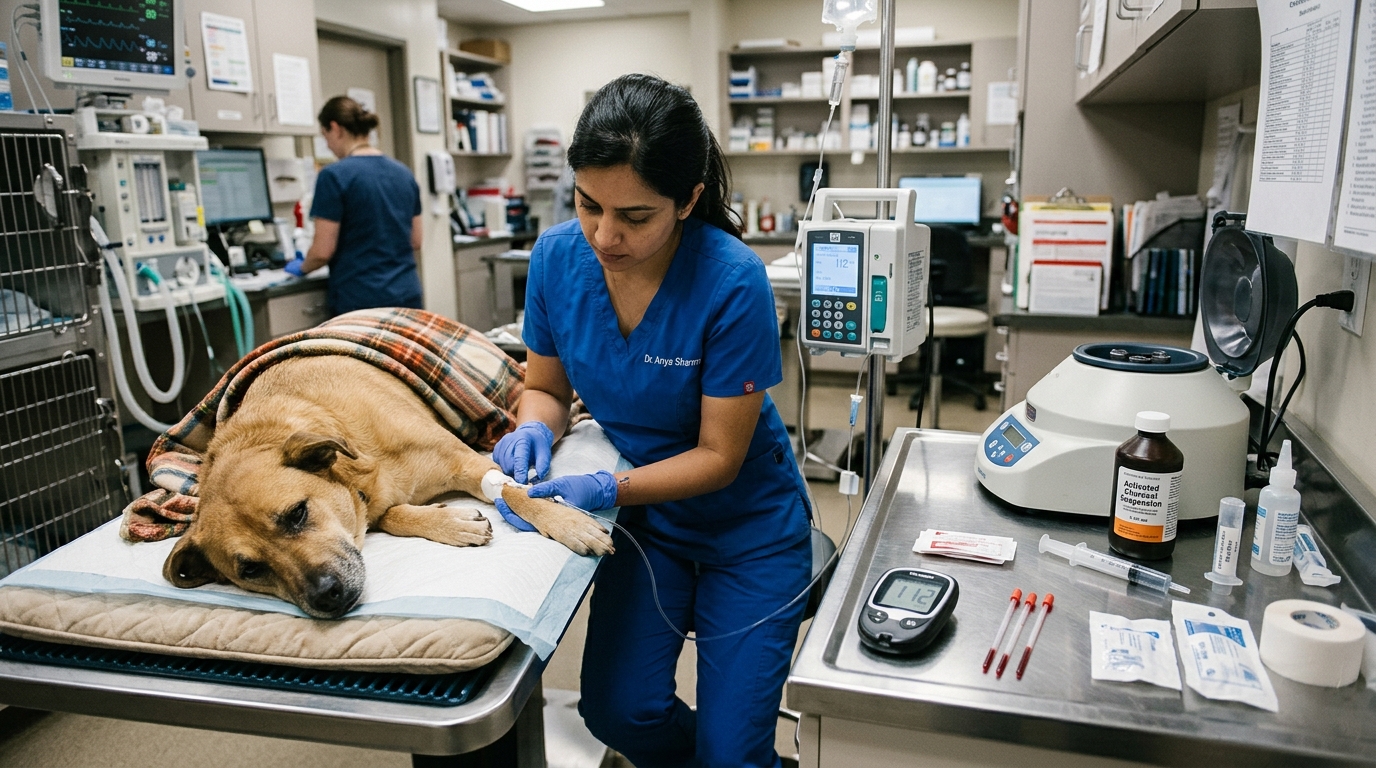
Upon arrival at the emergency veterinary clinic, the medical team selects appropriate decontamination strategies based on the time elapsed and the specific toxin profile:
| Decontamination Modality | Clinical Indication | Mechanism & Veterinary Execution |
|---|---|---|
| Medical Induction of Emesis | Ingestions within 1 to 3 hours in asymptomatic, mentally alert patients. | Dogs: Apomorphine hydrochloride (IV or subconjunctival) or Ropinirole ophthalmic drops. Cats: Dexmedetomidine hydrochloride (IV/IM) reversed promptly with Atipamezole. |
| Gastric Lavage (“Stomach Pumping”) | Massive lethal ingestions (e.g., massive baker’s chocolate, rising bread dough) where emesis is unsafe or failed. | Performed under general endotracheal anesthesia with an inflated cuff to prevent pulmonary aspiration; stomach flushed with warm isotonic saline. |
| Activated Charcoal with Sorbitol | Adsorbing organic toxins (methylxanthines, rodenticides, medications) to prevent systemic absorption. | Administered via syringe or orogastric tube. High-surface-area porous carbon binds toxins; sorbitol cathartic accelerates GI excretion. Repeated without cathartic every 4–8 hr for enterohepatic toxins. |
| Intravenous Fluid Diuresis | Renal toxins (grapes, lilies), methylxanthines, and hypotensive shock. | Isotonic crystalloids (Plasma-Lyte 148, 0.9% NaCl) delivered at 2 to 3 times maintenance rate to maintain renal perfusion and accelerate urinary excretion. |
| Intravenous Lipid Emulsion (ILE) | Severe toxicities caused by highly lipophilic toxicants (e.g., ivermectin, local anesthetics, cannabis edibles). | Intravenous infusion of sterile 20% lipid emulsion acts as a “lipid sink,” sequestering lipophilic toxins from target tissues in the bloodstream. |
Emergency Escalation: When to Travel Immediately
A suspected exposure to a recognized hazardous food warrants prompt professional advice even before symptoms appear. Contact a veterinarian immediately or call an animal poison control center as soon as a toxic food ingestion is suspected. Do not monitor a pet at home if they have accessed xylitol, concentrated baker’s chocolate, grapes, raisins, rising dough, or true lilies.
Seek prompt veterinary advice or emergency hospital transport if your pet exhibits severe tremors, collapse, respiratory distress, or profuse vomiting. When transporting an intoxicated pet, keep them warm, position their head level with the body to prevent saliva aspiration, and bring all product packaging, receipts, and regurgitated material directly to the triage desk.
For urgent clinical triage steps, consult our guide to recognizing veterinary red flags and emergency symptoms, and explore our essential checklist for building a home pet emergency first aid kit.
Clinical Practice Tool: Pet Food Label & Safety Reading Path
Learn to identify safe canine and feline ingredients and verify toxic exclusions with our structured Pet Food Label & Safety Reading Path. Download and print your copy of the Pet Food Label & Safety Reading Path, or explore all practical pet care guides in the NewsPet Resource Center.
Frequently Asked Questions
What common household foods are acutely toxic to dogs and cats?
Chocolate (theobromine), xylitol/birch bark extract (causes rapid hypoglycemia and liver failure), grapes and raisins (acute renal failure), onions and garlic (hemolytic anemia), and macadamia nuts are strictly toxic.
Why is xylitol (birch sugar) exceptionally dangerous for dogs?
In dogs, xylitol stimulates an immediate massive insulin release, causing life-threatening hypoglycemia within 15 to 30 minutes, followed by acute hepatic necrosis and liver failure at higher ingestion levels.
Can small amounts of grapes or raisins be given safely to large dogs?
No. The exact toxic mechanism of grapes involves tartaric acid, and idiosyncratic individual susceptibility varies dramatically. A single grape has caused irreversible acute renal failure in large canines; no safe threshold exists.
Sources
Sources checked: September 8, 2026.
- ASPCA Animal Poison Control Center: detailed Guide to Human Foods Toxic to Pets
- Pet Poison Helpline: Small Animal Toxicological Index and Lethal Dosages
- FDA Center for Veterinary Medicine: Common Household Pet Food Hazards and Xylitol Warning
- Merck Veterinary Manual: Overview of Food Hazards in Companion Animals
- Journal of Veterinary Emergency and Critical Care: Protocols for Feline and Canine Decontamination and Lipid Emulsion Therapy
Emergency Triage Matrix: Clinical Presentation & Required Response
| Triage Level | Clinical Signs & Presentation | Immediate Action Protocol |
|---|---|---|
| Tier 1: Immediate Emergency (0–2 Hours) | Ingestion of xylitol, dark/baking chocolate in toxic quantities, grapes, raisins, or Lilium species in cats; tremors, seizures, collapse, cardiac arrhythmia, or severe hematemesis. | Immediate emergency veterinary transport; professional gastric lavage, intravenous fluid therapy, neuroprotective or cardioprotective stabilization, and activated charcoal administration. |
| Tier 2: Urgent Veterinary Care (Same-Day) | Ingestion of allium species (onions/garlic) causing pale mucous membranes, macadamia nut ingestion with hindlimb weakness, moderate milk chocolate ingestion, or repeated vomiting without collapse. | Contact veterinary poison control or local veterinary clinic; evaluate complete blood count for Heinz body anemia and initiate gastrointestinal decontamination under clinical supervision. |
| Tier 3: Home Monitoring & Scheduled Care | Minimal lick of milk chocolate or low-risk food item in a large dog, exhibiting normal energy, pink gums, normal respiratory rate, and zero gastrointestinal signs. | Monitor appetite, stool quality, and hydration status for 24 to 48 hours; contact veterinary clinic if lethargy, vomiting, or diarrhea develops. |
Rule S1 Boundaries & Toxic Decontamination Warnings
Home decontamination mistakes frequently cause more severe trauma than the primary toxic ingestion:
- NEVER use table salt or salt water to induce vomiting: Salt administration triggers severe hypernatremia, acute cerebral edema, encephalopathy, and fatal neurological seizures.
- NEVER administer hydrogen peroxide to cats: Hydrogen peroxide causes severe hemorrhagic gastritis and fatal air embolism in feline patients; veterinary emesis protocols require injectable alpha-2 agonists.
- NEVER induce emesis after corrosive, caustic, or petroleum ingestion: Re-exposure of the esophageal mucosa to caustic acids, alkalis, or hydrocarbons induces severe esophageal necrosis, perforation, and aspiration chemical pneumonitis.
- NEVER wait for clinical symptoms before seeking care for xylitol or grape ingestion: Xylitol induces profound hypoglycemia within 30 minutes and acute hepatic failure within 24 hours; grapes induce unpredictable acute renal failure before signs appear.
Caregiver Ingestion Emergency Action Checklist
- Secure the remaining substance, packaging, and ingredient label to confirm the exact compound and concentration.
- Estimate the precise quantity ingested, animal weight, and exact time elapsed since ingestion.
- Contact an emergency veterinary hospital or pet poison helpline (e.g., ASPCA Animal Poison Control or Pet Poison Helpline) immediately.
- Do not administer home remedies, milk, vegetable oil, or human medications without specific veterinary directive.
- Transport the patient immediately to the nearest veterinary emergency facility with packaging in hand.
Related Clinical Guides & Tools
Peer-Reviewed Clinical References & Evidence Grounding
- PMID: 33769611: International veterinary canine dyskinesia task force ECVN consensus statement: Terminology and classification (J Vet Intern Med, 2021) (opens in new tab)
- PMID: 38351524: Defining sepsis in small animals (J Vet Emerg Crit Care (San Antonio), 2024) (opens in new tab)
- PMID: 38474142: Canine Mammary Tumors: Classification, Biomarkers, Traditional and Personalized Therapies (Int J Mol Sci, 2024) (opens in new tab)
- Cornell Feline Health Center — Veterinary Clinical & Diagnostic Resources (opens in new tab)
Pet Toxic Food & Hazard Fast-Checker
Rapidly verify toxicity risks, toxic mechanisms, and immediate clinical steps for common household foods, plants, and human medications before calling poison control or your veterinarian.
Printable tools
Download the matching worksheet
Source transparency
Reference mix for this guide
Source labels describe the type of organization behind each reference; they are not a claim that any outside organization reviewed this article.
- ASPCA Animal Poison Control Center: detailed Guide to Human Foods Toxic to Pets Animal welfare nonprofit · aspca.org
- Pet Poison Helpline: Small Animal Toxicological Index and Lethal Dosages Reference source · petpoisonhelpline.com
- FDA Center for Veterinary Medicine: Common Household Pet Food Hazards and Xylitol Warning Government or public agency · fda.gov
- Merck Veterinary Manual: Overview of Food Hazards in Companion Animals Veterinary organization · merckvetmanual.com
- Journal of Veterinary Emergency and Critical Care: Protocols for Feline and Canine Decontamination and Lipid Emulsion Therapy Veterinary organization · onlinelibrary.wiley.com
- Separation Anxiety in Dogs: What to Do First (Calm Reference source · newspet.net
- Cat Litter Box Problems: Causes & Solutions (V Reference source · newspet.net
- Raw Pet Food Risks: What to Know Before Feeding Ra Reference source · newspet.net