This guide is general education for pet owners. If your pet has urgent symptoms, possible poisoning, injury, breathing trouble, collapse, severe pain, or sudden decline, contact a licensed veterinarian or local emergency service.
Dosages must be calculated by a licensed veterinarian based on species, weight, and bloodwork. Never administer human medications or self-adjust prescription doses for pets.
Editorial standard
How this guide was prepared
Periodontal disease is the single most common clinical condition diagnosed by small animal veterinarians, affecting over 80% of dogs and 70% of cats by three years of age. While pet owners often normalize “dog breath” as an inevitable quirk of animal ownership, foul oral odor is actually a primary biomarker of active bacterial infection and tissue necrosis. Left unchecked, oral bacteria destroy the periodontal ligament, dissolve alveolar bone, and seed chronic bacteremia that damages distant vital organs including the kidneys and heart valves.
Clinical Quick Answer & Immediate Actions
Periodontal disease is the single most common clinical condition diagnosed in adult dogs and cats, affecting over 80 percent of pets by age three. Daily mechanical tooth brushing with enzymatic pet-safe toothpaste represents the clinical gold standard for preventing bacterial plaque from mineralizing into hard calculus. Combine daily brushing with Veterinary Oral Health Council (VOHC) accepted dental diets or chews, and schedule annual professional cleanings with subgingival scaling under general anesthesia.
Effective preventive dental care combines systematic, cooperative home toothbrushing with regular professional veterinary cleanings under general anesthesia. Understanding the progression of periodontal disease, avoiding dangerous pet store chews, and recognizing feline-specific oral lesions allows you to protect your companion from chronic, silent oral pain.
1. Why Home Care Matters: The Periodontal Disease Cascade
Periodontal disease begins within hours of eating. Salivary glycoproteins, food debris, and oral bacteria form a sticky, invisible layer known as plaque. Within 24 to 48 hours, calcium carbonate and phosphate minerals in pet saliva precipitate into this matrix, mineralizing plaque into rock-hard calculus (tartar).
The 4 Stages of Periodontal Pathology
| Periodontal Stage | Clinical Presentation | Tissue & Bone Damage | Reversibility & Treatment |
|---|---|---|---|
| Stage 1: Gingivitis | Mild marginal erythema (redness) along the gumline, mild halitosis, swollen gums. | Zero bone loss. Inflammation is confined strictly to gingival soft tissue. | 100% Reversible with professional cleaning and daily home toothbrushing. |
| Stage 2: Early Periodontitis | Gums bleed easily on contact; noticeable calculus accumulation; mild gum recession. | Less than 25% attachment loss and early alveolar bone crest demineralization. | Manageable with professional subgingival scaling; bone loss is permanent. |
| Stage 3: Moderate Periodontitis | Deep periodontal pockets (3–5 mm in dogs); purulent exudate; roots exposed; persistent foul odor. | 25% to 50% periodontal attachment and supporting bone loss. Early tooth mobility. | Irreversible; requires advanced periodontal therapy or surgical extraction. |
| Stage 4: Advanced Periodontitis | Severe calculus encrustation; loose, shifting teeth; receding gums; systemic bacteremia. | Greater than 50% alveolar bone destruction; oronasal fistulas and jaw fracture risk. | Severe; requires multiple surgical extractions and systemic antibiotic therapy. |
2. Feline-Specific Oral Pathology: Tooth Resorption & Stomatitis
Feline oral anatomy is susceptible to unique, agonizing inflammatory conditions that cannot be managed by brushing alone:
Feline Tooth Resorption (TR / FORL)
Tooth resorption affects over 30% to 60% of domestic adult cats. For unknown autoimmune and enzymatic reasons, the body’s own odontoclast cells begin actively destroying the tooth from within, eating through cementum, dentin, and enamel near the gumline. Resorptive lesions expose ultra-sensitive dental pulp nerves, causing excruciating pain whenever touched by saliva or food.
- Warning Signs: “Chattering” of the lower jaw, head tilting while eating, dropping kibble, chewing exclusively on one side, or sudden aggression when the face is stroked.
- Clinical Reality: Tooth resorption is not dental decay and cannot be filled or brushed away. The only humane, pain-free veterinary resolution is surgical crown amputation or complete tooth extraction under anesthesia.
Feline Chronic Gingivostomatitis (FCGS)
FCGS is a debilitating, widespread immune-mediated ulceration of the caudal oral mucosa, glossopalatine arches, and pharynx. Cats with stomatitis experience severe oral agony, refuse to groom, display unkempt matted fur, drool blood-tinged saliva, and lose dramatic weight. Medical management often requires multimodal analgesia, corticosteroids, or full-mouth dental extractions to eliminate the bacterial biofilm surface triggering the aberrant immune response.
3. Evidence-Based Home Care: The VOHC Standard
Establishing an effective home dental routine requires evidence-based tools rather than unverified pet shop novelties:
How to Teach Cooperative Toothbrushing
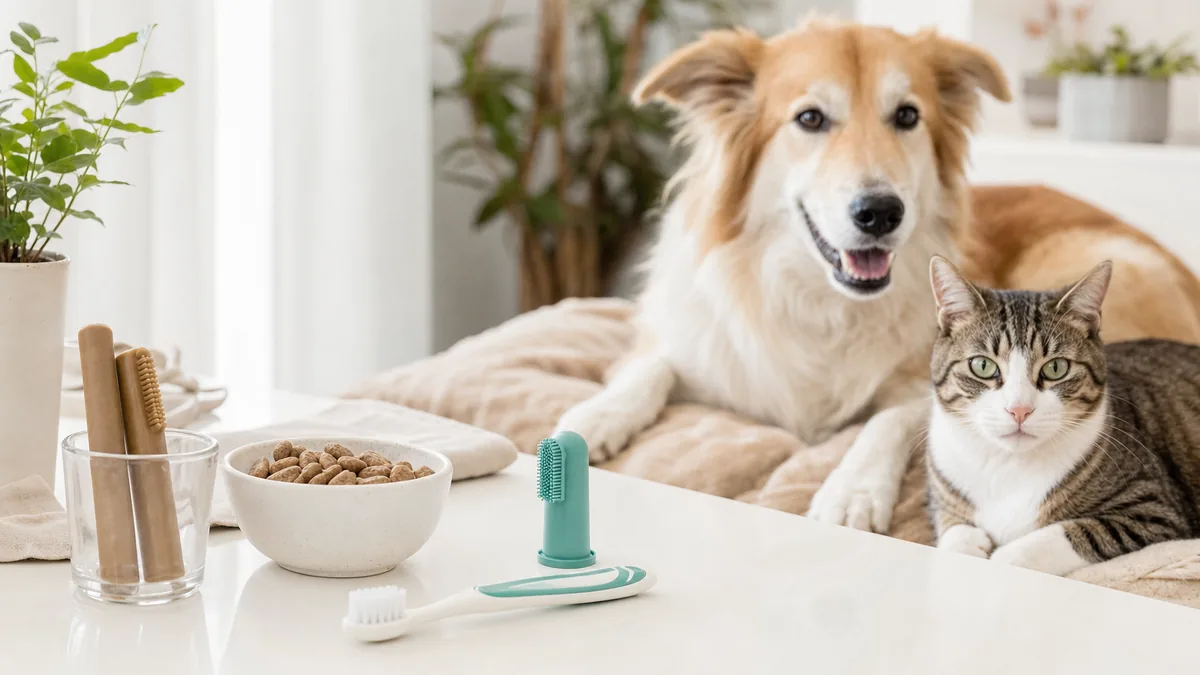
- Start with Flavor Desensitization: Place a dab of poultry- or malt-flavored enzymatic pet toothpaste on your index finger and let your dog or cat lick it voluntarily as a positive reward for 3 consecutive days.
- Introduce Lip Lifts: While offering a dab of toothpaste, gently lift the pet’s upper lip for 2 seconds to expose the canine teeth, then immediately release and praise.
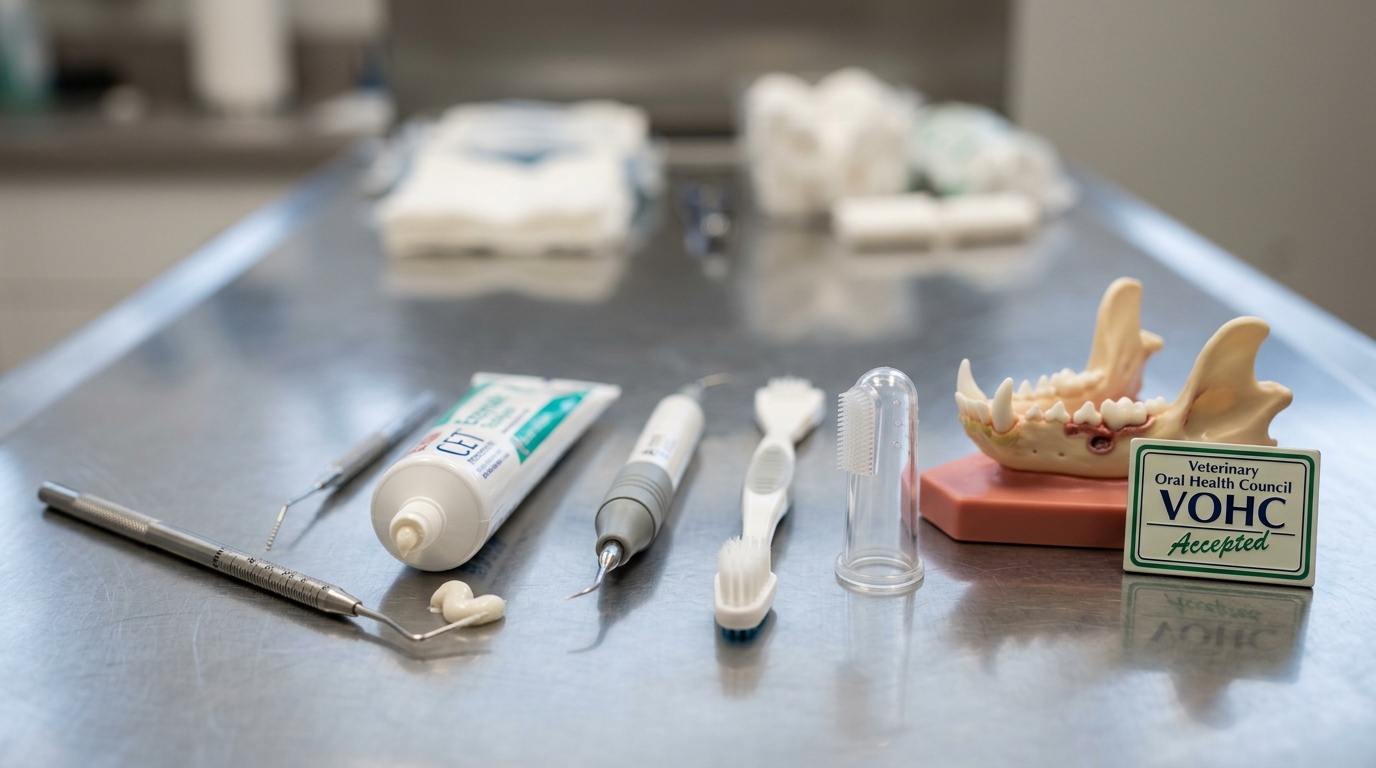
- Use a Soft-Bristled Brush: Transition to an angled pet toothbrush or soft silicone finger brush. Focus exclusively on the outer (buccal) surfaces of the upper teeth, angled at 45 degrees toward the gumline. The pet’s abrasive tongue naturally cleans the inner surfaces.
- Keep Sessions Brief: Spend no more than 30 to 45 seconds total per session. End with a play session or walk.
The VOHC Seal of Acceptance
When selecting dental chews, diets, water additives, or oral wipes, always look for the Veterinary Oral Health Council (VOHC) Seal of Acceptance. The VOHC is an independent scientific body of clinical specialist veterinary dentists that subjects commercial products to rigorous, double-blind clinical trials. Only products that demonstrate a statistically significant reduction in plaque (at least 15% to 20%) or calculus receive certification.
Dangerous Chews: The “Kneecap Rule”
Never offer hard bones, cooked ribs, dried hooves, deer or elk antlers, or hard nylon chew toys. These materials are harder than mammalian tooth enamel. When a dog bites down with its powerful carnassial teeth (the upper fourth premolars), the concentrated force shears the enamel off, causing devastating slab fractures that expose the sensitive pulp canal to deep alveolar bone abscesses.
The Veterinary Kneecap Rule: If an object is too hard to indent with your fingernail or would cause severe pain if struck against your bare kneecap, it is far too hard for your pet’s teeth.
4. Why Anesthesia-Free Dentistry is Ineffective & Dangerous
Some grooming salons and pet spas offer “anesthesia-free dental scaling,” promising to scrape tartar off teeth while pets remain awake. Major veterinary bodies—including the American Veterinary Dental College (AVDC) and AAHA—strongly condemn this practice for critical medical reasons:
- Over 60% of Tooth Structure is Below the Gumline: Periodontal infection, bone destruction, and abscesses occur in the subgingival pocket underneath the gums. Awake animals cannot tolerate sharp curettes scraping beneath painful, inflamed gingiva. Anesthesia-free scaling merely polishes the visible crown, creating a dangerously misleading cosmetic appearance while disease thrives subgingivally.
- Microscopic Enamel Gouging: Scraping tartar without subsequent high-speed mechanical polishing leaves microscopic scratches in the tooth enamel. These rough fissures accelerate new bacterial biofilm attachment, causing calculus to accumulate twice as fast after the procedure.
- Aspiration & Trauma Risks: Resisting awake pets can inhale dislodged bacterial tartar chips into the lungs, triggering aspiration pneumonia. Sharp scaling instruments can easily lacerate oral mucosa or puncture the tongue during sudden head movements.
What Happens During a Real Veterinary COHAT
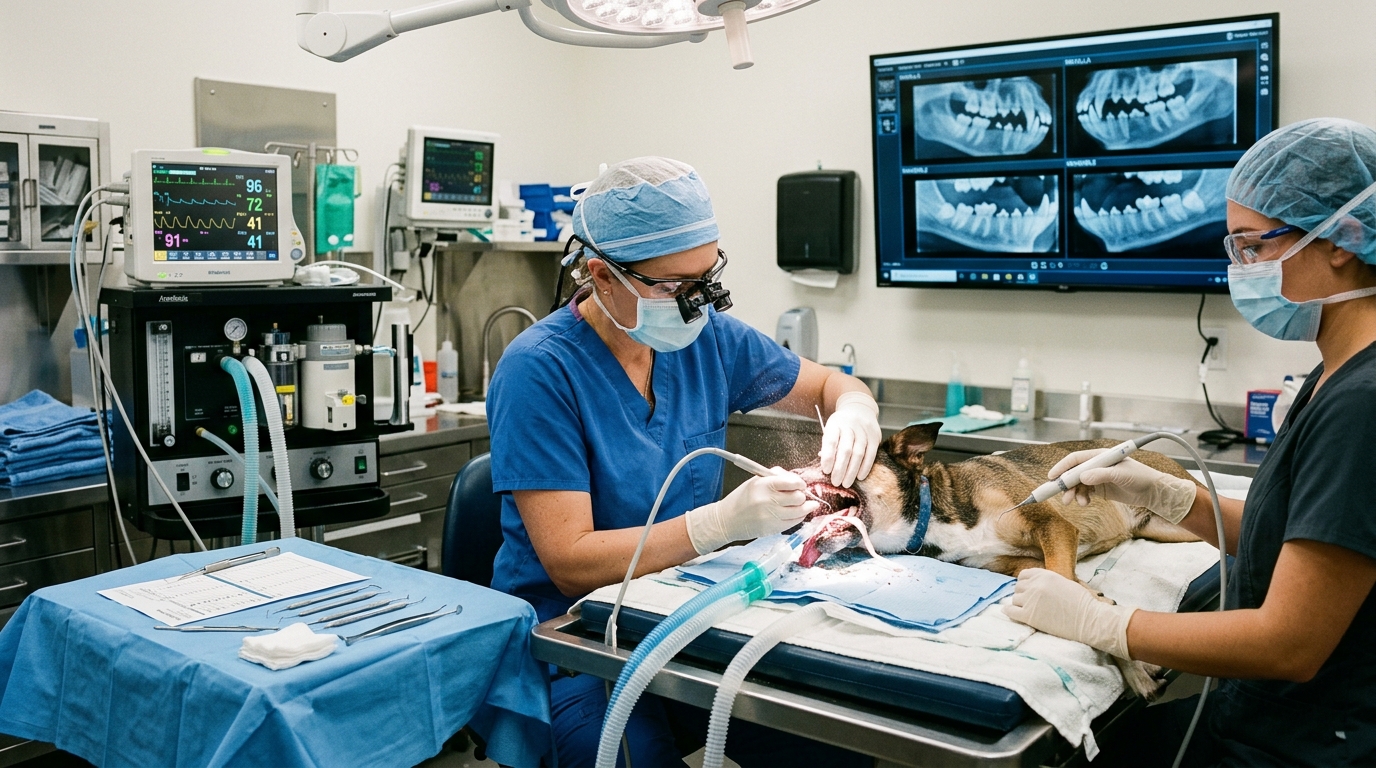
A professional detailed Oral Health Assessment and Treatment (COHAT) under general anesthesia includes: (1) endotracheal intubation with an inflated cuff to 100% protect the airway from bacterial aerosol; (2) full-mouth intraoral dental radiographs to image roots, pulp chambers, and alveolar bone; (3) periodontal probing of all teeth; (4) subgingival ultrasonic scaling and curettage; (5) high-speed polishing; and (6) multimodal local nerve blocks if surgical extractions are indicated.
Veterinary Escalation Boundary: When to Seek Medical Attention
If your pet exhibits facial swelling, bleeding gums, loose or fractured teeth, pawing at the mouth, or drops food while chewing, contact a veterinarian promptly to schedule a detailed oral examination. Persistent bad breath, reluctance to eat dry food, or sudden behavioral irritability during head petting are direct clinical signs of significant oral pain that require diagnostic veterinary dental imaging.
Clinical Practice Tool: Daily Pet Care Routine Tracker
Establish daily toothbrushing habits, enzymatic gel applications, and dental check routines using our printable Daily Pet Care Routine Tracker. Download and print your copy of the Daily Pet Care Routine Tracker, or explore all practical pet care guides in the NewsPet Resource Center.
Frequently Asked Questions
How often should a pet’s teeth be brushed for effective plaque prevention?
Daily brushing is the clinical gold standard. Plaque mineralizes into hard calculus (tartar) within 24 to 48 hours, making consistent daily mechanical brushing essential to prevent gingivitis.
Can human toothpaste be used to brush a dog or cat’s teeth?
Never. Human toothpastes contain foaming detergents that cause stomach irritation and frequently include xylitol (deadly to dogs) or high fluoride concentrations that cause toxicosis when swallowed.
What are the early visual warning signs of periodontal disease?
A thin red line along the gum margin (gingivitis), visible yellow-brown tartar near the gumline, unpleasant breath odor, and slight gum bleeding when touching toys indicate early periodontal disease.
Sources
Sources checked: September 8, 2026.
- AAHA: Dental Care Guidelines for Dogs and Cats
- American Veterinary Dental College (AVDC): Periodontal Disease Information & Guidelines
- Veterinary Oral Health Council (VOHC): Accepted Products for Dogs and Cats
- Cornell Feline Health Center: Feline Dental Disease and Tooth Resorption
- WSAVA: Global Dental Guidelines for Small Animal Practice
Emergency Triage Matrix: Clinical Presentation & Required Response
| Triage Level | Clinical Signs & Presentation | Immediate Action Protocol |
|---|---|---|
| Tier 1: Immediate Emergency (0–2 Hours) | Facial swelling beneath the eye (tooth root abscess), sudden inability to close the jaw, oral hemorrhage following trauma, or severe acute stomatitis with total dysphagia. | Immediate veterinary emergency examination; skull/dental radiography, injectable multimodal analgesia, intravenous fluid therapy, and surgical tooth extraction or stabilization. |
| Tier 2: Urgent Veterinary Care (Same-Day) | Severe halitosis, active bleeding from gingiva upon contact, visible tooth mobility, dropping food while masticating, or pawing repeatedly at the oral cavity. | Urgent dental clinical consultation; full-mouth dental radiographs, comprehensive periodontal staging, and surgical treatment planning under general anesthesia. |
| Tier 3: Home Monitoring & Scheduled Care | Mild supragingival plaque or slight yellowish discoloration along the gumline with zero bleeding, firm tooth attachments, and normal vigorous eating behavior. | Initiate progressive positive-reinforcement tooth brushing conditioning, utilize VOHC-approved water additives or chews, and schedule an annual wellness dental check. |
Rule S1 Boundaries & Home Dental Safety Rules
Home oral hygiene must respect critical physiological and anatomical boundaries:
- NEVER use human toothpaste on dogs or cats: Human toothpaste contains high concentrations of fluoride (toxic when swallowed) and artificial sweeteners such as xylitol (causing lethal hypoglycemia and liver failure in dogs).
- NEVER attempt manual scaling with dental scrapers at home: Metal scalers cause microscopic enamel gouging, accelerating subsequent plaque adherence, and risk severe laceration of gingival tissues and periodontal ligaments.
- NEVER rely on ‘anesthesia-free’ cosmetic dental scaling: Anesthesia-free scaling merely cleans visible crown surfaces while leaving pathogenic subgingival bacterial biofilm untouched, masking progressive periodontal bone loss.
- NEVER attempt to extract loose teeth at home: Pet teeth possess deep, divergent roots anchored in alveolar bone; manual extraction fractures roots, causing retained root tips, chronic osteomyelitis, and excruciating pain.
Caregiver Daily Dental Hygiene Checklist
- Acclimatize your pet gradually by letting them lick enzymatic pet-formulated toothpaste from your finger for 3 to 5 days.
- Progress to rubbing your finger or a soft silicone finger brush gently along the external buccal surfaces of the teeth.
- Introduce a pet-specific soft-bristle toothbrush at a 45-degree angle toward the gumline, brushing in circular motions.
- Focus primary brushing effort on the outside (cheek-facing) surfaces of the upper premolars and canines where calculus accumulates fastest.
- Select supplemental dental treats, rinses, or diets displaying the official Veterinary Oral Health Council (VOHC) Seal of Acceptance.
Related Clinical Guides & Tools
Peer-Reviewed Clinical References & Evidence Grounding
- PMID: 33769611: International veterinary canine dyskinesia task force ECVN consensus statement: Terminology and classification (J Vet Intern Med, 2021) (opens in new tab)
- PMID: 38351524: Defining sepsis in small animals (J Vet Emerg Crit Care (San Antonio), 2024) (opens in new tab)
- PMID: 38474142: Canine Mammary Tumors: Classification, Biomarkers, Traditional and Personalized Therapies (Int J Mol Sci, 2024) (opens in new tab)
- Cornell Feline Health Center — Veterinary Clinical & Diagnostic Resources (opens in new tab)
Pet Toxic Food & Hazard Fast-Checker
Rapidly verify toxicity risks, toxic mechanisms, and immediate clinical steps for common household foods, plants, and human medications before calling poison control or your veterinarian.
Printable tools
Download the matching worksheet
Source transparency
Reference mix for this guide
Source labels describe the type of organization behind each reference; they are not a claim that any outside organization reviewed this article.
- AAHA: Dental Care Guidelines for Dogs and Cats Veterinary organization · aaha.org
- American Veterinary Dental College (AVDC): Periodontal Disease Information & Guidelines Veterinary organization · avdc.org
- Veterinary Oral Health Council (VOHC): Accepted Products for Dogs and Cats Veterinary organization · vohc.org
- Cornell Feline Health Center: Feline Dental Disease and Tooth Resorption Academic or extension · vet.cornell.edu
- WSAVA: Global Dental Guidelines for Small Animal Practice Veterinary organization · wsava.org
- Separation Anxiety in Dogs: What to Do First (Calm Reference source · newspet.net
- Cat Litter Box Problems: Causes & Solutions (V Reference source · newspet.net
- Foods Dogs & Cats Cannot Eat: Toxic List & Reference source · newspet.net