This guide is general education for pet owners. If your pet has urgent symptoms, possible poisoning, injury, breathing trouble, collapse, severe pain, or sudden decline, contact a licensed veterinarian or local emergency service.
Editorial standard
How this guide was prepared
A raw meat diet decision affects the health and safety of the entire household, extending well beyond the pet eating from the bowl. Raw animal proteins—whether commercially prepared or mixed at home—introduce living bacterial pathogens into domestic kitchens, refrigerators, food prep utensils, living room floors, and family contact zones. While nutritional adequacy and bone-related mechanical hazards are distinct clinical challenges, rigorous kitchen cleaning alone cannot completely mitigate the microbiological risks inherent to uncooked meat.
Clinical Quick Answer & Immediate Actions
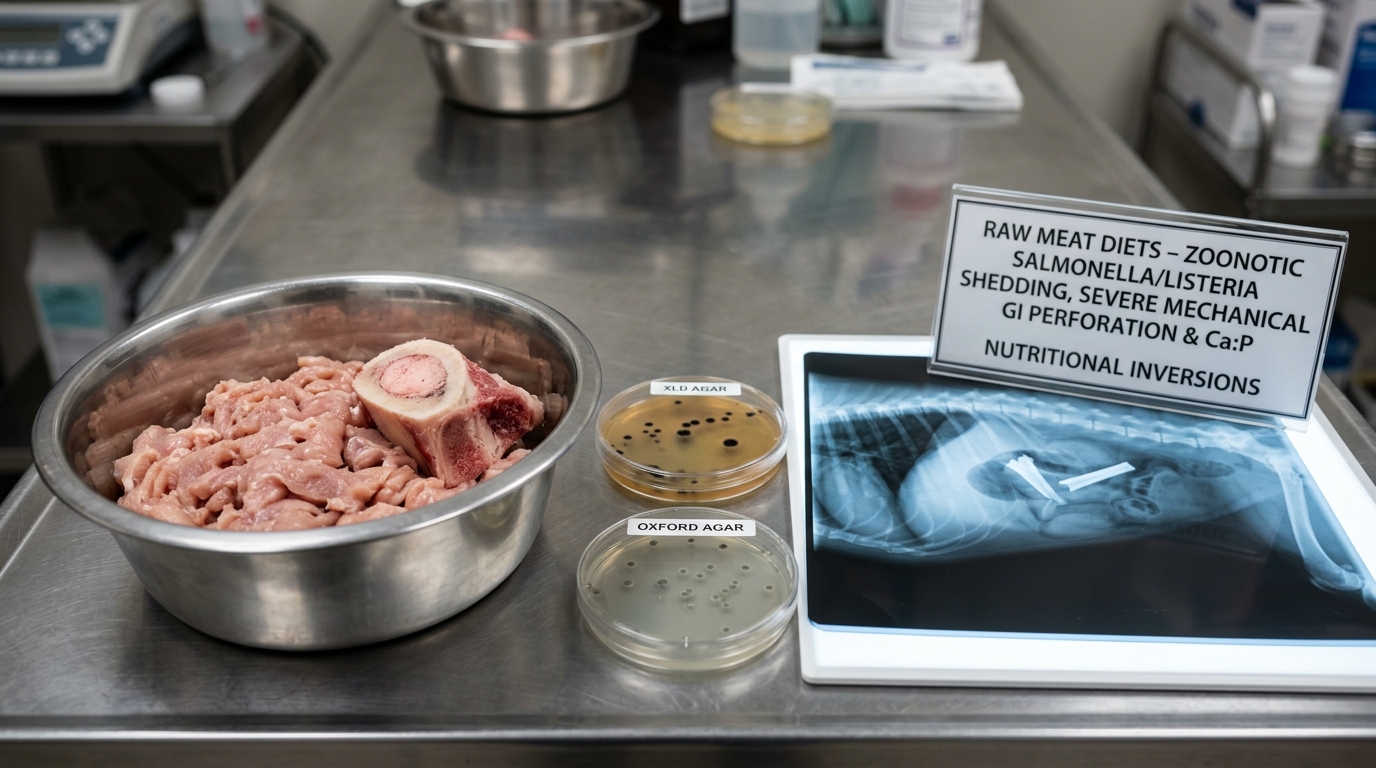
Feeding raw meat-based diets (RMBDs) carries documented veterinary health hazards, including high rates of contamination with zoonotic bacterial pathogens (Salmonella, Listeria monocytogenes, Campylobacter), risk of whole bone gastrointestinal perforation or dental fracture, and severe nutritional imbalances. Multiple major veterinary organizations (AVMA, AAHA, WSAVA) officially advise against feeding raw animal proteins due to public health and pet safety concerns.
Before transitioning a dog or cat to a raw food regimen, pet owners must balance theoretical dietary goals against the household’s actual biosecurity capacity and examine validated, safer nutritional alternatives. The clinical decision matrix and scientific guidelines below evaluate documented pathogen transmission dynamics, formulation vulnerabilities, and essential veterinary safeguards.
Complete the Household Decision Matrix
Before introducing raw meat products into a home, assess each dimension of the clinical risk matrix below. Any unresolved row indicates a point of biological vulnerability that warrants pausing the dietary transition.
| Decision Dimension | Clinical Standard & Necessary Control | Indication to Pause Immediately | Evidence-Based Alternative |
|---|---|---|---|
| Pathogen Containment | Strict cold-chain maintenance (-4°F freezer storage), dedicated non-porous prep areas, and hospital-grade surface sanitization. | Food prep shares standard kitchen counters, cutting boards, sinks, or appliances used for human meals. | Commercially cooked complete diets or premium canned foods with zero raw pathogen handling routes. |
| Vulnerable Occupants | Household screening for infants, young children, pregnant women, elderly adults, and immunosuppressed individuals. | Any immunocompromised person, child under 5, or senior adult resides in or regularly visits the home. | Veterinary-approved cooked diets formulated to eliminate zoonotic foodborne transmission risks. |
| Nutritional Completeness | Complete nutrient profiling matching AAFCO or FEDIAF standards, formulated by a clinical specialist veterinary nutritionist (DACVN). | Homemade recipes relying on arbitrary ingredient rotation, unweighed supplements, or visual meat-to-bone guesswork. | Commercially formulated complete cooked diets or custom computer-balanced recipes certified by a DACVN. |
| Physical Bone Hazards | Veterinary dental oral exam, assessment of chewing style, and avoidance of weight-bearing skeletal bones. | Pet exhibits rapid gulping, resource guarding, cracked teeth, or a clinical history of gastrointestinal obstruction. | Safe enzymatic dental chews, veterinarian-approved rubber chew toys, and professional veterinary cleanings. |
| Emergency Continuity | Documented backup plan for power outages, freezer failure, travel, boarding facility refusal, or caregiver illness. | Absence of an immediately accessible, pre-tested cooked commercial fallback food already tolerated by the pet. | Shelf-stable veterinary therapeutic or commercial extruded diets kept on hand for instant substitution. |
Microbiological Hazards: Pathogen Prevalence and Asymptomatic Shedding
Extensive surveillance studies conducted by the U.S. Food and Drug Administration (FDA) and independent veterinary researchers reveal substantial rates of bacterial contamination in raw pet food products. In multi-year testing programs, approximately 8% to 16% of commercially available raw pet foods tested positive for Salmonella enterica, and up to 16% tested positive for Listeria monocytogenes. Other frequently isolated zoonotic agents include Campylobacter jejuni, pathogenic strains of Escherichia coli, and Clostridium perfringens.
A critical clinical consideration is subclinical shedding. Dogs and cats consuming contaminated raw meats frequently become asymptomatic carriers. The animal’s gastrointestinal tract harbors and amplifies the bacteria without displaying clinical signs of illness. However, these pets actively shed viable, virulent pathogens in their saliva and feces for up to 30 days after ingestion. Routine pet behaviors—such as licking human hands or faces, rubbing against furniture, shedding hair, and stepping in litter boxes or yard grass—disseminate these pathogens throughout domestic living spaces.
Limitations of Common Processing Claims
Commercial marketing often asserts that specific processing methods render raw food clinically verified. It is vital to separate marketing claims from microbial realities:
- Freezing: Standard domestic and commercial freezing (-4°F to 0°F / -20°C to -18°C) suspends bacterial replication but does not sterilize food. Salmonella and Listeria readily survive extended sub-zero freezing and resume active replication as soon as the meat thaws at room temperature.
- Freeze-Drying and Dehydration: Removing moisture arrests bacterial growth but preserves bacterial cell viability. Pathogenic bacteria rehydrate and become infectious upon ingestion or contact with moisture.
- High-Pressure Processing (HPP): While hydrostatic high pressure can significantly reduce vegetative bacterial counts, its efficacy varies depending on moisture content, fat distribution, package integrity, and uniform pressure exposure. Post-processing cross-contamination remains a threat during packaging and retail transit.
- Human-Grade Sourcing: Raw meat graded for human consumption is legally presumed to require thorough cooking before ingestion. Raw poultry and ground meats sold in grocery stores routinely carry baseline levels of Salmonella and Campylobacter that rely entirely on heat lethality (cooking to 165°F / 74°C) for human safety.
Kitchen Biosecurity: Mitigating Cross-Contamination
Attempting to manage raw meat diets safely demands biosecurity protocols comparable to commercial food processing plants. If a household chooses to feed raw foods, every handler must implement strict sanitation workflows:
| Handling Stage | Mandatory Biosecurity Protocol | Common Critical Errors to Avoid |
|---|---|---|
| Receiving & Thawing | Thaw exclusively inside leak-proof sealed containers on the lowest refrigerator shelf. Never thaw on open countertops or in warm water baths. | Allowing thawed meat juices to drip onto lower shelves, produce drawers, or adjacent human food containers. |
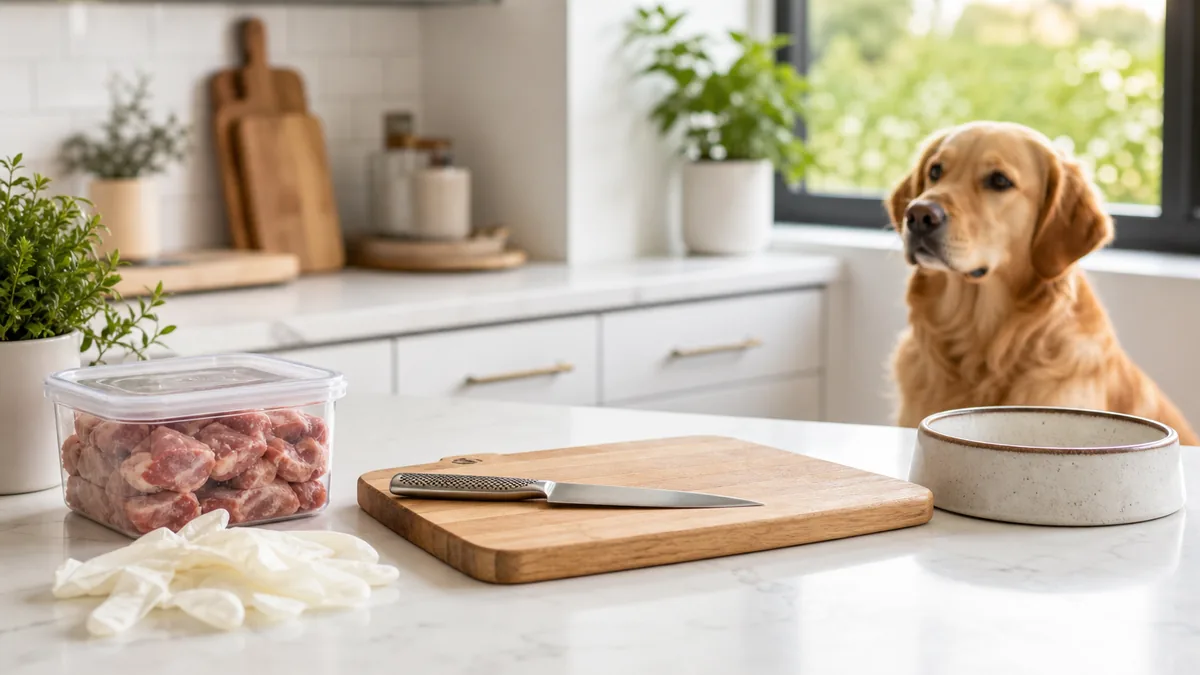
| Food Preparation | Wear single-use nitrile gloves. Use dedicated, color-coded non-porous plastic or stainless steel cutting boards and knives designated solely for pet food. | Using wooden cutting boards, touching faucet handles or refrigerators with soiled gloves, or rinsing raw poultry in sinks (aerosolizing bacteria up to 3 feet). |
| Dishware & Feeding | Serve in smooth, non-porous stainless steel or heavy ceramic bowls. Wash immediately after feeding in water exceeding 140°F (60°C) with antibacterial soap, or sanitize on high-heat dishwasher cycles. | Leaving unconsumed raw meat in bowls for more than 20 minutes, or using scratched plastic bowls that harbor microscopic bacterial biofilms. |
| Surface Sanitization | Clean surfaces with soap and water to remove organic debris, followed by an EPA-registered disinfectant or freshly diluted bleach solution (1 tablespoon bleach per gallon of water) with a 5-minute contact time. | Wiping surfaces with damp kitchen sponges or tea towels, which rapidly transform into mobile bacterial incubators. |
| Hygiene After Feeding | Dispose of nitrile gloves immediately; wash human hands with warm water and soap for at least 20 seconds. Avoid letting the pet lick human faces or open skin for several hours after meals. | Allowing raw-fed dogs or cats to sleep in bed with children or lick infants following raw poultry or beef meals. |
Nutritional Inadequacy and Skeletal Imbalances
Nutritional completeness is fundamentally distinct from microbiological hygiene. Multiple peer-reviewed nutritional audits examining published homemade raw food recipes and commercial raw formulations have found widespread non-compliance with Association of American Feed Control Officials (AAFCO) and European Pet Food Industry Federation (FEDIAF) nutrient minimums.
1. Calcium-to-Phosphorus (Ca:P) Ratio Errors
Uncooked muscle meat contains high levels of phosphorus and virtually negligible concentrations of bioavailable calcium. In natural ecosystems, wild carnivores consume entire carcasses—including skeleton, cartilage, organs, and digestive tracts—to achieve nutritional balance. In domestic diets, attempting to approximate this ratio using whole or ground bone frequently leads to severe imbalances:
- Calcium Deficiency: Feeding boneless raw meat formulations leads to nutritional secondary hyperparathyroidism, severe osteopenia, skeletal demineralization, and spontaneous pathological bone fractures, especially in growing puppies and kittens.
- Calcium Excess in Large-Breed Puppies: Excessive or fluctuating bone meal supplementation causes skeletal over-mineralization, predisposing puppies to developmental orthopedic diseases (DOD) including hypertrophic osteodystrophy, osteochondritis dissecans (OCD), and severe hip dysplasia.
2. Micronutrient Deficiencies and Vitamin Imbalances
Raw formulations often fail to provide necessary micro-minerals and vitamins due to uneven ingredient sourcing and degradation:
- Thiamine (Vitamin B1) Deficiency: Feeding diets containing raw fish species with active thiaminase enzymes destroys dietary vitamin B1, precipitating acute neurological deficits, ventroflexion of the neck, seizures, and death in cats.
- Taurine Depletion: Feline obligate carnivores require dietary taurine to prevent dilated cardiomyopathy (DCM) and central retinal degeneration. Bacterial degradation of free amino acids in improperly stored raw ground meats can rapidly lower bioavailable taurine levels.
- Vitamin D and A Toxicity: Unbalanced inclusion of large quantities of mammalian liver can produce chronic hypervitaminosis A, resulting in painful cervical spondylosis and ankylosing skeletal lesions.
- Trace Mineral Deficiencies: Deficiencies in zinc, copper, manganese, and iodine are standard findings in non-formulated homemade raw recipes, resulting in severe dermatological disease, poor coat pigmentation, and thyroid dysfunction.
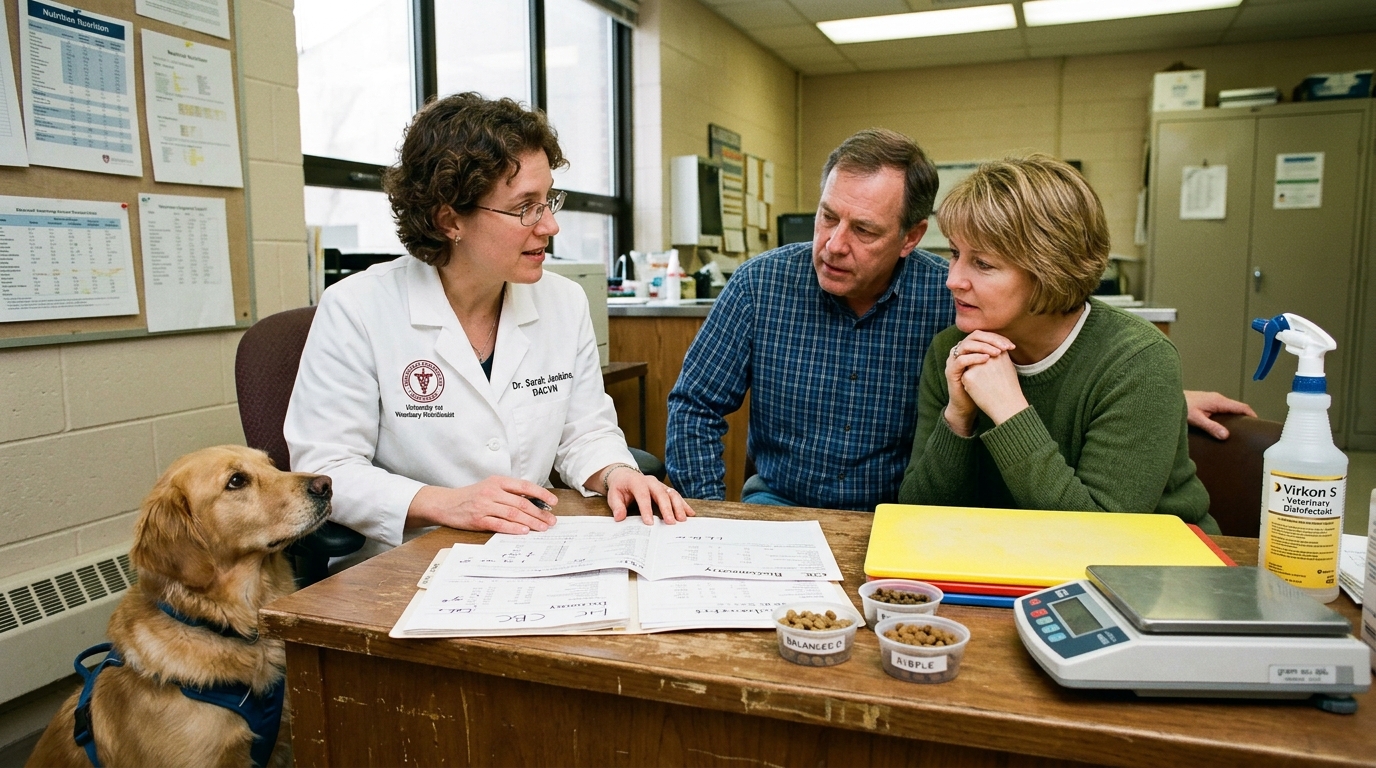
Any pet owner contemplating raw or home-prepared diets must consult a clinical specialist veterinary nutritionist to review custom computer-formulated recipes that guarantee compliance with validated nutrient profiles.
Physical Mechanical Trauma from Raw Bones
Proponents frequently advocate feeding whole raw bones for dental hygiene and mental stimulation. From a veterinary emergency and surgical perspective, whole and recreational bones represent significant mechanical hazards regardless of whether they are cooked or raw:
- Dental Fractures: Chewing on hard weight-bearing bones (such as beef femurs or knuckle bones) exerts tremendous concentrated force, frequently causing slab fractures of the maxillary fourth premolars. These painful injuries expose sensitive pulp canals, requiring surgical extraction or endodontic root canal therapy under general anesthesia.
- Esophageal and Tracheal Obstruction: Sharp or swallowed bone fragments can lodge in the thoracic esophagus or trachea, causing acute respiratory distress, esophageal necrosis, perforation, pneumothorax, and life-threatening mediastinitis.
- Gastric and Intestinal Perforation: Ingested bone fragments that pass the esophagus can lacerate gastric mucosa or obstruct the small intestine. Surgical exploratory laparotomy is required to relieve mechanical blockages and repair intestinal perforations before septic peritonitis develops.
- Severe Constipation and Obstipation: Ground bone fragments form dense, cement-like fecal masses (coproliths) in the colon. Animals strain painfully (tenesmus), frequently requiring manual de-obstipation under general anesthesia.
Vulnerable Household Demographics: Who Must Avoid Raw Pet Food
Public health agencies emphasize that certain human and animal demographics face catastrophic risks from foodborne zoonotic infections. Under no circumstances should raw pet food diets be maintained in environments with:
- Infants and Children Under Age 5: Young children explore environments orally, crawl on household floors where pets shed bacteria, and lack mature immune defenses against systemic salmonellosis.
- Immunocompromised Individuals: Cancer patients undergoing chemotherapy, organ transplant recipients on immunosuppressive medications, and individuals with advanced autoimmune disorders or HIV/AIDS face severe life-threatening bacteremia and sepsis from exposure.
- Pregnant Women: Ingestion or accidental exposure to Listeria monocytogenes can cross the placental barrier, leading to miscarriage, stillbirth, or severe neonatal sepsis.
- Elderly Adults (Age 65+): Decreased stomach acid production and declining immune surveillance render older adults highly susceptible to severe, prolonged foodborne illness and renal complications (such as hemolytic uremic syndrome from E. coli).
- Certified Therapy Animals: Leading therapy animal organizations (including Pet Partners) strictly disqualify any pet fed raw meat products from visiting hospitals, nursing facilities, schools, or hospice centers due to verified public health risks.
Veterinary Escalation Boundary: When to Seek Immediate Medical Care
If your dog or cat develops high fever, bloody diarrhea, repetitive vomiting, severe lethargy, or signs of abdominal pain after consuming raw meat, contact a veterinarian immediately to schedule an urgent diagnostic evaluation. Immediate professional care is critical to stabilize dehydration, administer targeted intravenous fluid therapy, and prevent life-threatening bacteremia or septicemia.
Similarly, if any human household member experiences sudden vomiting, severe watery or bloody diarrhea, abdominal cramping, or persistent high fever following pet feeding or cleanup, seek emergency medical care promptly and inform the treating physician of potential domestic raw pet food exposure.
Clinical Practice Tool: Pet Food Transition Tracker
Monitor stool consistency, gastrointestinal tolerance, and dietary acceptance safely using our clinical Pet Food Transition Tracker. Download and print your copy of the Pet Food Transition Tracker, or explore all practical pet care guides in the NewsPet Resource Center.
Frequently Asked Questions
What clinical risks are associated with feeding raw meat diets to pets?
Raw diets present high rates of bacterial contamination with Salmonella, Listeria, and E. coli, risk of fractured teeth or bowel perforation from bone fragments, and severe nutritional imbalances in calcium and phosphorus ratios.
Can household family members contract bacterial infections from raw pet food?
Yes. Pets consuming raw diets shed viable Salmonella and Listeria in their saliva and feces for days, posing significant zoonotic transmission risks to young children, elderly adults, and immunocompromised family members.
How do veterinary nutritionists formulate safe alternative diets for pets?
Veterinary nutritionists (DACVN) recommend commercial diets formulated to meet AAFCO nutritional profiles through controlled cooking, or design personalized cooked recipes using lab-verified vitamin-mineral premixes.
Sources
Sources checked: September 8, 2026.
- CDC: Pet Food Safety and Zoonotic Disease Prevention
- FDA Center for Veterinary Medicine: Raw Pet Food Diets – What Pet Owners Need to Know
- AVMA: Policy on Raw or Undercooked Animal-Source Protein in Cat and Dog Diets
- WSAVA: Global Nutrition Committee Guidelines for Companion Animals
- Tufts Clinical Nutrition Service (Petfoodology): Raw Diets – A Healthy Choice or a Raw Deal?
Emergency Triage Matrix: Clinical Presentation & Required Response
| Triage Level | Clinical Signs & Presentation | Immediate Action Protocol |
|---|---|---|
| Tier 1: Immediate Emergency (0–2 Hours) | Septic shock, severe acute hemorrhagic gastroenteritis, collapse, acute respiratory distress, or choking/inability to swallow following ingestion of raw bones or meat. | Immediate emergency veterinary transport; aggressive intravenous fluid resuscitation, surgical intervention for esophageal/gastrointestinal perforation, and broad-spectrum antimicrobial therapy. |
| Tier 2: Urgent Veterinary Care (Same-Day) | Persistent profuse diarrhea, fever, lethargy, tenesmus, or hematochezia in an animal consuming raw meat diets; painful mastication indicating dental fracture. | Urgent veterinary clinical evaluation; fecal PCR pathogen panel, abdominal radiography, and individualized fluid therapy. |
| Tier 3: Home Monitoring & Scheduled Care | Asymptomatic pet currently consuming raw diets in a household without high-risk human individuals (infants, elderly, or immunocompromised persons). | Transition to a certified pathogen-free complete commercial diet, practice rigorous surface disinfection, and schedule a board-certified veterinary nutritionist consultation. |
Rule S1 Boundaries & Raw Meat Hazard Warnings
Managing raw pet food requires strict adherence to evidence-based safety boundaries:
- NEVER feed raw diets in households with vulnerable individuals: Infants, elderly adults, pregnant individuals, and immunocompromised persons are at severe risk of life-threatening zoonotic salmonellosis and listeriosis transmitted via pet saliva and feces.
- NEVER feed cooked bones of any type: Cooking alters bone collagen matrix, causing brittle splintering into sharp shards that penetrate the esophagus, stomach, or intestinal walls.
- NEVER assume commercial freezing eliminates bacterial contamination: Standard freezing temperatures preserve bacterial viability; Salmonella, Listeria, and spore-forming pathogens survive freezing and resume rapid replication upon thawing.
- NEVER feed unbalanced homemade raw formulations to growing puppies or kittens: Calcium-to-phosphorus ratios in unsupplemented muscle meat trigger acute nutritional secondary hyperparathyroidism, skeletal deformities, and pathological fractures.
Caregiver Raw Diet Safety & Hygiene Checklist
- Consult a board-certified veterinary nutritionist (ACVN/ECVCN) before formulating or feeding non-standard diets.
- Maintain dedicated non-porous stainless steel prep surfaces, cutting boards, and feeding bowls; never wash pet bowls in kitchen food sinks.
- Sanitize all feeding stations and preparation areas using an EPA-registered hospital disinfectant after every feeding.
- Wear protective gloves during preparation and practice rigorous handwashing with warm soap and water for at least 20 seconds.
- Promptly dispose of uneaten food portions within 15 minutes to prevent room-temperature bacterial proliferation.
Related Clinical Guides & Tools
Peer-Reviewed Clinical References & Evidence Grounding
- PMID: 33653538: The Gut Microbiome of Dogs and Cats, and the Influence of Diet (Vet Clin North Am Small Anim Pract, 2021) (opens in new tab)
- PMID: 38133298: Coxiella burnetii Infection in Cats (Pathogens, 2023) (opens in new tab)
- PMID: 30050838: Canine neosporosis: perspectives on pathogenesis and management (Vet Med (Auckl), 2016) (opens in new tab)
- Merck Veterinary Manual — Small Animal Clinical Medicine & Emergency Reference (opens in new tab)
Printable tools
Download the matching worksheet
Source transparency
Reference mix for this guide
Source labels describe the type of organization behind each reference; they are not a claim that any outside organization reviewed this article.
- CDC: Pet Food Safety and Zoonotic Disease Prevention Government or public agency · cdc.gov
- FDA Center for Veterinary Medicine: Raw Pet Food Diets – What Pet Owners Need to Know Government or public agency · fda.gov
- AVMA: Policy on Raw or Undercooked Animal-Source Protein in Cat and Dog Diets Veterinary organization · avma.org
- WSAVA: Global Nutrition Committee Guidelines for Companion Animals Veterinary organization · wsava.org
- Tufts Clinical Nutrition Service (Petfoodology): Raw Diets – A Healthy Choice or a Raw Deal? Academic or extension · sites.tufts.edu
- Separation Anxiety in Dogs: What to Do First (Calm Reference source · newspet.net
- Cat Litter Box Problems: Causes & Solutions (V Reference source · newspet.net
- Foods Dogs & Cats Cannot Eat: Toxic List & Reference source · newspet.net