
This guide is general education for pet owners. If your pet has urgent symptoms, possible poisoning, injury, breathing trouble, collapse, severe pain, or sudden decline, contact a licensed veterinarian or local emergency service.
Editorial standard
How this guide was prepared
A number on a bathroom scale provides an incomplete and often deceptive assessment of a pet’s true physical health. Body weight measures total mass—combining skeleton, visceral organs, hydration status, skeletal muscle, and adipose tissue—without revealing whether an animal is dangerously under-muscled, dehydrated, or carrying excess pro-inflammatory body fat.
Clinical Quick Answer & Immediate Actions
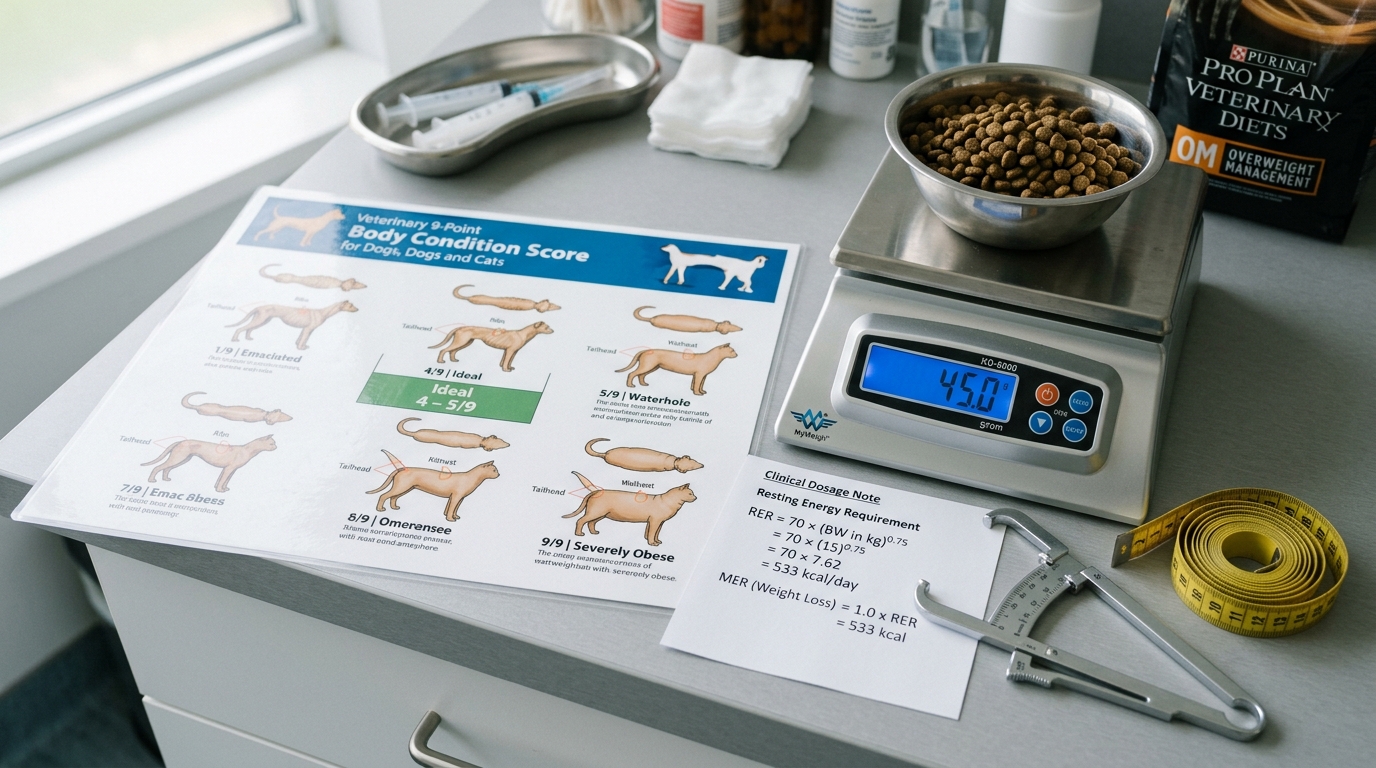
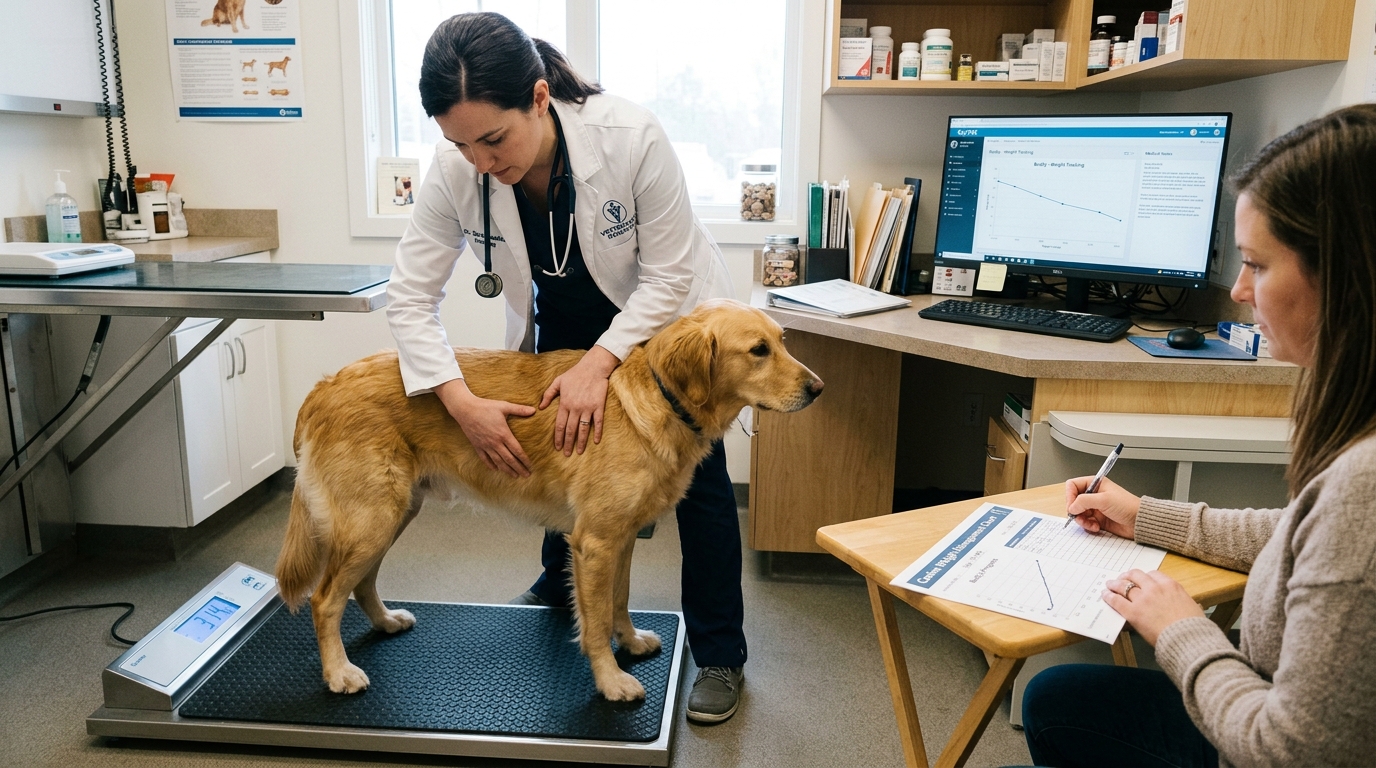
Assessing a pet’s true body composition requires hands-on physical palpation using the validated 9-point Body Condition Score (BCS) system rather than relying exclusively on scale weight. An ideal BCS is 4/9 to 5/9, where ribs are easily palpable under a slight fat covering, an evident waistline is visible behind the ribs from above, and an abdominal tuck is noticeable from the side. Adipose tissue is a pro-inflammatory endocrine organ; maintaining an ideal BCS increases canine lifespan by up to 15 percent (nearly two full years).
Modern veterinary clinical medicine utilizes the validated 9-point Body Condition Score (BCS) alongside the Muscle Condition Score (MCS) to objectively evaluate canine and feline nutritional status. Contact a veterinarian immediately if a pet experiences rapid unexplained weight loss, sudden abdominal distension, severe lethargy, or complete anorexia for more than 24 hours. Seek prompt veterinary advice before initiating any calorie restriction program, particularly in overweight felines at risk for fatal hepatic lipidosis.
The WSAVA 9-Point Body Condition Score (BCS) Master Matrix
Unlike human Body Mass Index (BMI), which relies strictly on height and weight equations, the veterinary BCS system evaluates actual physical anatomy through visual silhouettes and manual palpation.
| BCS Score | Clinical Classification | Visual Characteristics | Palpation Findings (Hands-On Feel) | Estimated Body Fat % |
|---|---|---|---|---|
| 1 / 9 | Emaciated | Ribs, lumbar spine, and pelvic bones prominently visible from distance; severe loss of muscle mass; zero body fat. | No palpable fat over bony prominences; skin rests directly against bone. | < 5% |
| 2 / 9 | Very Thin | Ribs and spine easily visible; exaggerated abdominal tuck; pronounced hourglass waistline. | Minimal palpable fat; individual ribs feel sharp and unpadded. | 5% – 9% |
| 3 / 9 | Thin | Ribs easily visible; lumbar vertebrae tops evident; obvious waist and abdominal tuck. | Slight fat cover over ribs; bony projections easily felt with feather-light touch. | 10% – 14% |
| 4 / 9 | Under ideal (Lean) | Ribs easily palpable and may be slightly visible; clear waistline from above; distinct abdominal tuck. | Thin layer of subcutaneous fat; ribs cleanly felt without pressing. | 15% – 19% |
| 5 / 9 | Ideal Body Condition | Ribs not visible but easily felt; clear hourglass waist behind ribs; well-proportioned abdominal tuck. | Slight fat covering over ribs offering smooth contours; flat hand feels ribs effortlessly. | 20% – 24% |
| 6 / 9 | Overweight | Ribs palpable with slight pressure; waist visible from above but not prominent; abdominal tuck apparent but reduced. | Noticeable layer of fat over ribs; slight fat deposits at tail base and neck. | 25% – 29% |
| 7 / 9 | Heavy / Overweight | Ribs difficult to palpate; waist absent or indistinct; abdominal tuck shallow or absent. | Moderate fat layer over ribs; obvious rounded fat pads along lumbar spine and base of tail. | 30% – 34% |
| 8 / 9 | Obese | Ribs extremely difficult to palpate under thick fat blanket; waist absent; abdomen distended outward. | Thick fat deposits along back, neck, and limbs; belly rolls visibly during walking. | 35% – 39% |
| 9 / 9 | Severely Obese | Ribs cannot be felt even with firm pressure; massive fat deposits on thorax, spine, neck, and limbs; abdomen distended. | Extensive subcutaneous fat padding; severe biomechanical restriction of movement. | ≥ 40% |
Feline vs. Canine Nuances: The Primordial Pouch and Hepatic Lipidosis
While the basic anatomical landmarks of ribs, waist, and abdominal tuck apply to both species, evaluating cats requires specific biological understanding.
1. The Feline Primordial Pouch
Many cat guardians confuse the primordial pouch with obesity. The primordial pouch is a normal, evolutionary anatomical structure consisting of loose skin and a small layer of subcutaneous fat located on the ventral abdomen between the rear legs. Present in all wild felines (lions, tigers) and domestic cats regardless of weight, it serves three critical biological purposes:
- Protection: Shields vulnerable abdominal organs from violent hind-leg “bunny kicks” during territorial fights.
- Flexibility: Allows the cat’s spine to extend fully during high-speed running, twisting, and jumping.
- Food Storage: Permitted evolutionary ancestors to gorge on large opportunistic meals in the wild.
To distinguish an ideal-weight cat with a primordial pouch from an obese cat, look at the ribs and waist. If the ribs are easily felt and an hourglass waist is visible from above, a swinging flap of loose skin is simply a benign primordial pouch, not visceral obesity.
2. The Fatal Danger of Feline Hepatic Lipidosis (Fatty Liver Disease)
In dogs and humans, severe calorie restriction causes steady weight loss. In felines, rapid calorie deprivation is an acute medical emergency. When an overweight or obese cat stops eating—whether due to an abrupt crash diet, dental pain, pancreatitis, or stress—their unique feline metabolism mobilizes massive quantities of peripheral triglycerides to the liver for fuel processing.
However, the feline liver lacks the enzymatic capacity to metabolize high volumes of mobilized fat, causing triglycerides to accumulate within hepatocytes. This induces acute hepatic lipidosis, severe intrahepatic cholestasis, icterus (jaundice), hepatic failure, and death unless aggressive enteral tube feeding (esophagostomy tube) is initiated in an intensive care facility. Never put a cat on a crash diet or allow an overweight cat to fast for more than 24 hours.
Muscle Condition Scoring (MCS): Identifying Sarcopenia and Cachexia
Body Condition Scoring (BCS) measures fat; Muscle Condition Scoring (MCS) measures lean protein mass. A pet can have a BCS of 8/9 (severely obese) and simultaneously possess a severe Muscle Condition Score, a life-threatening clinical phenomenon termed sarcopenic obesity common in geriatric animals and chronic disease states.
| MCS Classification | Anatomical Findings on Palpation | Clinical Significance & Underlying Causes |
|---|---|---|
| Normal Muscle Mass | Temporal muscles over skull are rounded and firm; spine and scapulae have smooth, well-padded muscle transitions; pelvic bones well-covered. | Healthy neuromuscular function; adequate dietary protein and amino acid assimilation. |
| Mild Muscle Wasting | Slight flattening of temporal muscles on skull; spine ridges slightly more distinct under fingers; subtle hollowing over shoulder blades. | Early sarcopenia of aging, mild subclinical chronic illness, or suboptimal dietary protein intake. |
| Moderate Muscle Wasting | Obvious depression between eyes and ears; scapular spines protrude prominently; dorsal vertebrae ridges sharp and easily felt; pelvic wings distinct. | Chronic Kidney Disease (CKD), Congestive Heart Failure (CHF), advanced degenerative osteoarthritis, or protein-losing enteropathy. |
| Severe Muscle Wasting | Extreme hollowing of skull temples; spine feels like a serrated saw blade with zero muscle padding; pelvis bones completely bare under skin. | End-stage systemic cachexia, neoplasia, severe malnutrition, or advanced metabolic disease requiring immediate veterinary palliative intervention. |
The Pathology of Adiposity: Why Overweight Pets Live Shorter Lives
Historically, body fat was regarded as inert storage tissue. Modern endocrinology has revealed that white adipose tissue is a highly active, pathogenic endocrine organ. Adipocytes continuously secrete pro-inflammatory cytokines, chemokines, and hormones termed adipokines (including Tumor Necrosis Factor-alpha, Interleukin-6, and leptin).
In overweight pets, this causes a chronic state of low-grade, systemic sterile inflammation that accelerates organ degeneration and provokes multiple clinical diseases:
- Severe Degenerative Osteoarthritis: Excess biomechanical load physically destroys articular cartilage, while circulating inflammatory adipokines accelerate joint capsule degradation. Overweight dogs suffer cranial cruciate ligament (CCL) ruptures at 4 times the rate of lean dogs.
- Feline Type 2 Diabetes Mellitus: Adiposity induces profound peripheral insulin resistance in cats. An obese cat (BCS ≥ 8) has a 400% higher lifetime risk of developing clinical diabetes requiring lifelong twice-daily insulin injections.
- Respiratory Dysfunction & Tracheal Collapse: Thoracic and pharyngeal fat deposits compress airways, dramatically increasing the risk of respiratory arrest in brachycephalic breeds (Pugs, French Bulldogs) and triggering coughing crises in dogs with collapsing trachea.
- Shortened Lifespan: A landmark 14-year lifetime study conducted on Labrador retrievers demonstrated that dogs maintained at an ideal body condition (BCS 4–5) lived a median of 1.8 years longer (nearly 15% of their total lifespan) and experienced significantly delayed onset of chronic disease compared to paired littermates fed just 25% more calories.
The Step-by-Step Weight Optimization Protocol
To safely guide an overweight dog or cat toward their ideal body condition, adhere to this clinical nutritional framework:
Step 1: Calculate Resting Energy Requirement (RER)
Veterinarians calculate the basal calories needed for basic physiological functions using the scientific allometric formula:
RER (kcal/day) = 70 × (Target Body Weight in kg)0.75
For an overweight dog whose target healthy weight is 20 kg: RER = 70 × (20)0.75 ≈ 662 kcal/day. Caloric targets are calibrated against target body weight, never current obese weight.
Step 2: Transition to a Therapeutic Metabolic Diet
Simply reducing the portion of a standard over-the-counter pet food by 30% to 50% is clinically dangerous. Standard maintenance diets are balanced for normal portions; cutting rations drastically induces severe micro-nutrient, vitamin, and essential amino acid deficiencies. Also, standard kibbles lack adequate fiber, leaving the animal in a constant state of vocal, anxious hunger.
Therapeutic veterinary weight-loss diets (such as Royal Canin Satiety, Hill’s Prescription Diet Metabolic, or Purina Pro Plan OM) provide high protein-to-calorie ratios to preserve lean muscle, specialized soluble and insoluble fiber blends to expand in the stomach and induce satiety, and L-carnitine to facilitate hepatic fatty acid oxidation.
Step 3: Weigh Food on a Digital Gram Scale
Measuring kibble with plastic kitchen cups is notoriously inaccurate; depending on whether the cup is leveled, heaping, or packed, calorie counts fluctuate by up to 25%. Place your pet’s bowl directly onto an inexpensive digital kitchen gram scale, tare to zero, and weigh the exact grams specified in your veterinary nutritional plan.
Step 4: Regulate Safe Weight Loss Velocities
Losing weight too rapidly leads to severe muscle catabolism and, in felines, fatal hepatic lipidosis. Target safe weekly loss rates:
- Dogs: 1% to 2% of total body weight per week (e.g., 0.3 to 0.6 kg per week for a 30 kg dog).
- Cats: 0.5% to 1.5% of total body weight per week (e.g., 25 to 75 grams per week for a 5 kg cat).
When to Contact a Vet for Weight Changes
Contact a veterinarian immediately if a pet experiences rapid unexplained weight loss, sudden abdominal distension, severe lethargy, or complete anorexia for more than 24 hours. Sudden fluid retention (ascites from congestive heart failure, liver failure, or abdominal tumors) can mask massive muscle wasting while causing the scale weight to increase paradoxically.
Seek prompt veterinary advice before initiating any calorie restriction program, particularly in overweight felines at risk for fatal hepatic lipidosis. In older pets, progressive weight loss despite a ravenous appetite is a classic clinical indicator of feline hyperthyroidism, diabetes mellitus, or canine Cushing’s disease, requiring immediate serum biochemistry and endocrine diagnostics.
For managing training treats during a weight-loss protocol, review our guide on calculating dog treat calories without crowding out meals, and explore our clinical framework on evaluating senior dog quality of life and mobility.
Clinical Practice Tool: Monthly Pet Budget Planner
Track body condition scores alongside nutrition expenses and portion adjustments using our printable Monthly Pet Budget Planner. Download and print your copy of the Monthly Pet Budget Planner, or explore all practical pet care guides in the NewsPet Resource Center.
Frequently Asked Questions
What does an ideal Body Condition Score (BCS 4-5 out of 9) look like on a dog or cat?
Ribs are easily palpable with minimal fat covering, a clear waistline is visible behind the ribcage when viewed from above, and an upward abdominal tuck is apparent from the side profile.
What medical diseases are exacerbated by excess adipose tissue in companion animals?
Obesity promotes chronic systemic inflammation, exacerbates osteoarthritis pain, triggers feline type 2 diabetes mellitus, worsens tracheal collapse and airway disease, and shortens overall canine lifespan by up to two years.
How much weight can a cat safely lose per week during a managed diet?
Safe feline weight loss is restricted to 0.5 to 1.5 percent of total body weight per week. Faster weight reduction risks mobilizing peripheral fat stores into the liver, triggering fatal hepatic lipidosis.
Sources
Sources checked: September 8, 2026.
- World Small Animal Veterinary Association (WSAVA): Global Nutrition Guidelines and Body Condition Score Systems
- American Animal Hospital Association (AAHA): 2021 Nutrition and Weight Management Guidelines
- Pet Nutrition Alliance: Clinical Calorie Calculators and Nutritional Resources
- Cornell Feline Health Center: Pathophysiology and Nutritional Management of Feline Hepatic Lipidosis
- Association for Pet Obesity Prevention (APOP): Clinical Pet Obesity Research and Longevity Studies
Emergency Triage Matrix: Clinical Presentation & Required Response
| Triage Level | Clinical Signs & Presentation | Immediate Action Protocol |
|---|---|---|
| Tier 1: Immediate Emergency (0–2 Hours) | Severe cachexia (BCS 1/9) with collapse, hypothermia, pale mucous membranes; or severely obese pet (BCS 9/9) exhibiting cyanosis and acute respiratory distress in modest heat. | Immediate emergency hospital stabilization; oxygen therapy, slow refeeding syndrome avoidance protocols, active cooling if hyperthermic, and cardiac/respiratory monitoring. |
| Tier 2: Urgent Veterinary Care (Same-Day) | Rapid unexplained weight loss or muscle wasting (MCS loss) despite normal or increased appetite; or newly diagnosed obesity with concurrent polyuria/polydipsia or joint pain. | Urgent veterinary clinical evaluation; diagnostic screening for feline diabetes, hyperthyroidism, hyperadrenocorticism (Cushing’s), or chronic kidney disease. |
| Tier 3: Home Monitoring & Scheduled Care | Stable overweight status (BCS 6/9 to 7/9) in an otherwise energetic pet with normal activity levels and normal vital parameters. | Schedule a veterinary nutritional consult, formulate a structured calorie-restricted diet plan, establish weigh-ins every two weeks, and implement gradual exercise progression. |
Rule S1 Boundaries & Weight Management Cautions
Safe body weight optimization must adhere to strict physiological boundaries:
- NEVER subject an overweight cat to rapid fasting or starvation: Severe caloric deprivation in felines mobilizes massive peripheral fat stores to the liver, precipitating acute hepatic lipidosis (fatty liver disease) and liver failure within 48 to 72 hours.
- NEVER simply reduce standard adult maintenance food portions by more than 20 percent: Drastically cutting standard maintenance kibble portions starves the pet of essential vitamins, minerals, and amino acids; transition instead to a high-fiber, high-protein veterinary therapeutic weight-loss diet.
- NEVER initiate strenuous running, jumping, or ball-retrieval in obese pets: Excessive mechanical load on unconditioned joints causes cranial cruciate ligament rupture, spinal disc herniation, and exacerbation of severe osteoarthritis.
- NEVER evaluate weight loss without simultaneous Muscle Condition Scoring (MCS): Unmonitored weight loss that burns lean muscle mass while sparing fat tissue causes sarcopenia, metabolic rate collapse, and early physical frailty.
Caregiver BCS Palpation & Monitoring Checklist
- Perform the rib palpation test: ribs should feel like the knuckles of your fingers when your hand is placed flat on a table (not protruding like a clenched fist, nor buried like the palm).
- View the pet from directly above to verify an hourglass waistline inward contour behind the ribcage.
- View the pet from the side at eye level to confirm an upward abdominal tuck toward the pelvic limbs.
- Palpate along the temporal bones, scapulae, and spine to assess Muscle Condition Score (MCS) and detect early muscle wasting.
- Log body weight and body condition scores bi-weekly at the veterinary clinic using calibrated scales, targeting a safe loss rate of 1 to 2 percent body weight per week.
Related Clinical Guides & Tools
Peer-Reviewed Clinical References & Evidence Grounding
- PMID: 33653534: Canine and Feline Obesity Management (Vet Clin North Am Small Anim Pract, 2021) (opens in new tab)
- PMID: 27364967: Nutritional Assessment (Vet Clin North Am Small Anim Pract, 2016) (opens in new tab)
- PMID: 19746348: Feline obesity: clinical recognition and management (Compend Contin Educ Vet, 2009) (opens in new tab)
- Cornell Feline Health Center — Veterinary Clinical & Diagnostic Resources (opens in new tab)
WSAVA 10% Treat Calorie Allowance Calculator
Calculate your pet's daily Resting Energy Requirement (RER) and maximum recommended 10% treat calorie budget based on WSAVA clinical nutrition consensus.
Printable tools
Download the matching worksheet
Source transparency
Reference mix for this guide
Source labels describe the type of organization behind each reference; they are not a claim that any outside organization reviewed this article.
- World Small Animal Veterinary Association (WSAVA): Global Nutrition Guidelines and Body Condition Score Systems Veterinary organization · wsava.org
- American Animal Hospital Association (AAHA): 2021 Nutrition and Weight Management Guidelines Veterinary organization · aaha.org
- Pet Nutrition Alliance: Clinical Calorie Calculators and Nutritional Resources Reference source · petnutritionalliance.org
- Cornell Feline Health Center: Pathophysiology and Nutritional Management of Feline Hepatic Lipidosis Academic or extension · vet.cornell.edu
- Association for Pet Obesity Prevention (APOP): Clinical Pet Obesity Research and Longevity Studies Reference source · petobesityprevention.org
- Separation Anxiety in Dogs: What to Do First (Calm Reference source · newspet.net
- Cat Litter Box Problems: Causes & Solutions (V Reference source · newspet.net
- Foods Dogs & Cats Cannot Eat: Toxic List & Reference source · newspet.net