This guide is general education for pet owners. If your pet has urgent symptoms, possible poisoning, injury, breathing trouble, collapse, severe pain, or sudden decline, contact a licensed veterinarian or local emergency service.
Dosages must be calculated by a licensed veterinarian based on species, weight, and bloodwork. Never administer human medications or self-adjust prescription doses for pets.
Editorial standard
How this guide was prepared
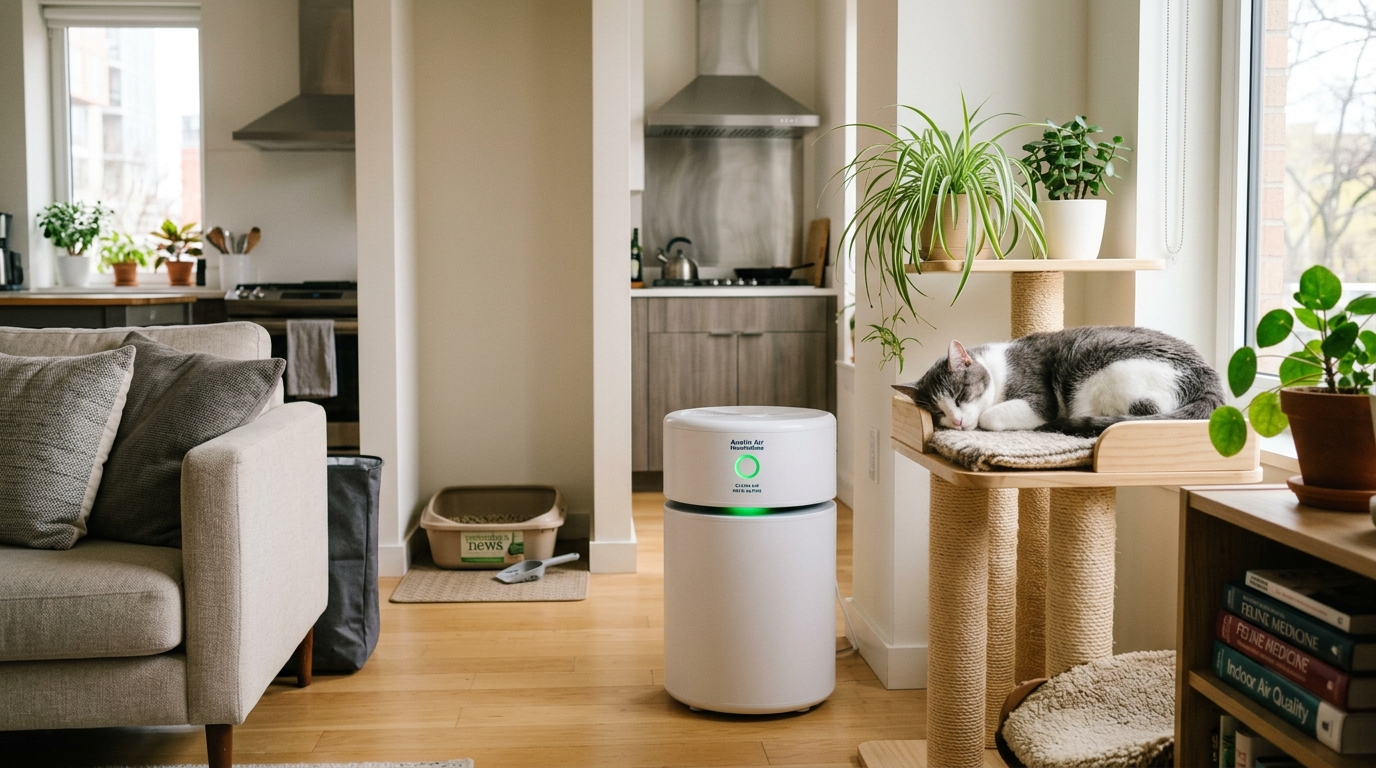
In modern urban apartment buildings, tightly sealed energy-efficient windows, shared ventilation shafts, and compact square footage combine to trap airborne contaminants indoors. While humans frequently overlook subtle indoor atmospheric changes, companion animals spend nearly twenty-four hours a day breathing the enclosed apartment air. Dogs and cats have substantially higher metabolic rates and minute ventilation per pound of body weight than adult humans. Also, because companion pets spend their lives close to the floor, they reside directly in the physical settling zone where dense airborne particulates, chemical residues, and volatile organic compounds (VOCs) reach their highest concentrations.
Clinical Quick Answer & Immediate Actions
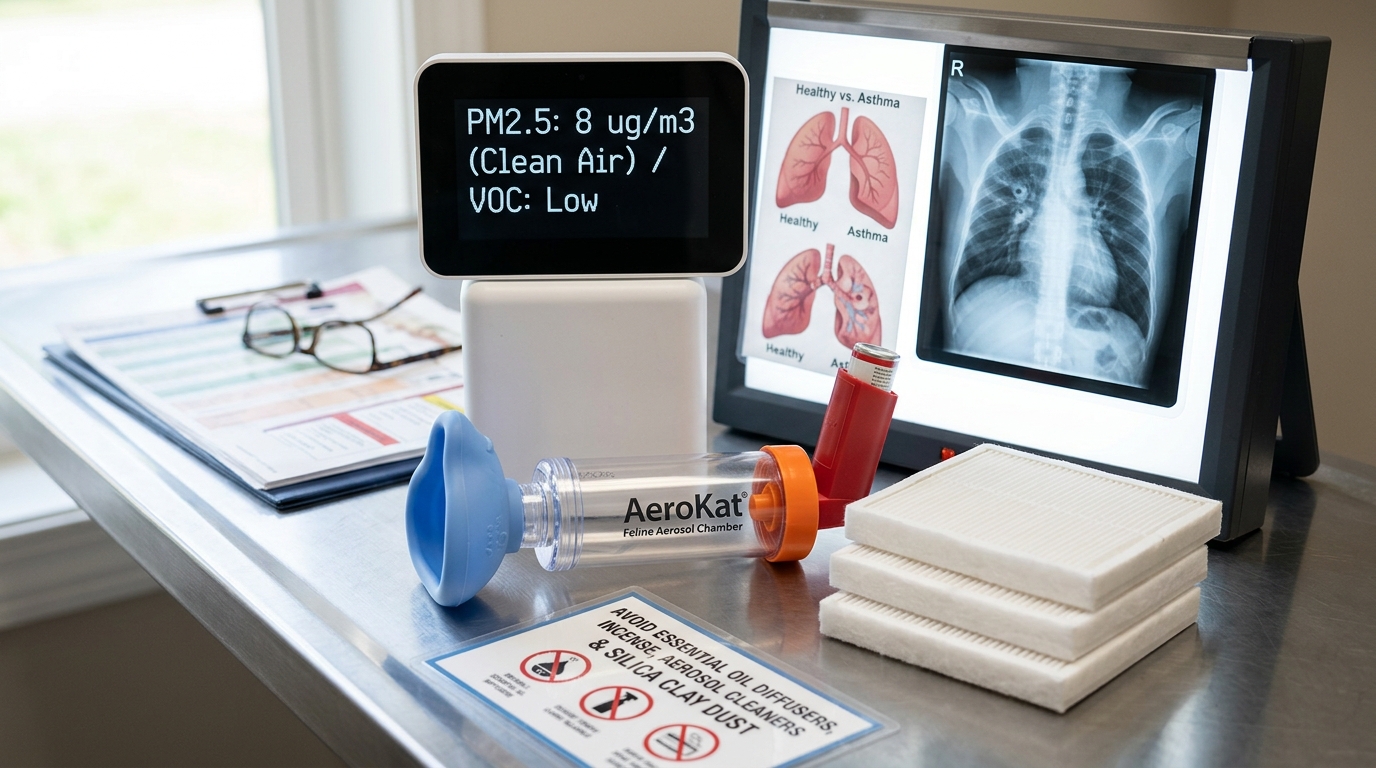
In modern, energy-efficient apartments with minimal fresh air turnover, indoor air pollutants accumulate to concentrations significantly higher than outdoor air. Dogs and cats have resting respiratory rates two to three times faster than humans and reside closer to the floor where dense aerosol droplets, heavy particulates, and chemical residues settle. Volatile organic compounds (VOCs) from cleaning sprays, scented candles, essential oil diffusers, and overheated non-stick cookware (PTFE/Teflon) trigger acute bronchospasm, chronic bronchitis, and feline asthma.
From non-stick cookware fumes and essential oil diffusers to dusty clay cat litters and aerosol cleaning products, everyday household conveniences can inflict severe inflammatory damage on delicate companion animal respiratory pathways. Understanding how indoor air quality impacts pulmonary health allows apartment pet parents to eliminate environmental respiratory hazards before chronic airway remodeling or acute suffocating crises develop.
The Anatomical Vulnerability of Small Companion Animals
The respiratory physiology of dogs and cats makes them exceptionally sensitive sentinels for airborne toxins:
- Ground-Level Particulate Concentration: Heavy aerosol droplets, chemical residues from floor cleaners, and settling dust mites concentrate in the lowest twelve inches above the floor—precisely where dogs and cats walk, sleep, and breathe.
- Grooming Ingestion of Airborne Fallout: Cats and dogs continuously groom their coats. Microscopic aerosolized chemical particles and toxic soot particles that settle on their fur are ingested directly during normal grooming, turning airborne hazards into systemic gastrointestinal and hepatic toxicities.
- Hyper-Reactive Feline Airways: Feline bronchial smooth muscle exhibits marked hyper-reactivity to aeroallergens. Inhaling microscopic clay silica dust or aerosol fragrance triggers immediate mast cell degranulation, eosinophilic airway infiltration, and acute bronchoconstriction. Review our feline asthma vs hairballs guide.
The Top 5 Household Airborne Toxins for Pets
Be aware of these prevalent household hazards and their clinical mechanisms:
| Indoor Air Hazard | Common Source | Veterinary Clinical Impact & Severity |
|---|---|---|
| PTFE / Teflon Pyrolysis Fumes | Overheated non-stick frying pans, self-cleaning ovens, air fryers. | Extreme lethality in birds; causes acute pulmonary hemorrhage, severe pulmonary edema, and sudden respiratory collapse in dogs and cats. |
| Essential Oils & Diffusers | Ultrasonic diffusers, reed diffusers, scented wax warmers (tea tree, pine, citrus). | Microscopic droplets settle on airways causing acute chemical pneumonitis, bronchospasm, liver failure, and neurological tremors. |
| Scented Clay Cat Litters | Sodium bentonite litters with synthetic perfumes and silica dust. | Crystalline silica dust creates chronic airway micro-abrasions, triggering chronic bronchitis, feline asthma, and secondary bacterial infections. |
| Aerosol Sprays & Cleaning VOCs | Room sprays, hairspray, bleach sprays, ammonia, synthetic plug-in fresheners. | Potent mucous membrane irritants; damages delicate ciliated respiratory epithelium, causing paroxysmal coughing fits and conjunctivitis. |
| Scented Candles & Incense | Paraffin wax candles, incense sticks, synthetic room fragrance. | Produces fine carbon soot particulates (PM2.5) that penetrate deep into pulmonary alveoli, causing irreversible lung fibrosis. |
The 4-Pillar Clean Air Action Plan for Apartments
Transform your high-rise living space into a respiratory sanctuary with these targeted interventions:
- Deploy Medical-Grade True HEPA Filtration: Place a true HEPA air purifier (rated to capture 99.97% of particles down to 0.3 microns) in your pet’s primary sleeping area. Ensure the purifier includes an activated carbon bed to adsorb toxic VOCs and cooking odors. Avoid ozone generators or ionizers, which produce lung-damaging ozone gas.
- Transition to 99% Dust-Free Unscented Litters: For feline households, switch immediately to unscented, natural paper, wood pellet, or tofu litters. Pour fresh litter slowly from low height to prevent airborne dust clouds. Review our indoor cat preventative wellness guide.
- Implement Safe Culinary Protocols: Never preheat empty non-stick cookware on high heat. Always run powerful range hood exhaust fans venting outdoors when cooking with oils or high temperatures. Keep companion pets out of the kitchen during meal preparation.
- Monitor Baseline Sleeping Respiratory Rates: A pet’s sleeping respiratory rate is the most sensitive early clinical indicator of pulmonary inflammation. Count your pet’s chest rises while they sleep peacefully; a normal rate is consistently under 30 breaths per minute. Track this metric with our sleeping respiratory rate guide.
When to Contact a Veterinarian Immediately
Acute airway irritation can rapidly progress to life-threatening respiratory failure. Transport your pet to the nearest veterinary emergency hospital immediately if you notice open-mouth breathing in a cat, constant rapid shallow breaths (>40 breaths per minute at rest), bluish, purple, or brick-red gums, extended neck with flared nostrils, wheezing, violent hacking, or physical collapse. Call the emergency team en route so they can immediately prepare an oxygen induction chamber prior to your arrival.
Clinical Practice Tool: Daily Pet Care Routine Tracker
Establish air filter replacement and domestic ventilation schedules with our printable Daily Pet Care Routine Tracker. Download and print your copy of the Daily Pet Care Routine Tracker, or explore all practical pet care guides in the NewsPet Resource Center.
Frequently Asked Questions
What common indoor apartment air pollutants trigger feline asthma and canine bronchitis?
Cooking oil fumes, scented candles, aerosol cleaning sprays, air fresheners, essential oil diffusers, cigarette or vape smoke, and dusty clay cat litters irritate sensitive respiratory airways.
What air filtration system is recommended for homes with asthmatic pets?
A True HEPA air purifier sized appropriately for the room’s square footage, running continuously without ozone-generating features, captures 99.97% of airborne dust, pollens, and microscopic dander.
What behavioral signs indicate that apartment indoor air quality is impacting your pet’s lungs?
Frequent sneezing fits, watery eyes, coughing after cooking or dusting, wheezing during sleep, or increased sleeping respiratory rate (exceeding 30 breaths per minute) signal airway irritation.
Sources
- Cornell Feline Health Center: Environmental Triggers and Inhalant Allergens in Feline Asthma
- ASPCA Animal Poison Control Center: Inhalation Toxins and PTFE Hazards in Pets
- American Association of Feline Practitioners (AAFP): Feline Environmental Needs Guidelines
- VCA Animal Hospitals: Indoor Environmental Quality and Companion Animal Pulmonary Health
Emergency Triage Matrix: Clinical Presentation & Required Response
| Triage Level | Clinical Signs & Presentation | Immediate Action Protocol |
|---|---|---|
| Tier 1: Immediate Emergency (0–2 Hours) | Acute respiratory distress: cat or dog open-mouth breathing, extended neck, loud wheezing, blue or grey gums, or acute collapse following exposure to smoke, cooking fumes, or essential oil mist. | Immediate emergency veterinary transport in an oxygen chamber; bronchodilator nebulization (albuterol), injectable dexamethasone, minimal handling, and toxic exposure decontamination. |
| Tier 2: Urgent Veterinary Care (Same-Day) | Chronic coughing episodes (paroxysmal dry hacking resembling hairballs >2 times weekly), audible wheezing after vacuuming, or watery eyes and sneezing coinciding with scented product use. | Urgent veterinary clinical examination; thoracic radiography to identify bronchial ‘donuts’ and ‘tramlines’ characteristic of asthma, and formulation of an environmental elimination plan. |
| Tier 3: Home Monitoring & Scheduled Care | Healthy apartment dog or cat with normal resting respiratory rate (<30 breaths per minute while sleeping), clear lungs, and normal exercise tolerance. | Install medical-grade True HEPA air purifiers, switch to fragrance-free cleaning products, eliminate aerosol sprays and scented candles, and monitor sleep respiratory rates weekly. |
Rule S1 Boundaries & Airborne Toxin Precautions
Protecting pet respiratory systems requires strict environmental boundaries:
- NEVER use active essential oil diffusers in homes with cats or small dogs: Essential oil droplets (tea tree, eucalyptus, citrus, lavender) settle on pet fur and are ingested during grooming; feline hepatic glucuronidation deficits cause acute chemical pneumonitis and fatal liver necrosis.
- NEVER overheat non-stick PTFE (Teflon) cookware around pets: Polytetrafluoroethylene (PTFE) heated above 450°F (232°C) releases toxic fluoropolymer pyrolysis gases; while notoriously fatal to birds, these fumes cause acute pulmonary edema and hemorrhage in cats and dogs.
- NEVER burn scented candles, incense, or plug-in air fresheners near pets: Combustion particulates and synthetic phthalates cause chronic airway remodeling, goblet cell hyperplasia, and severe bronchospasm in animals with underlying asthma.
- NEVER delay emergency veterinary care for an open-mouth breathing cat: Cats are obligate nasal breathers; open-mouth panting indicates life-threatening respiratory failure requiring immediate oxygen supplementation.
Caregiver Indoor Air Quality Optimization Checklist
- Install a True HEPA (High-Efficiency Particulate Air) filtration unit with an activated carbon filter in primary sleeping areas.
- Eliminate all scented aerosol room sprays, plug-in scent diffusers, scented wax warmers, and incense.
- Transition to certified fragrance-free, pet-safe cleaning agents (dilute vinegar, unscented castile soap) rather than harsh ammoniated or chlorinated chemicals.
- Select low-dust, fragrance-free clumping litter to prevent litter box dust clouds from entering feline bronchioles.
- Track your pet’s resting respiratory rate (RRR) while they are in deep sleep; normal sleep breathing must remain strictly below 30 breaths per minute.
Related Clinical Guides & Tools
Peer-Reviewed Clinical References & Evidence Grounding
- PMID: 37167252: 2023 AAHA Selected Endocrinopathies of Dogs and Cats Guidelines (J Am Anim Hosp Assoc, 2023) (opens in new tab)
- PMID: 36964025: Feline Osteoarthritis Management (Vet Clin North Am Small Anim Pract, 2023) (opens in new tab)
- PMID: 31916872: 2020 AAFP Feline Retrovirus Testing and Management Guidelines (J Feline Med Surg, 2020) (opens in new tab)
- Cornell Feline Health Center — Veterinary Clinical & Diagnostic Resources (opens in new tab)
Interactive Resting Respiratory Rate (RRR) Counter
Count your resting or sleeping pet's breaths per minute using our timed clinical tap tool. Resting respiratory rate below 30 breaths/min is the veterinary baseline for canine and feline home monitoring.
Printable tools
Download the matching worksheet
Source transparency
Reference mix for this guide
Source labels describe the type of organization behind each reference; they are not a claim that any outside organization reviewed this article.
- Cornell Feline Health Center: Environmental Triggers and Inhalant Allergens in Feline Asthma Academic or extension · vet.cornell.edu
- ASPCA Animal Poison Control Center: Inhalation Toxins and PTFE Hazards in Pets Animal welfare nonprofit · aspca.org
- American Association of Feline Practitioners (AAFP): Feline Environmental Needs Guidelines Veterinary organization · catvets.com
- VCA Animal Hospitals: Indoor Environmental Quality and Companion Animal Pulmonary Health Reference source · vcahospitals.com
- Puppy Socialization Without Overwhelm: A Vet-Safe Reference source · newspet.net
- Dog Body Language Chart: 9 Stress Signs Before a B Reference source · newspet.net
- Reward-Based Dog Training: Force-Free Steps & Reference source · newspet.net
- Separation Anxiety in Dogs: What to Do First (Calm Reference source · newspet.net