This guide is general education for pet owners. If your pet has urgent symptoms, possible poisoning, injury, breathing trouble, collapse, severe pain, or sudden decline, contact a licensed veterinarian or local emergency service.
Editorial standard
How this guide was prepared
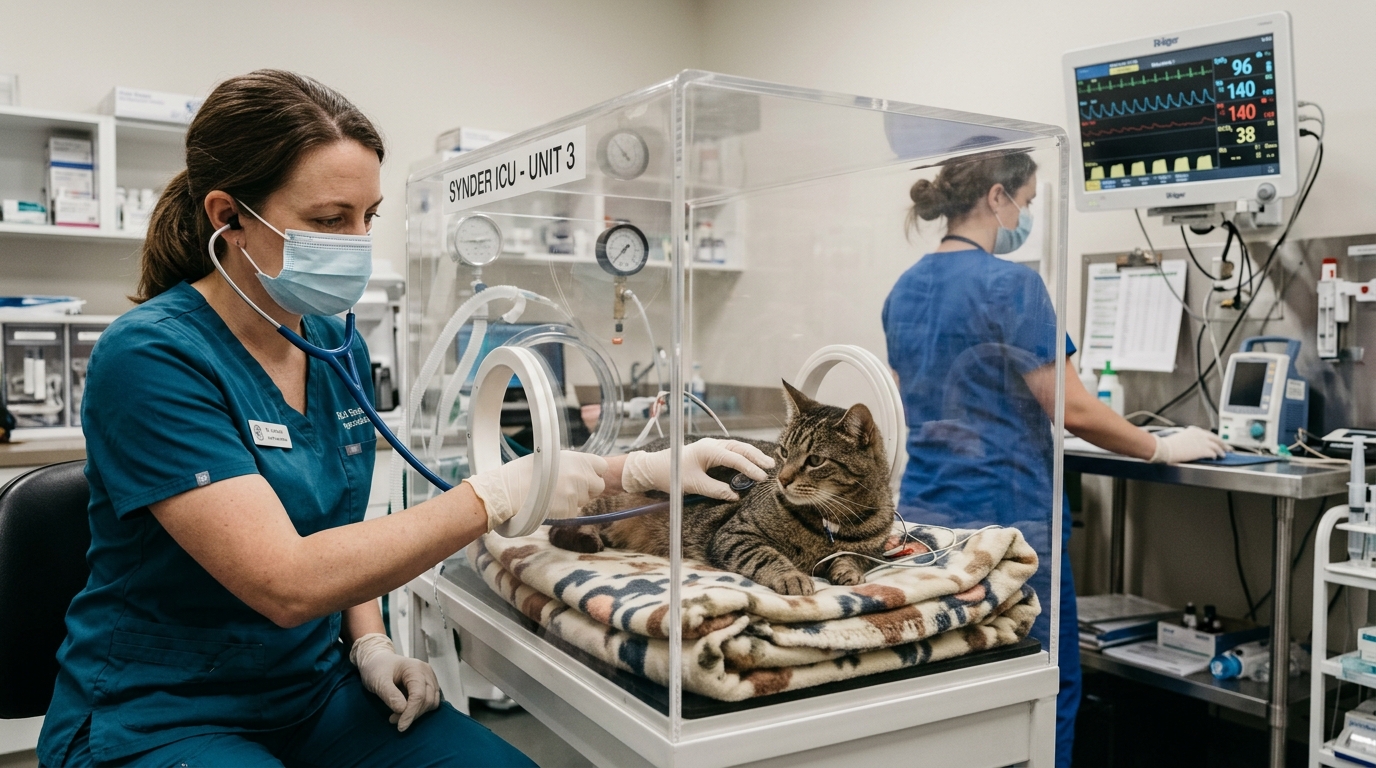
This clinical guide outlines feline respiratory observation and distress indicators. Cats are obligate nasal breathers. If your cat demonstrates open-mouth breathing, panting, blue-tinged gums, or severe abdominal pumping, transport them immediately to an emergency veterinary hospital with oxygen support.
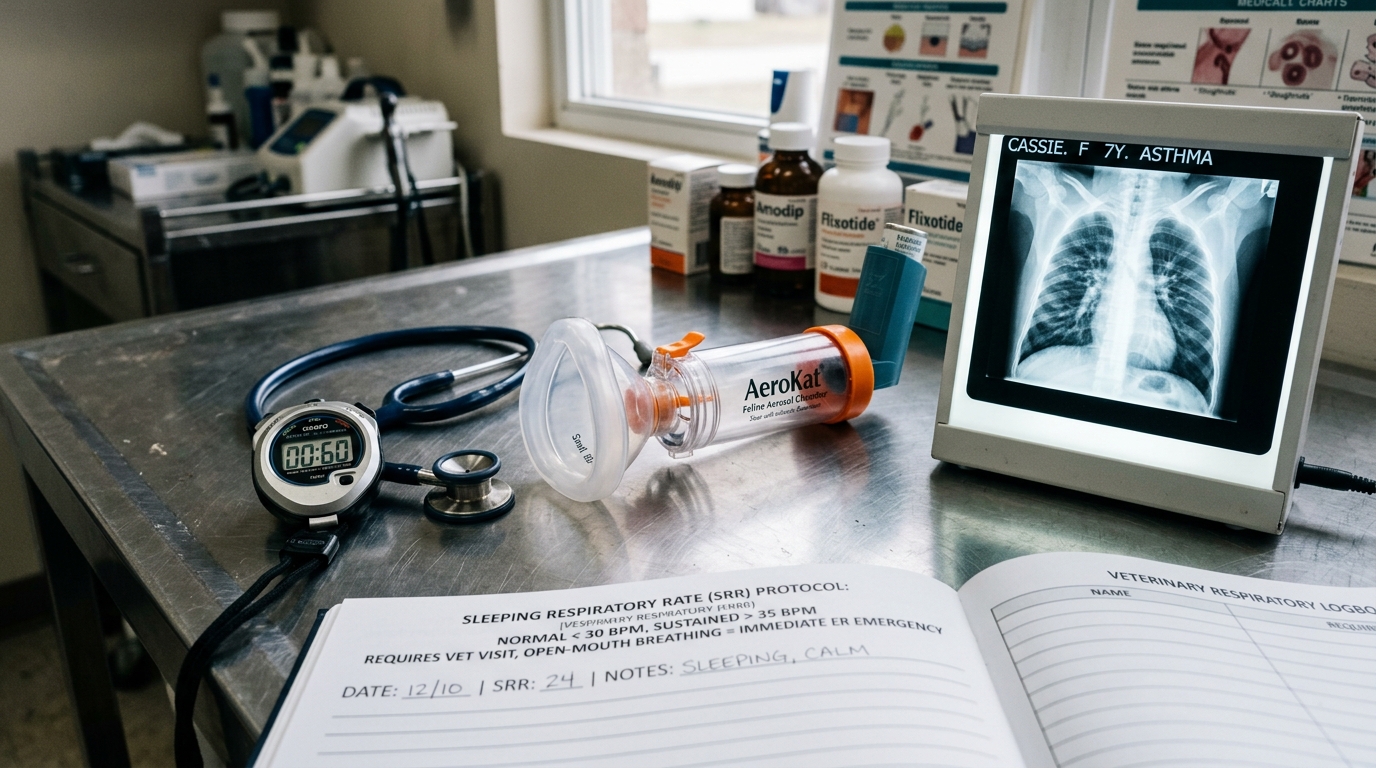
- Baseline Sleeping Respiratory Rate (SRR): Measure your pet’s breathing rate while deeply asleep in a cool room; a consistent rate below 30 breaths per minute indicates healthy cardiopulmonary function, whereas a sustained rate > 30 bpm warrants clinical evaluation.
- Differentiating Panting from Acute Dyspnea: Distinguish normal heat dissipation panting from true respiratory distress; open-mouth breathing in cats, extended neck posture, flared nostrils, and paradoxical abdominal breathing indicate critical emergencies.
- Short Video Logging for Clinical Triage: Capture 15-second smartphone video clips of coughing fits, wheezing episodes, or reverse sneezing to assist the veterinarian in diagnosing tracheal collapse, infectious kennel cough, or feline asthma.
When an adopted cat arrives in a new household, environmental stressors, novel allergens, and shelter-acquired respiratory pathogens can provoke acute lower airway distress. Unlike dogs, cats rarely pant to dissipate heat. In feline medicine, any visible effort to breathe with an open mouth or pronounced abdominal heave signifies a high-acuity physiological emergency. For newly adoptive families, establishing a calm resting respiratory baseline enables rapid detection of cardiogenic and pulmonary decompensation.
The Biological Mandate: Feline Obligate Nasal Breathing
Domestic cats are anatomically and physiologically obligate nasal breathers. In non-stressed, healthy felines, the upper respiratory tract filters, warms, and humidifies inspired air without requiring open-mouth oral airflow. Recognizing departures from this anatomical norm is essential:
- Feline Panting is an Alarm Signal: Outside of rare moments of extreme hyperthermia or brief post-exercise exertion in kittens, open-mouth panting indicates profound respiratory fatigue, hypoxemia, or hypercapnia (elevated blood carbon dioxide).
- Orthopneic Posture Recognition: A cat in severe respiratory distress assumes a classic orthopneic posture: crouching in sternal recumbency, elbows abducted outward away from the thoracic ribcage, neck fully extended, and head elevated. This posture maximizes thoracic expansion and air exchange. A cat maintaining this posture must never be restrained, compressed into a small carrier, or laid on its side.
- Paradoxical Abdominal Breathing: Observe the synchronized movement of the chest wall and abdomen. When the chest expands, the abdomen should smoothly expand. In paradoxical breathing, the chest pulls inward while the abdomen pushes forcefully outward, signaling diaphragm exhaustion or upper airway obstruction.
- Mucous Membrane Oxygenation: In well-oxygenated cats, the oral gums and tongue display a healthy bubblegum-pink color. Pale porcelain-white gums indicate severe anemia or peripheral vasoconstriction, while cyanotic (slate-blue or purple) gums represent life-threatening arterial oxygen desaturation.
The Gold Standard: Sleeping Respiratory Rate (SRR) Protocol
Veterinary cardiologists and pulmonologists establish the Sleeping Respiratory Rate (SRR) as the most sensitive, non-invasive home screening test for subclinical pulmonary edema and pleural effusion. Follow this precise clinical protocol:
| Measured Respiratory Rate | Clinical Physiological State | Recommended Caregiver Action |
|---|---|---|
| Under 30 Breaths / Minute | Normal physiological baseline during quiet, restful sleep. | Log the reading in your permanent health journal once weekly. |
| 30 to 35 Breaths / Minute | Borderline elevated rate; may reflect warm room temperature, light dream state, or subtle airway irritation. | Re-count rate when the cat enters deeper sleep in a cool, quiet room. If rate remains persistently above 30 bpm over 3 consecutive counts, contact your veterinarian. |
| Above 35 Breaths / Minute (Persistent) | Clinical alarm threshold for emerging left-sided congestive heart failure (feline hypertrophic cardiomyopathy HCM) or active asthma flare. | Schedule a prompt veterinary appointment within 12 to 24 hours for thoracic radiography, echocardiography, and proBNP biomarker testing. |
| Above 50 Breaths / Minute with Effort | Decompensated respiratory crisis with severe oxygen deprivation. | Immediate emergency hospital transport. Do not delay for elective re-testing. |
To record an accurate SRR, wait until your cat has been quietly asleep for at least 15 minutes (ensuring they are not actively twitching in REM dreaming). One full breath equals one chest rise and one chest fall. Count the total breaths over a full 60 seconds.
Differential Diagnosis: Feline Asthma vs. Hairball Retching
New pet parents frequently misidentify feline asthma attacks as “trying to hack up a stubborn hairball.” This misinterpretation delays critical bronchodilator and corticosteroid treatment:
- Feline Asthma (Chronic Lower Airway Disease): The cat crouches low to the ground with their neck extended parallel to the floor. They emit dry, hacking coughs accompanied by audible high-pitched expiratory wheezes. Crucially, after the coughing paroxysm concludes, the cat swallows dryly—zero liquid, bile, or hair is expelled.
- Hairball Retching (Gastric Trichobezoar Clearance): The cat engages intense abdominal and diaphragmatic contractions accompanied by loud gurgling or rhythmic retching sounds. At the climax of the episode, the cat expels a cylindrical mass of compacted hair bathed in gastric fluid and clear mucus.
- Upper Respiratory Complex (URI): The cat exhibits sneezing paroxysms, bilateral serous or mucopurulent (yellow-green) ocular and nasal discharge, and congested snorting sounds (stertor) caused by feline herpesvirus-1 (FHV-1) or feline calicivirus (FCV).
Red-Flag Triage Matrix: Feline Respiratory Emergencies
Use this objective triage matrix to determine the immediate clinical action path:
| Triage Level | Clinical Manifestations | Required Action Protocol |
|---|---|---|
| Immediate Emergency (0–2 Hours) | Open-mouth breathing or panting in a cat, orthopneic posture with elbows flared out, cyanotic (blue) or stark white gums, paradoxical abdominal effort, sudden hindlimb weakness or paralysis (feline aortic thromboembolism / saddle thrombus associated with cardiomyopathy). | Transport immediately to the nearest veterinary emergency hospital with oxygen cages. Minimize all noise and handling during transit; place cat gently in a well-ventilated top-loading carrier without constrictive blankets. |
| Urgent Assessment (12–24 Hours) | Sleeping respiratory rate persistently between 35 and 45 breaths per minute, recurrent daily coughing paroxysms exceeding 2 episodes per week, complete anorexia lasting 24 hours, purulent nasal discharge with eye crusted shut. | Schedule a same-day urgent clinical evaluation with your primary veterinarian for thoracic radiography and bloodwork. |
| Routine Home Monitoring | Sleeping respiratory rate consistently under 25 breaths per minute, occasional isolated dry sneeze without discharge, normal enthusiastic eating and grooming behavior. | Maintain a smoke-free home environment, avoid aerosol sprays and scented clay litter, and record weekly sleeping respiratory counts. |
Respiratory distress in cats can deteriorate into fatal respiratory arrest within minutes. Never attempt home steam therapy, human inhalers, or oral medications during an acute breathing crisis. Minimize physical handling and transport directly to an oxygen-equipped emergency facility.
Frequently Asked Questions
How and when should caregivers measure Sleeping Respiratory Rate (SRR)?
Measure SRR when your pet is in deep, calm sleep (not dreaming). Count one full breath (one rise and fall of the chest) for 30 seconds and multiply by 2. A normal rate is under 30 breaths per minute; sustained readings above 30 bpm warrant contacting your vet.
What is the clinical difference between reverse sneezing, hairballs, and true coughing?
Reverse sneezing consists of rapid, loud inspiratory snorts with an extended neck, often resolving in under a minute. Hairball retching involves rhythmic abdominal heaves ending in fluid or hair expulsion. True coughing presents as extended hacking or wheezing, often pointing to bronchial or cardiac disease.
What breathing signs indicate an immediate life-threatening emergency?
Open-mouth breathing in cats, pale or blue gums, intense abdominal effort while inhaling, flared nostrils, neck extended with elbows held out, or audible chest crackles indicate critical respiratory distress requiring immediate oxygen therapy.
Caregiver Respiratory Monitoring Checklist
- Log your pet’s sleeping respiratory rate over 3 consecutive days during calm sleep to establish an accurate baseline.
- Check gum and tongue color in natural lighting: healthy tissue is pink, while blue, grey, or pale white indicates hypoxia.
- Film short 15 to 30-second videos of any coughing, wheezing, or abnormal breathing episodes for the veterinary team.
- Eliminate indoor airborne irritants, including tobacco smoke, aerosol sprays, scented candles, incense, and dusty litters.
- Transport your pet to an emergency veterinary hospital immediately if you observe open-mouth breathing or gasping.
Sources
- Approach to Respiratory Distress in Dogs and Cats. Today’s Veterinary Practice.
- Respiratory Distress in Pets: Clinical Recognition and Immediate Stabilization. American Animal Hospital Association.
- Feline Asthma Overview. Merck Veterinary Manual.
Interactive Resting Respiratory Rate (RRR) Counter
Count your resting or sleeping pet's breaths per minute using our timed clinical tap tool. Resting respiratory rate below 30 breaths/min is the veterinary baseline for canine and feline home monitoring.
Printable tools
Download the matching worksheet
Source transparency
Reference mix for this guide
Source labels describe the type of organization behind each reference; they are not a claim that any outside organization reviewed this article.
- Approach to Respiratory Distress in Dogs and Cats Reference source · todaysveterinarypractice.com
- Respiratory Distress in Pets: Clinical Recognition and Immediate Stabilization Veterinary organization · aaha.org
- Feline Asthma Overview Reference source · merckvetmanual.com