This guide is general education for pet owners. If your pet has urgent symptoms, possible poisoning, injury, breathing trouble, collapse, severe pain, or sudden decline, contact a licensed veterinarian or local emergency service.
Dosages must be calculated by a licensed veterinarian based on species, weight, and bloodwork. Never administer human medications or self-adjust prescription doses for pets.
Editorial standard
How this guide was prepared
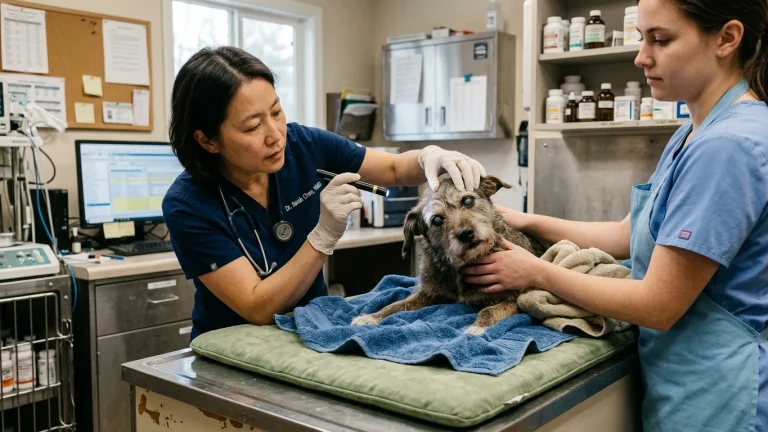
Managing immunization protocols within a foster care environment requires specialized immunological knowledge. Unlike companion pets living in stable, low-density domestic homes, shelter and rescue animals originate from high-density environments characterized by heightened infectious pathogen loads, unknown maternal antibody levels, and variable nutritional histories. In shelter medicine, vaccine schedules are designed for rapid population-level disease suppression and accelerated individual protection. Structuring an informed clinical dialogue with your rescue organization’s veterinary coordinator ensures your foster animal receives optimal immunological defense while respecting biosecurity quarantine boundaries.
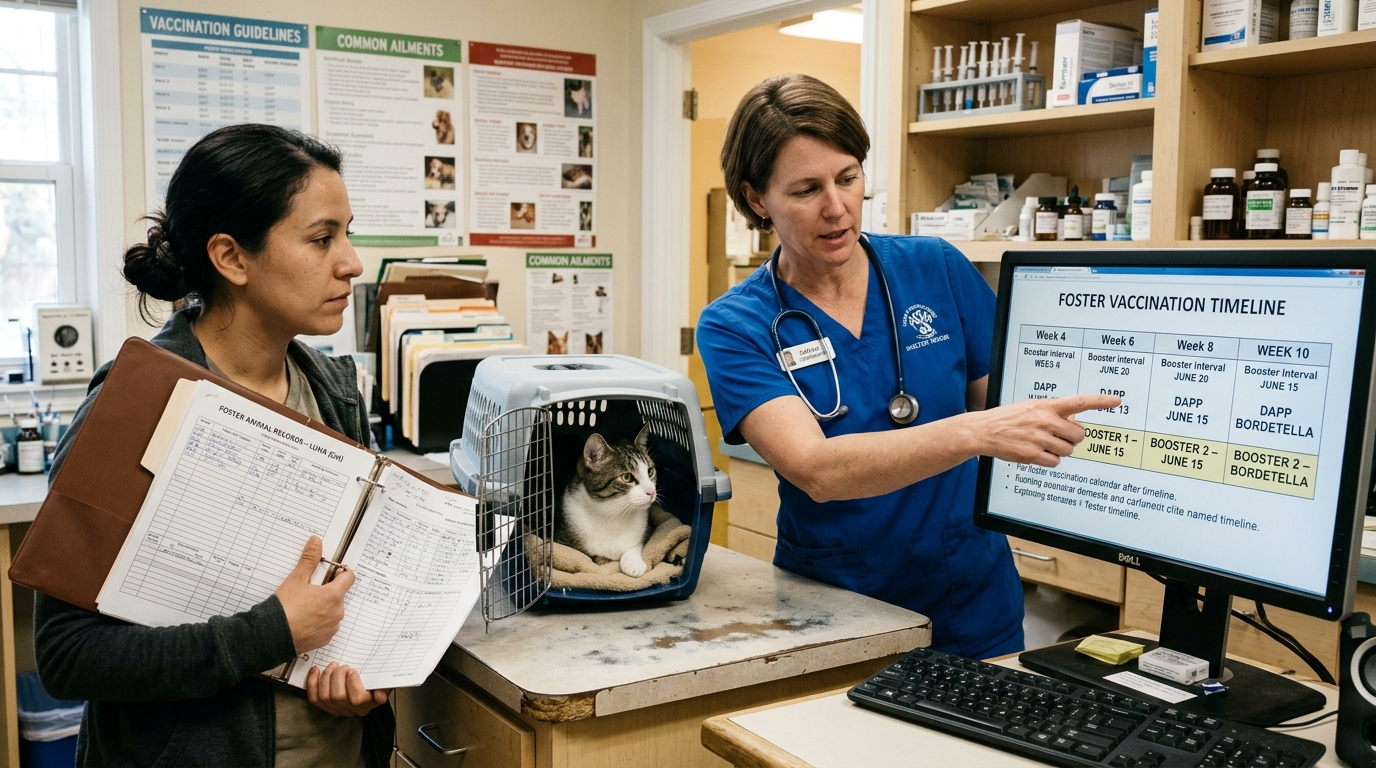
- Follow Accelerated Booster Intervals: Puppies and kittens in high-turnover rescue environments require core vaccination boosters every 2 to 3 weeks until 16 to 20 weeks of age to overcome maternal antibody interference.
- Strictly Isolate Incompletely Vaccinated Fosters: Never allow foster animals without completed primary vaccine series onto public lawns, communal dog parks, or elevator corridors.
- Balance Mild Illness with Vaccine Timelines: Minor non-febrile upper respiratory signs do not necessarily delay life-saving shelter vaccinations; consult your rescue medical team before postponing scheduled boosters.
This foster vaccination guidance complies with shelter medicine standards established by the Association of Shelter Veterinarians (ASV) and the American Animal Hospital Association (AAHA). If a foster puppy, kitten, or adult pet develops acute adverse post-vaccinal reactions—such as facial swelling, hives, vomiting, collapse, or severe respiratory distress—seek immediate emergency veterinary intervention.
Shelter Medicine Immunization Protocols vs Private Practice
Understanding the clinical rationale behind shelter vaccination schedules clarifies why foster protocols differ from standard private practice guidelines:
- Accelerated Booster Intervals: In high-risk shelter populations, puppies and kittens receive modified-live core vaccines starting as early as 4 to 6 weeks of age, with revaccination repeated every 2 to 3 weeks until 16 to 20 weeks old. This accelerated schedule minimizes the critical “window of susceptibility” where maternal antibodies decline but natural immunity has not yet peaked.
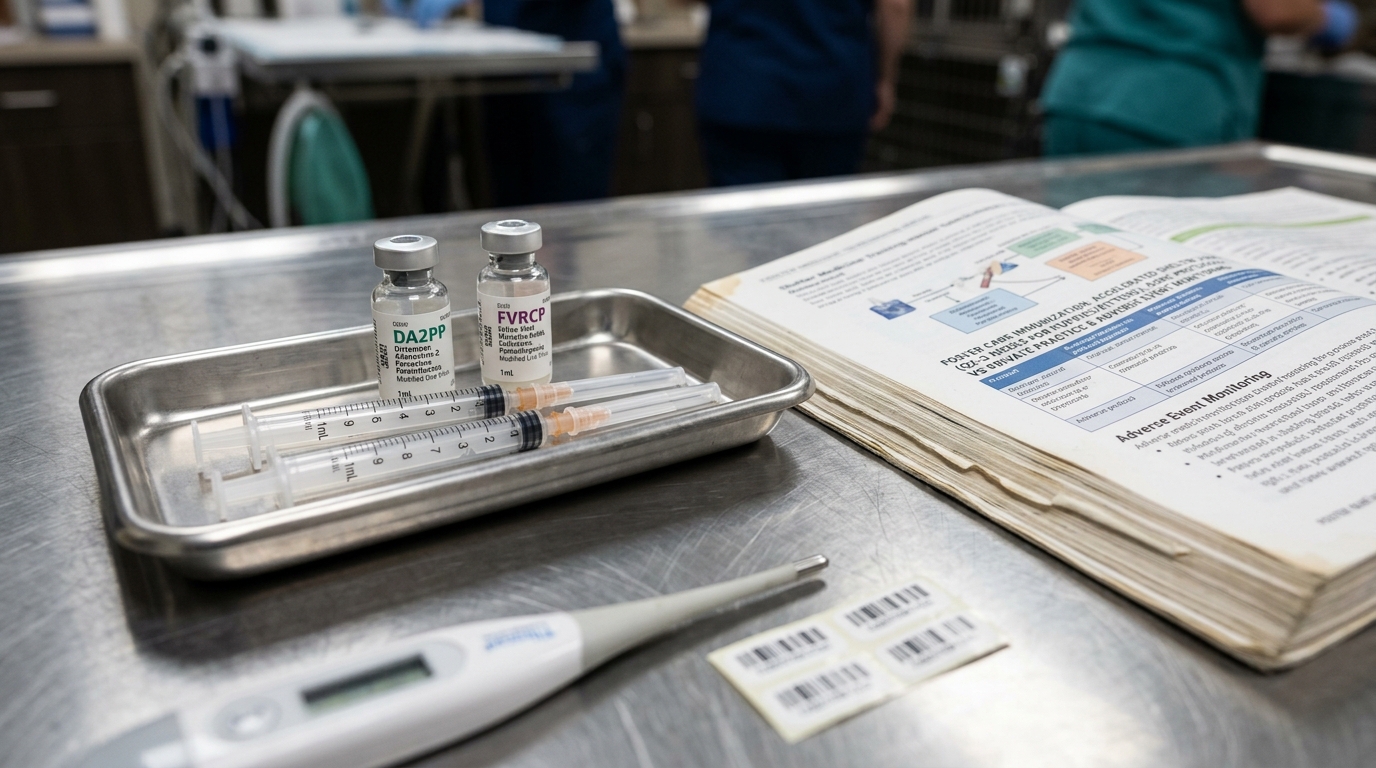
- Intake Immunization Mandate: Core vaccines (DAP/DHPP for dogs; FVRCP for cats) are administered immediately upon physical shelter intake, even if the animal appears mildly stressed. Modified-live core vaccines stimulate rapid cell-mediated immune responses within 48 to 72 hours, providing vital protection against virulent parvovirus and panleukopenia strains.
- Quarantine Duration and Vaccine Efficacy: A vaccine does not confer instantaneous sterilizing immunity. A newly vaccinated foster animal requires at least 7 to 14 days post-injection to mount protective circulating antibody titers. Strict physical isolation during this period prevents exposure while the immune system builds defense.
Core vs Elective Vaccines in the Foster Setting
Review the essential vaccination priorities for incoming foster animals:
| Vaccine Classification | Target Infectious Pathogens | Shelter and Foster Management Rationale |
|---|---|---|
| Canine Core (DAP/DHPP) | Canine Distemper (CDV), Adenovirus-2 (CAV-2), Parvovirus (CPV-2). | Mandatory core immunization; prevents explosive shelter outbreaks of fatal viral enteritis and neurological distemper. |
| Canine Mucosal Respiratory | Bordetella bronchiseptica and Canine Parainfluenza (Intranasal or Oral). | Rapidly stimulates local mucosal IgA antibodies in upper respiratory tissues, reducing kennel cough spread. |
| Feline Core (FVRCP) | Feline Panleukopenia (FPV), Rhinotracheitis (FHV-1), Calicivirus (FCV). | Mandatory core protection; prevents fatal feline panleukopenia enteritis and diminishes virulent calicivirus oral ulcerations. |
| Rabies Immunization | Rabies Lyssavirus. | Legally mandated public health requirement; administered at 12 to 16 weeks of age prior to formal adoption placement. |
Questions to Ask Your Shelter Veterinary Team
Coordinate effectively with your rescue medical team by reviewing these targeted questions:
- Booster Due Dates: “What is the exact calendar date for this puppy or kitten’s next core booster, and who will administer the injection?”
- Maternal Antibody Considerations: “If this foster litter was orphaned early, does the clinic recommend continuing the booster series through 18 or 20 weeks of age?”
- Vaccination During Mild Symptoms: “If my foster pet develops mild clear nasal discharge or slight loose stool, should I bring them in for their scheduled booster or postpone it?”
Red-Flag Triage Matrix: Post-Vaccination Observation in Foster Pets
Monitor your foster animal closely for 48 hours following clinical vaccination:
| Triage Tier | Clinical Presentation | Required Action Protocol |
|---|---|---|
| Immediate Emergency (0–2 Hours) | Acute facial angioedema (swollen muzzle, puffy eyes), widespread hives, sudden collapse, repeated violent vomiting, profound weakness with pale oral mucosa. | Transport immediately to the designated rescue emergency hospital. Anaphylactic shock requires immediate epinephrine, intravenous fluid therapy, and emergency veterinary resuscitation. |
| Urgent Assessment (12–24 Hours) | Persistent vomiting or diarrhea beyond 12 hours post-injection, marked injection site pain preventing standing, total anorexia exceeding 24 hours, or fever (>103.5°F). | Contact your rescue medical coordinator during clinic hours. Foster animals with compromised reserves require prompt supportive care to prevent rapid dehydration. |
| Routine Home Monitoring | Mild localized tenderness at the subcutaneous injection site, slight sluggishness lasting 12 to 24 hours, followed by full appetite return. | Provide a quiet, warm resting area with easy access to fresh water. Avoid vigorous handling or social introduction during the 48-hour recovery window. |
Never administer human pain relievers, aspirin, acetaminophen, or left-over human medications to treat post-vaccine fever or injection soreness in foster pets. Human analgesics induce fatal hepatic necrosis, acute renal failure, and severe gastrointestinal ulceration in companion animals.
Caregiver Decision Tree: Foster Immunization Dilemmas
A foster caregiver do if a foster puppy or kitten misses their scheduled booster date
Contact your shelter medical coordinator immediately to reschedule the booster at the earliest available clinic slot. In young animals undergoing an initial primary series, vaccine boosters are timed to bridge the window when maternal antibodies decline. If a booster interval is delayed significantly (e.g., more than 4 to 6 weeks beyond the intended date), the immunological memory may not have consolidated, requiring the clinical team to administer an additional booster to ensure robust protection against fatal pathogens like parvovirus and panleukopenia.
Can foster animals receive vaccinations while on prescription oral antibiotics?
In most clinical circumstances, concurrent administration of standard broad-spectrum antibiotics (such as amoxicillin, cephalexin, or doxycycline) does not inhibit the immune response to viral vaccines, because antibacterials target bacterial cellular structures rather than viral replication. However, if the foster animal is experiencing high fever (>103.5°F), systemic lethargy, severe vomiting, or active pneumonia, veterinary clinicians routinely postpone vaccination until the acute inflammatory crisis resolves to avoid taxing compromised immune reserves.
Frequently Asked Questions
What is the difference between core and non-core lifestyle vaccinations?
Core vaccinations (such as Rabies and DHPP for dogs, or Rabies and FVRCP for cats) protect against highly contagious, fatal diseases universal to all companion animals. Non-core vaccinations (such as Leptospirosis, Bordetella, Lyme, or FeLV) are recommended based on specific regional prevalence, boarding frequency, or outdoor wildlife exposure.
What post-vaccination symptoms are normal versus life-threatening emergencies?
Mild fatigue, temporary decreased appetite, and localized soreness at the injection site lasting 12 to 24 hours are normal physiological immune responses. Facial swelling, persistent hives, acute vomiting, collapse, or labored breathing indicate severe anaphylaxis requiring immediate emergency veterinary care.
Can vaccinations be safely administered if a pet has an unknown immunization history?
Yes. Veterinarians treat animals with unknown or unverifiable vaccination histories as naive, initiating core series or using antibody titer blood tests to confirm immunity before establishing standard booster intervals.
Caregiver Vaccination Safety and Post-Care Checklist
- Verify documented vaccination dates and lot numbers with your veterinarian before administering repeat doses.
- Observe your pet closely for 2 hours post-vaccination for facial puffiness, hives, or breathing changes.
- Provide a quiet, comfortable recovery area free from rough play, dog parks, or strenuous exercise for 24 hours.
- Monitor the injection site for minor swelling; alert your clinic if a firm nodule persists past 3 weeks.
- Never administer human over-the-counter pain relievers for post-vaccine soreness; human NSAIDs are toxic to pets.
Sources
- ASV Guidelines for Standards of Care in Animal Shelters: Vaccination Protocols. Association of Shelter Veterinarians.
- AAHA Canine Vaccination Guidelines. American Animal Hospital Association.
- AAFP Feline Vaccination Advisory Panel Report. American Association of Feline Practitioners.
Source transparency
Reference mix for this guide
Source labels classify the institutional category of the references cited above.