This guide is general education for pet owners. If your pet has urgent symptoms, possible poisoning, injury, breathing trouble, collapse, severe pain, or sudden decline, contact a licensed veterinarian or local emergency service.
Dosages must be calculated by a licensed veterinarian based on species, weight, and bloodwork. Never administer human medications or self-adjust prescription doses for pets.
Editorial standard
How this guide was prepared
Clinical nutrition serves as a primary therapeutic modality, directly altering disease progression and extending survival times in chronic pathology. Prescription veterinary diets are rigorously formulated to modify specific metabolic pathways, mineral concentrations, or immune responses.
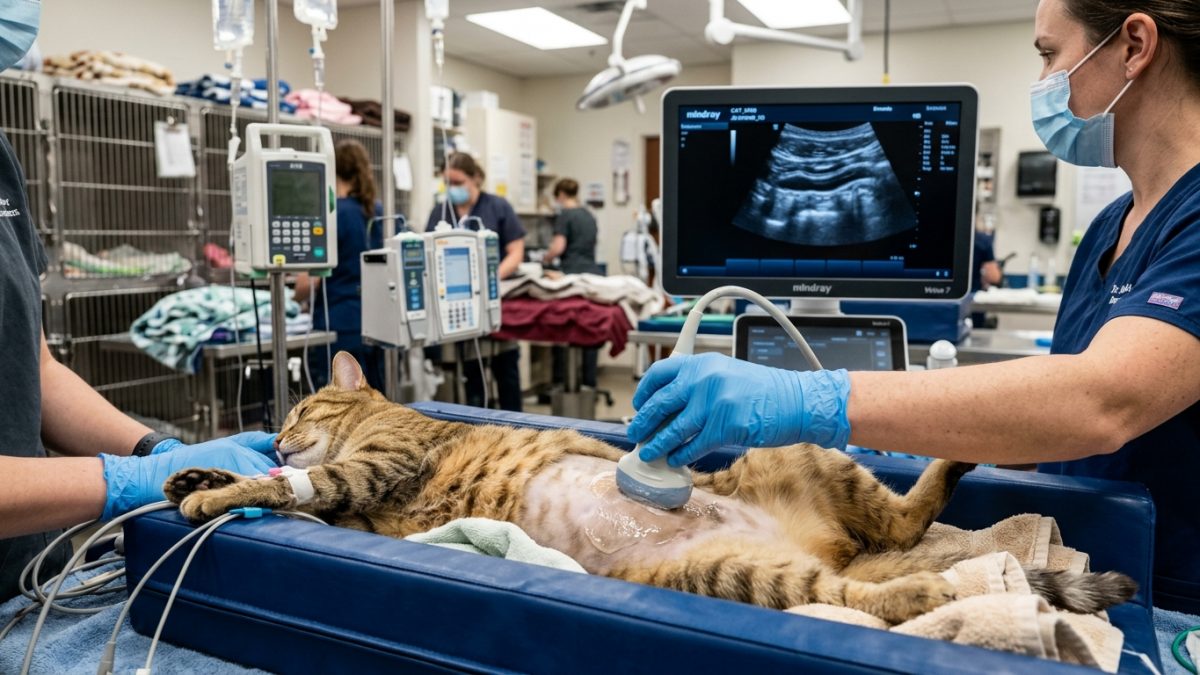
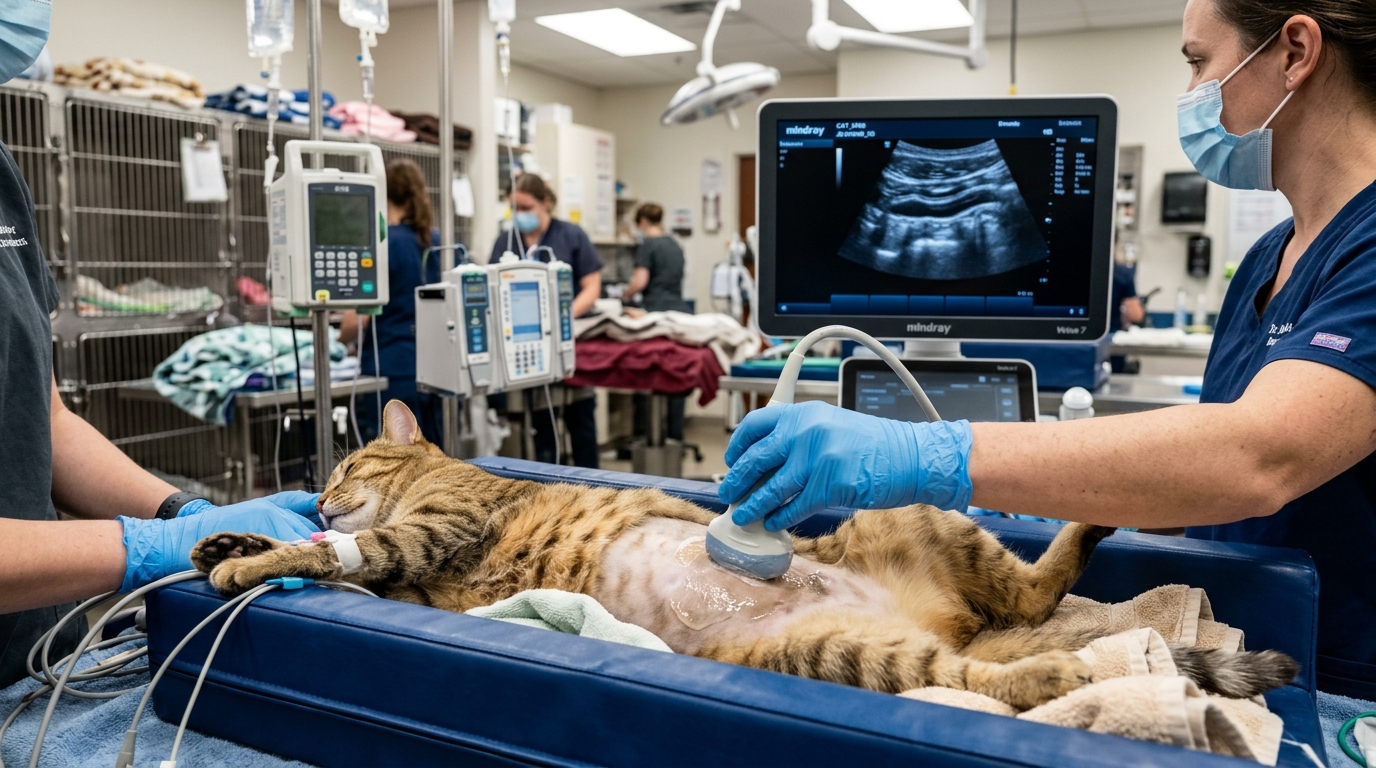
Diagnostic Differentiation & Nutritional Trial Mandate: Feline Inflammatory Bowel Disease (IBD) involves chronic mucosal inflammation of the stomach, small intestine, or colon. It shares identical clinical signs (vomiting, chronic diarrhea, progressive weight loss) with alimentary small-cell lymphoma. Initiating steroid anti-inflammatory medications before completing full diagnostic staging (abdominal ultrasound, GI biopsy, and serum cobalamin/folate testing) can mask lymphoma and hinder accurate staging. Always execute a strict 8-week veterinary elimination diet trial as the foundational first-line therapy.
Clinical Quick Answer & Immediate Actions
Therapeutic diets require strict adherence to achieve clinical endpoints. Avoid mixing unauthorized treats or supplements that disrupt the carefully formulated mineral and macronutrient balances. Transition slowly over 7-10 days to prevent gastrointestinal upset.
Success depends entirely on strict compliance. A therapeutic diet cannot overcome constant influxes of inappropriate treats, table scraps, or competing food sources. Caregivers must view the prescribed diet as a daily medical intervention rather than a basic sustenance choice.
Macronutrient and Micronutrient Modification
Therapeutic formulations manipulate macronutrients to alleviate organ stress. For example, renal diets drastically reduce phosphorus to slow nephron destruction, while gastrointestinal diets utilize highly bioavailable, low-residue proteins to facilitate enterocyte absorption.
Transitioning to a new clinical diet must occur gradually over 7 to 10 days to prevent acute gastrointestinal distress or food aversion. Mix the therapeutic diet with the previous food, incrementally increasing the new diet’s ratio by 10-15% daily.
| Pathology | Key Nutritional Modification | Clinical Objective |
|---|---|---|
| Renal Disease (CKD) | Restricted Phosphorus / Mod Protein | Reduce uremic toxins and slow progression |
| Pancreatitis | Ultra-Low Fat (Canine) | Prevent exocrine pancreatic stimulation |
| Urolithiasis (Crystals) | Targeted RSS / pH Modulation | Dissolve or prevent crystal formation |
Food aversion is a common complication in chronically ill patients. If the animal refuses the therapeutic diet, do not attempt to starve them into compliance, particularly in obese felines prone to hepatic lipidosis. Consult the attending veterinarian for pharmacological appetite stimulants or alternative flavor formulations.
Accurate portion control requires measuring food by weight (grams) rather than volume (cups). Volumetric measuring introduces up to a 20% margin of error, severely compromising weight loss or tightly regulated metabolic plans.
When to Seek Emergency Intervention
Immediate veterinary reassessment is necessary if the patient experiences acute anorexia lasting more than 24 hours, intractable vomiting after dietary transition, or profound lethargy. These signs may indicate disease progression rather than simple food refusal.
Patients on strict elimination diets for suspected food allergies that break protocol by consuming unauthorized proteins must restart the entire 8-week trial from day one. There are no safe “cheat days” in a diagnostic food trial.
Nutritional Compliance Tracker
Consistency is critical for therapeutic success. Access our Daily Nutritional Log to track caloric intake, treat allowances, and transition schedules.
Immunopathogenesis of Feline IBD: Mucosal Immunity & Enteric Dysbiosis
Feline IBD represents an abnormal, chronic immune response directed against dietary protein antigens, resident intestinal microflora, or both in genetically susceptible cats:
- Loss of Oral Tolerance & Lymphoplasmacytic Infiltration: Disruption of the intestinal epithelial barrier allows intact dietary proteins and bacterial lipopolysaccharides (LPS) to penetrate the lamina propria. Local antigen-presenting cells stimulate an exaggerated Th1 and Th17 cell-mediated immune cascade, recruiting dense populations of lymphocytes and plasma cells (lymphoplasmacytic enteritis). Over time, mucosal villi atrophy, mucosal permeability increases, and nutrient absorption is severely compromised.
- Enteric Microbiome Dysbiosis: Feline IBD patients demonstrate significant dysbiosis: depletion of beneficial short-chain fatty acid producing bacteria (such as Bifidobacterium, Faecalibacterium, and Clostridium hiranonis) accompanied by expansion of mucosal-adherent, pro-inflammatory Enterobacteriaceae (including adherent-invasive E. coli). This shifts intestinal metabolomics away from protective secondary bile acids toward cytotoxic primary bile salts.
- Hypocobalaminemia (Vitamin B12 Malabsorption): Dietary cobalamin is absorbed exclusively in the distal ileum via specialized enterocyte cubam receptors. Because feline IBD frequently targets the ileum, secondary severe vitamin B12 deficiency develops in over 60% of cases. Hypocobalaminemia accelerates enterocyte villous atrophy, impairs intestinal crypt cell turnover, and induces systemic metabolic failure. Injectable parenteral cyanocobalamin (250 mcg SC weekly) is mandatory until serum B12 normalizes.
Step-by-Step Dietary Elimination & Microbiome Modulation Protocol
First-line therapeutic management centers on strict, uncompromising nutritional trials, while Oral immunosuppressive corticosteroid therapy (such as prednisolone, with dosage individually calculated and tapered by a veterinarian) is reserved for refractory mucosal inflammation:
- Selecting Hydrolyzed vs. Novel Single-Protein Diets:
- Extensively Hydrolyzed Diets (Hill’s z/d, Royal Canin Hydrolyzed): Enzymatic cleavage breaks soy or chicken protein down below 3,000 Daltons, preventing cross-linking of mucosal immune receptors while supporting complete digestive absorption.
- Novel Single-Protein Diets (Venison, Rabbit, Duck, Kangaroo): Introduces a singular animal protein source to which the feline immune system has never previously been exposed, circumventing sensitized memory T-cell responses.
The trial must last for a minimum of 6 to 8 weeks, with zero access to over-the-counter treats, flavored medications, or human table scraps.
- Omega-3 Polyunsaturated Fatty Acids (EPA & DHA): Marine fish oil supplementation delivering high-potency Eicosapentaenoic acid (EPA) and Docosahexaenoic acid (DHA) competes directly with arachidonic acid in cell membranes. This replaces pro-inflammatory 4-series leukotrienes and 2-series prostaglandins with less inflammatory 5-series leukotrienes and 3-series prostanoids, suppressing mucosal swelling.
- Prebiotics, Soluble Fiber & Probiotic Therapy: Incorporating fermentable soluble fibers (fructooligosaccharides [FOS], inulin, and psyllium) feeds beneficial commensal microbes, promoting colonic production of butyrate—the primary metabolic fuel for colonocytes. Formulated multi-strain veterinary synbiotics restore microbial diversity and reduce intestinal epithelial permeability.
Frequently Asked Questions
Can I mix over-the-counter food with the prescription diet?
No. Mixing a maintenance diet with a therapeutic diet dilutes the targeted nutritional profile, rendering the treatment ineffective (e.g., introducing excess phosphorus to a renal patient or allergens to an allergy patient).
How long does an elimination diet take to work?
A strict elimination diet trial for dermatological allergies requires an absolute minimum of 8 to 12 weeks of exclusive feeding before clinical improvement can be accurately assessed.
Are homemade diets safer than commercial prescription diets?
Unless formulated by a Board-Certified Veterinary Nutritionist (DACVN), homemade diets are frequently deficient in essential micronutrients and lack the precise mineral balancing required for chronic disease management.
Emergency Triage Matrix: Clinical Presentation & Required Response
| Triage Level | Clinical Signs & Presentation | Immediate Action Protocol |
|---|---|---|
| Tier 1: Immediate Emergency (0-2 Hours) | Diabetic patient experiencing severe weakness/seizures (hypoglycemia), or a blocked feline straining to urinate unproductively. | Administer Karo syrup to gums (if diabetic/crashing) and transport to emergency care immediately. |
| Tier 2: Urgent Veterinary Care (Same-Day) | Complete anorexia for >24 hours in a chronically ill patient, or intractable vomiting after beginning a new diet. | Contact the attending veterinarian for an anti-emetic prescription or alternative nutritional formulation. |
| Tier 3: Home Monitoring & Scheduled Care | Mild soft stool during the initial 3 days of dietary transition, with normal appetite and hydration. | Slow the transition pace, monitor stool quality, and ensure constant access to fresh water. |
Dietary Compliance Warning
Therapeutic diets function as prescription medication. Deviations from the protocol can trigger severe metabolic relapses:
- Zero Table Scraps: A single high-fat treat can trigger a catastrophic pancreatitis relapse in sensitive dogs.
- Strict Portioning: Weigh all meals using a digital kitchen scale to maintain precise caloric and mineral intake.
Transition & Feeding Checklist
- Transition over a strict 7-10 day period to prevent gastrointestinal shock.
- Remove all competing food sources (including sibling pet bowls).
- Monitor water intake, especially for patients on dry therapeutic diets.
Related Clinical Guides & Tools
Peer-Reviewed Clinical References & Evidence Grounding
- NCBI PubMed (PMID: 33821508) — Feline chronic enteropathy (J Small Anim Pract, 2021) (opens in new tab) (Peer-reviewed veterinary clinical study indexed in NCBI PubMed (J Small Anim Pract, 2021).)
- NCBI PubMed (PMID: 37130034) — ACVIM consensus statement guidelines on diagnosing and distinguishing low-grade neoplastic from inflammatory lymphocytic chronic enteropathies in cats (J Vet Intern Med, 2023) (opens in new tab) (Peer-reviewed veterinary clinical study indexed in NCBI PubMed (J Vet Intern Med, 2023).)
- NCBI PubMed (PMID: 28069287) — Feline Cholangitis (Vet Clin North Am Small Anim Pract, 2017) (opens in new tab) (Peer-reviewed veterinary clinical study indexed in NCBI PubMed (Vet Clin North Am Small Anim Pract, 2017).)
- Merck Veterinary Manual: Chronic Enteropathies In Small Animals (opens in new tab) (Institutional veterinary reference and clinical practice guideline.)
WSAVA 10% Treat Calorie Allowance Calculator
Calculate your pet's daily Resting Energy Requirement (RER) and maximum recommended 10% treat calorie budget based on WSAVA clinical nutrition consensus.
Printable tools
Download the matching worksheet
Source transparency
Reference mix for this guide
Source labels describe the type of organization behind each reference; they are not a claim that any outside organization reviewed this article.
- Emergency Triage Protocol Reference source · newspet.net
- Pharmacology Safety Standards Reference source · newspet.net
- Metronidazole (Flagyl): Diarrhea & Neurotoxicity Triage Reference source · newspet.net
- Feline Diabetes Diet: Why Ultra-Low-Carb Canned Food Is Essential for Glycemic Control and Remission Reference source · newspet.net
- NCBI PubMed (PMID: 33821508) — Feline chronic enteropathy (J Small Anim Pract, 2021) Government or public agency · pubmed.ncbi.nlm.nih.gov
- NCBI PubMed (PMID: 37130034) — ACVIM consensus statement guidelines on diagnosing and distinguishing low-grade neoplastic from inflammatory lymphocytic chronic enteropathies in cats (J Vet Intern Med, 2023) Government or public agency · pubmed.ncbi.nlm.nih.gov
- NCBI PubMed (PMID: 28069287) — Feline Cholangitis (Vet Clin North Am Small Anim Pract, 2017) Government or public agency · pubmed.ncbi.nlm.nih.gov
- Merck Veterinary Manual: Chronic Enteropathies In Small Animals Veterinary organization · merckvetmanual.com

