This guide is general education for pet owners. If your pet has urgent symptoms, possible poisoning, injury, breathing trouble, collapse, severe pain, or sudden decline, contact a licensed veterinarian or local emergency service.
Quick Answer
Feline urinary straining (dysuria), frequent unproductive litter box visits, bloody urine (hematuria), and excessive genital grooming are classic indicators of feline lower urinary tract disease (FLUTD). In male cats, these signs can indicate a partial or complete urethral blockage from mucous plugs or struvite crystals—a critical medical emergency that causes acute kidney failure and death within 24 to 48 hours if untreated. If a male cat is straining without producing urine, crying in the litter box, or vomiting, transport them immediately to an emergency veterinary hospital.
Editorial standard
How this guide was prepared
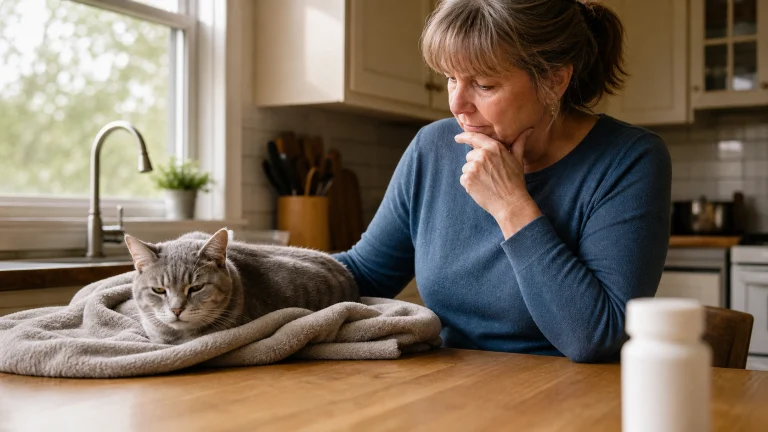
Feline lower urinary tract disease (FLUTD) encompasses a complex cluster of medical conditions affecting the bladder and urethra of domestic cats, ranging from sterile stress-induced cystitis to life-threatening urethral obstruction. Because cats instinctively mask illness and distress, subtle urinary shifts such as frequent trips to the litter box, vocalizing during urination, or eliminating outside the box are frequently misinterpreted by owners as spiteful behavioral defiance. Recognizing the physical hallmarks of urinary discomfort early allows caregivers to intervene before painful inflammation progresses to a fatal urethral blockage.
Every cat owner, particularly those caring for male felines, must understand the critical difference between non-obstructive urinary tract irritation and complete urethral blockage. While both cause painful straining and blood-tinged urine, a blocked urethra prevents metabolic waste and potassium excretion, leading to fatal electrolyte imbalances and bladder rupture within 24 to 48 hours without emergency decompression.
The Clinical Spectrum of FLUTD: Primary Causes
Feline lower urinary tract disease is not a single diagnosis, but an umbrella clinical syndrome caused by several underlying etiologies:
- Feline Idiopathic Cystitis (FIC): Accounts for over 60% of all FLUTD presentations in cats under 10 years of age. FIC is a sterile, neuroendocrine condition where stress, anxiety, environmental conflicts, or routine disruption trigger intense bladder wall inflammation without bacterial infection.
- Urolithiasis (Bladder Stones): Approximately 15% to 20% of FLUTD cases involve mineralized stones within the bladder or urethra. The two most common types are struvite (magnesium ammonium phosphate, which can often be dissolved with specialized veterinary therapeutic diets) and calcium oxalate (which cannot be dissolved medically and requires surgical cystotomy or endoscopic removal).
- Urethral Plugs: A mixture of proteinaceous matrix, inflammatory cellular debris, blood clots, and microscopic crystals that form a soft, putty-like plug lodged within the narrow male cat urethra.
- Bacterial Urinary Tract Infections (UTIs): Relatively uncommon in young to middle-aged cats (less than 2% of cases) due to their naturally concentrated, sterile urine. However, UTIs become significantly more prevalent in senior cats over 10 years suffering from chronic kidney disease or diabetes mellitus.
Emergency Blockage vs. Behavioral Urination: Triage Guide
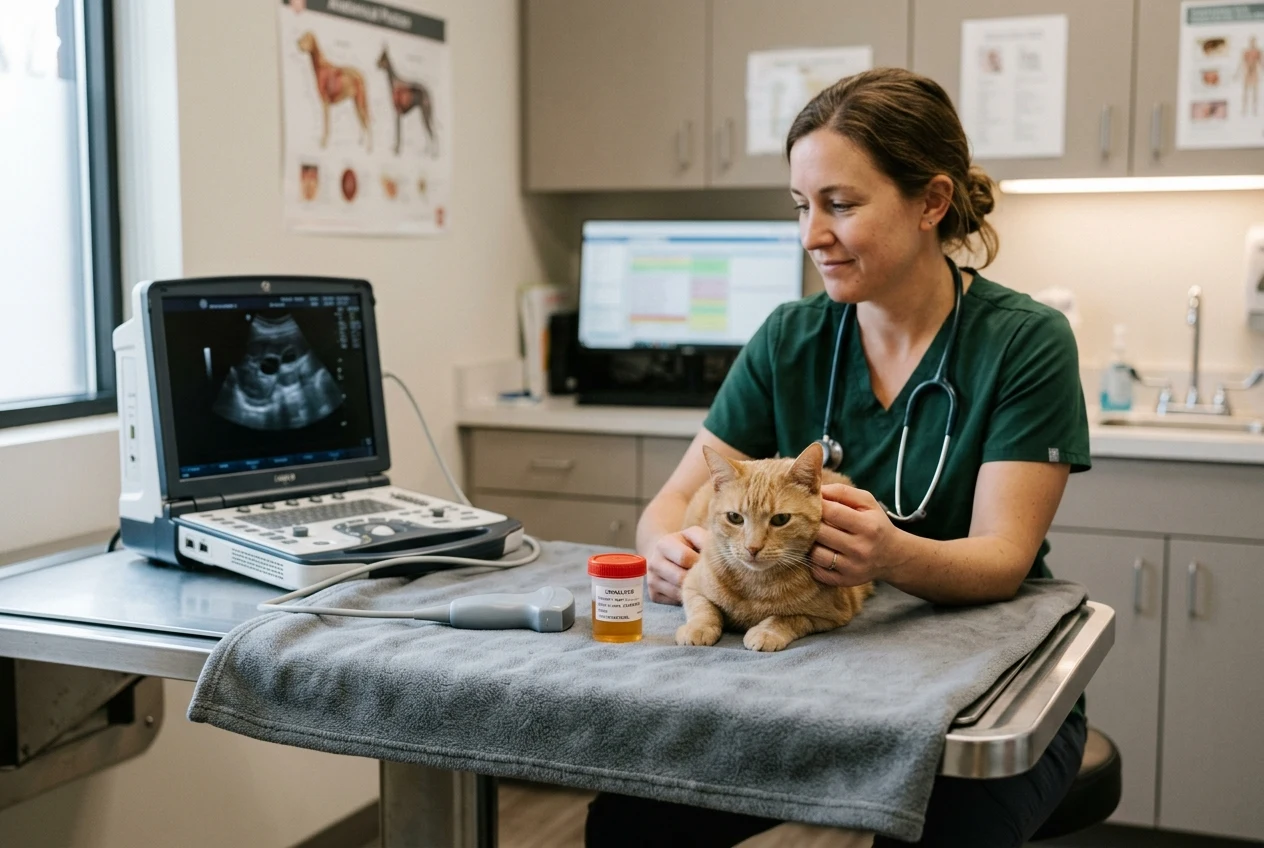
Pet owners frequently struggle to tell whether a cat urinating on rugs or laundry is exhibiting behavioral territorial marking or suffering from an acute medical crisis. Use this comparative clinical matrix:
| Clinical Parameter | Urinary Tract Disease / Obstruction (Medical) | Territorial Spraying / Marking (Behavioral) |
|---|---|---|
| Posture and Straining | Squatting low, straining with abdominal tensing, trembling, crying | Standing upright, tail held vertically quivering, backing up to walls |
| Litter Box Frequency | Repeated visits every 5–10 minutes; scratches frantically, sits in box | Normal daily box visits; marks vertical surfaces outside the box |
| Urine Volume Produced | Tiny dribbles, single drops, or zero output despite prolonged straining | Normal to moderate volume sprayed horizontally onto vertical targets |
| Urine Color & Quality | Pink, dark brown, blood-tinged (hematuria), or containing visible grit | Clear, normal amber color, strong pheromonal odor |
| General Demeanor | Lethargic, restless, painful abdomen, hides, vomits, refuses food | Bright, alert, confident, eating and drinking normally |
Feline Hydration Architecture & Environmental Needs
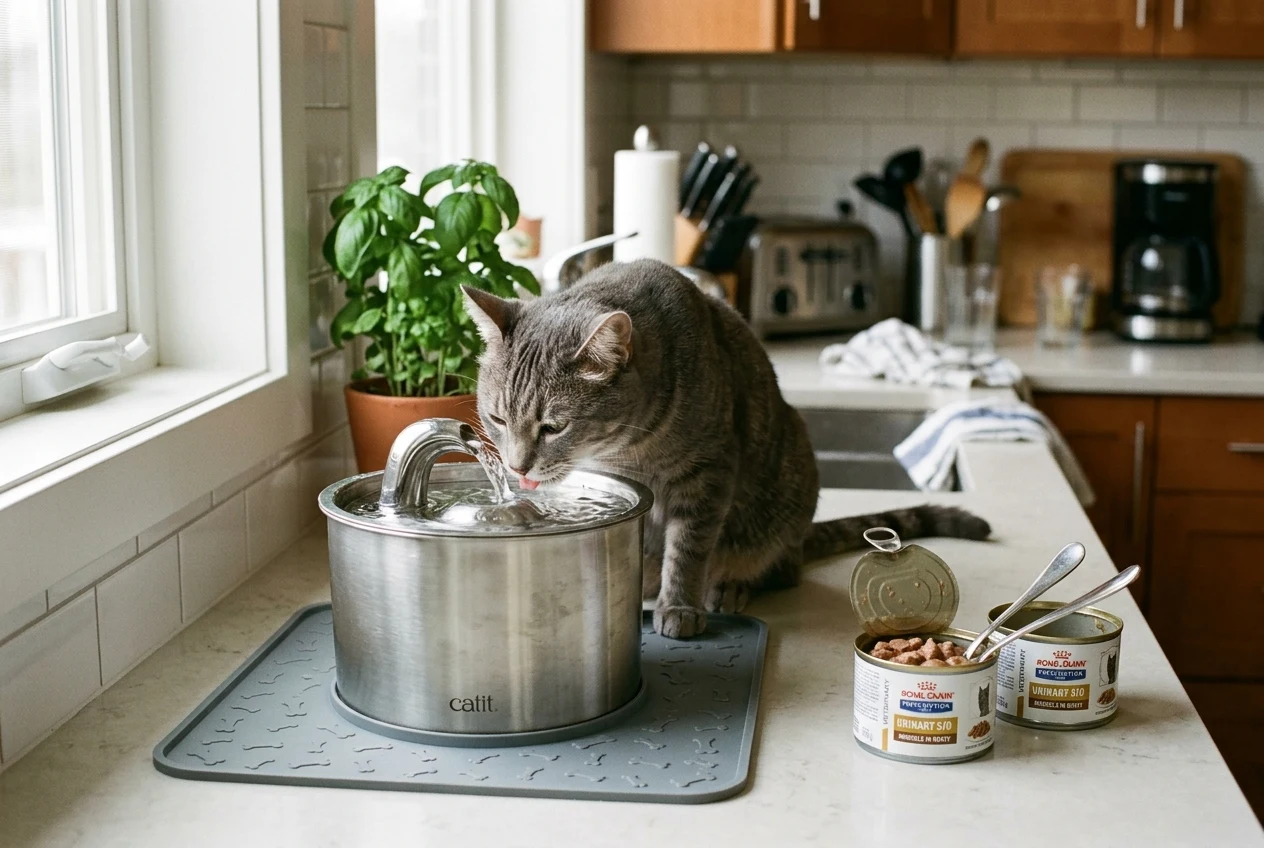
Because cats evolved as desert-dwelling obligate carnivores, they possess a naturally low thirst drive and rely on dietary moisture rather than water drinking to maintain urinary dilution. Long-term management and prevention of FLUTD recurrence hinges on two core lifestyle modifications:
- Dietary Moisture Optimization: Feeding high-moisture canned wet food (typically 75% to 80% moisture) rather than dry kibble (approximately 10% moisture) significantly increases urine volume and lowers urine specific gravity, preventing mineral crystal precipitation. Adding warm water or low-sodium pet broths to canned meals further promotes flushing.
- Water Station Diversity: Cats prefer circulating, fresh water away from their food bowls and litter boxes. Install multi-level pet water fountains with ceramic or stainless-steel basins, and place fresh water dishes in multiple quiet household locations.
- The Litter Box Gold Standard: Follow the clinical “N+1” rule: provide one litter box per cat in the home, plus one extra, distributed across different rooms and floors. Use large, uncovered boxes with unscented fine-grain clumping clay, scooped daily and washed thoroughly every two weeks. Learn how to arrange feline living zones in our multi-cat household setup guide.
- Stress Mitigation: Because feline idiopathic cystitis is directly mediated by stress hormones, provide vertical climbing perches, scratching posts, predictable feeding schedules, and synthetic feline facial pheromone diffusers (Feliway). For structured monitoring, download our printable Daily Pet Care Routine Tracker.
When to Contact a Veterinarian Immediately
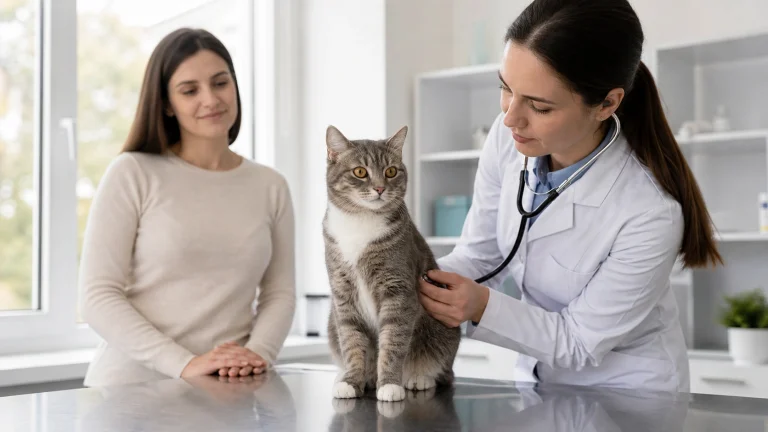
A male cat that cannot urinate is a critical, life-threatening emergency. If your cat repeatedly strains in the litter box without producing urine, cries out while posturing, vomits, exhibits severe lethargy, or has a firm, swollen abdomen, seek immediate emergency veterinary hospital care. Do not wait until morning or attempt home observation; delayed veterinary decompression can lead to fatal cardiac arrest from hyperkalemia within hours.
Clinical Practice Tool: Indoor Cat Home: Territory and Routines
Reduce feline urinary stress and optimize hydration stations with our Indoor Cat Home Environmental Guide. Download and print your copy of the Indoor Cat Home: Territory and Routines, or explore all practical pet care guides in the NewsPet Resource Center.
Sources
- Cornell Feline Health Center: Feline Lower Urinary Tract Disease (FLUTD)
- American Association of Feline Practitioners (AAFP): Feline Environmental Needs Guidelines
- Merck Veterinary Manual: Noninfectious Diseases of the Feline Urinary System
- Today’s Veterinary Practice: Feline Urethral Obstruction Diagnosis and Management
Source transparency
Reference mix for this guide
Source labels describe the type of organization behind each reference; they are not a claim that any outside organization reviewed this article.
- Cornell Feline Health Center: Feline Lower Urinary Tract Disease (FLUTD) Academic or extension · vet.cornell.edu
- American Association of Feline Practitioners (AAFP): Feline Environmental Needs Guidelines Veterinary organization · catvets.com
- Merck Veterinary Manual: Noninfectious Diseases of the Feline Urinary System Veterinary organization · merckvetmanual.com
- Today's Veterinary Practice: Feline Urethral Obstruction Diagnosis and Management Veterinary organization · todaysveterinarypractice.com