This guide is general education for pet owners. If your pet has urgent symptoms, possible poisoning, injury, breathing trouble, collapse, severe pain, or sudden decline, contact a licensed veterinarian or local emergency service.
Quick Answer
Cats cannot safely fast. While a single skipped meal warrant gentle monitoring, 24 to 48 hours without food triggers feline hepatic lipidosis, where mobilized fat stores overwhelm the liver. If your cat refuses all food for 24 hours, exhibits yellow-tinted ears or gums, or appears profoundly lethargic, transport them immediately to a veterinary clinic.
When a dog skips a meal, it is frequently a temporary behavioral reaction or mild digestive pause. In domestic felines, however, anorexia is never benign. As obligate carnivores, cats have evolved a unique metabolic architecture that requires constant dietary protein to fuel baseline hepatic function. When a cat stops eating, this evolutionary specialization becomes a lethal vulnerability. Within 48 hours of calorie deprivation, peripheral fat deposits mobilize en masse to the liver, precipitating acute hepatic lipidosis. Recognizing the strict clinical timeline of feline anorexia is one of the most critical responsibilities of cat ownership.
Editorial standard
How this guide was prepared
The Metabolic Cascade: Why Fasting Kills Felines
To understand the urgency of feline inappetence, caregivers must understand hepatic lipidosis (fatty liver syndrome):
- Continuous Protein Demand: Unlike omnivores, cats cannot downregulate their hepatic urea cycle enzymes during starvation. They continue to catabolize amino acids at high rates, rapidly exhausting bodily protein reserves.
- Massive Fat Mobilization: In response to acute negative energy balance, the feline endocrine system triggers massive lipolysis, sending vast quantities of non-esterified fatty acids from peripheral adipose tissue into the bloodstream.
- Hepatocellular Overload: The feline liver possesses limited biochemical capacity to oxidize these immense fatty acid loads into ketones. Instead, the liver re-esterifies them into triglycerides. Without adequate dietary protein (specifically methionine, choline, and carnitine) to assemble very low-density lipoproteins (VLDL), triglycerides cannot be exported back out into circulation.
- Cholestasis and Liver Failure: Hepatocytes swell massively with trapped lipid droplets, physically compressing adjacent bile canaliculi. This intrahepatic cholestasis halts normal bile flow, leaking bilirubin into the systemic bloodstream and driving the cat into acute liver failure, encephalopathy, and death.
- High-Risk Candidates: Overweight or obese cats are at exponentially higher risk because their larger peripheral fat reserves release catastrophic volumes of triglycerides into circulation upon food refusal.
Red-Flag Inappetence Triage Matrix
Track your cat’s feeding timeline against this structured clinical matrix to determine the required escalation level:
| Triage Tier | Fasting Timeline & Clinical Indicators | Mandatory Action |
|---|---|---|
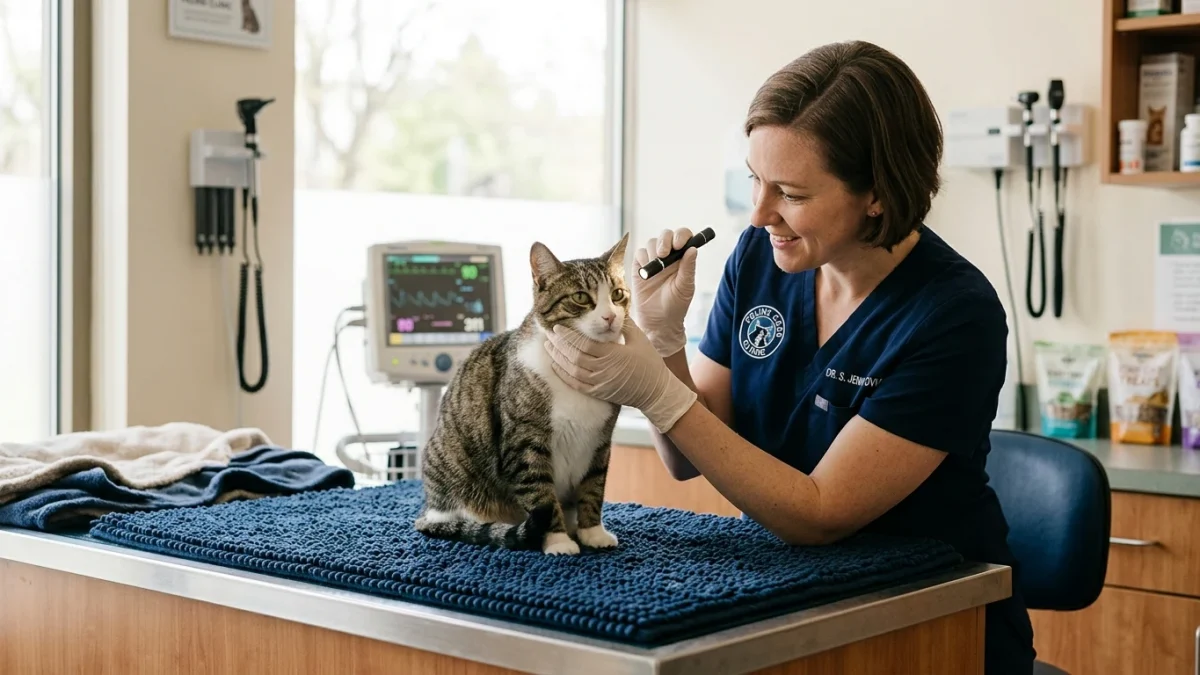
| Tier 1: Immediate Emergency (0–2 Hours) | 48+ hours without caloric intake; visible jaundice (icterus) appearing as yellow tinting on inner ear flaps (pinnae), sclera (whites of eyes), or oral gums; extreme lethargy; cervical ventroflexion (inability to lift the head due to severe hypokalemia); open-mouth panting or hypothermia. | Transport immediately to the nearest 24/7 emergency veterinary hospital. The cat requires immediate hospitalization, diagnostic blood chemistry, aggressive IV fluid therapy, and preparation for nutritional enteral feeding tube placement. |
| Tier 2: Same-Day Veterinary Care (12–24 Hours) | 24 to 36 hours of complete food refusal; eating less than 25% of normal daily calories for 48 hours; frequent lip-smacking, drooling, or turning away from the bowl (signs of nausea); concurrent sneezing or purulent nasal discharge; palpable weight loss. | Schedule a same-day clinical examination with your primary veterinarian. Early medical therapy (anti-nausea medications and appetite stimulants prescribed by a vet) can reverse anorexia before irreversible liver damage occurs. |
| Tier 3: Structured Home Appetite Encouragement (12–24 Hours) | Single missed meal (12 to 18 hours); fully alert, bright, and active; pink, moist mucous membranes; normal grooming and litter box usage; no vomiting, fever, or diarrhea. | Initiate low-stress, scent-enhanced feeding strategies at home. Remove stale food, warm meals slightly, and offer highly aromatic toppers. If complete food refusal reaches 24 hours, advance immediately to Tier 2 care. |
Recognizing Subtle Feline Nausea
Cats rarely vocalize pain. Instead, they exhibit subtle behavioral cues indicating profound nausea that caregivers often mistake for stubbornness or pickiness:
- The Approach-and-Retreat: The cat trots toward the food bowl with apparent hunger, sniffs the meal, and immediately recoils, walking away or shaking a front paw.
- Lip-Licking and Hypersalivation: Repetitive smacking of the lips, drooling, or excessive swallowing without eating indicates active nausea triggered by gastrointestinal inflammation or uremic toxins.
- Water Bowl Hovering: Crouching motionlessly directly over the water dish with the chin lowered, staring into the water without drinking, signals severe dehydration combined with systemic malaise.
- Whisker Tension and Grimace: Flattened ears, lowered whiskers pressed tightly against the cheeks, and half-closed eyes indicate acute abdominal discomfort. You can also monitor your cat’s baseline health parameters with our clinical screening utilities and vital timers.
Safe Home Appetite Encouragement vs. Dangerous Pitfalls (Rule S1)
When Tier 3 home care is appropriate within the initial 12-to-24-hour window, use these low-stress techniques:
Scent Amplification: Cats rely primarily on olfactory cues to stimulate feeding. Warm wet pate or shreds to approximately 100°F (38°C)—near prey body temperature—in a microwave or warm water bath. Heat releases volatile aromatic fats that awaken feline appetite pathways.
Whisker-Friendly Dishes: Use wide, shallow ceramic or stainless steel saucers. High-sided bowls cause repeated contact with sensitive feline vibrissae (whisker stress), discouraging inappetent animals from eating.
Aromatic Broths: Drizzle pure warm water from a can of tuna packed in spring water (sodium-free, no oil) or plain boiled chicken broth over their regular diet. Ensure the broth contains zero garlic, onions, leeks, or added salt.
Critical Prohibitions (Rule S1):
- Never force-feed an anorexic cat with a syringe: Squirting food slurry into a nauseated cat’s mouth triggers profound conditioned food aversion, guaranteeing the animal will permanently refuse that diet. More dangerously, struggling cats easily inhale slurry into the trachea, causing fatal aspiration pneumonia. If assisted feeding is required, veterinarians place comfortable, non-stressful esophageal (E-tubes) or nasoesophageal feeding tubes under mild sedation.
- Never use human appetite stimulants or psychiatric drugs: Administering human medications causes fatal serotonin syndrome, severe hypotension, and organ failure.
- Do not ‘wait it out’ assuming the cat will eat when hungry enough: Unlike dogs, cats will literally starve themselves to death due to physiological nausea and rapid hepatic decompensation.
Sources
- Feline Hepatic Lipidosis: Pathophysiology, Diagnosis, and Critical Care Management. Journal of Feline Medicine and Surgery / PubMed. Checked September 21, 2026.
- AAFP and ISFM Consensus Guidelines: Long-Term Management of Feline Chronic Kidney Disease and Inappetence. American Association of Feline Practitioners. Checked September 21, 2026.
- Cornell Feline Health Center: Anorexia in Cats and Fatty Liver Syndrome. Cornell University College of Veterinary Medicine. Checked September 21, 2026.
Caregiver Safety Checklist
- Zero food consumption for 24 to 48 hours requires urgent veterinary evaluation to prevent hepatic lipidosis.
- Inspect inner ears, gums, and eye whites for yellow jaundice (icterus); jaundice is an immediate medical emergency.
- Never force-feed a cat with a syringe; force-feeding triggers severe food aversion and fatal aspiration pneumonia.
- Warm wet food to body temperature (100°F) in a shallow saucer to stimulate natural olfactory feeding triggers.
Source transparency
Reference mix for this guide
Source labels describe the type of organization behind each reference; they are not a claim that any outside organization reviewed this article.
- Feline Hepatic Lipidosis: Pathophysiology, Diagnosis, and Critical Care Management Government or public agency · pubmed.ncbi.nlm.nih.gov
- AAFP and ISFM Consensus Guidelines: Long-Term Management of Feline Chronic Kidney Disease and Inappetence Reference source · journals.sagepub.com
- Cornell Feline Health Center: Anorexia in Cats and Fatty Liver Syndrome Academic or extension · vet.cornell.edu