This guide is general education for pet owners. If your pet has urgent symptoms, possible poisoning, injury, breathing trouble, collapse, severe pain, or sudden decline, contact a licensed veterinarian or local emergency service.
Quick Answer
Urinary incontinence in dogs is most commonly caused by Urethral Sphincter Mechanism Incompetence (USMI), particularly in middle-aged to senior spayed female dogs due to declining estrogen levels affecting urethral tone. Other common causes include bacterial urinary tract infections (UTIs), spinal cord disc disease (IVDD), ectopic ureters in young puppies, and metabolic diseases causing excessive drinking (diabetes, Cushing’s disease, kidney failure). Treatment with prescription medications—such as phenylpropanolamine (PPA / Proin) or estrogen therapy (estriol / Incurin)—restores sphincter muscle tone with high clinical success rates of eighty to ninety percent.
Editorial standard
How this guide was prepared
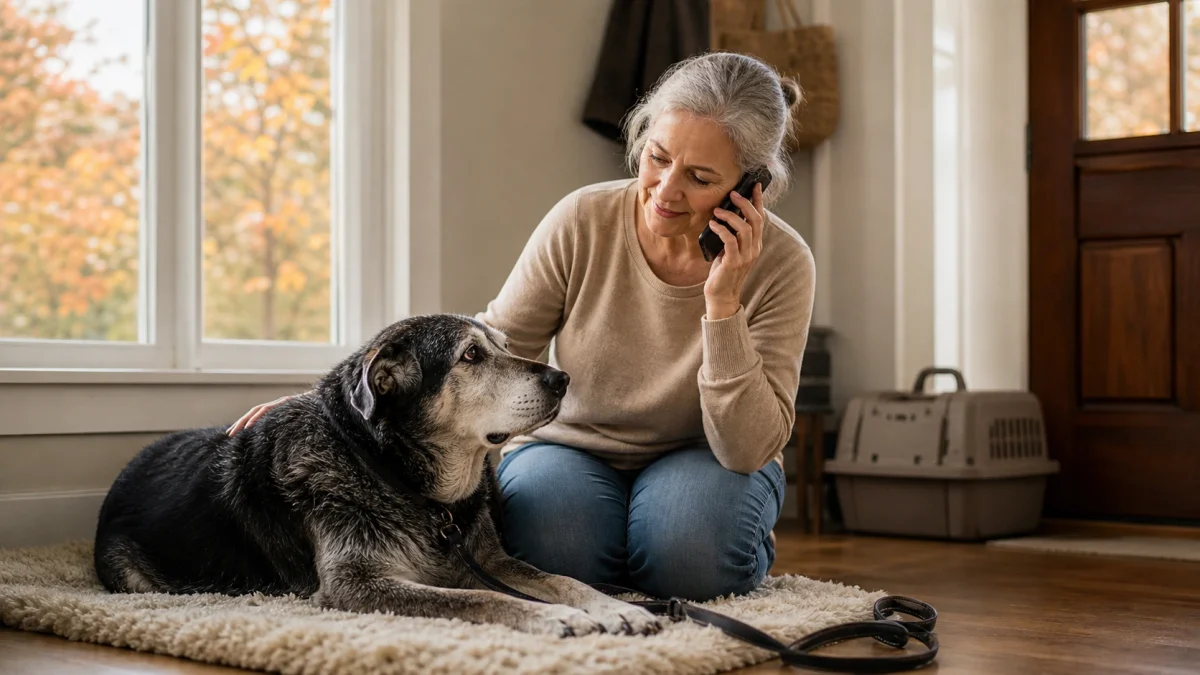
Discovering that your adult or senior dog is leaking urine around the home can be distressing, baffling, and frustrating for pet owners. Often, owners wake up to find wet spots on pet bedding, damp patches on the living room rug, or notice urine dripping involuntarily from their dog’s hindquarters while the animal is completely relaxed or asleep. Because housetraining regression is frequently misunderstood as deliberate behavioral spite or cognitive deterioration, it is vital to recognize that involuntary urinary leaking is almost always an underlying medical condition requiring targeted veterinary diagnostic care.
Urinary incontinence represents the involuntary voiding of urine, occurring without the dog’s conscious awareness or active urination posturing. Distinguishing between genuine neuro-muscular sphincter incompetence, bacterial urinary tract infections, metabolic polydipsia, and orthopedic disc compression allows veterinarians to institute highly effective therapeutic protocols that restore bladder control and protect household hygiene.
Involuntary Incontinence vs. Behavioral Inappropriate Urination

Before initiating medical testing, clinicians distinguish between involuntary bladder leakage and deliberate, conscious voiding:
| Clinical Parameter | Involuntary Urinary Incontinence | Behavioral Submissive / Inappropriate Urination |
|---|---|---|
| Conscious Awareness | Dog is completely unaware; leaks urine while asleep, resting, or rising from bed | Dog is wide awake; deliberately squats or lifts leg in specific locations |
| Physical Posture | No urination posture; lying down or walking when passive dripping occurs | Active posturing: low crouch, submissive urination with ears back, or leg lift |
| Urine Volume & Pattern | Wet patches under dog after sleeping; intermittent dripping on floors | Full bladder emptying or deliberate vertical urine marking on furniture/walls |
| Perineal Skin Health | Skin scalding, urine burn, redness, and persistent wet fur around vulva/prepuce | Normal dry perineal skin with zero urine scalding |
Primary Causes of Canine Urinary Leaking

Veterinary urologists categorize urinary incontinence into four primary medical mechanisms:
- Urethral Sphincter Mechanism Incompetence (USMI): Responsible for over 80% of incontinence cases in adult female dogs. After spaying, the gradual loss of circulating estrogens reduces collagen elasticity and smooth muscle tone within the internal urethral sphincter, allowing urine to seep past the neck of the bladder during rest. Medium to large breeds (such as Dobermans, Boxers, Golden Retrievers, and German Shepherds) are genetically predisposed.
- Bacterial Urinary Tract Infections (UTIs): Intense mucosal inflammation causes severe bladder spasm (detrusor muscle instability) and urge incontinence. Dogs urinate frequently in small amounts and may pass blood-tinged urine (hematuria). Review our urinary health and straining guide for comparative urological baselines.
- Neurological Spinal Compression (IVDD): Herniated intervertebral discs or lumbosacral stenosis disrupt autonomic pudendal and pelvic nerve conduction to the bladder, impairing either voluntary sphincter relaxation or reflex voiding.
- Metabolic Polydipsia (Excessive Thirst): Endocrine and renal disorders—including hyperadrenocorticism (Cushing’s disease), diabetes mellitus, and chronic renal disease—drive massive water intake, causing bladder over-distention and passive overflow leaking.
Medical Treatments & Home Care Management
Modern veterinary therapeutics offer reliable medical management for canine incontinence:
- Alpha-Adrenergic Agonists (Phenylpropanolamine / Proin): PPA directly stimulates alpha-receptors within the smooth muscle of the bladder neck and urethra, increasing resting urethral closure pressure. It is administered orally two to three times daily, with an 85% clinical response rate. Baseline blood pressure monitoring is recommended.
- Estrogen Replacement Therapy (Estriol / Incurin): For female dogs with hormonal USMI, estriol increases the density and sensitivity of alpha-receptors in the urethral sphincter. It is dosed once daily and tapered to the lowest effective maintenance frequency.
- Environmental Management: While medications take effect, protect your dog’s skin and household furniture by using washable waterproof orthopedic bed pads, dog diapers or belly bands (changed frequently to prevent moist dermatitis), and gentle unscented chlorhexidine wipes to prevent painful urine scalding on the groin.
Preventing Urine Scald & Secondary Bacterial Dermatitis
When dogs involuntarily leak urine, prolonged skin contact with damp fur causes debilitating secondary complications that require aggressive home management:
- The Pathology of Urine Scald: Cutaneous bacterial flora convert urea in leaked urine into caustic ammonia, causing severe chemical burns, erythema, intense itching, and secondary bacterial pyoderma across the perineum, groin, and hind legs.
- Daily Hygiene Protocol: Cleanse damp skin daily with warm water or dilute veterinary chlorhexidine (0.05%) wipes. Gently pat the area completely dry with a clean microfiber towel; never leave fur damp.
- Protective Barrier Ointments: Apply a thin layer of veterinary-approved zinc-free barrier ointment (such as pure medical-grade lanolin or pet-safe balms) over vulvar and groin skin to repel moisture. Never use human zinc oxide diaper creams (such as Desitin), which cause severe hemolytic anemia if licked and ingested by dogs.
- Waterproof Bedding & Diaper Hygiene: If using dog diapers or male belly bands, change them immediately after each wetting episode (minimum 3 to 4 times daily) to prevent creating an occlusive bacterial breeding ground. Use washable waterproof orthopedic mattress covers that wick moisture away from resting fur.
When to Contact a Veterinarian Immediately
If your dog suddenly develops urinary straining without producing urine, cries out in pain when attempting to eliminate, passes frank blood or blood clots, develops extreme abdominal distention, or shows sudden weakness or dragging of the rear limbs, seek immediate emergency veterinary care. Inability to pass urine indicates a mechanical urethral obstruction or severe neurological emergency that requires immediate clinical decompression.
Clinical Practice Tool: Daily Pet Care Routine Tracker
Record incontinence patterns, sleep leaking times, and medication administration with our Daily Pet Care Routine Tracker. Download and print your copy of the Daily Pet Care Routine Tracker, or explore all practical pet care guides in the NewsPet Resource Center.
Sources
- Today’s Veterinary Practice: Diagnosis and Management of Urinary Incontinence in Dogs
- DVM360: Clinical Protocols for Canine Urethral Sphincter Mechanism Incompetence
- VCA Animal Hospitals: Incontinence in Dogs: Medical Causes and Pharmacological Therapy
- Merck Veterinary Manual: Noninfectious Diseases and Incontinence in Small Animals
Source transparency
Reference mix for this guide
Source labels describe the type of organization behind each reference; they are not a claim that any outside organization reviewed this article.
- Today's Veterinary Practice: Diagnosis and Management of Urinary Incontinence in Dogs Veterinary organization · todaysveterinarypractice.com
- DVM360: Clinical Protocols for Canine Urethral Sphincter Mechanism Incompetence Reference source · dvm360.com
- VCA Animal Hospitals: Incontinence in Dogs: Medical Causes and Pharmacological Therapy Reference source · vcahospitals.com
- Merck Veterinary Manual: Noninfectious Diseases and Incontinence in Small Animals Veterinary organization · merckvetmanual.com