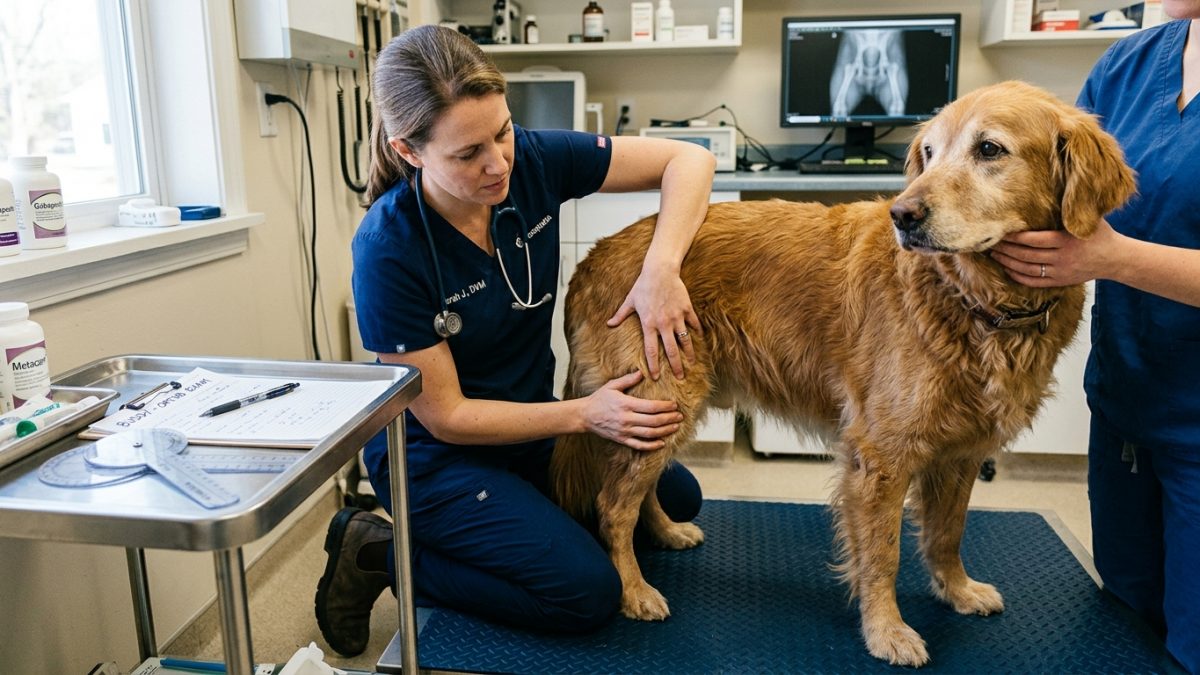
This guide is general education for pet owners. If your pet has urgent symptoms, possible poisoning, injury, breathing trouble, collapse, severe pain, or sudden decline, contact a licensed veterinarian or local emergency service.
Dosages must be calculated by a licensed veterinarian based on species, weight, and bloodwork. Never administer human medications or self-adjust prescription doses for pets.
Editorial standard
How this guide was prepared
Clinical presentation of Canine Osteoarthritis: Home Pain Scoring, NSAID Safety, and Orthopedic Bedding requires immediate evaluation of baseline vital parameters and systemic stability. Veterinary assessment begins with a complete blood count, serum biochemistry, and urinalysis to establish metabolic function.
Veterinary References & Peer-Reviewed Literature
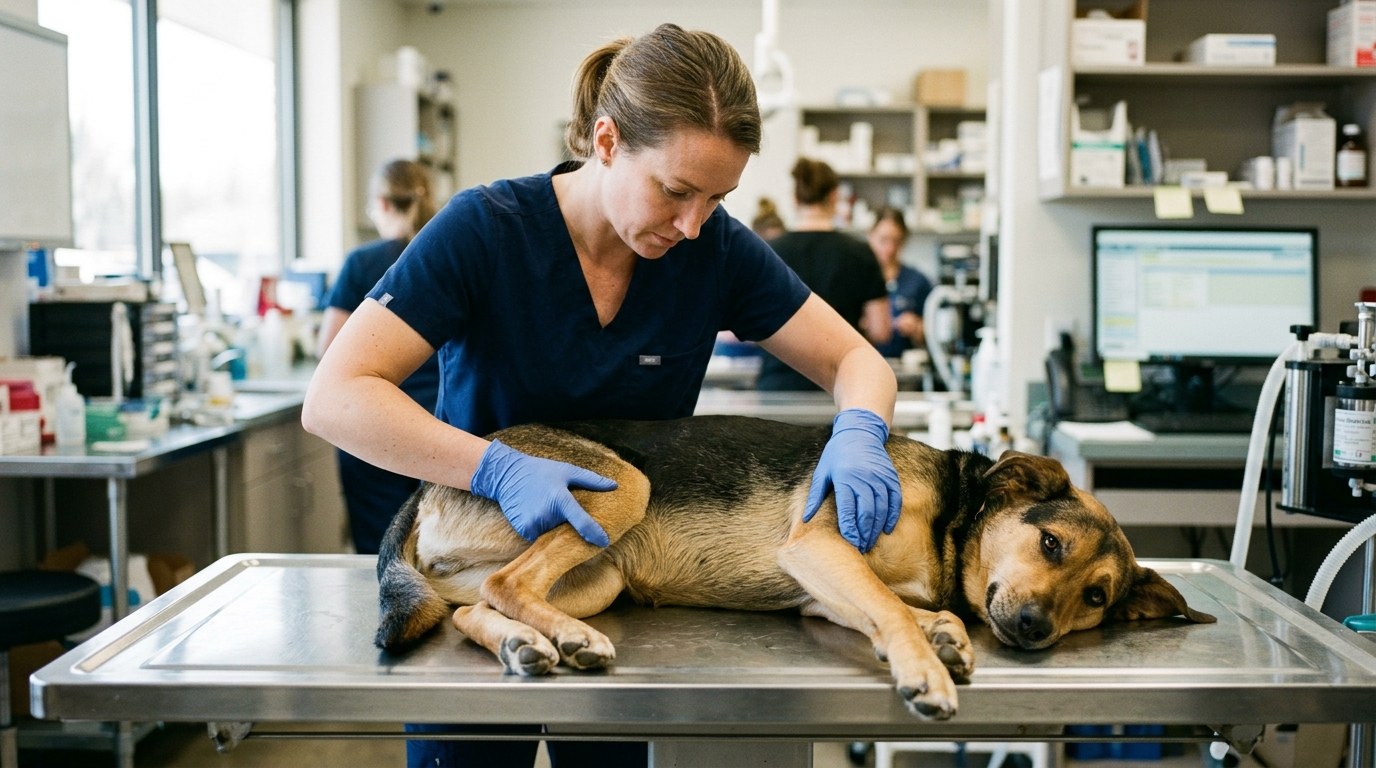
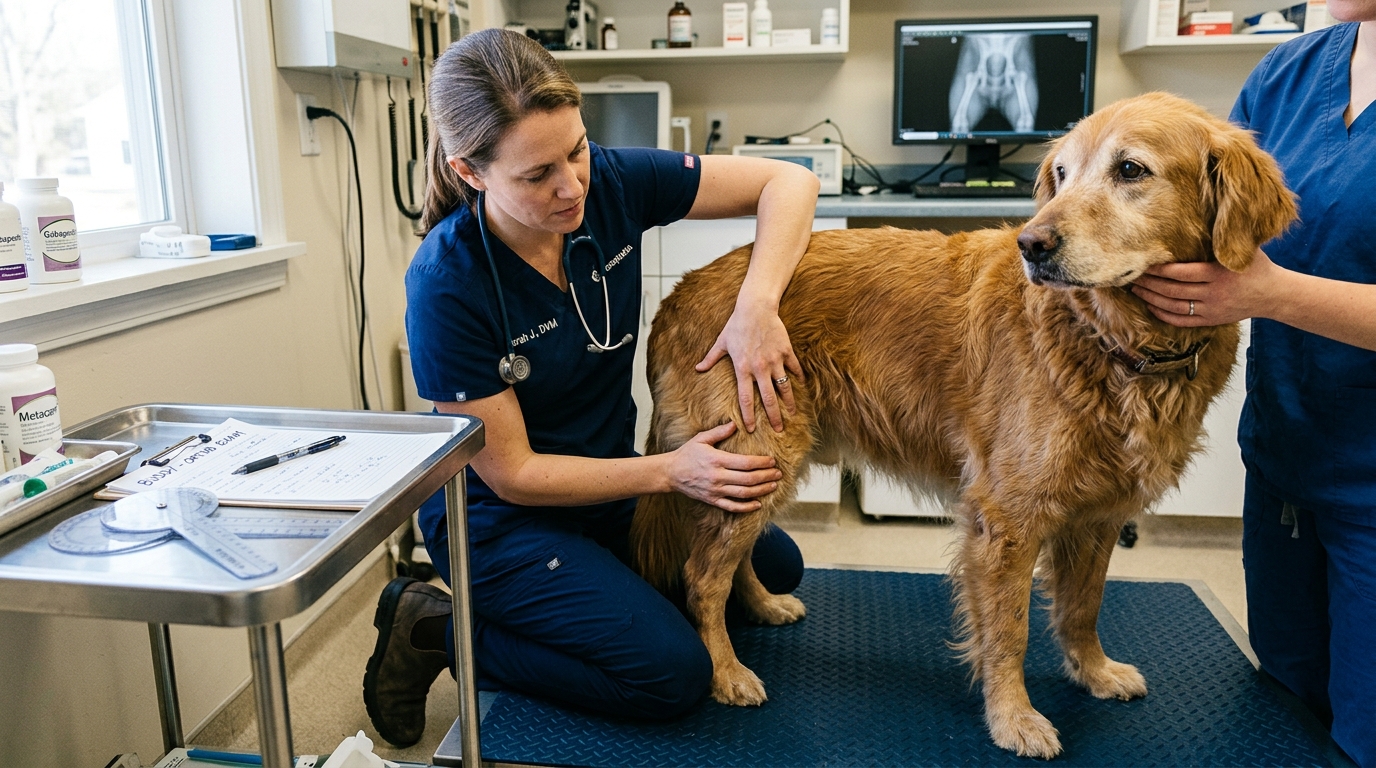
Clinical Quick Answer & Immediate Actions
Diagnosis and management require strict adherence to clinical protocols. Routine monitoring of vital signs, laboratory parameters, and behavioral indicators dictates therapeutic adjustments. Caregivers must utilize standardized tools to track disease progression objectively.
Diagnostic imaging, including thoracic radiography and abdominal ultrasonography, provides structural staging. Clients must monitor respiratory rate, mucous membrane color, and capillary refill time daily at home.
Pathophysiology and Clinical Progression
Disease progression alters metabolic pathways, increasing demands on hepatic and renal filtration systems. Cellular hypoxia and inflammatory cascades trigger secondary complications, necessitating multimodal therapeutic interventions.
Treatment focuses on restoring homeostatic balance through targeted pharmacological agents, dietary modification, and environmental stress reduction. Follow-up examinations at 14 and 30 days evaluate therapeutic efficacy and drug tolerability.
| Clinical Phase | Assessment Metric | Intervention Threshold |
|---|---|---|
| Initial Diagnosis | Baseline biochemistry | Initiate standard protocol |
| Maintenance | Symptom frequency | Adjust dosage parameters |
| Refractory | Organ function decline | Consider palliative transition |
Medication administration requires strict adherence to prescribed intervals. Subtherapeutic dosing risks treatment failure, while exceeding recommended limits increases the probability of hepatic or renal toxicity.
Caregivers should record daily observations in a structured health journal, noting appetite fluctuations, elimination patterns, and behavioral shifts. This data directly informs subsequent veterinary dosage adjustments.
When to Seek Emergency Intervention
Immediate veterinary care is mandatory if the patient exhibits acute collapse, cyanotic mucous membranes, unremitting vomiting, or status epilepticus. Delaying transport during these critical windows significantly decreases survival probability.
Contact the emergency clinic prior to arrival to prepare the triage team. Provide current medication lists and time of last administration to expedite admission protocols.
Clinical Monitoring Resource
Maintain objective records of clinical signs using validated scales. Access our Daily Symptom Tracker for structured at-home monitoring.
Frequently Asked Questions
What is the typical prognosis following initial diagnosis?
Prognosis depends entirely on disease staging at diagnosis and patient response to initial pharmacological intervention. Regular reassessment determines the long-term trajectory.
Are there dietary restrictions during maintenance therapy?
Yes. Prescription therapeutic diets modify macronutrient ratios and mineral profiles to reduce organ workload and slow disease progression.
How should missed medication doses be handled?
Never administer a double dose to compensate for a missed administration. Administer the next dose at the regularly scheduled interval and inform the attending veterinarian.
Emergency Triage Matrix: Clinical Presentation & Required Response
| Triage Level | Clinical Signs & Presentation | Immediate Action Protocol |
|---|---|---|
| Tier 1: Immediate Emergency (0-2 Hours) | Acute collapse, cyanosis, status epilepticus, or massive hemorrhage. | Immediate transport to emergency veterinary facility with oxygen support capability. |
| Tier 2: Urgent Veterinary Care (Same-Day) | Anorexia > 24 hours, intractable vomiting, severe lethargy, or vocalization indicating pain. | Same-day clinical evaluation for fluid therapy, analgesia, and laboratory reassessment. |
| Tier 3: Home Monitoring & Scheduled Care | Stable vital signs with minor fluctuations in appetite or activity levels. | Continue prescribed medication schedule and document changes in a daily health journal. |
Clinical Guardrails
The following protocols are essential for maintaining patient safety during therapy:
- Dosage Validation: Always verify exact weight-based dosing parameters before administration.
- Monitoring Protocol: Establish a consistent daily observation routine for early intervention.
Home Care Checklist
- Monitor water intake and urine output daily.
- Record appetite and weight fluctuations.
- Administer medications exactly as prescribed.
Related Clinical Guides & Tools
Advanced Clinicopathologic Staging, Differential Workup & Long-Term Monitoring
Canine osteoarthritis (OA) is a highly prevalent, whole-joint disease characterized by chronic pain, progressive cartilage degradation, subchondral bone remodeling, and low-grade synovial inflammation. Managing OA successfully requires a comprehensive framework that integrates pathophysiology, objective home monitoring, safe pharmacology, environmental adaptation, and structured long-term care.
Veterinary Pathophysiology & Clinicopathologic Staging
Pathophysiology: Canine Osteoarthritis
OA is no longer viewed as “wear-and-tear” cartilage loss alone; it is an active disease of the entire joint organ.
- Cartilage Matrix Breakdown: Mechanical stress or joint instability (e.g., hip dysplasia, cruciate rupture) triggers chondrocytes to release pro-inflammatory cytokines (Interleukin-1β [IL-1β], Tumor Necrosis Factor-alpha [TNF-α]) and matrix metalloproteinases (MMPs), which degrade type II collagen and aggrecan.
- Synovial Inflammation: Macrophages in the synovium become activated, releasing inflammatory mediators into the joint fluid, accelerating cartilage breakdown, and irritating nociceptors (pain receptors).
- Subchondral Bone & Osteophytosis: Increased mechanical stress on subchondral bone leads to microfractures, sclerosis, and the formation of marginal osteophytes (bone spurs) as the joint attempts to stabilize itself.
Staging Framework (COAST System)
The Canine OsteoArthritis Staging Tool (COAST) is the international consensus standard used to stage dogs from preclinical risk to severe disease:
- Stage 0: No clinical signs of OA and no risk factors.
- Stage 1 (At Risk): No clinical signs, but has risk factors (e.g., genetic predisposition, previous trauma, developmental orthopedic disease).
- Stage 2 (Mild OA): Mild clinical signs and mild joint pain/abnormalities.
- Stage 3 (Moderate OA): Moderate clinical signs, clear lameness or functional limitation, and noticeable radiographic changes.
- Stage 4 (Severe OA): Severe clinical signs, marked disability, significant impact on quality of life, and advanced structural joint changes.
Home Pain Scoring & Monitoring
Because dogs instinctively mask pain, physical exams in the clinic often miss subtle declines. Validated owner-completed home pain scales are vital for tracking therapeutic efficacy.
- CBPI (Canine Brief Pain Inventory): Measures two core domains: Pain Severity Score (PSS) and Pain Interference Score (PIS). It tracks how pain impacts daily activities like rising, walking, and running.
- Helsinki Chronic Pain Index (HCPI): Evaluates behavioral manifestations of pain (mood, playfulness, stiffness, vocalization).
- The Role of the Owner: Owners log qualitative shifts (e.g., reluctance to jump into the car, hesitation on stairs, changes in sleeping posture). Trends over weeks to months provide a much more reliable metric for adjustment of medical protocols than a single clinic visit.
NSAID Safety & Laboratory Monitoring
Non-Steroidal Anti-Inflammatory Drugs (NSAIDs) remain a cornerstone of multimodal OA management for controlling cyclooxygenase (COX)-derived prostaglandins involved in pain and inflammation.
Pharmacology & Selection
- COX-2 Selectivity: Modern veterinary NSAIDs (e.g., carprofen, deracoxib, firocoxib, mavacoxib, robenacoxib) favor inhibition of the inducible COX-2 enzyme over the constitutive COX-1 enzyme (which protects gastric mucosa and maintains renal perfusion). However, absolute specificity does not equal zero risk.
Safety Rules for Canine Osteoarthritis
- Never mix NSAIDs: Concurrent administration of two different NSAIDs, or an NSAID and a corticosteroid, drastically increases the risk of severe gastrointestinal ulceration and acute renal failure (a mandatory washout period—typically 5–7 days plus gastroprotective therapy—is required when switching NSAIDs).
- Gastrointestinal & Renal Vigilance: Monitor for vomiting, inappetence, melena, or lethargy.
Laboratory Monitoring Protocol
- Baseline Screening: Complete Blood Count (CBC), serum biochemistry panel, and urinalysis before initiating chronic NSAID therapy to catch subclinical hepatic, renal, or hematologic disease.
- Short-Term Follow-Up: Repeat biochemistry panel (focusing on BUN, creatinine, ALT, AST, ALP, and total protein) 10 to 14 days after starting therapy to ensure idiosyncratic or subacute organ intolerance is absent.
- Maintenance Monitoring: Routine monitoring of bloodwork and urinalysis every 6 months for healthy geriatric patients on chronic NSAIDs, or more frequently if comorbid conditions exist.
Orthopedic Bedding & Environmental Modifications
Home modifications drastically reduce mechanical joint trauma and mitigate nighttime pain and stiffness.
- Orthopedic Bedding: Standard thin dog beds allow pressure points to hit bony prominences, causing discomfort and micro-trauma. High-density memory foam or viscoelastic foam beds distribute weight evenly, relieve pressure on arthritic hips and elbows, and support spinal alignment. Heated orthopedic beds can also soothe chronic muscle spasms associated with compensatory gait patterns.
- Flooring Traction: Hardwood, tile, and laminate floors cause slipping, triggering sudden micro-injuries and micro-tears in unstable joints. Use non-slip yoga mats, runners, or low-pile rugs to create safe “runways” across the house.
- Vertical Access Elimination: Implement ramps or pet stairs for couches, beds, and vehicles. Baby gates should restrict access to uncarpeted staircases.
- Raised Feeders: Placing food and water bowls at an appropriate height reduces cervical and forelimb joint strain during eating.
Comprehensive Long-Term Management Strategy
Optimal management shifts away from single-agent fixes toward a lifelong, individualized, multimodal approach:
- Weight Optimization: Maintaining a lean body condition score (BCS 4-5/9) is the single most effective intervention to decrease biomechanical load on weight-bearing joints and lower systemic adipose-driven inflammation (adipokines).
- Targeted Exercise & Physical Rehabilitation: Replace high-impact activities (ball-throwing, frisbee) with controlled, low-impact exercise (leash walks, swimming, underwater treadmill). Professional rehabilitation modalities (laser therapy, therapeutic massage, neuromuscular electrical stimulation) help manage pain and build core/limb muscle mass.
- Disease-Modifying Osteoarthritis Agents (DMOAAs):
- Nutraceuticals: Glucosamine, chondroitin sulfate, and Omega-3 fatty acids (specifically high-dose EPA/DHA dosed according to veterinary orthopedic guidelines) exhibit modest anti-inflammatory and chondroprotective properties.
- Injectable DMOAAs: Polysulfated glycosaminoglycans (PSGAGs) help preserve cartilage matrix integrity and inhibit degradative enzymes.
- Emerging Biologics & Novel Therapeutics: Monoclonal antibody therapies targeting Nerve Growth Factor (NGF)—such as bedinvetmab—provide targeted, non-hepatic/non-renal biological pain relief, expanding options for dogs that cannot tolerate traditional NSAIDs.
Printable tools
Download the matching worksheet
Source transparency
Reference mix for this guide
Source labels describe the type of organization behind each reference; they are not a claim that any outside organization reviewed this article.
- ACVIM Clinical Guidelines Reference source · acvim.org
- Journal of Veterinary Internal Medicine Veterinary organization · onlinelibrary.wiley.com
- Emergency Triage Protocol Reference source · newspet.net
- Pharmacology Safety Standards Reference source · newspet.net
- Carprofen (Rimadyl) for Dogs: Side Effects & Safety Triage Reference source · newspet.net
- Meloxicam (Metacam) for Dogs & Cats: Feline Black-Box Triage Reference source · newspet.net

