This guide is general education for pet owners. If your pet has urgent symptoms, possible poisoning, injury, breathing trouble, collapse, severe pain, or sudden decline, contact a licensed veterinarian or local emergency service.
Dosages must be calculated by a licensed veterinarian based on species, weight, and bloodwork. Never administer human medications or self-adjust prescription doses for pets.
Editorial standard
How this guide was prepared
Clinical nutrition serves as a primary therapeutic modality, directly altering disease progression and extending survival times in chronic pathology. Prescription veterinary diets are rigorously formulated to modify specific metabolic pathways, mineral concentrations, or immune responses.
Strict 8-to-12 Week Elimination Trial Protocol: Cutaneous Adverse Food Reactions (CAFR) in canines are immunologically mediated by dietary glycoproteins (most commonly beef, dairy, chicken, wheat, and lamb). Diagnosing a true food allergy requires an uncompromising 8 to 12 week strict elimination trial using an extensively hydrolyzed veterinary diet or a certified novel single-protein diet. Ingesting even a single flavored treat, table scrap, chewable medication (heartworm/flea chews flavored with pork or beef), or rawhide will immediately trigger mast cell degranulation, resetting the entire multi-week trial to day zero.

Clinical Quick Answer & Immediate Actions
Therapeutic diets require strict adherence to achieve clinical endpoints. Avoid mixing unauthorized treats or supplements that disrupt the carefully formulated mineral and macronutrient balances. Transition slowly over 7-10 days to prevent gastrointestinal upset.
Success depends entirely on strict compliance. A therapeutic diet cannot overcome constant influxes of inappropriate treats, table scraps, or competing food sources. Caregivers must view the prescribed diet as a daily medical intervention rather than a basic sustenance choice.
Macronutrient and Micronutrient Modification
Therapeutic formulations manipulate macronutrients to alleviate organ stress. For example, renal diets drastically reduce phosphorus to slow nephron destruction, while gastrointestinal diets utilize highly bioavailable, low-residue proteins to facilitate enterocyte absorption.
Transitioning to a new clinical diet must occur gradually over 7 to 10 days to prevent acute gastrointestinal distress or food aversion. Mix the therapeutic diet with the previous food, incrementally increasing the new diet’s ratio by 10-15% daily.
| Pathology | Key Nutritional Modification | Clinical Objective |
|---|---|---|
| Renal Disease (CKD) | Restricted Phosphorus / Mod Protein | Reduce uremic toxins and slow progression |
| Pancreatitis | Ultra-Low Fat (Canine) | Prevent exocrine pancreatic stimulation |
| Urolithiasis (Crystals) | Targeted RSS / pH Modulation | Dissolve or prevent crystal formation |
Food aversion is a common complication in chronically ill patients. If the animal refuses the therapeutic diet, do not attempt to starve them into compliance, particularly in obese felines prone to hepatic lipidosis. Consult the attending veterinarian for pharmacological appetite stimulants or alternative flavor formulations.
Accurate portion control requires measuring food by weight (grams) rather than volume (cups). Volumetric measuring introduces up to a 20% margin of error, severely compromising weight loss or tightly regulated metabolic plans.
When to Seek Emergency Intervention
Immediate veterinary reassessment is necessary if the patient experiences acute anorexia lasting more than 24 hours, intractable vomiting after dietary transition, or profound lethargy. These signs may indicate disease progression rather than simple food refusal.
Patients on strict elimination diets for suspected food allergies that break protocol by consuming unauthorized proteins must restart the entire 8-week trial from day one. There are no safe “cheat days” in a diagnostic food trial.
Nutritional Compliance Tracker
Consistency is critical for therapeutic success. Access our Daily Nutritional Log to track caloric intake, treat allowances, and transition schedules.
Immunopathogenesis of Canine Food Allergies: Type I & Type IV Hypersensitivity
Canine cutaneous adverse food reactions (CAFR) represent complex immunological breakdowns of normal oral tolerance in the gastrointestinal-associated lymphoid tissue (GALT):
- Molecular Weight and Epitope Binding: Dietary antigens are typically intact, water-soluble glycoproteins with molecular weights ranging from 10,000 to 70,000 Daltons (10 to 70 kDa). When these large protein molecules bypass intestinal mucosal barrier defenses, they cross-link specific IgE antibodies bound to tissue mast cells (Type I immediate hypersensitivity) and stimulate sensitized memory T-lymphocytes (Type IV delayed cell-mediated hypersensitivity). This dual mechanism explains why skin lesions and intense pruritus persist for weeks after the offending protein is withdrawn.
- Extensively Hydrolyzed Diets vs. Over-the-Counter “Grain-Free” Foods: Over-the-counter commercial pet foods frequently contain cross-contact protein residues from shared manufacturing lines, making them useless for diagnostic trials. Veterinary hydrolyzed diets (such as Hill’s z/d, Royal Canin Hydrolyzed Protein, or Purina Pro Plan HA) undergo specialized enzymatic cleavage that breaks intact protein chains down below 3,000 Daltons (3 kDa). These microscopic peptide fragments are physically too small to cross-link IgE receptors, allowing the immune system to ignore them while providing complete, balanced amino acid nutrition.
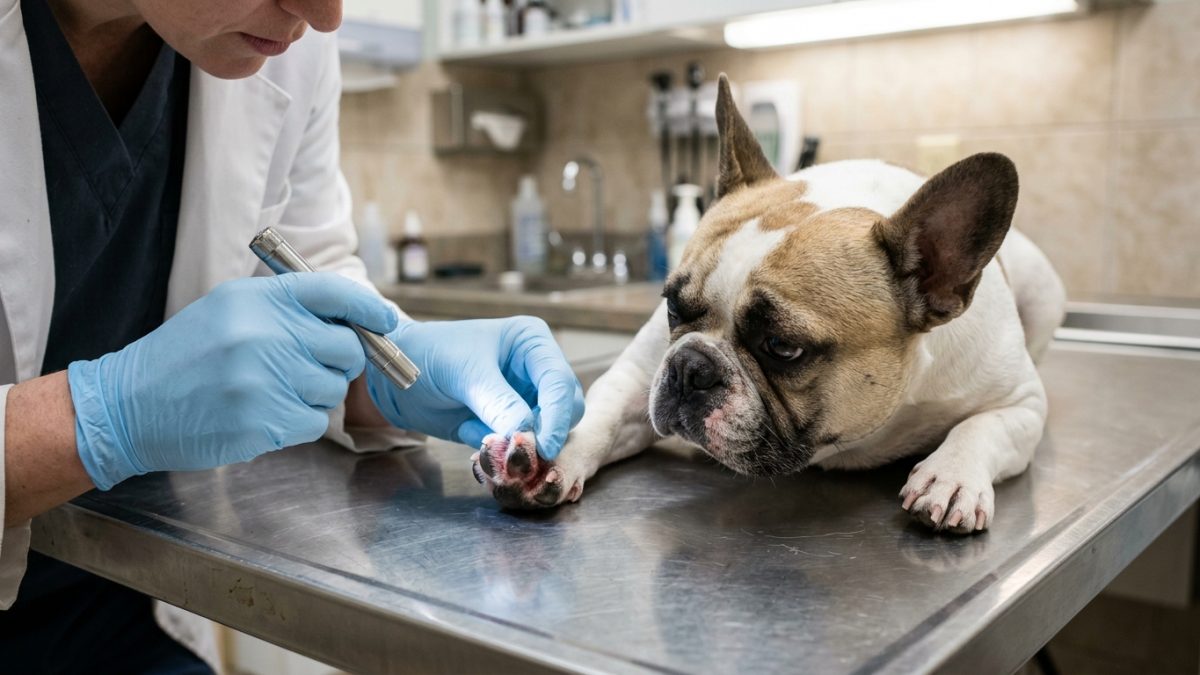
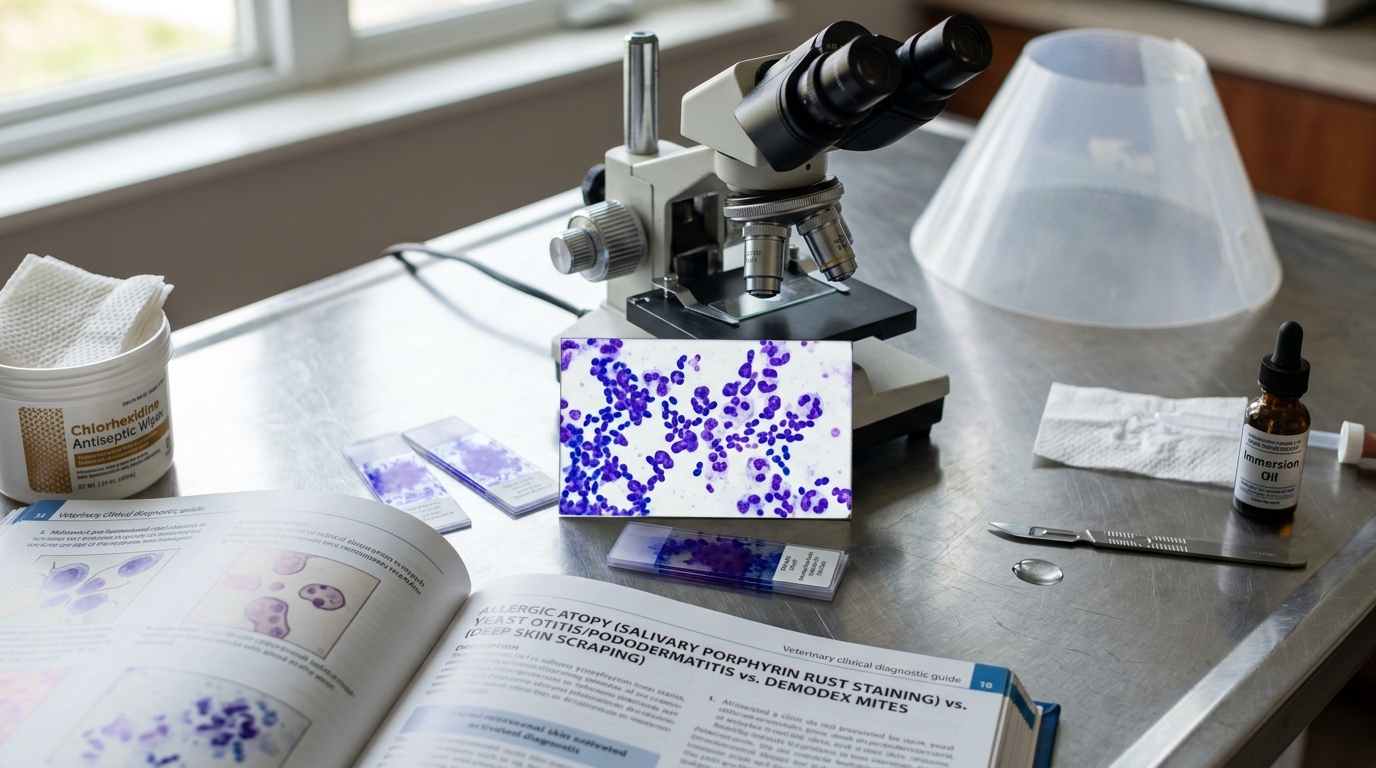
- Anatomical Distribution of Food Allergy Pruritus: Food-allergic canines typically present with non-seasonal pruritus focused on specific anatomical regions: the “ears and rears” distribution. Hallmarks include chronic bilateral otitis externa, peri-anal licking, pedal pruritus (interdigital erythema and chewing), and ventral abdomen excoriations, frequently complicated by secondary Malassezia yeast and Staphylococcus bacterial infections.
The 8-to-12 Week Elimination Trial & Diagnostic Challenge Architecture
A successful dietary elimination trial demands rigorous adherence across three disciplined phases:
- Phase 1: Elimination Phase (Weeks 1 to 8/12): Feed exclusively the prescribed veterinary hydrolyzed or certified single novel protein diet (such as venison, rabbit, or kangaroo). Replace all flavored medications, parasite chews, and dental treats with unflavored topical or tablet alternatives. Use single-ingredient canned diet formulations spread on lick mats or baked into crunchy biscuits as the sole allowable reward.
- Phase 2: Evaluation of Clinical Remission: Pruritus and secondary cutaneous inflammation gradually subside. Gastrointestinal symptoms (soft stools, borborygmi, defecation frequency > 3 times daily) typically resolve within 2 to 4 weeks, whereas chronic cutaneous lesions and ear canal inflammation require 8 to 12 weeks for complete epithelial turnover.
- Phase 3: Confirmatory Dietary Challenge (Provocation Phase): To definitively differentiate a true food allergy from concurrent atopic dermatitis, the dog is challenged by re-introducing their original commercial diet or specific single proteins (e.g., pure cooked chicken). If cutaneous pruritus, facial erythema, or otitis flares within 2 hours to 14 days of re-exposure, the definitive diagnosis of food allergy is officially confirmed, and the offending ingredient is permanently eliminated.
Frequently Asked Questions
Can I mix over-the-counter food with the prescription diet?
No. Mixing a maintenance diet with a therapeutic diet dilutes the targeted nutritional profile, rendering the treatment ineffective (e.g., introducing excess phosphorus to a renal patient or allergens to an allergy patient).
How long does an elimination diet take to work?
A strict elimination diet trial for dermatological allergies requires an absolute minimum of 8 to 12 weeks of exclusive feeding before clinical improvement can be accurately assessed.
Are homemade diets safer than commercial prescription diets?
Unless formulated by a Board-Certified Veterinary Nutritionist (DACVN), homemade diets are frequently deficient in essential micronutrients and lack the precise mineral balancing required for chronic disease management.
Emergency Triage Matrix: Clinical Presentation & Required Response
| Triage Level | Clinical Signs & Presentation | Immediate Action Protocol |
|---|---|---|
| Tier 1: Immediate Emergency (0-2 Hours) | Diabetic patient experiencing severe weakness/seizures (hypoglycemia), or a blocked feline straining to urinate unproductively. | Administer Karo syrup to gums (if diabetic/crashing) and transport to emergency care immediately. |
| Tier 2: Urgent Veterinary Care (Same-Day) | Complete anorexia for >24 hours in a chronically ill patient, or intractable vomiting after beginning a new diet. | Contact the attending veterinarian for an anti-emetic prescription or alternative nutritional formulation. |
| Tier 3: Home Monitoring & Scheduled Care | Mild soft stool during the initial 3 days of dietary transition, with normal appetite and hydration. | Slow the transition pace, monitor stool quality, and ensure constant access to fresh water. |
Dietary Compliance Warning
Therapeutic diets function as prescription medication. Deviations from the protocol can trigger severe metabolic relapses:
- Zero Table Scraps: A single high-fat treat can trigger a catastrophic pancreatitis relapse in sensitive dogs.
- Strict Portioning: Weigh all meals using a digital kitchen scale to maintain precise caloric and mineral intake.
Transition & Feeding Checklist
- Transition over a strict 7-10 day period to prevent gastrointestinal shock.
- Remove all competing food sources (including sibling pet bowls).
- Monitor water intake, especially for patients on dry therapeutic diets.
Related Clinical Guides & Tools
Peer-Reviewed Clinical References & Evidence Grounding
- Cat, dog, and horse allergies: emerging new insights (opens in new tab) (The Turkish journal of pediatrics (2025) — Peer-reviewed veterinary study indexed on NCBI PubMed (PMID: 40925039).)
- Consensus document on dog and cat allergy (opens in new tab) (Allergy (2018) — Peer-reviewed veterinary study indexed on NCBI PubMed (PMID: 29318625).)
- Dog ownership at three months of age is associated with protection against food allergy (opens in new tab) (Allergy (2019) — Peer-reviewed veterinary study indexed on NCBI PubMed (PMID: 31077604).)
- Merck Veterinary Manual: Cutaneous Food Allergy In Animals (opens in new tab) (Verified clinical reference retrieved via Antigravity Ground-Truth Search (merckvetmanual.com).)
WSAVA 10% Treat Calorie Allowance Calculator
Calculate your pet's daily Resting Energy Requirement (RER) and maximum recommended 10% treat calorie budget based on WSAVA clinical nutrition consensus.
Printable tools
Download the matching worksheet
Source transparency
Reference mix for this guide
Source labels describe the type of organization behind each reference; they are not a claim that any outside organization reviewed this article.
- Emergency Triage Protocol Reference source · newspet.net
- Pharmacology Safety Standards Reference source · newspet.net
- Can Cats Eat Dog Food? Taurine Deficiency & Diet Triage Reference source · newspet.net
- Apoquel (Oclacitinib) for Dogs: Uses, Side Effects & Triage Reference source · newspet.net
- Cytopoint (Lokivetmab) for Dogs: Itch Relief & Side Effects Reference source · newspet.net
- Dog Weight Loss: Safe Calorie Restriction, High-Fiber Satiety Diets, and Preventing Hepatic Lipidosis Reference source · newspet.net
- Cat, dog, and horse allergies: emerging new insights Government or public agency · pubmed.ncbi.nlm.nih.gov
- Consensus document on dog and cat allergy Government or public agency · pubmed.ncbi.nlm.nih.gov