Health and Safety Boundary
Jump to Emergency Red Flags ↓
This guide is general education for pet owners. If your pet has urgent symptoms, possible poisoning, injury, breathing trouble, collapse, severe pain, or sudden decline, contact a licensed veterinarian or local emergency service.
Editorial standard
How this guide was prepared
Edited for decisions
NewsPet guides are structured around practical owner choices, tradeoffs, and safety boundaries.
Source policy
Sources are listed when a guide relies on outside references.
Veterinary boundary
This article does not diagnose or prescribe; urgent symptoms need veterinary care.
Corrections
Readers can flag unclear, outdated, or inaccurate information through our contact page.
Can Cats Eat Dog Food? Taurine Deficiency & Diet Triage
Clinical Verdict: SAFE AS SINGLE NIBBLE (Fatal Long-Term Deficiencies)
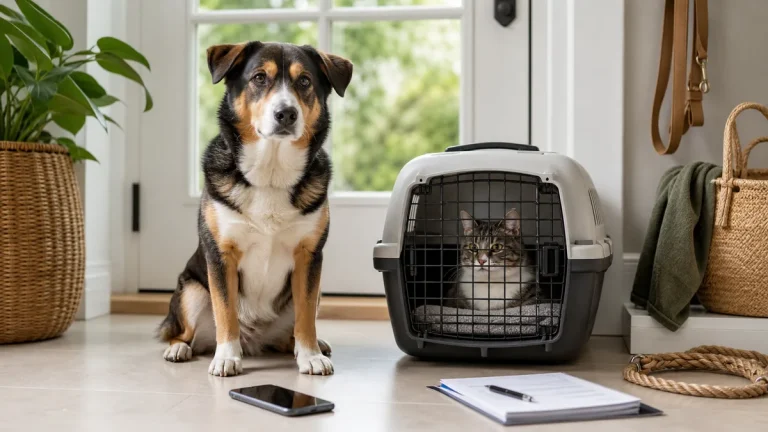
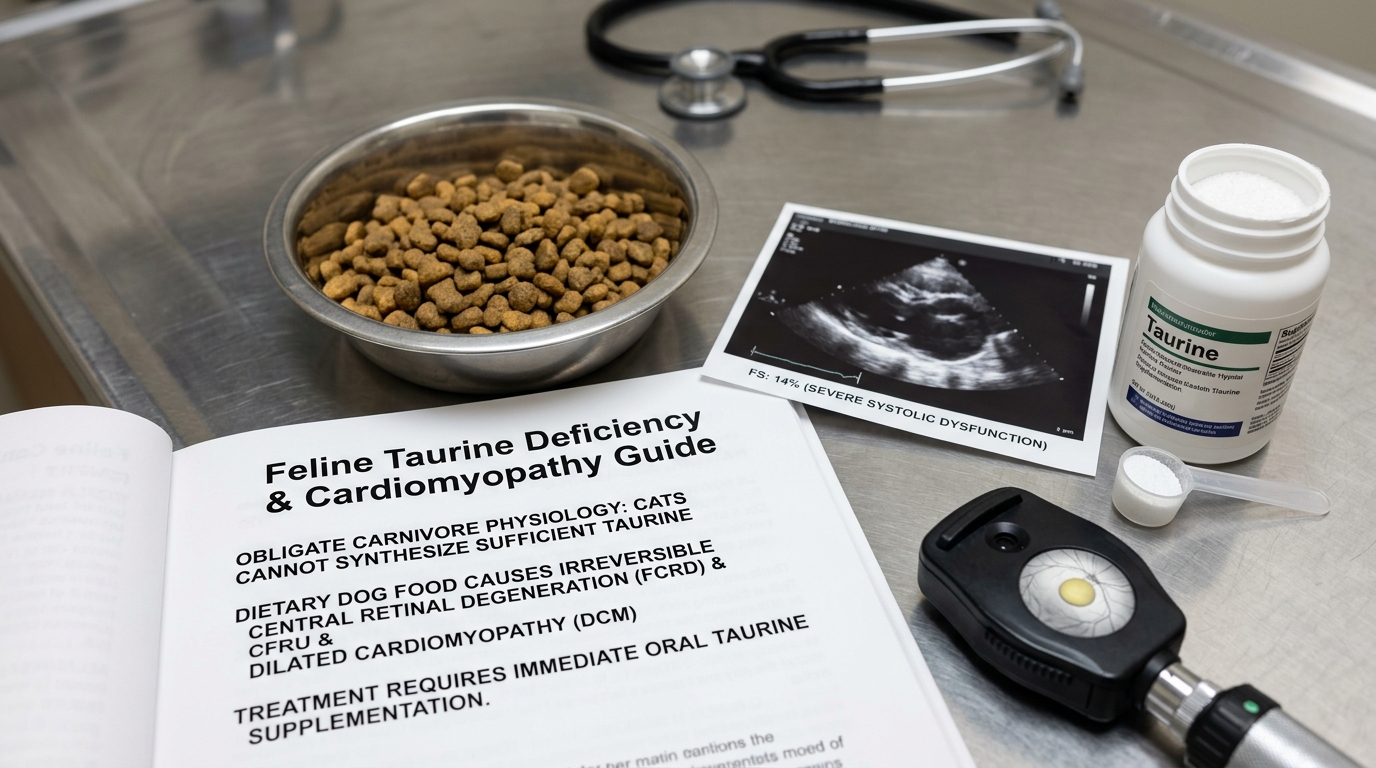
Cats CANNOT survive on dog food. Cats are obligate carnivores requiring high dietary protein, pre-formed Vitamin A, arachidonic acid, and essential taurine—all of which are deficient in dog formulations.
Toxic Mechanism & Agent
- Toxic Agent: Taurine & Essential Nutrient Deficiency
- Mechanism of Action: Cats cannot synthesize taurine from cysteine. Long-term taurine deficiency causes central retinal degeneration (irreversible blindness) and dilated cardiomyopathy (heart failure).
Clinical Signs & Timeline
- Onset Time: Single accidental nibble: transient mild GI upset. Nutritional deficiency: weeks to months.
- Primary Symptoms: Dilated cardiomyopathy (congestive heart failure, coughing, respiratory distress), irreversible blindness, lethargy, muscle wasting, reproductive failure.
Emergency Triage Protocol
ROUTINE DIET CORRECTION / CARDIAC EVALUATION IF LONG-TERM
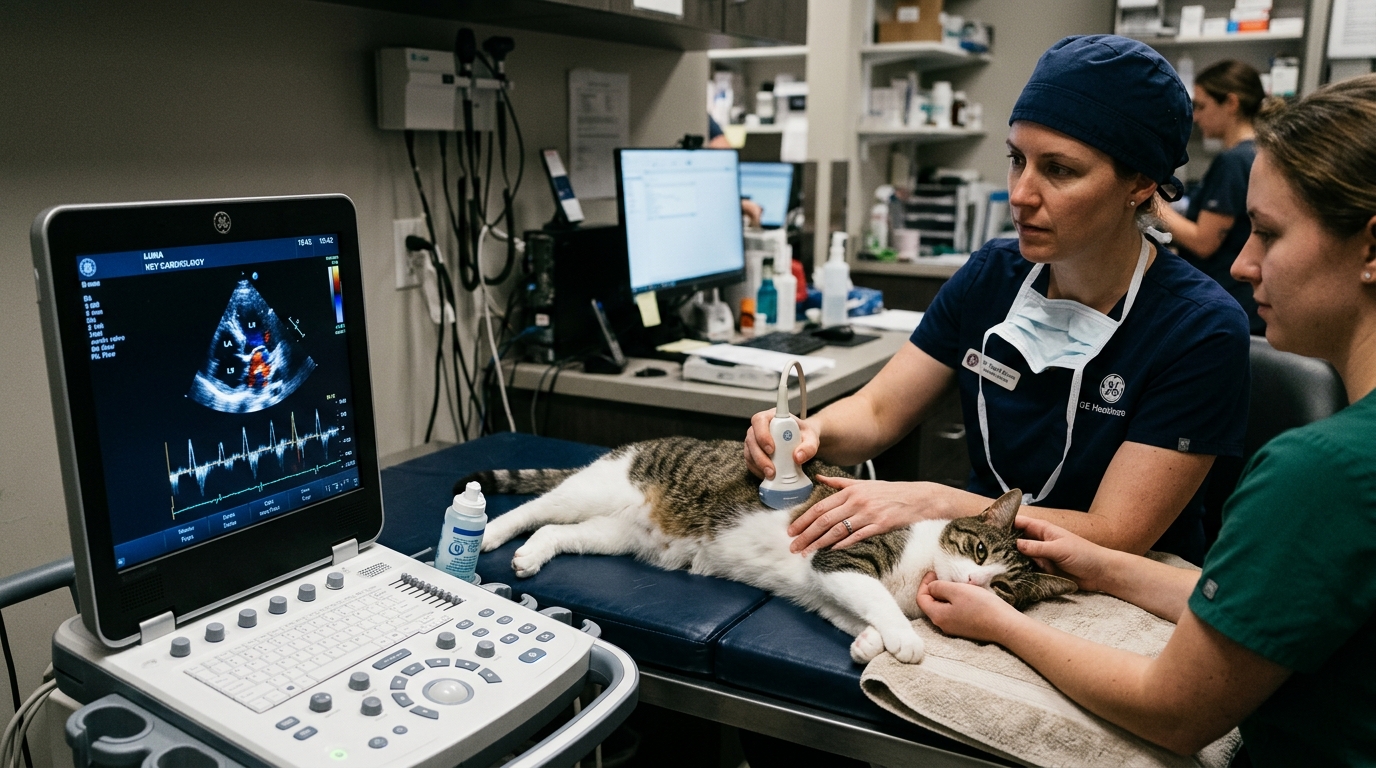
Transition immediately to an AAFCO/FEDIAF-compliant complete feline diet. If the cat has been eating dog food exclusively for weeks, schedule an echocardiogram and retinal examination with a veterinarian.
Strict Rule S1 Warning
NEVER induce vomiting at home using hydrogen peroxide without direct instruction from a DVM. Inappropriate emesis can cause fatal aspiration pneumonia. Always seek professional veterinary diagnosis.
Printable tools