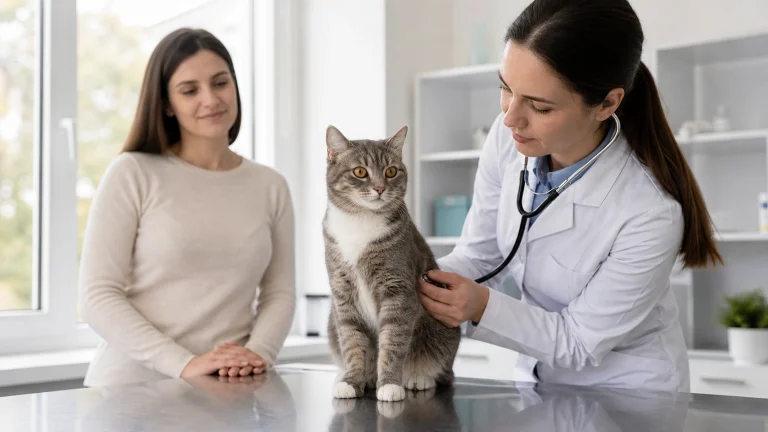
This guide is general education for pet owners. If your pet has urgent symptoms, possible poisoning, injury, breathing trouble, collapse, severe pain, or sudden decline, contact a licensed veterinarian or local emergency service.
Dosages must be calculated by a licensed veterinarian based on species, weight, and bloodwork. Never administer human medications or self-adjust prescription doses for pets.
Editorial standard
How this guide was prepared
Designing an immunization strategy for a senior companion animal requires balancing immunological protection against the biological realities of advancing age. As dogs and cats enter their senior and geriatric years, their immune systems undergo immunosenescence—a gradual decline in adaptive immune responsiveness coupled with chronic low-grade systemic inflammation. Simultaneously, aging pets frequently live with concurrent chronic medical conditions, such as chronic kidney disease, cardiac murmurs, neoplasia, or osteoarthritis. Structuring a tailored vaccination discussion with your veterinarian ensures that vaccines provide vital protection without placing unnecessary metabolic burdens on aging physiological systems.
- Balance Immunosenescence Against Disease Exposure: Discuss your senior pet’s lifestyle with your veterinarian; low-exposure indoor elderly pets may not require non-core vaccines, whereas core coverage remains vital.
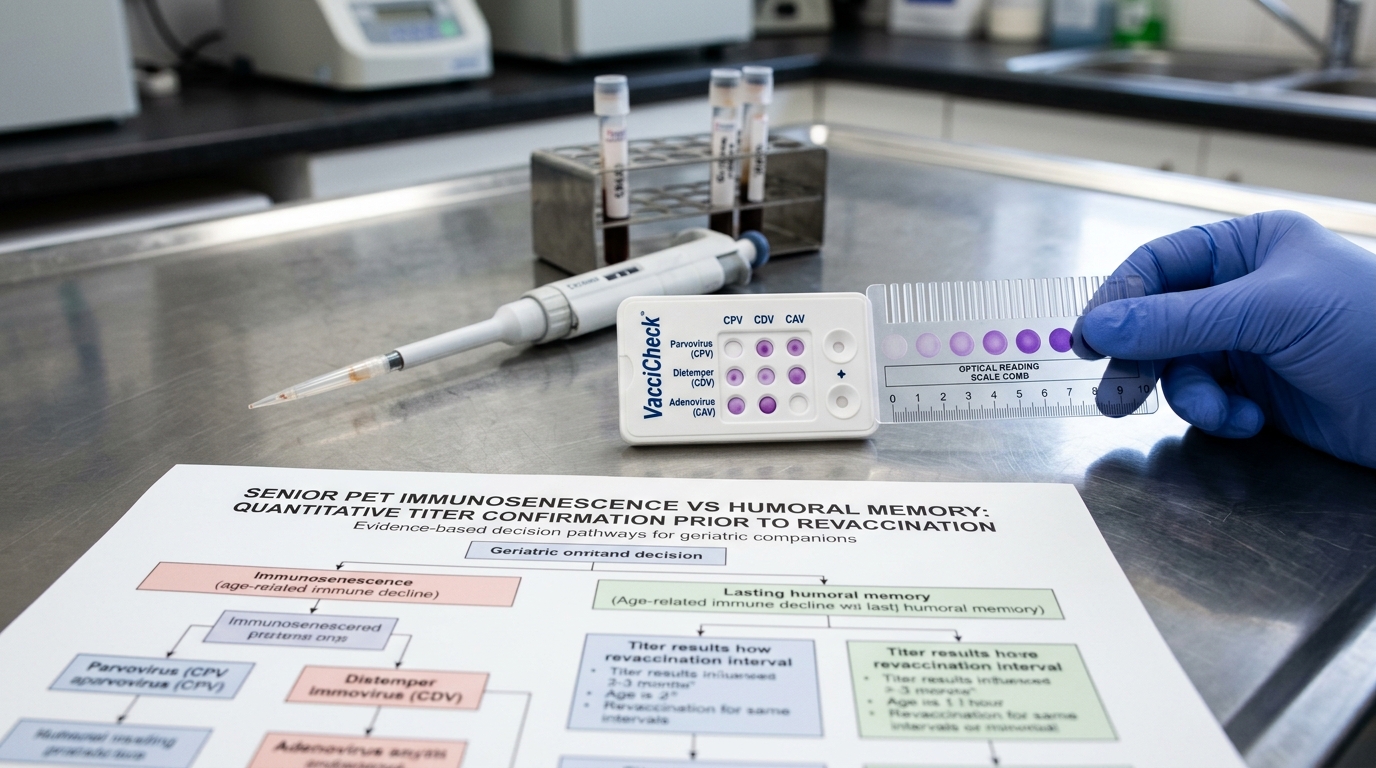
- Utilize Vaccine Antibody Titers When Indicated: For geriatric dogs with immune-mediated disorders or chronic renal compromise, discuss serum antibody titer testing (for CDV and CPV) to confirm existing immunity before revaccinating.
- Separate Vaccine Doses in Fragile Seniors: If multiple vaccinations are due, request administering shots 2 to 3 weeks apart rather than delivering all injections simultaneously, reducing systemic inflammatory stress.
This geriatric vaccination protocol adheres to standards established by the World Small Animal Veterinary Association (WSAVA) and the American Animal Hospital Association (AAHA). If a senior animal develops acute adverse post-vaccinal reactions—such as facial swelling, hives, collapse, vomiting, or pale gums—transport the pet immediately to an emergency veterinary hospital.
Immunosenescence vs Established Humoral Memory
Understanding the cellular dynamics of aging immune systems clarifies why senior vaccination protocols differ from juvenile schedules:
- Durable Humoral Memory for Core Pathogens: Healthy adult dogs and cats that received complete puppy and kitten series followed by regular boosters possess robust, long-lived memory T-cells and memory B-cells. For major core viral pathogens (Canine Parvovirus, Canine Distemper, Feline Panleukopenia), clinical challenge studies demonstrate protective humoral immunity often persists for many years.
- Metabolic Burden of Multi-Antigen Injections: Aging kidneys and livers process physiological stress less efficiently. Administering multiple heavy vaccines simultaneously to a frail, geriatric patient can trigger prolonged lethargy, post-vaccine anorexia, and temporary fever that destabilizes delicate chronic disease management.
- Legal Mandates for Rabies: Unlike viral core diseases where titer testing can document individual immunity, rabies vaccination remains strictly mandated by state and municipal public health laws. Rabies is a fatal zoonotic disease; waivers require severe, documented medical exemptions issued directly by licensed veterinarians.
The Senior Lifestyle Exposure Audit
Collaborate with your veterinary clinician to evaluate your senior pet’s genuine lifestyle exposure risks:
| Vaccine Entity | Target Pathogen | Senior Clinical Evaluation Protocol |
|---|---|---|
| Canine Core (DAP/DHPP) | Distemper, Adenovirus-2, Parvovirus. | Maintain standard 3-year revaccination intervals, or perform serological antibody titer testing to verify sustained protection. |
| Feline Core (FVRCP) | Panleukopenia, Herpesvirus-1, Calicivirus. | Administer every 3 years for indoor senior felines; provides baseline defense against footwear and environmental viral fomites. |
| Rabies (Canine & Feline) | Rabies Lyssavirus. | Administer approved 3-year labeled rabies vaccines to minimize injection frequency while fulfilling legal health requirements. |
| Risk-Based Non-Core Vaccines | Bordetella, Leptospirosis, Lyme, Feline Leukemia (FeLV). | Discontinue non-core vaccines if the senior animal no longer visits boarding kennels, outdoor dog parks, or dense wooded tick zones. |
Serological Antibody Titer Testing: An Evidence-Based Alternative
For senior companion animals with complex underlying medical conditions (such as advanced renal disease or immune-mediated hemolytic anemia), serological antibody titer testing provides an objective clinical alternative to automatic revaccination.
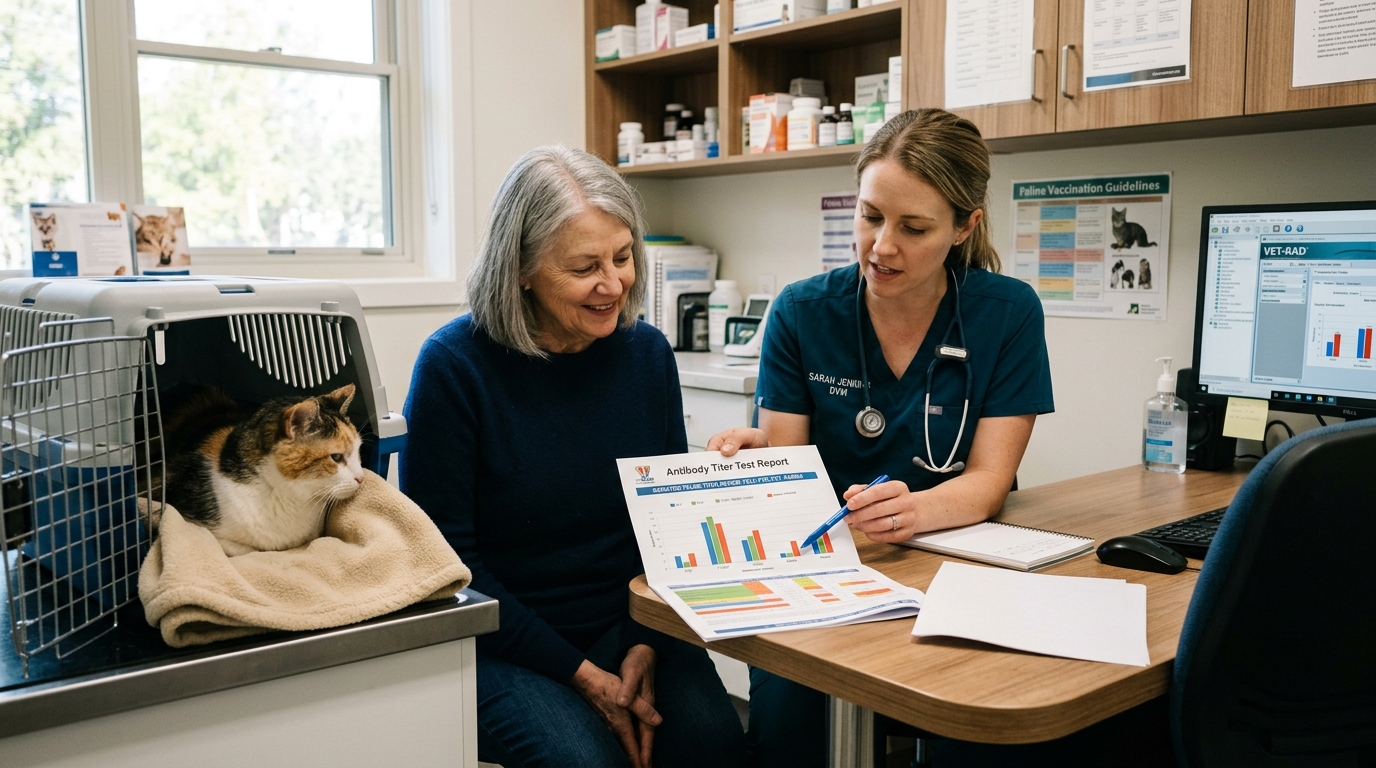
A simple blood draw evaluates circulating IgG antibody concentrations against Canine Parvovirus and Distemper, or Feline Panleukopenia. If circulating antibody titers exceed established protective thresholds, your veterinarian can document verified immunological protection in the medical record, safely deferring revaccination until the following year while avoiding vaccine-associated systemic stress.
Red-Flag Triage Matrix: Post-Vaccination Observation in Seniors
Monitor your senior pet closely for 48 hours following clinical vaccination:
| Triage Tier | Clinical Presentation | Required Action Protocol |
|---|---|---|
| Immediate Emergency (0–2 Hours) | Acute facial swelling (angioedema), generalized hives, sudden collapse, repeated violent vomiting, profound weakness with pale or gray gums. | Transport immediately to the nearest veterinary emergency hospital. Anaphylaxis in senior pets demands rapid administration of intravenous fluids, epinephrine, and emergency hemodynamic monitoring. |
| Urgent Assessment (12–24 Hours) | Total refusal of food or water exceeding 24 hours, persistent high fever (>103.5°F), extreme stiffness preventing rising, or sudden disorientation. | Contact your primary attending veterinary clinic. Seniors with underlying renal disease require prompt supportive fluid hydration if post-vaccine fever causes anorexia. |
| Routine Home Convalescence | Mild temporary sleepiness during the initial 24 hours post-vaccination, slight localized sensitivity at the injection site, followed by normal appetite. | Provide an extra-quiet, warm resting area with accessible low-rimmed water bowls. Avoid strenuous exercise or grooming over the injection site for 48 hours. |
Never administer human pain relievers, aspirin, acetaminophen, or left-over human medications to treat post-vaccine soreness or fever in senior pets. Human analgesics induce fatal hepatic necrosis, severe acute renal destruction, and gastrointestinal perforation in companion animals.
Caregiver Decision Tree: Geriatric Immunization Dilemmas
Does an aging pet with chronic kidney disease or arthritis still require routine vaccines?
Vaccination protocols in geriatric companion animals must be individualized based on concurrent systemic illness, lifestyle exposure risk, and local legal mandates. Under AAHA and AAFP guidelines, core viral protection in well-vaccinated adult pets typically endures for multiple years due to durable immunological memory; pets with stable, early-stage chronic kidney disease or degenerative osteoarthritis safely receive 3-year core boosters. However, animals undergoing active immunosuppressive therapy or experiencing acute organ failure crises should have elective vaccines postponed until clinical stability is re-established under veterinary guidance.
Families prepare an elderly, fragile pet to minimize the stress of a vaccine visit
Senior animals experience higher physical and cognitive vulnerability during clinic visits. Schedule appointments during early morning clinic hours when waiting rooms are quiet and reception noise is minimal. Bring the pet’s favorite orthopedic fleece bed or non-slip mat directly into the examination room so they are not forced to stand on cold, slippery linoleum. Discuss with your veterinarian whether administering a mild, pre-visit calming pharmaceutical (such as veterinary-prescribed gabapentin) 2 hours prior to departure is appropriate to reduce sympathetic stress and preserve hemodynamic stability.
Frequently Asked Questions
What is the difference between core and non-core lifestyle vaccinations?
Core vaccinations (such as Rabies and DHPP for dogs, or Rabies and FVRCP for cats) protect against highly contagious, fatal diseases universal to all companion animals. Non-core vaccinations (such as Leptospirosis, Bordetella, Lyme, or FeLV) are recommended based on specific regional prevalence, boarding frequency, or outdoor wildlife exposure.
What post-vaccination symptoms are normal versus life-threatening emergencies?
Mild fatigue, temporary decreased appetite, and localized soreness at the injection site lasting 12 to 24 hours are normal physiological immune responses. Facial swelling, persistent hives, acute vomiting, collapse, or labored breathing indicate severe anaphylaxis requiring immediate emergency veterinary care.
Can vaccinations be safely administered if a pet has an unknown immunization history?
Yes. Veterinarians treat animals with unknown or unverifiable vaccination histories as naive, initiating core series or using antibody titer blood tests to confirm immunity before establishing standard booster intervals.
Caregiver Vaccination Safety and Post-Care Checklist
- Verify documented vaccination dates and lot numbers with your veterinarian before administering repeat doses.
- Observe your pet closely for 2 hours post-vaccination for facial puffiness, hives, or breathing changes.
- Provide a quiet, comfortable recovery area free from rough play, dog parks, or strenuous exercise for 24 hours.
- Monitor the injection site for minor swelling; alert your clinic if a firm nodule persists past 3 weeks.
- Never administer human over-the-counter pain relievers for post-vaccine soreness; human NSAIDs are toxic to pets.
Sources
- WSAVA Guidelines for the Vaccination of Dogs and Cats. World Small Animal Veterinary Association.
- AAHA Canine Vaccination Guidelines. American Animal Hospital Association.
- AAFP/AAHA Feline Vaccination Guidelines. American Association of Feline Practitioners.
Source transparency
Reference mix for this guide
Source labels classify the institutional category of the references cited above.