This guide is general education for pet owners. If your pet has urgent symptoms, possible poisoning, injury, breathing trouble, collapse, severe pain, or sudden decline, contact a licensed veterinarian or local emergency service.
Dosages must be calculated by a licensed veterinarian based on species, weight, and bloodwork. Never administer human medications or self-adjust prescription doses for pets.
Editorial standard
How this guide was prepared
Urban apartment dwelling creates an intimate physical environment where caregivers and companion animals share compact square footage. While close proximity allows pet parents to notice subtle deviations quickly, apartment life also introduces unique environmental variables that complicate clinical interpretation. Sudden construction vibrations, intermittent hallway acoustics, elevator noise, and limited indoor square footage influence behavioral and physiological patterns. Constructing a methodical, time-bounded symptom timeline clarifies whether clinical changes represent true systemic pathology or environmental stress responses.
This clinical tracking protocol conforms to American Animal Hospital Association (AAHA) and Fear Free diagnostic guidelines. A home symptom timeline supports veterinary diagnostic planning and must never delay urgent emergency intervention. If your pet exhibits sudden collapse, severe dyspnea, blue or white gums, acute abdominal enlargement, or unmanageable trauma, transport the animal immediately to a 24-hour veterinary emergency hospital.
The Small-Space Observation Advantage and Its Diagnostic Traps
Observing a companion animal in an apartment provides high visibility, but compact living generates specific diagnostic traps:
- Acoustic Stress vs Gastrointestinal Illness: Sudden exterior building maintenance, window washing, or fire alarm testing triggers acute stress-induced hyporexia, shivering, or stress colitis that easily mimics systemic disease. Documenting external auditory events provides critical clinical context.
- Litter Box Placement Compaction: In compact floor plans, litter stations are frequently situated adjacent to noisy appliances (such as washing machines, dryers, or water heaters). A cat avoiding the box may not be experiencing lower urinary tract disease, but rather avoidance of intermittent mechanical vibrations.
- Balcony and Vertical Space Hazards: Indoor pets utilizing balconies face sudden insect stings, accidental falls (feline high-rise syndrome), and ingestion of toxic decorative plants. Timeline notes must detail balcony access preceding symptom onset.
Structuring the Apartment Symptom Chronology
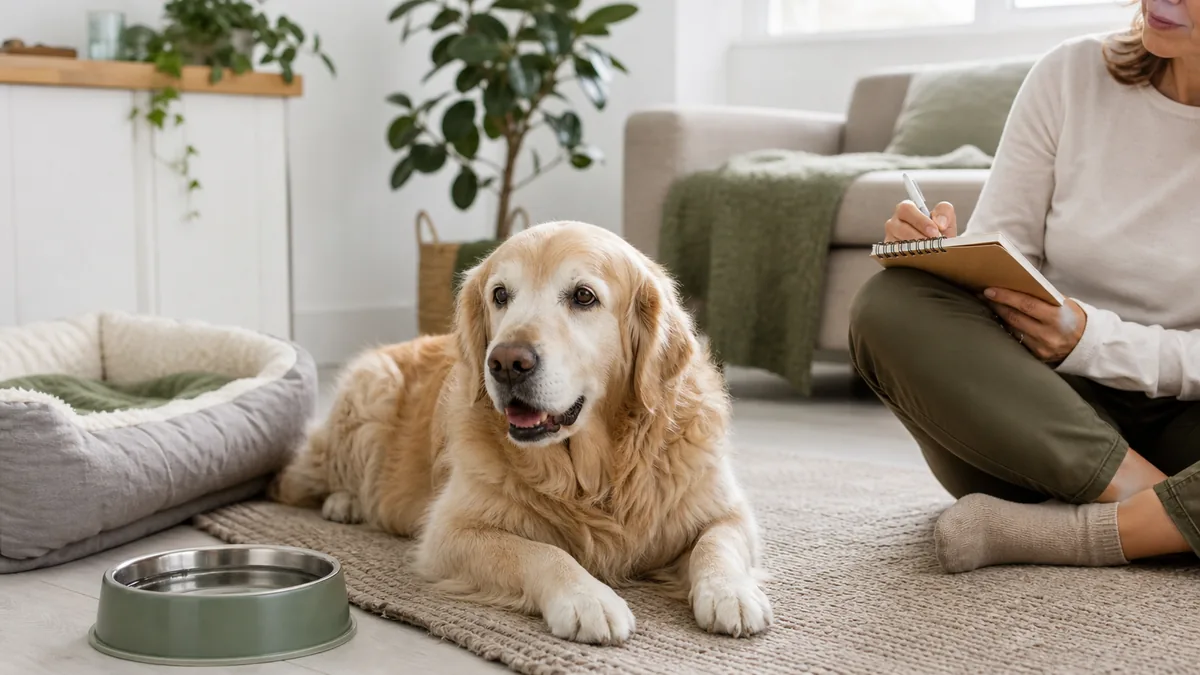
Veterinary clinicians require factual, reproducible data rather than subjective impressions. Structure home tracking across 24 to 48-hour observation windows:
| Clinical Observation Domain | Standardized Documentation Protocol | Urban Environmental Context to Record |
|---|---|---|
| Appetite & Caloric Intake | Weigh food bowls before feeding and record percentage consumed within 30 minutes; note chewing cadence. | Correlate appetite drops with nearby apartment renovation noise, odor spikes, or household schedule disruptions. |
| Water Consumption | Measure exact water fountain refill volumes; monitor visit frequency and posture. | Note dry indoor winter radiator heating, which naturally increases physiological evaporative water requirements. |
| Elimination Quality & Volume | Record daily urine clump dimensions and grade fecal consistency using standardized 1 to 7 scoring charts. | Document litter box cleanliness, brand changes, and proximity to loud utility appliances. |
| Mobility & Surface Traction | Note hesitancy jumping onto beds, slipping on smooth hardwood, or reluctance climbing stairs. | Check floor grip conditions and joint stiffness following prolonged sedentary indoor periods. |
Passive Observation: Respecting Pet Behavioral Consent
Accurate physiological tracking requires passive observation without intrusive handling. Cornering an anxious cat or prodding a resting dog to force a behavior provokes tachycardia, tachypnea, and defensive stress, obscuring genuine baseline vitals.
Position yourself at a calm distance during natural daily activities. If capturing a short video of an abnormal gait, coughing bout, or posture change for your veterinarian, record with smooth, quiet movements without shining bright phone lights or shouting. If filming causes the animal to flee or show fear posture (pinned ears, dilated pupils, crouched tail), stop immediately and document the presentation in written clinical notes.
Red-Flag Triage Matrix: Apartment Symptom Escalation
Consult this objective clinical matrix to determine when home logging must be superseded by urgent medical transport:
| Triage Tier | Clinical Presentation | Required Action Protocol |
|---|---|---|
| Immediate Emergency (0–2 Hours) | High-rise fall trauma (epistaxis, pneumothorax, fractured limbs), male cat straining without producing urine, active seizures, cyanotic oral mucosa, or open-mouth breathing. | Transport immediately to an emergency hospital. Stabilize the animal in a rigid, padded carrier; minimize movement; alert the hospital en route to ready critical care bays. |
| Urgent Assessment (12–24 Hours) | Total food refusal exceeding 24 hours in cats, multiple bouts of vomiting or diarrhea containing blood, persistent shivering with fever (>103.5°F), or marked acute lameness. | Schedule a same-day clinical veterinary appointment. Bring your structured timeline log and photos of any abnormal vomitus or stool. |
| Routine Home Monitoring (24–48 Hours) | Mild transient appetite reduction following loud building construction, single isolated hairball expulsion with normal energy, or slight sleepiness after a busy weekend. | Maintain the structured 48-hour home timeline. Keep the indoor environment quiet, provide fresh water, and escalate if symptoms fail to resolve. |
Never administer human medications (such as acetaminophen, ibuprofen, naproxen, or pepto-bismol in cats) to alleviate pain or distress. Human analgesics cause severe hepatic necrosis, acute renal failure, and fatal gastric hemorrhage in companion animals.
Caregiver Decision Tree: Apartment Clinical Observation Dilemmas
An apartment caregiver objectively measure elimination changes without a private yard
For urban dogs walked on leash, note the exact duration of pre-elimination sniffing, whether stool posture requires multiple attempts, and rate the consistency using a 1-to-7 fecal chart upon bagging the waste. For indoor felines, inspect litter box clumps immediately after scooping twice daily, noting clump diameter and counting frequency. In compact living quarters, subtle changes—such as urinating slightly outside the box or squatting multiple times along a hallway carpet—frequently signal feline lower urinary tract disease or orthopedic hip discomfort when climbing into high-sided litter pans.
What environmental triggers in apartment complexes should be recorded alongside pet symptoms?
Multi-family residential buildings experience localized environmental stressors that directly influence pet physiology. Note on your clinical timeline whether symptom flare-ups (such as stress-induced cystitis, vomiting, or acute pacing) coincide with building hallway maintenance, elevator repairs, pest control spraying, neighboring construction noise, or changes in cleaning chemicals used in communal stairwells. Correlating external apartment stressors with clinical episodes assists veterinarians in differentiating environmental stress-induced disorders from primary systemic diseases.
Sources
- AAHA Feline Life Stage Guidelines. AAHA Veterinary Guidelines.
- AAFP Feline Environmental Needs Guidelines. AAFP Practice Board.
- JAVMA: Environmental and Clinical Evaluation in Urban Companion Animals. American Veterinary Medical Association.
Source transparency
Reference mix for this guide
Source labels describe the type of organization behind each reference; they are not a claim that any outside organization reviewed this article.
- AAHA Feline Life Stage Guidelines Veterinary organization · aaha.org
- AAFP Feline Environmental Needs Guidelines Veterinary organization · catvets.com
- JAVMA: Environmental and Clinical Evaluation in Urban Companion Animals Reference source · avmajournals.avma.org
- Foster Caregivers Reference source · newspet.net
- Senior Pet Families Reference source · newspet.net
- Limited Budget Caregivers Reference source · newspet.net