This guide is general education for pet owners. If your pet has urgent symptoms, possible poisoning, injury, breathing trouble, collapse, severe pain, or sudden decline, contact a licensed veterinarian or local emergency service.
Editorial standard
How this guide was prepared
Exotic companion animals exhibit highly specialized physiological parameters, making them exceptionally adept at masking clinical signs of illness. By the time a rabbit, bird, or reptile demonstrates overt weakness, anorexia, or altered behavior, the underlying pathology has typically progressed to a critical, life-threatening stage.
Near-100% Fatal Inhalation Hazard: Overheated polytetrafluoroethylene (PTFE / Teflon)—commonly found in non-stick cookware, space heaters, self-cleaning ovens, waffle irons, and heat lamps—releases odorless, invisible pyrolytic toxic fumes when heated above 260°C (500°F). Due to birds’ unique high-efficiency respiratory anatomy, inhaling microscopic PTFE fluoropolymer particulates causes immediate, catastrophic hemorrhagic pulmonary edema, suffocating the bird within minutes. Move the bird immediately to unpolluted fresh air, administer emergency pure oxygen, and transport to an avian clinic; do not delay.
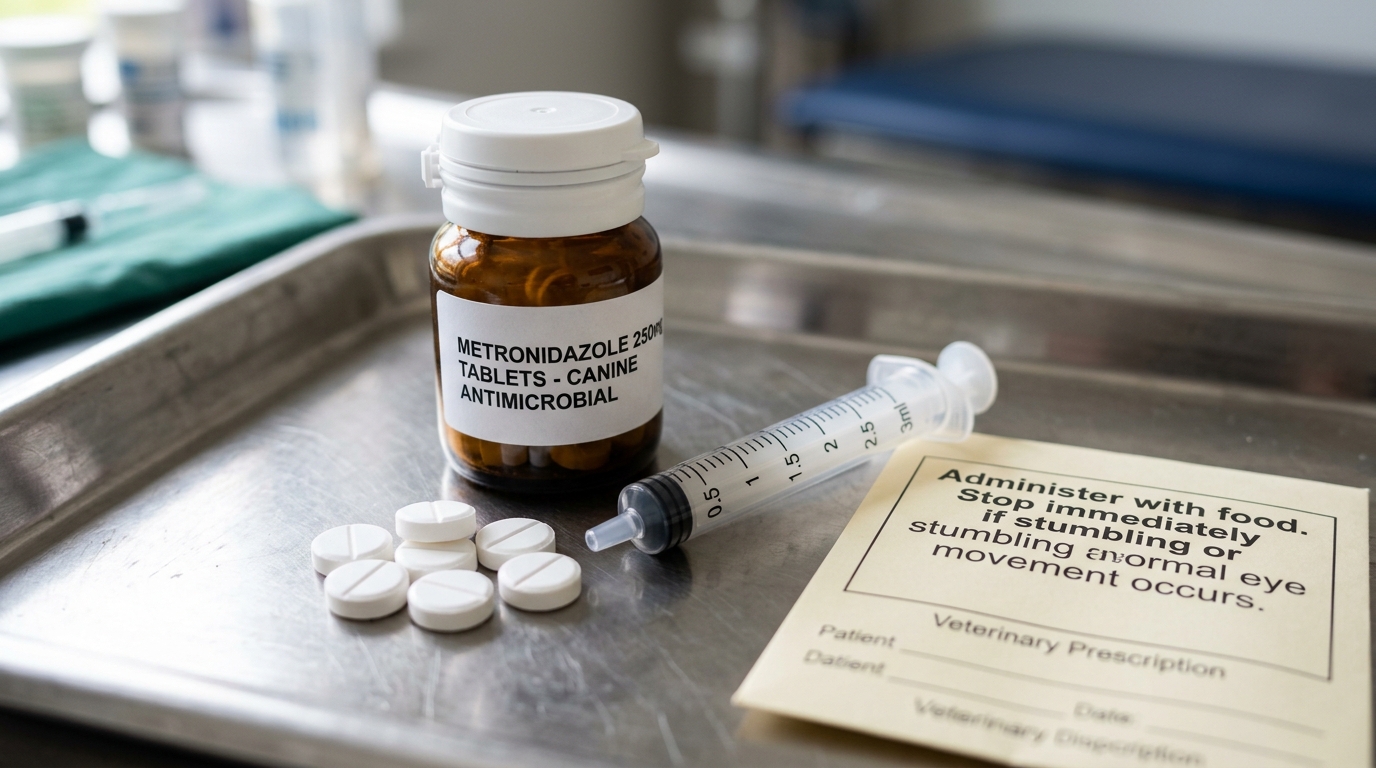
Clinical Quick Answer & Immediate Actions
Exotic species decompose rapidly during acute illness due to high metabolic rates and prey-animal masking behaviors. Immediate veterinary intervention is required for any deviation in appetite, respiration, or elimination. Husbandry errors account for the vast majority of chronic exotic pathology.
Immediate clinical intervention involves stabilizing core temperature, calculating precise fluid deficits, and initiating nutritional support. In hindgut fermenters (like rabbits and guinea pigs), gastrointestinal stasis can trigger fatal hepatic lipidosis within 24 to 48 hours.
Species-Specific Husbandry and Diagnostics
Environmental deficiencies constitute the primary etiology for over 80% of exotic animal emergencies. Reptiles require exact thermal gradients and unexpired UVB irradiance to metabolize calcium, while avian respiratory systems are acutely sensitive to aerosolized environmental toxins.
Diagnostic protocols differ vastly from canine and feline standards. Exotic practitioners rely heavily on micro-sample hematology, full-body radiography, and specialized biochemical panels to establish baselines without inducing hypovolemic shock in small patients.
| Species Group | Critical Environmental Requirement | Primary Emergency Risk |
|---|---|---|
| Lagomorphs / Cavies | High-fiber enteric flow | Gastrointestinal Ileus (Stasis) |
| Avian (Birds) | Toxin-free airspace | Acute Respiratory Distress |
| Reptiles | Targeted UVB & Thermal gradients | Metabolic Bone Disease (MBD) |
Pharmacological intervention requires precise, weight-based compounding. Exotic species metabolize medications at drastically different rates; administering feline or canine dosages to a ferret or bird often results in fatal toxicity.
Caregivers must maintain detailed husbandry logs encompassing daily temperature gradients, exact dietary ratios, and elimination outputs. Any deviation in fecal size, shape, or frequency in small mammals warrants immediate veterinary attention.
When to Seek Emergency Intervention
Immediate transport to an exotic-certified emergency facility is mandatory if a small mammal stops eating for more than 12 hours, a bird exhibits open-mouth breathing or rests on the bottom of its cage, or a reptile experiences tremors.
Do not attempt to force-feed an anorexic animal without a veterinary diagnosis. If a gastrointestinal obstruction is present, forced syringe feeding will cause fatal gastric or intestinal rupture.
Exotic Husbandry Parameter Log
Maintain precise environmental data to assist veterinary diagnostics. Access our Species Environment Tracker for logging thermal gradients, UVB lifespan, and dietary ratios.
Unique Avian Respiratory Anatomy & The Cross-Current Vulnerability
The respiratory system of companion birds represents one of the most efficient oxygen-exchange architectures in the biological world, but this same efficiency makes them uniquely vulnerable to airborne toxins:
- Continuous Unidirectional Airflow & Thin Air-Capillaries: Unlike the tidal, blind-ended alveolar lungs of mammals, birds possess non-expandable parabronchial lungs connected to an extensive network of air sacs. Gas exchange occurs through microscopic “air-capillaries” that interlace directly with pulmonary blood capillaries in a cross-current mechanism. Crucially, the blood-gas barrier in birds is substantially thinner (often < 0.1 microns) than in dogs or humans, allowing rapid diffusion of volatilized environmental gases directly into the vascular circulation.
- Pyrolysis of PTFE Above 260°C (500°F): When non-stick pans or Teflon-coated heat lamps are heated dry or left unattended on stoves, the fluoropolymer coating thermally degrades. Above 260°C (500°F), pyrolysis releases ultrafine polymer particles and acidic gases, including hydrogen fluoride, carbonyl fluoride, and perfluoroisobutylene.
- Acute Hemorrhagic Pulmonary Edema: Inhaled fluoropolymer nanoparticles penetrate the delicate air-capillary endothelium, triggering immediate massive cellular necrosis, acute surfactant destruction, and severe microvascular leakage. The bird’s lungs and air sacs fill with hemorrhagic, proteinaceous fluid within minutes, resulting in rapid asphyxiation and death before clinical signs are even noticed by caregivers.
Emergency Clinical Protocol & Complete Household Prevention Architecture
Survival demands instantaneous intervention and total elimination of household non-stick materials:
- Immediate On-Scene Action Plan: At the first sign of burning cookware or bird distress (tail bobbing, open-mouth gasping, falling off perches):
- Immediately move all birds out of the house into clean, unpolluted outdoor air or an isolated room with open windows.
- Do NOT attempt home humidification or steam therapy, which worsens pulmonary fluid accumulation.
- Transport immediately to an emergency hospital with an avian oxygen chamber.
- Emergency In-Hospital Stabilization: The patient is placed in an airtight avian incubator delivering 100% warm, humidified oxygen. Administer injectable broad-spectrum anti-inflammatories (short-acting dexamethasone sodium phosphate) to attenuate pulmonary edema, accompanied by bronchodilators (terbutaline or aminophylline) and broad-spectrum antibiotics to prevent secondary air-sac infection. Fluid therapy must be administered with extreme caution to avoid exacerbating pulmonary effusion.
- Total Elimination of Non-Stick Household Products: Avian safety requires replacing all Teflon cookware with cast iron, ceramic-coated pans, stainless steel, or enameled stoneware. Inspect all indoor space heaters, hair dryers, ironing board covers, and self-cleaning oven functions—all of which frequently contain hidden PTFE coatings that off-gas during routine use.
Frequently Asked Questions
Why did my rabbit stop eating suddenly?
Anorexia in rabbits is a symptom, not a primary disease. Dental pain, environmental stress, or systemic illness triggers gastrointestinal stasis. A rabbit that has not eaten or passed stool for 12 hours is experiencing a critical emergency.
Are all non-stick pans toxic to birds?
Yes. Any cookware containing polytetrafluoroethylene (PTFE/Teflon) releases toxic, odorless fluorosis gases when heated above 500°F (260°C). This causes rapid, irreversible pulmonary hemorrhage in all avian species.
Can I give my guinea pig vitamin C drops in their water?
No. Ascorbic acid degrades rapidly when exposed to light and water, rendering water drops ineffective and potentially altering the taste, causing fatal dehydration. Provide vitamin C via stabilized tablets or fresh, species-appropriate vegetables.
Emergency Triage Matrix: Clinical Presentation & Required Response
| Triage Level | Clinical Signs & Presentation | Immediate Action Protocol |
|---|---|---|
| Tier 1: Immediate Emergency (0-2 Hours) | Open-mouth breathing (birds/reptiles), complete anorexia >12 hours (rabbits/guinea pigs), active seizures, or acute hind limb paralysis. | Place the animal in a secure, dark, pre-warmed transport carrier and proceed immediately to an exotic-savvy emergency hospital. |
| Tier 2: Urgent Veterinary Care (Same-Day) | Reduced fecal output, lethargy, fluffed feathers, or mild ocular/nasal discharge without active respiratory distress. | Schedule a same-day appointment. Do not attempt to force-feed without ruling out gastrointestinal obstruction radiographically. |
| Tier 3: Home Monitoring & Scheduled Care | Minor dietary indiscretion with normal elimination, or routine husbandry adjustments (e.g., changing UVB bulbs). | Monitor weight daily using a gram scale. Any loss exceeding 5% of total body weight requires clinical reassessment. |
Exotic Species Fragility Alert
Prey species (rabbits, birds, guinea pigs) instinctively mask signs of illness. By the time symptoms are visible, the animal is in critical condition:
- Time is Critical: Do not “wait and see.” A 12-hour period of anorexia in a rabbit is as severe as a week of starvation in a dog.
- Avoid Hypothermia: Exotic species lose body heat rapidly during illness. Transport in a pre-warmed, secure enclosure.
Transport & Triage Checklist
- Do NOT attempt to force-feed an animal if you suspect a blockage.
- Gather fresh fecal samples (from the last 12 hours) in a sealed bag.
- Take clear photos of the cage setup, lighting, and food packaging before leaving.
Related Clinical Guides & Tools
Peer-Reviewed Clinical References & Evidence Grounding
- Pet bird toxicity and related environmental concerns (opens in new tab) (The veterinary clinics of North America. Exotic animal practice (2008) — Peer-reviewed veterinary study indexed on NCBI PubMed (PMID: 18406386).)
- Dog, cat, bird, fish, and other pet ownership and mortality: Evidence from the HILDA cohort (opens in new tab) (PloS one (2024) — Peer-reviewed veterinary study indexed on NCBI PubMed (PMID: 39141654).)
- Twenty years of progress in pet bird nutrition (opens in new tab) (Journal of the American Veterinary Medical Association (1998) — Peer-reviewed veterinary study indexed on NCBI PubMed (PMID: 9569157).)
- VCA Animal Hospitals Clinical Reference: Teflon Polytetrafluoroethylene Poisoning In Birds (opens in new tab) (Verified clinical reference retrieved via Antigravity Ground-Truth Search (vcahospitals.com).)
Pet Toxic Food & Hazard Fast-Checker
Rapidly verify toxicity risks, toxic mechanisms, and immediate clinical steps for common household foods, plants, and human medications before calling poison control or your veterinarian.
Printable tools
Download the matching worksheet
Source transparency
Reference mix for this guide
Source labels describe the type of organization behind each reference; they are not a claim that any outside organization reviewed this article.
- Emergency Triage Protocol Reference source · newspet.net
- Pharmacology Safety Standards Reference source · newspet.net
- Budgie Respiratory Infections: Recognizing Tail Bobbing Reference source · newspet.net
- Avian Egg Binding (Dystocia) in Parrots: Hypocalcemia and Emergency Stabilization Reference source · newspet.net
- Pet bird toxicity and related environmental concerns Government or public agency · pubmed.ncbi.nlm.nih.gov
- Dog, cat, bird, fish, and other pet ownership and mortality: Evidence from the HILDA cohort Government or public agency · pubmed.ncbi.nlm.nih.gov
- Twenty years of progress in pet bird nutrition Government or public agency · pubmed.ncbi.nlm.nih.gov
- VCA Animal Hospitals Clinical Reference: Teflon Polytetrafluoroethylene Poisoning In Birds Reference source · vcahospitals.com