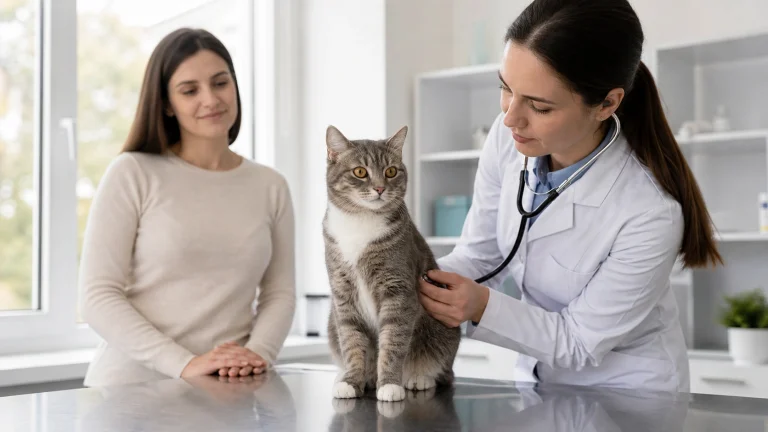
This guide is general education for pet owners. If your pet has urgent symptoms, possible poisoning, injury, breathing trouble, collapse, severe pain, or sudden decline, contact a licensed veterinarian or local emergency service.
Editorial standard
How this guide was prepared
Designing an antiparasitic regimen for an aging dog or cat requires careful clinical judgment. As companion animals transition into their senior and geriatric life stages, physiological changes in hepatic drug metabolism, glomerular renal filtration rates, and gastrointestinal motility influence how medications are absorbed, metabolized, and excreted. Concurrently, elderly pets with declining immune reserves face severe complications from vector-borne pathogens, including flea allergy dermatitis, Lyme borreliosis, anaplasmosis, and life-threatening heartworm disease. Formulating an evidence-based parasite prevention strategy safeguards senior pet health without overloading sensitive metabolic pathways.
This senior antiparasitic guidance aligns with standards established by the Companion Animal Parasite Council (CAPC). Never apply canine-formulated flea and tick spot-on treatments containing permethrin or synthetic pyrethroids to cats. Feline permethrin toxicosis causes violent muscle tremors, hyperthermia, and intractable seizures requiring emergency intensive care.
Geriatric Pharmacokinetics: Hepatic and Renal Considerations
Administering systemic antiparasitic pharmaceuticals to senior pets requires evaluating organ clearance pathways:
- Hepatic Metabolism: Modern oral isoxazoline compounds (such as fluralaner, sarolaner, lotilaner, and afoxolaner) and macrocyclic lactone heartworm preventives undergo hepatic processing. In senior animals with underlying chronic hepatitis, elevated liver enzymes, or hepatic microvascular dysplasia, your veterinarian will evaluate liver chemistry before prescribing oral products.
- Neurological Threshold Sensitivities: The FDA advises caution when administering isoxazoline-class antiparasitics to animals with a documented history of seizures or idiopathic epilepsy. Senior dogs suffering from brain tumors or cognitive dysfunction require careful risk-benefit evaluation.
- Vulnerability to Vector-Borne Morbidity: Senior pets possess lower physiological reserves to withstand parasitic diseases. A severe tick-borne Anaplasma or Ehrlichia infection can precipitate life-threatening immune-mediated thrombocytopenia or acute renal failure in an elderly dog.
Selecting the Safest Antiparasitic Category for Seniors
Review these clinical delivery options with your veterinarian to match your senior pet’s metabolic profile:
| Antiparasitic Class | Administration Route | Senior Patient Suitability |
|---|---|---|
| Topical Multi-Spectrum Spot-Ons | Topical dermal application onto skin between shoulder blades. | Excellent for senior felines and dogs with sensitive gastrointestinal tracts or dysphagia; bypasses first-pass hepatic metabolism. |
| Oral Isoxazolines | Flavored chewable oral tablets given monthly or quarterly. | Highly effective rapid flea and tick kill; verify absence of seizure history and review baseline liver and kidney chemistry. |
| Macrocyclic Lactones (Heartworm) | Monthly oral chews or topical formulations. | Mandatory continuous year-round protection; eliminates microscopic heartworm larvae before pulmonary arterial damage occurs. |
| Prescription Ectoparasite Collars | Sustained-release polymer matrix collar. | Provides continuous 8-month external flea and tick defense; ideal for senior pets resistant to monthly oral or topical treatments. |
Environmental Management for Frail Geriatric Pets
Supplement pharmaceutical protection with physical environmental defenses to minimize chemical exposure:
- Daily Tick Audits After Walks: Senior dogs with reduced mobility take longer to navigate grassy or wooded paths. Perform a systematic visual and physical tick check immediately upon returning indoors, inspecting inner ear flaps, armpits, and groin.
- Washable Orthopedic Bedding: Senior pets spend substantial time resting on supportive orthopedic memory foam beds. Launder removable bed covers weekly in hot water exceeding 130°F (55°C) to eliminate environmental flea eggs and dust mite allergens.
- Indoor Mosquito Shielding: Keep windows fitted with fine insect mesh screens and avoid outdoor walks during dawn and dusk peak mosquito activity hours to reduce vector encounters.
Red-Flag Triage Matrix: Parasite Complications and Chemical Sensitivity
Evaluate your senior pet against these clinical triage thresholds:
| Triage Tier | Clinical Presentation | Required Action Protocol |
|---|---|---|
| Immediate Emergency (0–2 Hours) | Feline exposure to canine permethrin (severe muscle tremors, stumbling, seizures, hyperthermia), acute dyspnea in heartworm-positive seniors, or pale gums indicating severe flea anemia. | Transport immediately to an emergency veterinary hospital. If topical chemical exposure occurred within 30 minutes, wash skin with lukewarm water and mild dish detergent; transport immediately. |
| Urgent Assessment (12–24 Hours) | Intense pruritus resulting in open excoriations and secondary bacterial pyoderma, persistent diarrhea with visible parasite segments, or heavy tick infestation. | Schedule a daytime appointment with your primary veterinarian. Obtain an approved prescription parasiticide and submit a fresh stool sample for diagnostic flotation. |
| Routine Home Monitoring | Occasional single flea discovered on an otherwise healthy, energetic dog or cat, or scheduled administration date for monthly preventive. | Administer approved prescription product according to label instructions. Vacuum home carpets thoroughly and wash all pet bedding in hot water. |
Never apply unregulated supermarket flea powders, cheap over-the-counter dips, or essential oils (such as eucalyptus, pennyroyal, or tea tree oil) to senior pets. These compounds cause severe acute contact dermatitis, chemical burns, neurotoxicity, and fatal respiratory depression.
Caregiver Decision Tree: Senior Parasite Management Dilemmas
Can aging pets safely take modern oral isoxazoline flea and tick preventives?
Oral isoxazolines (such as fluralaner, afoxolaner, and sarolaner) represent exceptionally effective ectoparasiticides, but they require careful clinical screening in senior companion animals. The FDA has issued safety communications noting that isoxazoline compounds can precipitate muscle tremors, ataxia, and seizures in pets with a pre-existing history of neurological disorders or structural brain disease. In senior dogs with idiopathic epilepsy, cognitive dysfunction syndrome, or kidney dysfunction, veterinary clinicians frequently recommend topical alternatives (such as prescription fipronil-methoprene or selamectin) to minimize systemic neurological challenge.
Why is continuous heartworm prevention vital even for sedentary, mostly-indoor senior pets?
Sedentary senior dogs and cats retain compromised cardiopulmonary and renal reserves, meaning even a modest heartworm burden causes disproportionately severe clinical damage. In dogs, adult *Dirofilaria immitis* worms residing in the pulmonary arteries induce severe pulmonary arterial hypertension, right-sided congestive heart failure, and caval syndrome; elderly hearts cannot compensate for this mechanical vascular resistance. In cats, Heartworm-Associated Respiratory Disease (HARD) triggers acute, often fatal pulmonary inflammation from even a single immature worm. Year-round preventive administration remains essential across the entire lifespan.
Sources
- CAPC Recommendations for Parasite Control in Dogs and Cats. Companion Animal Parasite Council.
- AHS Canine and Feline Heartworm Management Guidelines. American Heartworm Society.
- Merck Veterinary Manual: Antiparasitic Pharmacology in Geriatric Pets. Merck Sharp & Dohme Corp.
Source transparency
Reference mix for this guide
Source labels describe the type of organization behind each reference; they are not a claim that any outside organization reviewed this article.
- CAPC Recommendations for Parasite Control in Dogs and Cats Reference source · capcvet.org
- AHS Canine and Feline Heartworm Management Guidelines Reference source · heartwormsociety.org
- Merck Veterinary Manual: Antiparasitic Pharmacology in Geriatric Pets Veterinary organization · merckvetmanual.com
- Foster Caregivers Reference source · newspet.net
- Limited Budget Caregivers Reference source · newspet.net
- Apartment Residents Reference source · newspet.net