Editorial standard
How this guide was prepared
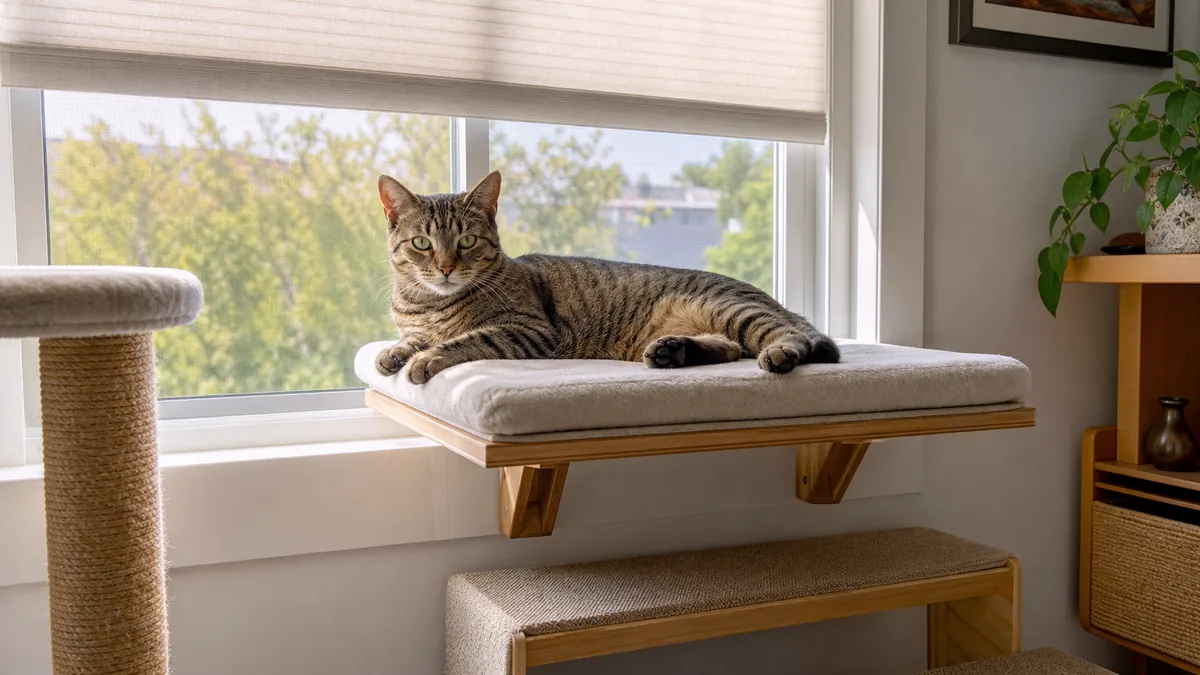
A window perch should be approved as a small structure and a route, not merely as a soft place with a view. The safe decision depends on what carries the load, whether the window and screen can remain secure, how heat and glare change through the day, and whether the cat can approach and leave without falling or being blocked.
Clinical Quick Answer & Immediate Actions
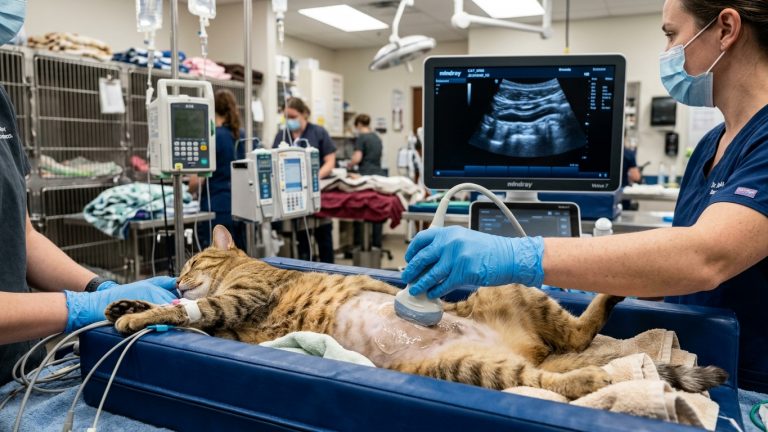
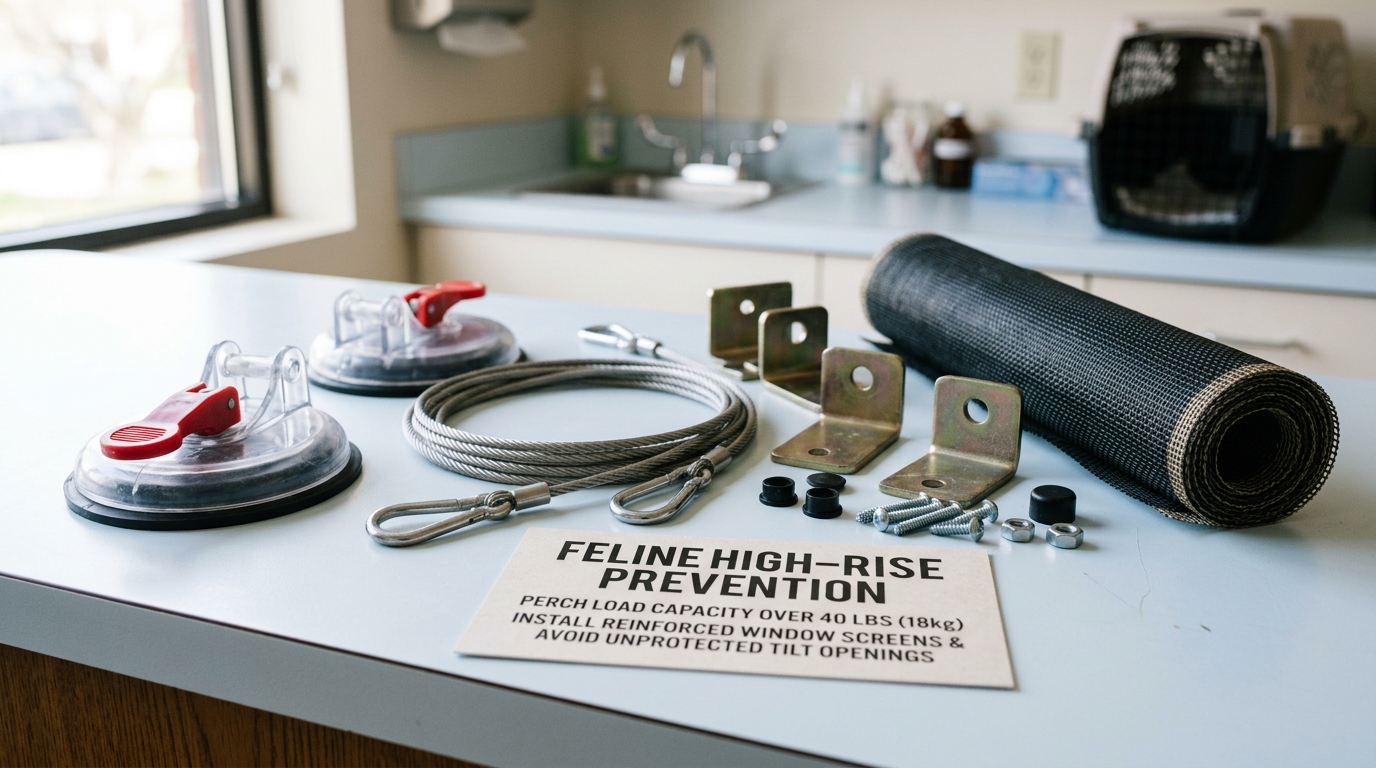
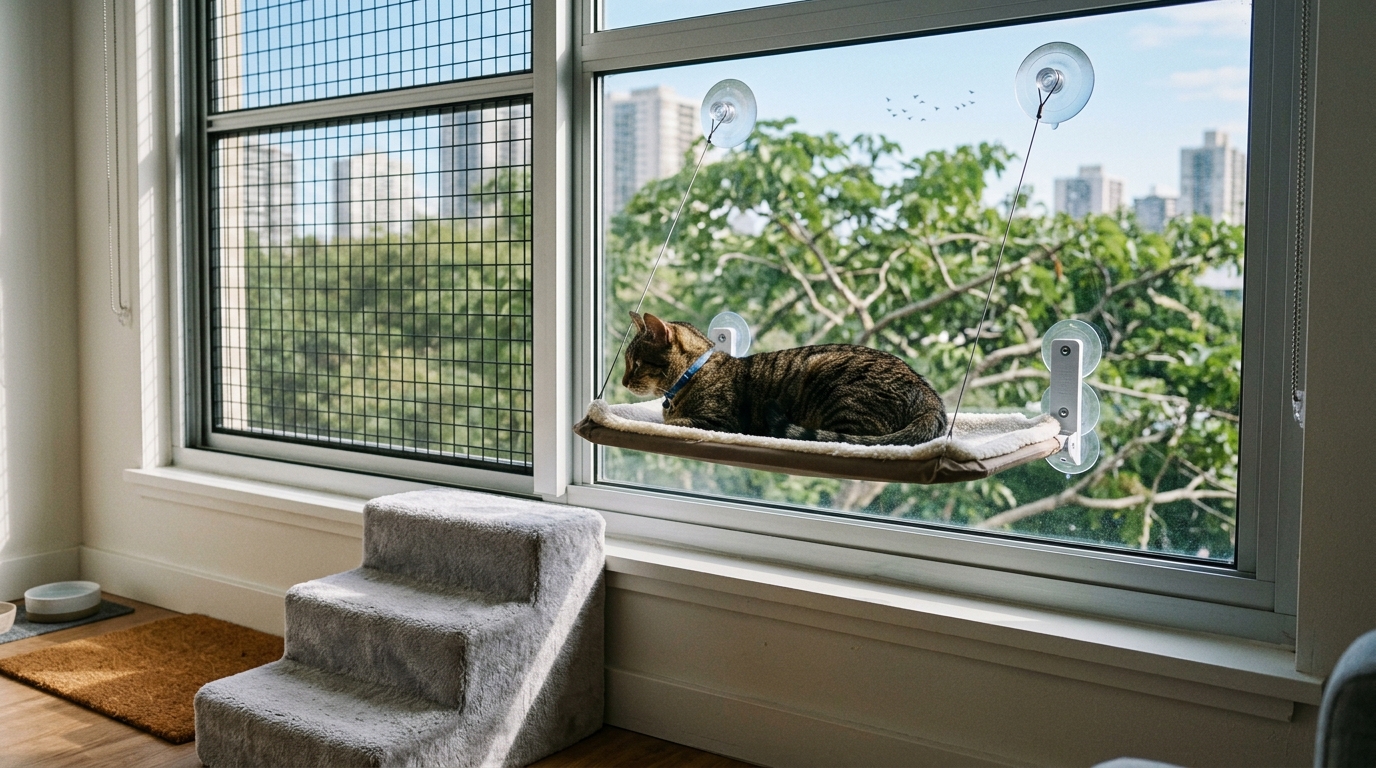
Window perches provide unparalleled visual enrichment for indoor companion felines, offering cognitive stimulation through outdoor surveillance of birds, insects, and changing shadows. However, window perches also introduce severe veterinary trauma risks known collectively as ‘Feline High-Rise Syndrome’. Cats falling from second-story windows or higher suffer severe, often fatal traumatic injuries including split hard palates, pneumothorax (collapsed lungs), diaphragmatic hernia, and severe pelvic/limb fractures. The primary failure mechanisms are twofold: suction cup mechanical detachment from glass panes due to thermal cycling and degradation of plasticizers, and reliance on standard insect mesh screens that easily tear or pop out under a 10-pound cat’s kinetic pounce. Ensuring clinical window safety mandates installing industrial-grade suction or sill-mounted steel brackets, deploying heavy-duty pet-resistant vinyl-coated polyester screen mesh, and installing mechanical window sash restrictors that limit openings to under 1.5 inches.
Inspect the exact window with the cat’s size, mobility, habits, and household in mind. Installation instructions and rated limits matter, but they do not replace checking the wall, sill, glass, frame, fasteners, landing surfaces, and other animals that use the route.
Trace the load from the cat to the building
Start at the perch surface and follow every part that transfers weight: fabric, frame, brackets or suction cups, screws, sill, window frame, and wall. Reject cracked plastic, stretched fabric, loose stitching, bent metal, corroded fasteners, damaged seals, stripped holes, or a frame that moves when the window is operated.
For screw-mounted products, confirm that the supplied fastener and chosen substrate are compatible; thin trim or unknown wall material may not carry the intended load. For suction-mounted products, follow the manufacturer’s surface-preparation and assembly instructions for the exact glass and cup system before initial approval. A stated load limit is not permission to install on a weak or damaged surface.
Match the inspection to the mounting method named by the manufacturer. Confirm that the intended surface and window arrangement meet the product instructions, every supplied part is present and seated as shown, the stated limit covers the current cat, and operating the window does not loosen or obstruct the setup. If surface compatibility, mounting condition, or correct assembly cannot be verified, do not improvise; reject the location or seek qualified installation advice. Keep the instructions and model identification with the initial inspection record so every household user can see which surface, assembly, and operating limits were approved.
Apply load gradually before the cat uses it, following the manufacturer’s instructions and keeping hands clear of a possible collapse. Treat setup verification and cat-use observation as separate decisions: complete the specified assembly and mounting steps first, confirm the window can operate as intended, and then observe the cat’s early voluntary approaches with another stable exit route readily available. Stop access if the perch shifts, tilts, or obstructs movement. One successful jump or rest does not verify assembly or surface compatibility. Record whether the setup remains stationary through the gradual load check and first voluntary uses; this evidence belongs to initial approval rather than a promise about its later condition.
Inspect the window, screen, and escape path separately
A closed window is only part of the barrier. Check latches, frame movement, glass condition, blind and curtain cords, gaps around portable air conditioners, and whether opening another panel changes the route. Insect screens commonly keep insects out; unless a specific system is designed and installed as an animal barrier, do not assume it can hold a cat’s weight or stop a determined push.
Plan for the window to be opened by another person. Use a household rule or physical control that prevents the perch from leading directly to an unsecured opening. Do not rely on remembering that the cat is present, especially during cleaning, deliveries, hot weather, or guest visits.
Look beyond the glass. An open exterior door, balcony access, or adjacent window can create a second escape route when the cat leaves the perch. Identification is useful backup, but secure barriers and routines are the primary prevention.
Measure heat, glare, and the all-day environment
Check the location at several times, not only when installing it. Direct sun through glass can make a comfortable morning surface hot later; a nearby heater, radiator, cooking area, or poorly ventilated recess can add heat. The cat must have an easy route to shade, water, and another resting place.
Build the initial environment record across the hours when the cat would use the perch. Compare morning, midday, and late-day sun; note whether glass or fabric becomes warmer, heating or cooling alters drafts, glare changes the approach, or normal window operation narrows the exit. Record the warmest and brightest period and confirm that shade, water, another resting place, and an unrestricted exit remain available throughout it. Approve only the conditions actually observed. If the room cannot be watched through the relevant period, choose a location whose exposure can be evaluated without guessing.
Glare and outside activity can also change use. A cat may enjoy a view but remain unable to settle if headlights, reflections, dogs, wildlife, or pedestrians repeatedly trigger staring or arousal. The perch should offer a choice to turn away or leave rather than trapping the cat against an exposed pane.
Feel surfaces and inspect the cat’s behavior during warm periods, but do not use touch alone to declare a location safe. Panting, drooling, weakness, collapse, vomiting, confusion, or marked distress after heat exposure requires urgent veterinary advice.
Build a controlled route up, across, and down
Assess the complete movement sequence. The cat needs a stable takeoff, enough perch depth to turn and settle, a grippy surface, and a landing route free of sharp furniture edges, breakables, cords, hot appliances, and hard clutter. A perch should not require a leap through a door path or onto polished flooring.
Check route conflicts during ordinary household movement. A stable takeoff can become unsafe when a casement opens into it, a blind drops across it, a chair is moved, or a person uses the same doorway. Watch both directions: the cat may climb by one surface and jump down toward another. If a missed landing would reach glass, a radiator, a stair edge, or hard clutter, relocate the route rather than relying on the cat to use it perfectly.
For kittens, older cats, cats with limited vision, or cats whose mobility has changed, reduce jump height and add broad intermediate steps. Do not place a soft object below and assume it solves a poor route; prevent the fall where possible and keep the landing area clear.
When to contact a veterinarian after a perch incident
After a fall, hard impact, or entrapment involving the perch, contact a veterinarian promptly if the cat has abnormal breathing, collapses, bleeds, appears painful, is unable or reluctant to move normally, has impaired balance, or shows a marked behavior change. Seek veterinary advice even when injury is not obvious after a significant fall, and call if you are uncertain about the impact or the cat’s condition.
When the event looked minor but the impact cannot be judged, call the veterinary team and describe the height, landing surface, entrapment, and changes observed. The purpose of this boundary is conservative triage, not a home examination. A cat that walks away may still need professional advice after a significant incident, and new breathing, balance, pain, or behavior concerns should not be monitored on the perch.
Keep handling and movement to the minimum needed for safe transport and follow the veterinary team’s instructions. Do not force walking or jumping, manipulate a painful area, give human medicine, or delay the call while trying home treatment.
Prevent access pressure in multi-cat homes
One desirable window can become a guarded resource. Watch approaches as well as occupancy: staring, blocking a step, swatting from above, chasing after exit, or one cat waiting at a distance can show that access is not shared. A wide perch does not solve competition if there is only one narrow route.
Review access at busy times rather than only when both cats appear settled. One cat may occupy the perch at dawn, intercept the route when outside activity increases, or wait below until the other jumps down. Map where each cat pauses, turns away, or accelerates. A second viewing place should be genuinely usable in height, outlook, temperature, and route; placing a less desirable mat nearby does not necessarily relieve pressure around the valued window.
Provide more than one approach and exit where the structure allows, or create a comparable viewing place elsewhere. Do not stack routes so a lower cat must pass directly beneath another. Keep food, water, litter, and all preferred rest choices from depending on the same contested window.
The perch directly serves viewing, height, and resting choice. If the household needs to plan scratching, hiding, play, foraging, and distributed resources beyond the window, continue with the indoor cat enrichment needs guide rather than asking one perch to meet every need.
Set inspection triggers before approving continued use
| Trigger | What to inspect | Decision |
|---|---|---|
| Weekly or frequent cleaning | Fasteners, cups, fabric, frame movement, grip, cords, and window latch. | Continue only if every load-bearing and escape-control part is secure. |
| Season or room change | Sun angle, heater use, drafts, condensation, glare, and furniture routes. | Add shade, move the route, or suspend use if conditions changed. |
| Cat growth or mobility change | Rated load, surface depth, jump height, turning, and landing control. | Modify or replace the setup rather than expecting the cat to compensate. |
| Impact or window work | Glass, frame, brackets, anchors, suction seals, stitching, and alignment. | Remove access until the whole load path has been reinspected. |
Approve the perch only when the structure, window barrier, thermal conditions, route, and social access all work together. If any one part cannot be verified, choose another location or a freestanding alternative.
Clinical Practice Tool: Indoor Cat Home: Territory and Routines
Design safe elevated vantage points, vertical perches, and resting sanctuaries using our Indoor Cat Home Environmental Guide. Download and print your copy of the Indoor Cat Home: Territory and Routines, or explore all practical pet care guides in the NewsPet Resource Center.
Frequently Asked Questions
What safety standards must a cat window perch meet to prevent high-rise falls?
Use heavy-duty steel wire supports and industrial suction cups rated for at least 40 pounds, verify window frame stability, and ensure window screens are reinforced with pet-proof mesh to prevent tearing.
Why do window perches provide critical mental enrichment for indoor cats?
Elevated windows offer sensory stimulation (visual ‘cat television’) of birds, moving foliage, and sunlight, stimulating hunting instincts and significantly reducing indoor boredom and destructive behaviors.
How can window perches be positioned to prevent overheating in direct summer sun?
Place window perches where direct sunlight is limited to morning hours, use breathable fabrics, and ensure the cat can easily step off to a shaded, cool floor area when internal temperatures rise.
Sources
Sources checked: September 8, 2026.
- CatVets: AAFP and ISFM Feline Environmental Needs Guidelines
- Ohio State Indoor Pet Initiative: Basic Indoor Cat Needs
- International Cat Care: Making your home cat friendly
- American Red Cross: Cat falling – high-rise syndrome
- Cornell Feline Health Center: Feline Behavior and Environmental Needs
Emergency Triage Matrix: Clinical Presentation & Required Response
| Triage Level | Clinical Signs & Presentation | Immediate Action Protocol |
|---|---|---|
| Tier 1: Immediate Emergency (0–2 Hours) | Cat fell from window (any height): bleeding from nose or mouth (split hard palate), acute dyspnea / open-mouth abdominal gasping (pneumothorax), hypothermic shock with pale gums, or non-weight-bearing limbs (fractures). | Immediate emergency veterinary transport; transport on a flat, rigid board covered in a blanket; keep neck straight; emergency hospital provides immediate thoracocentesis, oxygen cage therapy, analgesia, and shock resuscitation. |
| Tier 2: Urgent Veterinary Care (Same-Day) | Window perch collapsed while cat was resting, causing the cat to fall to the floor with subsequent limping, reluctance to put weight on a paw, or hiding in pain. | Same-day veterinary evaluation; orthopedic physical examination and musculoskeletal radiography to rule out carpal sprains, joint subluxations, or occult hairline fractures. |
| Tier 3: Home Monitoring & Scheduled Care | Window perch is solidly attached, cat explores and lounges comfortably on the perch with normal appetite and posture, and all window screens are fully closed and intact. | Conduct monthly suction cup safety maintenance: clean glass with isopropyl alcohol, inspect cables for fraying, and verify window locks and pet screens remain firmly secured. |
Rule S1 Boundaries & Feline Window Safety Rules
Elevated feline window access requires adherence to strict physical safety boundaries:
- NEVER rely on standard insect window screens to contain a cat: Standard fiberglass insect mesh tears instantly under feline claws, and lightweight aluminum screen frames pop out under minor kinetic pressure, allowing cats to plummet from open windows.
- NEVER attach suction-cup perches to cracked, frosted, or non-tempered glass panes: Structural imperfections and thermal glass contraction compromise suction vacuum integrity, causing catastrophic mechanical collapse under feline weight.
- NEVER open windows wider than 1.5 inches without installed mechanical sash restrictors: Felines can compress their ribcages to squeeze through gaps as narrow as their skull diameter (approximately 2 inches); unbolted windows allow sudden escape or fatal entrapment.
- NEVER use perches with frayed steel cables or cracked plastic mounting brackets: Structural fatigue precipitates sudden snap failures during high-velocity feline jumping, dropping the cat onto floor obstacles or causing severe cable puncture trauma.
Caregiver High-Rise Window Perch Inspection & Safety Protocol
- Clean the glass window surface thoroughly with 70% isopropyl alcohol and allow to dry completely before applying any suction cups.
- Soak heavy-duty suction cups in warm (not boiling) water for 5 minutes prior to installation to soften the rubber polymer and maximize vacuum seal.
- Perform a physical load test: place a 25-pound dumbbell or equivalent weight on the installed perch for 24 hours before allowing your cat access.
- Replace standard window screens with heavy-duty pet-resistant vinyl-coated polyester mesh (such as PetScreen) secured in screw-fastened aluminum frames.
- Install metal window wedge stops or screw-on sash locks that prevent the window from opening wider than 1.5 inches.
- Inspect suction cup adhesion and cable tension weekly; re-seat suction cups every 60 days to prevent gradual vacuum loss.
Related Clinical Guides & Tools
Peer-Reviewed Clinical References & Evidence Grounding
- PMID: 23031461: Antithrombotic therapy (Top Companion Anim Med, 2012) (opens in new tab)
- PMID: 38442779: International renal interest society best practice consensus guidelines for intermittent hemodialysis in dogs and cats (Vet J, 2024) (opens in new tab)
- PMID: 30152710: Preference of kittens for scratchers (J Feline Med Surg, 2019) (opens in new tab)
- Cornell Feline Health Center — Veterinary Clinical & Diagnostic Resources (opens in new tab)
Printable tools
Download the matching worksheet
Source transparency
Reference mix for this guide
Source labels describe the type of organization behind each reference; they are not a claim that any outside organization reviewed this article.
- CatVets: AAFP and ISFM Feline Environmental Needs Guidelines Veterinary organization · catvets.com
- Ohio State Indoor Pet Initiative: Basic Indoor Cat Needs Academic or extension · indoorpet.osu.edu
- International Cat Care: Making your home cat friendly Animal welfare nonprofit · icatcare.org
- American Red Cross: Cat falling - high-rise syndrome Animal welfare nonprofit · redcross.org
- Cornell Feline Health Center: Feline Behavior and Environmental Needs Academic or extension · vet.cornell.edu
- Indoor Cat Enrichment: Build a Home That Meets Nat Reference source · newspet.net
- Cat Litter Box Problems: Causes & Solutions (V Reference source · newspet.net
- Why Cats Scratch Furniture and How to Redirect It Reference source · newspet.net