Editorial standard
How this guide was prepared
Watching an otherwise affectionate family dog explode into ferocious barking, lunging, and spinning at the end of a six-foot leash upon spotting another dog, jogger, bicycle, or stroller half a block away is one of the most isolating experiences in dog ownership. In clinical behavioral medicine, “leash reactivity” is not a single diagnosis; it is an umbrella presentation driven primarily by either defensive fear (“Look scary so that unfamiliar threat stays away while I am trapped on this tether!”) or frustrative social barrier arousal (“I want to greet that dog, and this tight strap is blocking me!”). Because a six-foot leash removes the dog’s evolutionary flight option, forcing close sidewalk pass-bys inevitably triggers the fight display.
Clinical Quick Answer & Immediate Stabilization Protocol
Primary Clinical Directive for Canine On-Leash Reactivity (Fear-Induced & Barrier-Frustration Lunging/Barking): Stop trying to force your reactive dog to walk past triggers on narrow sidewalks while repeating “Sit! Watch me!” Instead, manage your Critical Threshold Distance: the instant your dog spots a trigger at a safe distance where its mouth is still soft and it can still think (e.g., 40 feet away across the street), mark the quiet look (“Yes!”) and feed a high-value treat at your seam (“Engage-Disengage / Look-At-That”), or execute a cheerful emergency U-turn (“This way!”) behind a parked car to create distance before your dog ever crosses over threshold into barking.
Flight-Option Deprivation, Oppositional Reflex & The Mechanics of Threshold Zones
In unconstrained free-ranging ethology, unfamiliar dogs rarely walk straight toward one another face-to-face; they approach along wide lateral arcs, pause to sniff vegetation (displacement calming signals), and maintain freedom to retreat if tension rises. A residential concrete sidewalk eliminates lateral space and forces two tethered animals onto a head-on collision vector. Compounding this geometry is the mammalian thigmotactic “oppositional reflex”: when a terrified handler sees an oncoming dog and pulls backward tightly on the leash, the sudden mechanical tension against the dog’s chest or neck signals handler panic and propels the dog forward onto its hind legs.
To rehabilitate reactivity systematically, handlers must map three distinct neurological zones: (1) The Green Sub-Threshold Zone (distance where the dog notices the trigger with soft ears, keeps eating soft treats easily, and can turn its head back toward the handler within 1 second); (2) The Yellow Caution Zone (ears lock forward, mouth closes tightly, breathing pauses, and the dog sniffs the treat without taking it or takes it with a hard snap); and (3) The Red Over-Threshold Zone (barking, lunging, hackles piloerection, and complete inability to process operant cues).
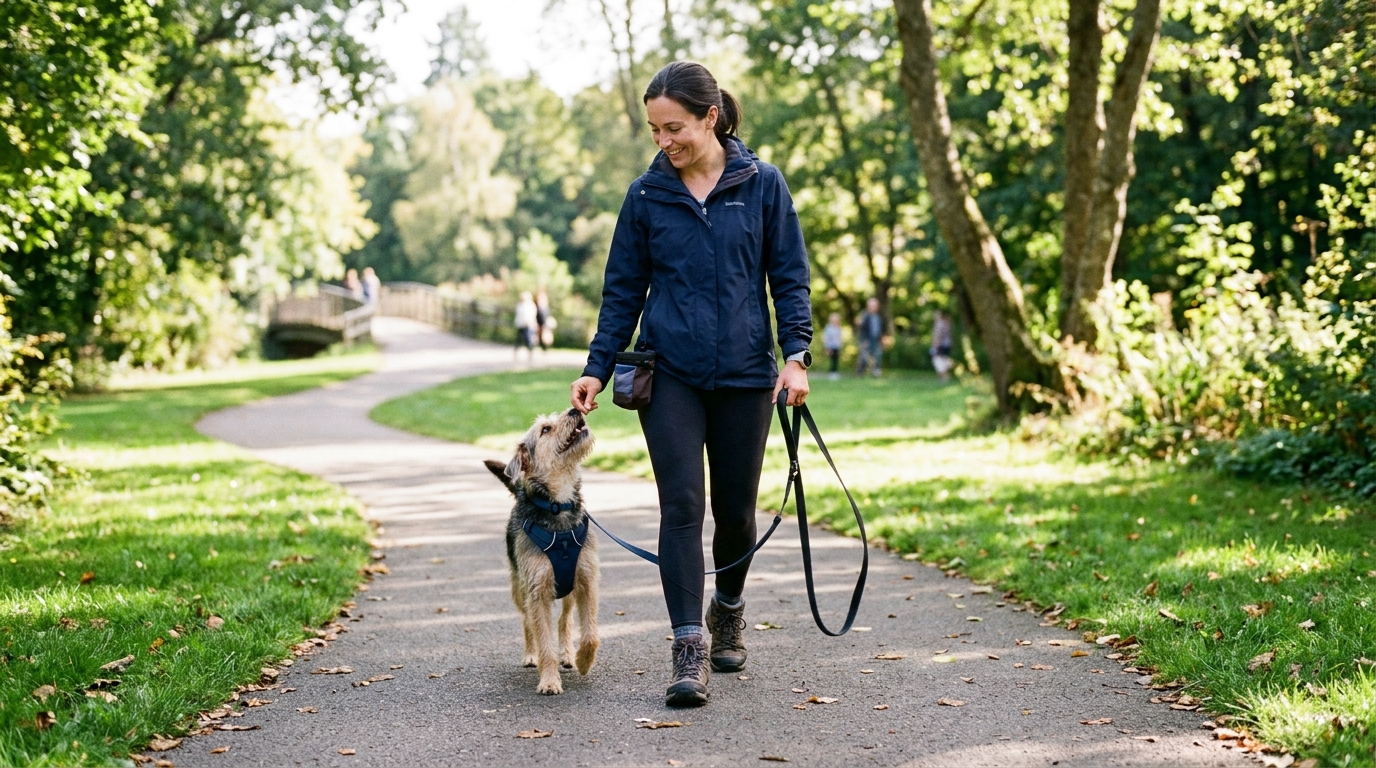
- Why “Watch Me” Often Fails in Fearful Dogs: Demanding that a fearful dog turn its back on an approaching threat to stare continuously into the handler’s eyes for 30 seconds removes visual monitoring of the scary stimulus; the “Engage-Disengage” (Look-At-That) protocol works superiorly because it explicitly permits a brief 1-second glance at the trigger to confirm safety before turning back for food.
- Hard Mouth on Treats = Over Threshold: If your dog grabs a piece of hot dog violently enough to scrape your fingers—or spits the food onto the pavement—your distance is too close; increase distance by 15 to 25 feet immediately.
- On-Leash Greeting Prohibition: Never allow nose-to-nose on-leash greetings with unfamiliar dogs on sidewalks; tangled leashes and sudden posture shifts inside a 3-foot circle provoke instant defensive snaps.
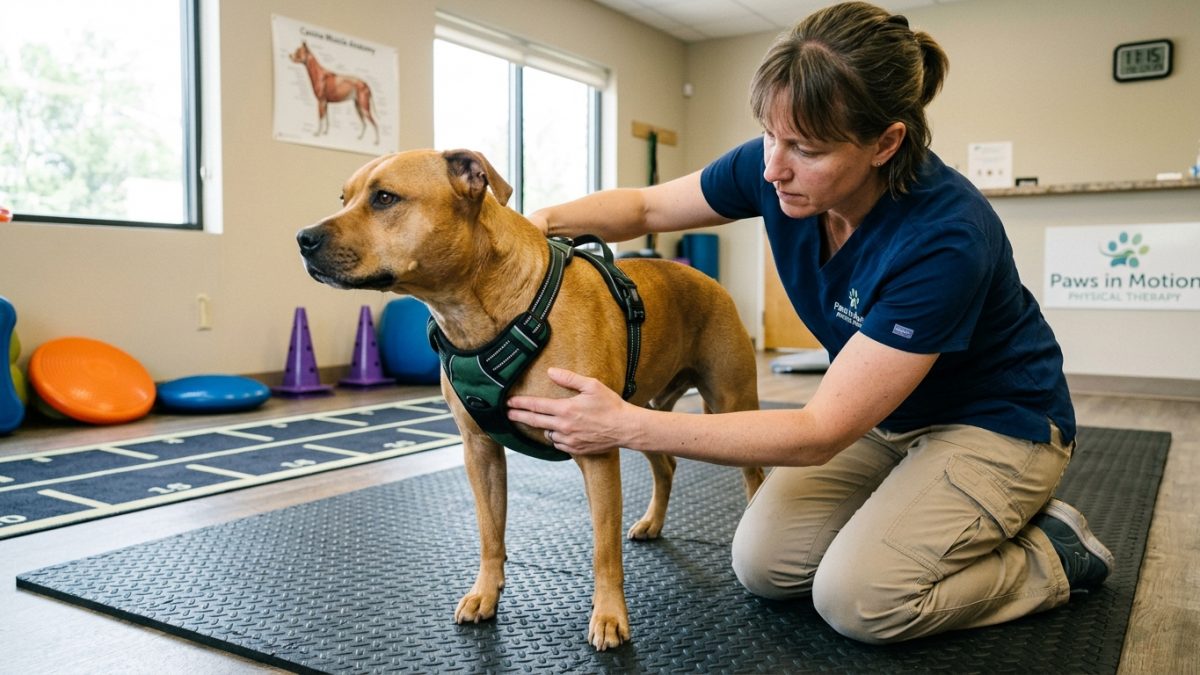
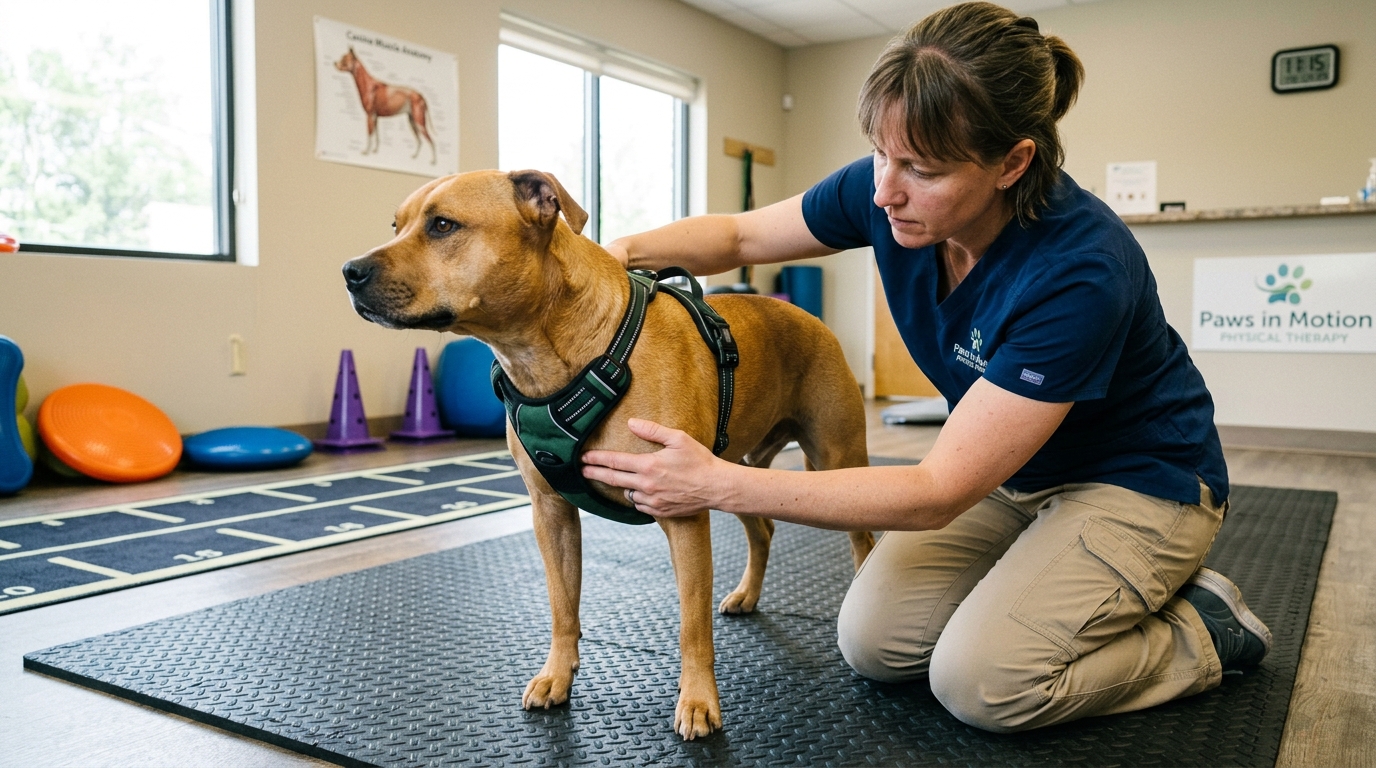
- Orthopedic & Endocrine Pain Amplification: Dogs with undiagnosed hip dysplasia, cranial cruciate disease, or hypothyroidism exhibit a 3-fold higher incidence of defensive leash reactivity because fear of being bumped by another dog triggers pre-emptive distance-increasing displays.
Emergency Triage Matrix: Clinical Presentation & Required Response
| Triage Level | Clinical Signs & Presentation | Immediate Action Protocol |
|---|---|---|
| Tier 1: Surprise Blind-Corner Encounter (Red-Zone Emergency Exit) | An off-leash dog or blind-corner trigger suddenly appears within 10 feet; your dog locks on, stiffens, or explodes into barking and lunging. | Zero scolding and zero obedience commands; immediately say your cheerful emergency U-turn cue (“Let’s go!”), slide one hand down the leash toward the harness for short slack-safe guidance, jog briskly 20 feet away behind a visual barrier (parked SUV or hedge), and scatter 10 treats on the ground for nose-down decompression. |
| Tier 2: Yellow-Zone Stiffening & Closed-Mouth Fixation | Dog spots a trigger at 30–50 feet, closes mouth, shifts weight onto front toes, and stares without blinking for >2 seconds. | Do not wait for a bark; fire your marker (“Yes!”) right as the dog looks, deliver a high-value treat at your hip while stepping backward to widen distance by 10 feet, and arc across the street. |
| Tier 3: Green-Zone Automatic Check-In (Auto-LAT) | Dog sees a trigger at a comfortable distance, looks at it for 1 second with soft posture, and voluntarily whips its head back toward the handler expecting a treat. | Mark the voluntary re-orientation immediately, deliver a jackpot reward while moving along a wide arc, and gradually narrow threshold distance by 5 feet over weeks. |
The Engage-Disengage (LAT) Protocol, Emergency U-Turns & Defensive Handling Mechanics
Practice the foundational “Emergency U-Turn” and “Magnet Hand” indoors and in empty driveways 10 times a day before needing them on the street. For the U-Turn, walk forward, say an upbeat cue (“This way!”), pivot 180 degrees away from your dog while slapping your thigh, and reward the dog with 3 consecutive high-value treats at your side as it catches up. For the “Magnet Hand,” load four soft treats into your fist, hold your fist right at your dog’s nose like an ice-cream cone so the dog licks continuously as you walk 15 steps past a tight doorway or parked car.
Once outdoors at your dog’s Green-Zone threshold distance (e.g., 60 feet from a fenced park path), implement the two-stage Engage-Disengage protocol: Stage 1 (Engage): The instant your dog’s eyes register the distant dog—while the body is still 100% calm—click or say “Yes!” That sound turns your dog’s head back toward you to collect the meat reward at your hip (so looking at a dog predicts chicken, and collecting the chicken physically breaks the stare). Stage 2 (Disengage): After 30 to 40 Stage-1 repetitions, pause 1.5 seconds after your dog looks at the trigger; when the dog voluntarily turns its head back to you on its own (“Where’s my chicken?”), mark that active disengagement and reward.
- Two-Handed Belay Leash Grip: Hold the leash loop in your rear anchor hand at your navel (never wrapped tightly around your wrist, which causes fractures if pulled) and use your front guide hand to take in or let out slack smoothly like a climbing belay.
- Visual Barrier Exploitation: Parked vans, dumpsters, privacy fences, and dense bushes are your best tactical allies on urban walks; ducking behind a parked SUV breaks line-of-sight visual cortex stimulation within 1 second.
- Off-Peak Walk Scheduling: Walk a severely reactive dog at 6:00 AM, mid-day, or in wide-open office parks on weekends rather than at 5:30 PM rush hour when narrow neighborhood sidewalks are packed with triggers.
- Deterrent Spray for Charging Off-Leash Dogs: Carry an extra handful of kibble to throw directly into the face of an approaching friendly off-leash dog (“kibble bomb” distraction) plus a clip-on canister of citronella spray (SprayShield) to deter aggressive off-leash dogs without wind blowback.
Strict Rule S1 Clinical Red Flags: Canine On-Leash Reactivity (Fear-Induced & Barrier-Frustration Lunging/Barking)
Critical safety boundaries for Canine (Canis lupus familiaris — Urban, Suburban & Adolescent/Rescue Dogs) caregivers:
- Zero Aversive Prong, Choke, or Shock Collars for Leash Reactivity: Never attempt to “correct” a reactive lunge with a prong collar pop or e-collar shock; associating the sight of other dogs or humans with neck pain suppresses warning barks temporarily while programming catastrophic unwarned bite attacks.
- Zero Retractable Leashes on Reactive Dogs: Never walk a reactive dog on a spring-loaded retractable cord leash; retractable locks fail under sudden lunge forces, the thin cord causes third-degree friction burns and finger amputations, and constant spring tension teaches the dog to pull.
Clinical Preparation & Biosecurity Action Checklist
- Measure your dog’s current Green-Zone threshold distance in paces (e.g., 20 paces = ~50 feet) for dogs, joggers, and bicycles so you can cross the street proactively.
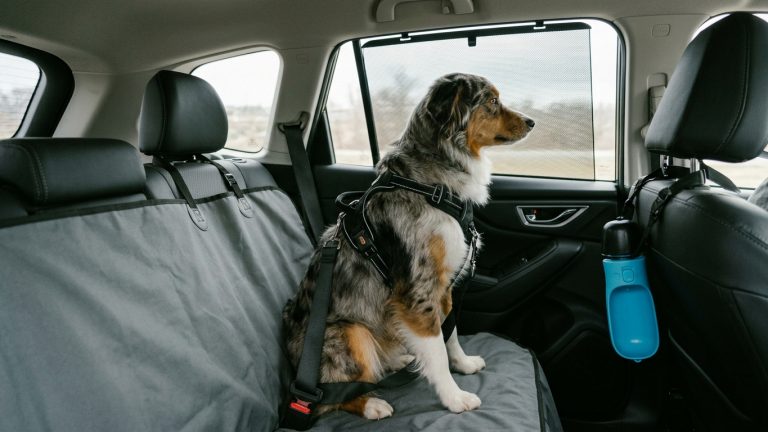
- Equip your dog with a well-fitted Y-front harness featuring both a dorsal back ring and a sternal front clip attached to a sturdy 6-foot flat webbing or biothane leash.
- Rehearse 5 cheerful “This way!” 180-degree U-turns on every walk when no triggers are present so the cue stays fast and joyful.
- End every walk that involves an unexpected Red-Zone surprise with 48 hours of quiet backyard/snuffle-mat cortisol decompression.
Related Clinical Guides & Triage Protocols
Peer-Reviewed Clinical References & Evidence Grounding
- Survey of the use and outcome of confrontational and non-confrontational training methods in client-owned dogs showing undesirable behaviors (opens in new tab) (Applied Animal Behaviour Science (2014) — Peer-reviewed clinical study by Herron et al. indexed on NCBI PubMed (PMID: 24299544).)
- Pain and musculoskeletal pathology as primary contributors to defensive behavior and reactivity in companion dogs (opens in new tab) (Animals (2020) — Peer-reviewed veterinary behavioral study by Mills et al. indexed on NCBI PubMed (PMID: 32064667).)
- AAHA Canine and Feline Behavior Management Guidelines: Counterconditioning and Desensitization for Fear-Induced Reactivity (opens in new tab) (American Animal Hospital Association clinical standards on sub-threshold behavior modification.)
- AVSAB Position Statement on Humane Dog Training: Risks of Aversive Collars in Reactive Dogs (opens in new tab) (American Veterinary Society of Animal Behavior consensus guidance on force-free leash reactivity management.)
Source transparency
Reference mix for this guide
Source labels classify the institutional category of the references cited above.