Editorial standard
How this guide was prepared
Resource guarding—defined as the use of postural stiffening, rapid consumption, growling, snapping, or biting to retain control over a valued food bowl, bone, stolen household tissue, toy, or sleeping couch—is not a manifestation of “alpha dominance” or malice. From an ethological perspective, conserving scarce caloric or spatial resources once acquired is a normal mammalian survival mechanism. However, in a domestic home, misguided advice to “prove social rank” by reaching into a puppy’s food bowl or prying a stolen sock from a dog’s jaws teaches the dog that approaching human hands really are thieves, rapidly escalating low-level stiffening into unwarned defensive bites.
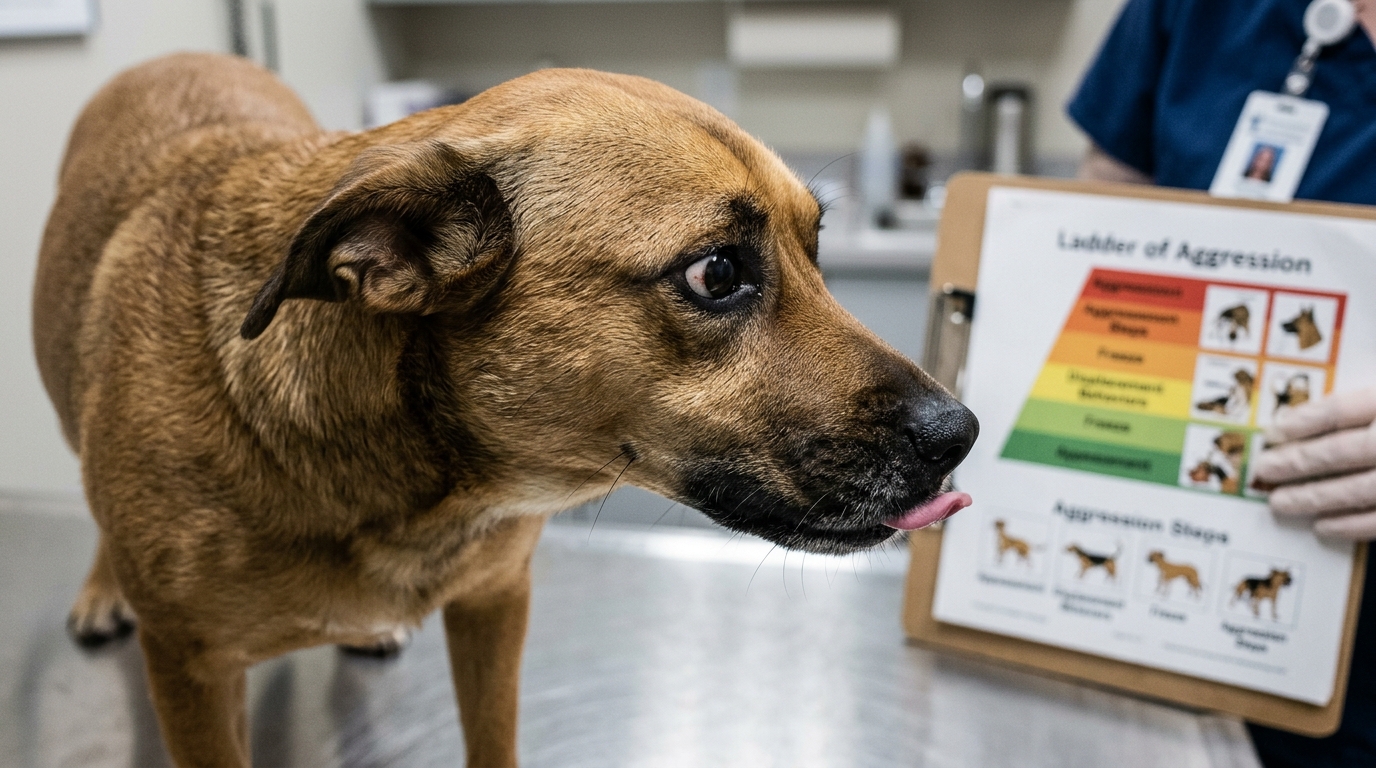
Clinical Quick Answer & Immediate Stabilization Protocol
Primary Clinical Directive for Canine Resource Guarding (Possessive Aggression Over Food, Chews & Spatial Locations): Manage resource guarding through the “80% Environmental Prevention / 20% Counterconditioning” rule: feed all meals and high-value chews behind a closed door or tall exercise pen where no human, child, or other pet ever approaches the dog while eating. If a dog steals a non-lethal household item (a shoe or paper towel), never chase or grab; walk 8 feet away to the refrigerator, call out cheerfully, and scatter 5 pieces of high-value meat or cheese on the floor so the dog drops the stolen item voluntarily to eat the upgrade while you calmly close a door or pick up the item once the dog is 6 feet away.
Fear-of-Loss Neurobiology, The “Hands-in-Bowl” Myth & Medical GI Triggers
Behavioral epidemiology studies confirm that the single most common iatrogenic cause of adult food-bowl aggression is well-meaning owners performing “bowl-tampering exercises” during puppyhood—repeatedly picking up the puppy’s food dish mid-meal or shoving hands into the kibble to “prove ownership.” To a relaxed puppy, this intrusion turns peaceful dining into an unpredictable threat of deprivation; the puppy begins eating faster (gulping), freezes when footsteps approach, and eventually growls or snaps to keep the bowl from disappearing.
Equally important, veterinary clinicians screen every newly onset or worsening resource-guarding patient for underlying gastrointestinal, endocrine, or polyphagic medical conditions. Exocrine pancreatic insufficiency (EPI), inflammatory bowel disease (IBD), small-intestinal malabsorption, diabetes mellitus, hyperadrenocorticism (Cushing’s disease), and corticosteroid therapy induce ravenous physiological hunger (polyphagia) and visceral discomfort, lowering the threshold for food-related defensive aggression.
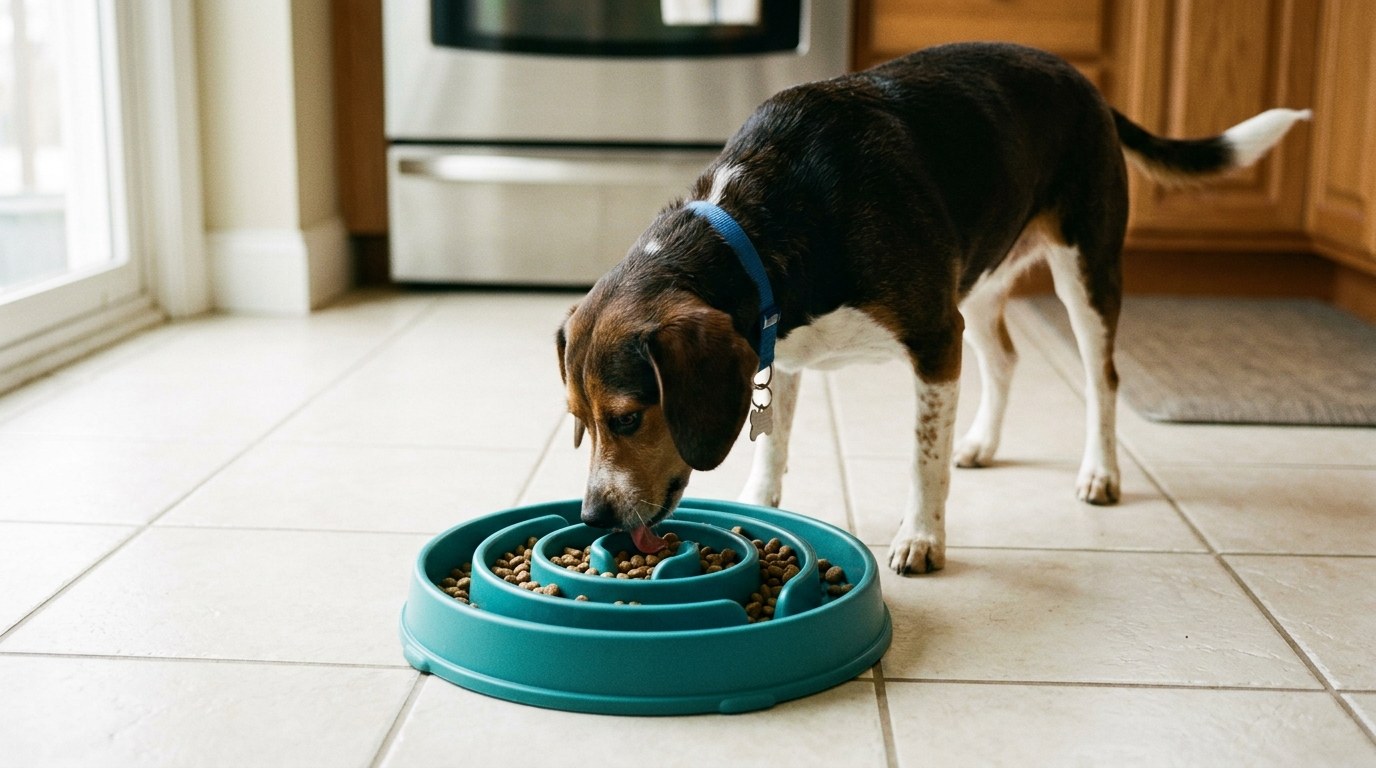
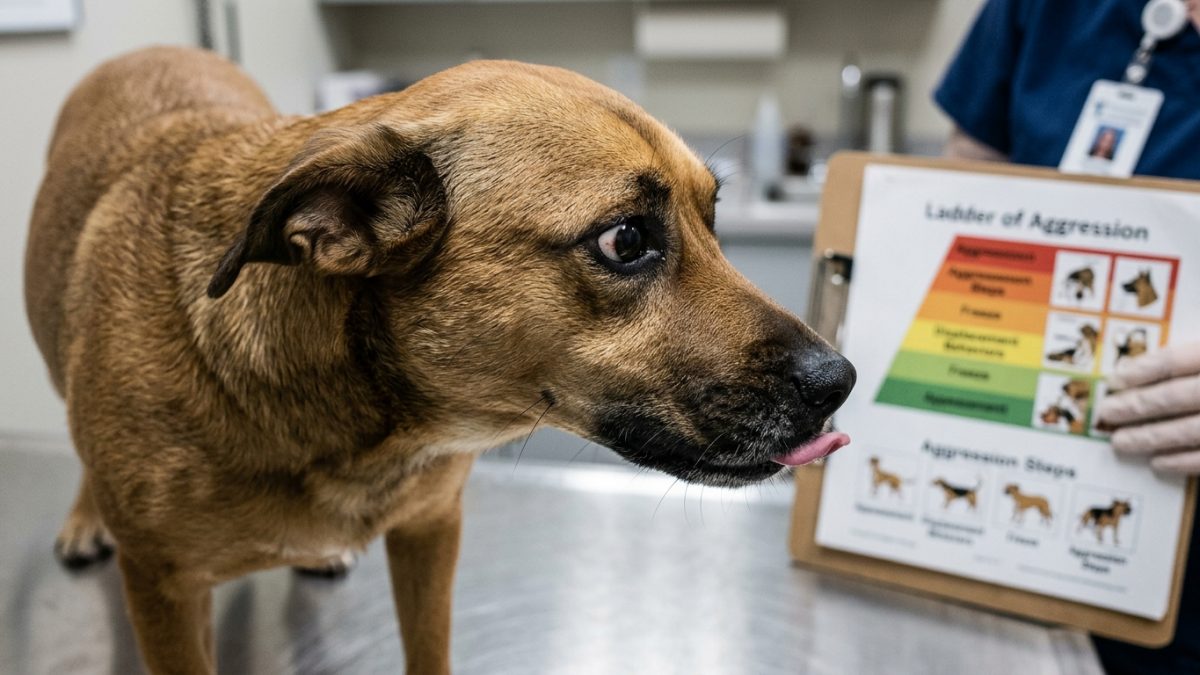
- The Pre-Bite Freezing Ladder: Before a guarding dog ever growls or shows teeth, it displays three silent precursors: (1) sudden cessation of chewing (hard freeze), (2) accelerated frantic swallowing, and (3) head lowered over the item with lateral “whale-eye” white scleral crescent visible.
- Scarcity Amplification in Multi-Pet Homes: Leaving empty food bowls, bully sticks, or marrow bones lying on the living room floor in a multi-dog home creates chronic 24/7 territorial minefields.
- Why Simple “Trade” Can Become a Bribery Trap: If you only approach your dog with a piece of cheese when you want to confiscate a stolen shoe, the dog quickly learns that stealing shoes is the operant button to make humans dispense cheese—or learns to swallow the stolen item whole before trading.
- Approach-Bonus Classical Counterconditioning: Tossing a chunk of roast chicken into the bowl from 6 feet away and walking away WITHOUT taking anything changes the emotional meaning of approaching footsteps from “Threat of loss” to “Arrival of a bonus garnish.”
Emergency Triage Matrix: Clinical Presentation & Required Response
| Triage Level | Clinical Signs & Presentation | Immediate Action Protocol |
|---|---|---|
| Tier 1: Acute Hazardous Ingestion (Medications, Toxins, Sharp Objects) vs. Guarding | Dog is guarding a spilled pill bottle, chocolate bar, chicken bone, or toxic item and stiffening/growling as you approach. | Never reach toward the dog’s jaws; immediately run to the kitchen, loudly open the fridge/cheese drawer, and dump a massive pile of hot dogs, lunchmeat, or wet food 10 feet away in the next room, then shut the connecting door once the dog crosses the threshold. |
| Tier 2: Multi-Pet Mealtime Tension, Chew Guarding & Furniture Growling | Dog freezes, hovers over its bowl, finishes meals in 20 seconds to check another pet’s dish, or growls when nudged off the sofa or bed. | Feed all pets in separate closed rooms (wait until all pets finish and pick up empty bowls before opening doors), remove all floor chews, and block access to guarded couches/beds with physical furniture barriers or gates. |
| Tier 3: Sub-Threshold “Walk-By Bonus” Desensitization | Dog eats calmly with relaxed tail and loose spine while handler stands 8–10 feet away. | Conduct structured “drive-by” sessions: walk past at a safe non-freezing distance, toss a higher-value meat morsel toward the bowl without stopping, and keep walking away. |
Drive-By Bonus Protocols, Two-Bowl Switching & Multi-Pet Spatial Architecture
When conducting formal counterconditioning for mild-to-moderate food bowl guarding (always with zero children or other pets in the room), begin with the “Empty-Bowl Drop” and “Drive-By Bonus.” Place an empty ceramic bowl on the floor while standing 5 feet away; walk past, toss 3 pieces of hot dog into the empty bowl from a distance, and walk away. Once the dog looks up happily with a loose wagging tail whenever you step near the empty dish, place a small portion of regular dry kibble in the bowl. Walk past at a distance where the dog remains 100% relaxed (e.g., 6 feet), toss a piece of roast chicken toward the bowl, and immediately walk away without lingering.
In multi-pet households (multiple dogs, or dogs living with cats), visual and physical barriers during feeding are permanent life-long hygiene habits—not temporary training wheels. Cats must be fed on elevated counters or inside a room protected by a cat-sized door latch where dogs cannot lurk beneath them, and dogs must be fed in separate rooms behind closed doors or solid visual dividers. Always pick up and wash every empty food bowl BEFORE releasing pets back into shared common areas.
- Never Hover After Tossing a Trade: The most common handler error during a trade-up is tossing a treat 2 feet away and immediately lunging forward to grab the bone while the dog is still within lunging range; always toss a trail of 4 to 5 treats 10 feet into another room first.
- Couch and Bed Guarding Rules: If a dog growls when someone sits on the sofa or shifts legs in bed at night, never physically drag or shove the dog off by the collar (which causes immediate bites); call the dog off using a cheerful kitchen food scatter and block bedroom/sofa access with an exercise pen while training an independent orthopedic dog bed.
- Toy & Chew Pick-Up Discipline: High-value edible chews (dental chews, stuffed Kongs, lick mats) should be dispensed exclusively inside each dog’s private gated room or crate and collected before dogs reunite.
- Pediatric Household Strict Protocol: Crawling toddlers and young children must never have physical access to a dog that is eating a meal or chewing an item; separate them behind a locked gate or solid door 100% of the time.
Strict Rule S1 Clinical Red Flags: Canine Resource Guarding (Possessive Aggression Over Food, Chews & Spatial Locations)
Critical safety boundaries for Canine (Canis lupus familiaris — Newly Adopted, Shelter Rescue & Multi-Pet Dogs) caregivers:
- Zero Forced Mouth Prying or “Alpha Dominance” Bowl Take-Aways: Never pry open a guarding dog’s jaws or forcibly confiscate a food bowl to “establish dominance”; this outdated confrontational practice is one of the leading documented triggers of severe caregiver hand and facial bite lacerations.
- Zero Punishment of Growling or Lip Lifting: Never scold, slap, or shock a dog for growling over an item; a growl is honest distance-increasing communication, and punishing it removes the warning siren while leaving the bite reflex intact.
Clinical Preparation & Biosecurity Action Checklist
- Audit your home floor today and pick up all stray chew bones, antlers, hooves, and empty food bowls from shared multi-pet rooms.
- Establish permanent closed-door or gated feeding stations for every pet in the household and pick up bowls before opening doors.
- Keep a sealed plastic tub of high-value shelf-stable trade treats (freeze-dried beef liver or cheese crackers) on a high shelf in every main living room.
- Schedule a veterinary examination and fecal/GI blood panel if an adult dog suddenly develops ravenous hunger and uncharacteristic food guarding.
Related Clinical Guides & Triage Protocols
Peer-Reviewed Clinical References & Evidence Grounding
- Prevention and treatment of resource guarding in domestic dogs: risk factors, owner interventions, and outcomes (opens in new tab) (Journal of Veterinary Behavior (2018) — Peer-reviewed clinical behavioral study by Jacobs et al. indexed on NCBI PubMed (PMID: 29198945).)
- Confrontational training methods and forceful food confiscation trigger defensive aggression in companion dogs (opens in new tab) (Applied Animal Behaviour Science (2014) — Peer-reviewed study by Herron et al. indexed on NCBI PubMed (PMID: 24299544).)
- AAHA Canine and Feline Behavior Management Guidelines: Possessive Aggression, Environmental Management, and Desensitization (opens in new tab) (American Animal Hospital Association clinical guidelines on resource guarding safety.)
- AVSAB Position Statement on the Use of Dominance Theory in Behavior Modification of Animals (opens in new tab) (American Veterinary Society of Animal Behavior scientific refutation of alpha-dominance bowl confiscation.)
Source transparency
Reference mix for this guide
Source labels classify the institutional category of the references cited above.