Editorial standard
How this guide was prepared
A failed recall near vehicular traffic, wildlife, or aggressive off-leash dogs is one of the leading behavioral causes of traumatic canine mortality. Most everyday recall cues (“Come!”) fail under high distraction because owners inadvertently poison the cue: they call the dog repeatedly while the dog ignores them, call the dog to end off-leash play and clip on the leash, or scold the dog when it finally returns after a five-minute chase. Building an emergency life-saving recall requires establishing an unpoisoned, reflexively conditioned acoustic signal paired with jackpot visceral rewards while managing the dog on a chest-harnessed long line.

Clinical Quick Answer & Immediate Stabilization Protocol
Primary Clinical Directive for Canine Emergency Recall Failure & Predatory Motor Sequence Interruption: Separate your everyday casual requests (“Here” or “Let’s go”) from a dedicated, sacred Emergency Recall signal—either a fixed-pitch pealess whistle (such as an Acme 210.5 or 211.5) or a distinct single-word verbal cue—that predicts an extraordinary, multi-piece high-value meat or wet-food jackpot 100 percent of the time. Condition the reflex indoors first via 30 classical pairings, practice outdoors on a 15-to-20-foot biothane line attached to a Y-harness, and interrupt predatory fixation during the initial “Orient/Eye” phase before the dog launches into an adrenaline-driven sprint.
Predatory Motor Sequence Neurobiology, Cue Poisoning & Punished-Return Suppression
Canine predatory behavior follows an evolutionarily conserved ethological chain: Orient -> Eye (Stare) -> Stalk -> Chase -> Grab-Bite. Once a dog transitions from the “Eye/Stare” phase into a full-speed “Chase” sprint after a squirrel, deer, or cyclist, massive striatal dopamine and sympathetic catecholamine release functionally down-regulates auditory processing in the prefrontal cortex. Attempting to shout a weak conversational cue once a dog is mid-sprint not only fails to stop the chase, it actively habituates the dog to ignoring the acoustic signal (learned irrelevance).
Furthermore, operant punishment applies exclusively to the final action immediately preceding the consequence. If a dog runs off for three minutes, finally returns to the owner, and is met with an angry voice, a rough collar grab, or immediate termination of outdoor freedom, the dog’s nervous system does not associate the punishment with running away three minutes earlier—it associates the punishment directly with returning to the human. Across just two or three repetitions, this punished-return dynamic teaches the dog to stay just out of arm’s reach whenever the owner calls.
- Classical Whiplash Reflex (Pavlovian Conditioning): When a unique whistle blast is paired 50 consecutive times with squeezed liver paste or canned wet food right at the handler’s knees, the acoustic tone triggers an involuntary autonomic head-turn and salivation reflex that bypasses conscious deliberation.
- The Pre-Launch Interception Window: Recall signals succeed over 90% of the time when fired during the initial 1-to-2-second “Orient” ear-perk toward a distraction, compared to under 15% once all four paws are galloping.
- Catch-and-Release Reinforcement Principle: If coming when called leads to being clipped on a leash and marched back to the car 90% of the time, the opportunity cost of returning outweighs any dry biscuit; practicing 10 recalls where the dog is fed, praised, and immediately released back to sniff preserves cue value.
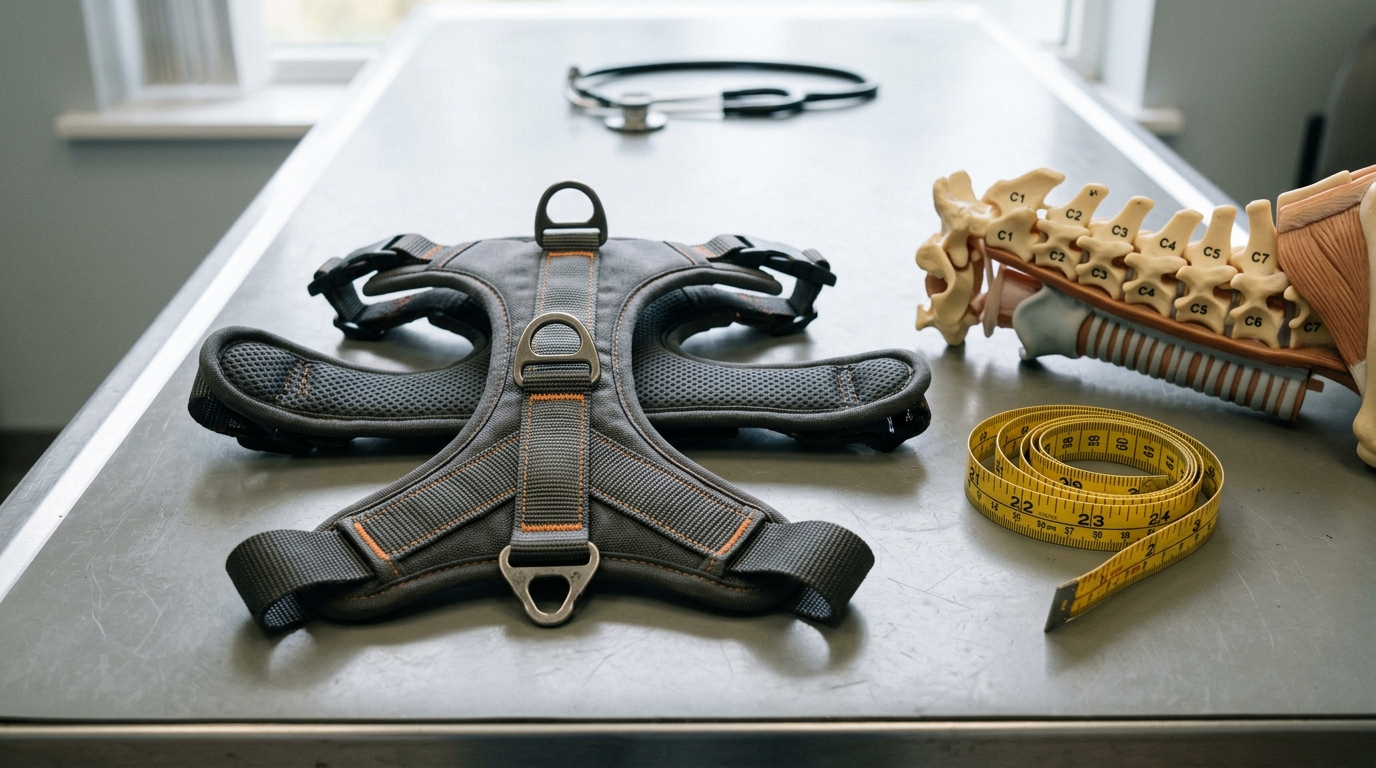
- Kinetic Energy on Long Lines: A 25 kg dog accelerating over 6 meters of slack line generates sufficient impact force to cause cervical whiplash to the dog and rope-burn avulsion to bare human hands unless leather/padded gloves and a Y-harness are used.
Emergency Triage Matrix: Clinical Presentation & Required Response
| Triage Level | Clinical Signs & Presentation | Immediate Action Protocol |
|---|---|---|
| Tier 1: Acute Escape / Traffic Flight Emergency | Dog slips collar/leash or bolts out an open gate toward a roadway or livestock while ignoring shouted recall cues. | Never chase a bolting dog (chasing triggers evasive flight);instead, yell an excited happy sound while running in the opposite direction, drop flat to the ground pretending to inspect food, or open a car door and call cheerfully. |
| Tier 2: Poisoned Everyday Recall & Keep-Away Evasion | Dog pauses 6–10 feet away when called, play-bows or darts away when the owner reaches for the collar, or ignores “Come” whenever outdoors. | Retire the poisoned word “Come” permanently; introduce a brand-new whistle or verbal emergency cue indoors, keep a 15-foot biothane line on a Y-harness outdoors, and pair every collar touch with a high-value treat. |
| Tier 3: Graduated Distraction Proofing | Dog pivots within 1 second of the recall signal on a slack 20-foot line in low-to-moderate park distractions and eagerly allows collar/harness contact. | Practice the 10-to-1 catch-and-release ratio (9 recalls end with a reward and release back to sniffing; only the 10th ends the walk) and refresh jackpot pairings weekly. |
Classical Whistle Loading, Collar-Grab Desensitization & Biothane Line Mechanics
To build an unpoisoned emergency recall from scratch, begin with a 5-day indoor loading phase where the dog is already standing within 3 feet of you. Blow the recall whistle pattern (e.g., three short rapid pips: pip-pip-pip!) or speak the novel word in an upbeat tone, pause 0.5 seconds, and immediately deliver a 10-second continuous jackpot (five consecutive pieces of roasted chicken or a lickable squeeze tube) directly beside your knees. Never test the cue from across the yard during week one.
In phase two, introduce kinetic retreat and collar-contact conditioning. Because dogs are naturally drawn to retreating motion, back away briskly for 3 to 4 steps and clap your thighs as soon as the dog turns toward you after the signal. Once the dog arrives at your legs, gently slide two fingers under the harness or collar strap before delivering the food reward with the other hand—ensuring the feel of a human hand on the harness predicts food rather than restraint.
- Fixed-Pitch Pealess Whistle Advantage: Human voices crack and rise in pitch under panic, alerting the dog to handler stress; a standardized pealess polycarbonate whistle emits an identical frequency (approx. 4.8–5.4 kHz) across wind, rain, and emotional emergencies.
- Biothane vs. Retractable Cord Safety: Flat 3/8-inch or 1/2-inch waterproof biothane long lines slide smoothly over grass without tangling around legs, whereas thin nylon retractable flexi-cords cause severe lacerations, amputations, and panicked fleeing if the plastic handle drops.
- The “One-Call” Rule: Never repeat a recall cue (“Come… Come… COME!”); issue the cue once when your dog is on a long line, and if the dog does not pivot within 1.5 seconds, walk up the line calmly or make rapid kissy noises while backing away to prompt orientation.
- High-Value Jackpot Rotation: Reserve a dedicated “vault” reward (canned sardines in water, tripe, or squeeze-tube meat paste) used strictly for emergency recall drills and never offered during ordinary home training.
Strict Rule S1 Clinical Red Flags: Canine Emergency Recall Failure & Predatory Motor Sequence Interruption
Critical safety boundaries for Canine (Canis lupus familiaris — Newly Adopted, Adolescent & High-Prey-Drive Dogs) caregivers:
- Zero Electronic Shock Collar “Recall” Conditioning: Never use e-collar electric stimulation to force recall compliance; veterinary behavioral research confirms that shock-trained dogs exhibit elevated salivary cortisol, redirected fear aggression toward nearby dogs or children, and catastrophic panic bolt responses when shocked under high arousal.
- Zero Retractable Flexi-Leads or Neck-Attached Long Lines: Never attach a long line to a neck collar or use a locking thin-cord retractable leash on a dog with unreliable recall; sudden full-speed stops on a neck collar cause cervical spinal cord contusion and crushed tracheal rings.
Clinical Preparation & Biosecurity Action Checklist
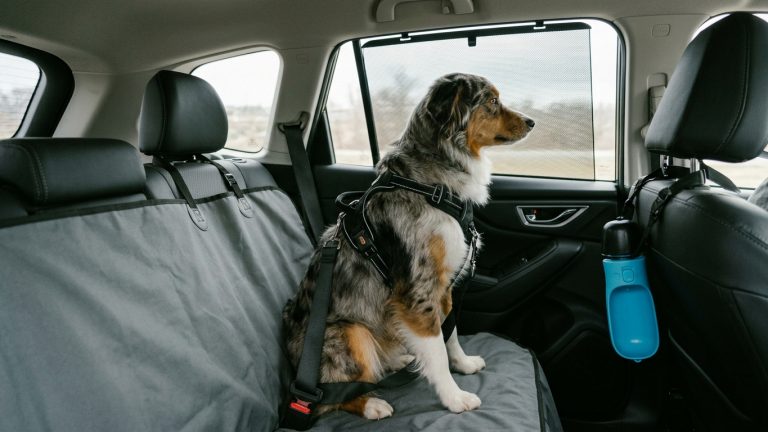
- Fit your dog with a secure, escape-resistant Y-front chest harness (or three-strap martingale-style safety harness for narrow-headed sighthounds and rescues) before any outdoor recall session.
- Pair every physical touch of your dog’s collar or harness D-ring with a soft treat 10 times daily so your dog never ducks away from your reaching hand.
- Carry an emergency squeeze-tube meat reward and a pealess recall whistle on every walk, refreshing one easy close-range jackpot recall per outing.
- Avoid calling your dog to administer unpleasant procedures (nail trims, ear drops, baths, or scolding); walk quietly to your dog instead to keep your recall cue 100% positive.
Related Clinical Guides & Triage Protocols
Peer-Reviewed Clinical References & Evidence Grounding
- Does training method matter? Evidence for the negative impact of aversive-based methods on companion dog welfare and recall reliability (opens in new tab) (PLOS ONE (2020) — Peer-reviewed empirical study by Vieira de Castro et al. indexed on NCBI PubMed (PMID: 33315916).)
- The welfare consequences and efficacy of training pet dogs with remote electronic training collars in comparison to reward-based recall training (opens in new tab) (PLOS ONE (2014) — Peer-reviewed study by Cooper et al. indexed on NCBI PubMed (PMID: 24480904).)
- AVSAB Position Statement on the Use of Punishment and Electronic Collars in Behavior Modification (opens in new tab) (American Veterinary Society of Animal Behavior clinical guidance on punished-return suppression and positive recall conditioning.)
- Merck Veterinary Manual: Principles of Learning Theory and Behavioral Modification in Dogs (opens in new tab) (Verified veterinary manual reference on classical conditioning, predatory drift, and counterconditioning.)
Source transparency
Reference mix for this guide
Source labels classify the institutional category of the references cited above.