This guide is general education for pet owners. If your pet has urgent symptoms, possible poisoning, injury, breathing trouble, collapse, severe pain, or sudden decline, contact a licensed veterinarian or local emergency service.
Dosages must be calculated by a licensed veterinarian based on species, weight, and bloodwork. Never administer human medications or self-adjust prescription doses for pets.
Editorial standard
How this guide was prepared
Toxicological emergencies require precise timeline tracking, dose quantification, and immediate identification of the ingested compound. Clinical signs vary drastically based on the specific toxicokinetic profile of the substance, ranging from delayed hepatotoxicity to acute neurological collapse.
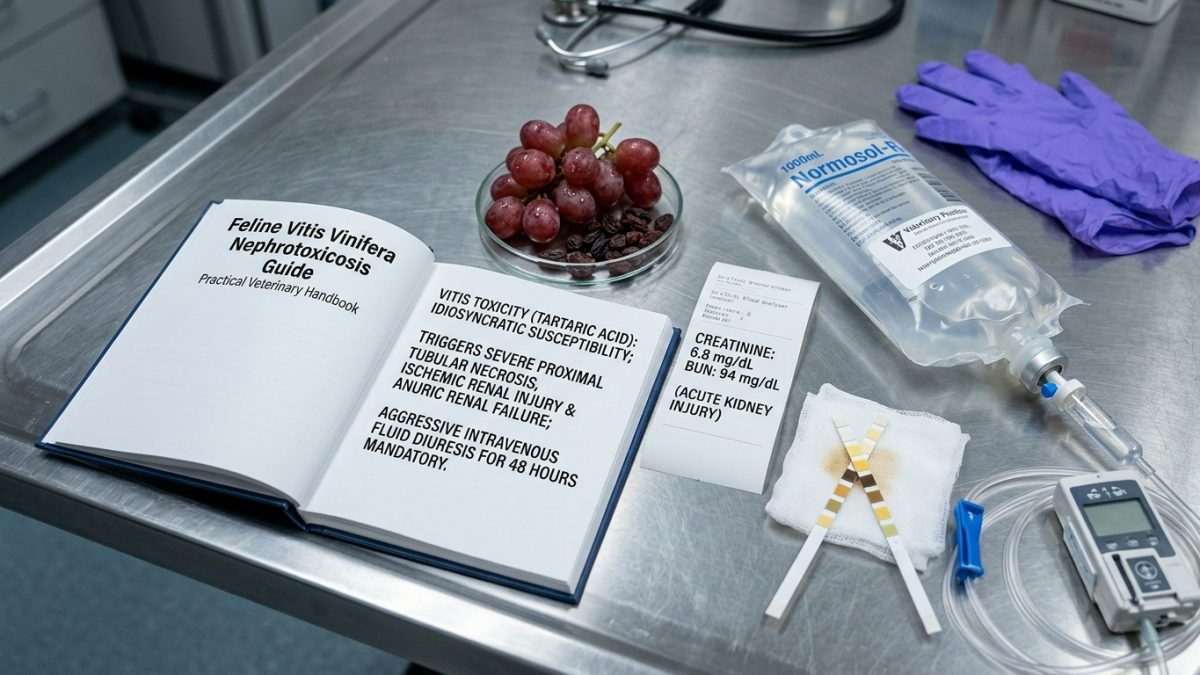
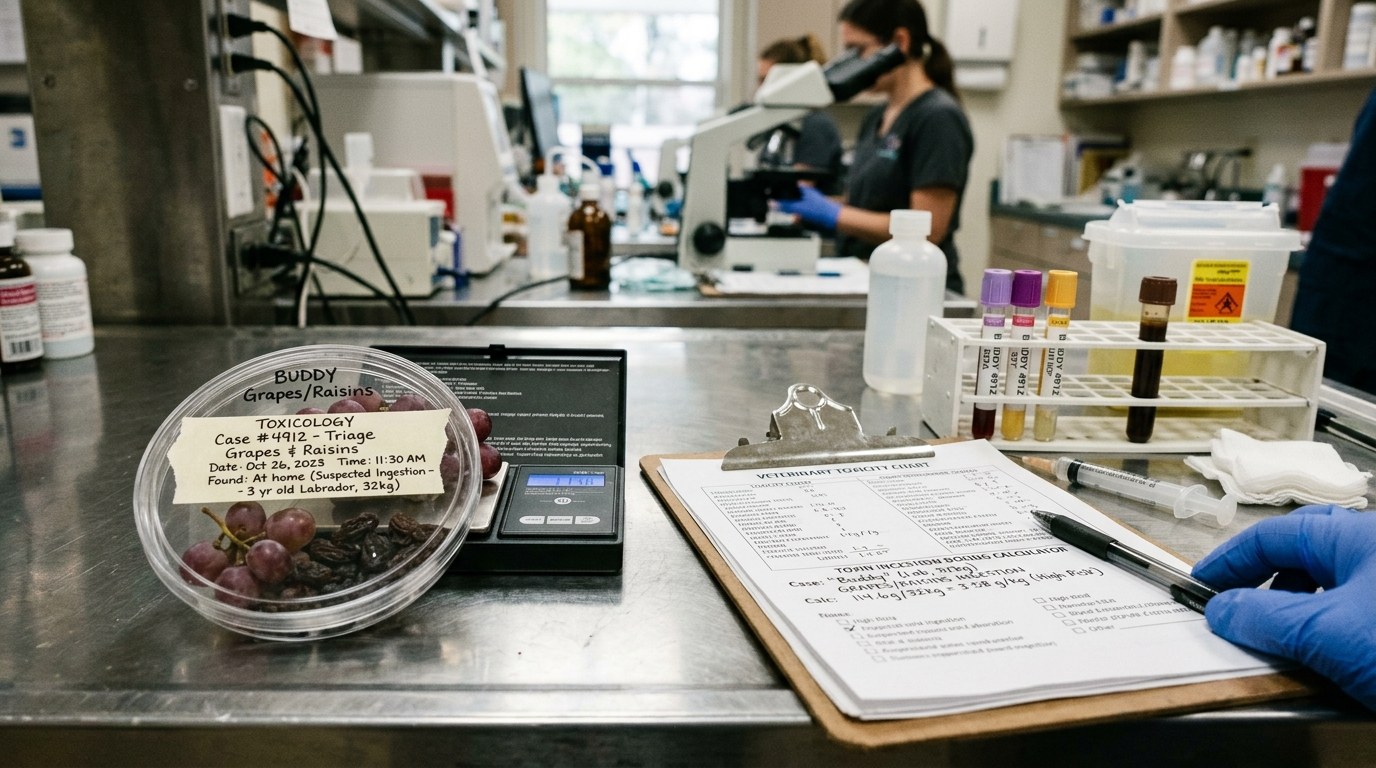
Zero Safe Ingestion Threshold: All grapes, raisins, sultanas, currants, and grape-derived products (including wine, grape juice, and baked goods containing fruit paste) are acutely nephrotoxic to canines. Recent toxicological research confirms that tartaric acid and its salt potassium bitartrate are the causative nephrotoxic agents. Sensitivity is idiosyncratic: a single raisin has caused fatal anuric acute kidney failure in a large dog, while others tolerate larger quantities. Treat ANY ingestion as a Tier 1 medical emergency requiring immediate veterinary decontamination.
Clinical Quick Answer & Immediate Actions
Toxicological exposure requires immediate determination of the ingested substance, estimated dosage, and time of ingestion. Decontamination protocols (emesis, activated charcoal) are highly time-dependent. Never induce vomiting at home for caustic substances or in neurologically impaired patients.
Do not attempt home remedies without explicit veterinary guidance. Inducing emesis for caustic, corrosive, or volatile hydrocarbon substances can cause fatal aspiration pneumonia or severe esophageal necrosis. Contacting a dedicated animal poison control center with the exact product packaging accelerates targeted triage.
Pathophysiology of Toxin Absorption
Absorption rates dictate the therapeutic window for gastrointestinal decontamination. Highly lipophilic compounds cross the blood-brain barrier rapidly, while enteric-coated human pharmaceuticals may delay systemic absorption by several hours.
Veterinary decontamination protocols typically involve activated charcoal administration to bind enteric toxins, followed by aggressive intravenous fluid diuresis to accelerate renal clearance and support organ perfusion.
| Toxin Category | Primary Organ System Affected | Critical Time Window |
|---|---|---|
| Neurotoxins (e.g., Permethrin) | Central Nervous System | Immediate (< 1 hour) |
| Nephrotoxins (e.g., Lilies, Grapes) | Renal System | 0 – 12 hours |
| Hepatotoxins (e.g., Xylitol, Sago Palm) | Hepatic System | 0 – 4 hours |
Monitoring requires serial laboratory evaluation to detect delayed-onset organ damage. Baseline biochemistry profiles must be compared against 24-hour, 48-hour, and 72-hour rechecks, even if the patient appears clinically normal during the latent phase.
Provide the attending emergency veterinarian with the exact time of ingestion, the estimated quantity consumed, and the patient’s exact body weight to calculate milligram-per-kilogram toxicity thresholds accurately.
When to Seek Emergency Intervention
Immediate transport to a 24-hour emergency facility is mandatory if the animal exhibits muscle tremors, ataxia, active seizures, severe hematemesis, or respiratory distress. Time is the most critical prognostic indicator in toxicological survival rates.
Bring all original product packaging, chewed containers, or plant material to the clinic. Secure the remaining toxic substance to prevent exposure to other household pets during transport.
ASPCA Animal Poison Control
If you suspect poisoning, immediately call the ASPCA Animal Poison Control Center (APCC) at (888) 426-4435 or your local emergency veterinary clinic. Keep the incident case number for your veterinarian.
Pathophysiology of Tartaric Acid Nephrotoxicity in Canines
For decades, the toxic principle in grapes and raisins remained a mystery. Breakthrough clinical research by the ASPCA Animal Poison Control Center confirmed that tartaric acid and potassium bitartrate are the causative nephrotoxic agents:
- Why Canines Are Uniquely Vulnerable: Most mammals (such as humans and rodents) metabolize tartaric acid via intestinal microflora or excrete it efficiently. Canines, however, demonstrate acute sensitivity to tartaric acid absorption, leading to toxic intracellular accumulation within the kidneys. High tartaric acid concentrations induce severe ischemic injury, oxidative membrane degradation, and acute necrosis of the proximal convoluted tubular epithelium.
- Variable Toxin Concentration in Fruit: Tartaric acid concentration varies dramatically based on grape variety, geographic terroir, harvest ripeness, and soil composition. Furthermore, because raisins, sultanas, and currants are dehydrated, the tartaric acid concentration is condensed by up to 5 to 6 times per gram compared to fresh grapes. This explains why raisin ingestions carry substantially higher mortality rates and severe anuric presentations.
- Progression to Acute Oliguric/Anuric Kidney Failure: Clinical symptoms typically follow a biphasic progression. Initial gastrointestinal signs (vomiting, diarrhea, anorexia, abdominal pain) manifest within 6 to 12 hours of ingestion. By 24 to 72 hours, renal failure establishes: serum creatinine and BUN skyrocket, while urine output drops precipitously into oliguria (< 1 milliliters per kilogram per hour) or complete anuria. Anuric renal failure carries a mortality rate exceeding 75% without advanced hemodialysis.
Emergency Medical Stabilization & 48-Hour Fluid Diuresis Protocol
Because there is no specific chemical antidote for tartaric acid poisoning, aggressive early medical intervention is non-negotiable:
- Early Gastric Decontamination (Within 2 to 4 Hours): Immediate in-clinic emesis induction with apomorphine (or ophthalmic ropinirole) followed by gastric lavage removes whole grapes and dense raisin fragments. Because grapes often remain in the stomach for extended periods, emesis can be attempted up to 4 to 6 hours post-ingestion. Administer activated charcoal with a cathartic (sorbitol) to adsorb remaining gastrointestinal toxins.
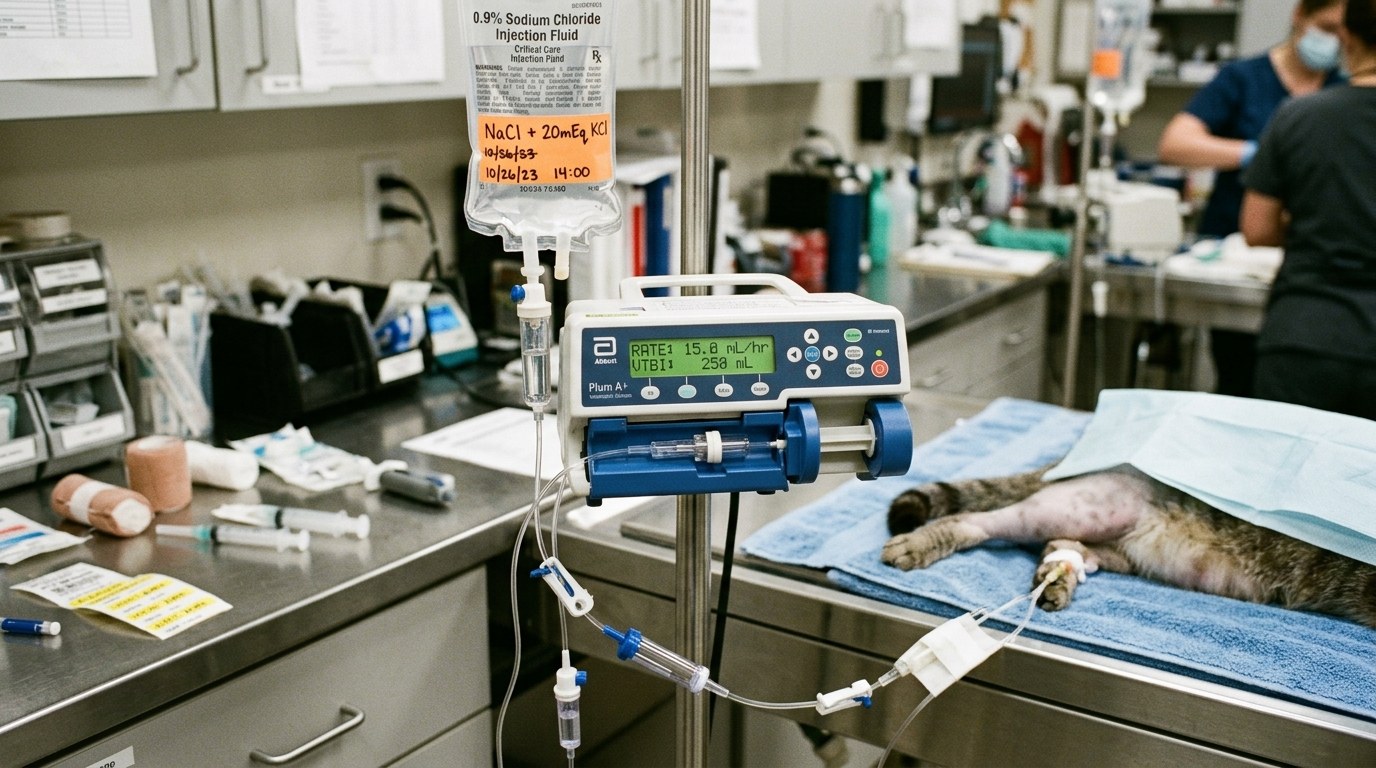
- Aggressive Intravenous Fluid Diuresis (48 Hours Minimum): Place an intravenous catheter and maintain balanced crystalloid IV fluid diuresis at individualized veterinary fluid rates (LRS or Normosol-R at 2 to 3 times maintenance) for a minimum of 48 hours. Fluid diuresis expands vascular volume, maximizes renal medullary perfusion, flushes sloughed tubular cellular debris, and prevents the formation of occlusive tubular casts.
- Serial Renal Profiling and Hemodialysis Triage: Serum creatinine, BUN, electrolytes (potassium, phosphorus, sodium), and venous blood gases must be monitored at baseline, 24 hours, and 48 hours post-ingestion. If renal biomarkers remain entirely normal after 48 hours of diuresis, the dog carries an excellent prognosis and fluids can be tapered. If anuria develops despite fluid resuscitation, immediate transfer to a veterinary specialty center for intermittent hemodialysis or continuous renal replacement therapy (CRRT) represents the sole remaining life-saving option.
Frequently Asked Questions
Should I give milk or oil to neutralize a poison?
No. Milk, oils, and other home remedies can actually accelerate the systemic absorption of lipophilic toxins or trigger acute pancreatitis. Never administer anything by mouth unless specifically directed by a veterinarian.
Can I use hydrogen peroxide to make my cat vomit?
Never administer hydrogen peroxide to a cat. It causes severe, irreversible hemorrhagic gastroenteritis in felines. Veterinary clinics use specific alpha-2 adrenergic agonists to safely induce emesis in cats.
How long does it take for poisoning symptoms to show?
Clinical presentation varies from 15 minutes (xylitol, neurotoxins) to 72 hours (cholecalciferol rodenticides, renal toxins). A lack of immediate symptoms does not equate to clinical safety.
Emergency Triage Matrix: Clinical Presentation & Required Response
| Triage Level | Clinical Signs & Presentation | Immediate Action Protocol |
|---|---|---|
| Tier 1: Immediate Emergency (0-2 Hours) | Active seizures, uncontrolled tremors, severe ataxia, respiratory distress, or ingestion of known fatal toxins (xylitol, lilies, antifreeze) within the last 2 hours. | Immediate transport to an emergency veterinary facility for gastric decontamination, anti-convulsants, and IV fluid diuresis. |
| Tier 2: Urgent Veterinary Care (Same-Day) | Lethargy, repeated vomiting, or known ingestion of a mild to moderate toxin without life-threatening systemic signs. | Call animal poison control immediately for a case number, then proceed to the clinic for baseline blood work and supportive care. |
| Tier 3: Home Monitoring & Scheduled Care | Exposure to a known non-toxic substance (cleared by poison control) with normal vital signs. | Monitor closely for 24-48 hours. Ensure free access to fresh water and observe for any delayed gastrointestinal upset. |
Critical Toxin Alert
Toxicological emergencies demand immediate intervention. Delaying treatment alters the prognosis significantly:
- Do Not Induce Emesis Blindly: Consult veterinary professionals before attempting home emesis, especially for unknown or caustic substances.
- Preserve Evidence: Always bring packaging, wrappers, or plant clippings to the emergency clinic.
Emergency Transit Checklist
- Secure the pet safely for transport without causing additional stress.
- Bring all original packaging or vomit samples in a sealed container.
- Call the clinic en route so they can prepare triage equipment.
Related Clinical Guides & Tools
Peer-Reviewed Clinical References & Evidence Grounding
- NCBI PubMed (PMID: 33769611) — International veterinary canine dyskinesia task force ECVN consensus statement: Terminology and classification (J Vet Intern Med, 2021) (opens in new tab) (Peer-reviewed veterinary clinical study indexed in NCBI PubMed (J Vet Intern Med, 2021).)
- NCBI PubMed (PMID: 38351524) — Defining sepsis in small animals (J Vet Emerg Crit Care (San Antonio), 2024) (opens in new tab) (Peer-reviewed veterinary clinical study indexed in NCBI PubMed (J Vet Emerg Crit Care (San Antonio), 2024).)
- NCBI PubMed (PMID: 38474142) — Canine Mammary Tumors: Classification, Biomarkers, Traditional and Personalized Therapies (Int J Mol Sci, 2024) (opens in new tab) (Peer-reviewed veterinary clinical study indexed in NCBI PubMed (Int J Mol Sci, 2024).)
- Cornell University College of Veterinary Medicine: Grape And Raisin Toxicity (opens in new tab) (Institutional veterinary reference and clinical practice guideline.)
Pet Toxic Food & Hazard Fast-Checker
Rapidly verify toxicity risks, toxic mechanisms, and immediate clinical steps for common household foods, plants, and human medications before calling poison control or your veterinarian.
Printable tools
Download the matching worksheet
Source transparency
Reference mix for this guide
Source labels describe the type of organization behind each reference; they are not a claim that any outside organization reviewed this article.
- Emergency Triage Protocol Reference source · newspet.net
- Pharmacology Safety Standards Reference source · newspet.net
- Can Dogs Eat Grapes or Raisins? Toxicity and ER Triage Reference source · newspet.net
- NCBI PubMed (PMID: 33769611) — International veterinary canine dyskinesia task force ECVN consensus statement: Terminology and classification (J Vet Intern Med, 2021) Government or public agency · pubmed.ncbi.nlm.nih.gov
- NCBI PubMed (PMID: 38351524) — Defining sepsis in small animals (J Vet Emerg Crit Care (San Antonio), 2024) Government or public agency · pubmed.ncbi.nlm.nih.gov
- NCBI PubMed (PMID: 38474142) — Canine Mammary Tumors: Classification, Biomarkers, Traditional and Personalized Therapies (Int J Mol Sci, 2024) Government or public agency · pubmed.ncbi.nlm.nih.gov
- Cornell University College of Veterinary Medicine: Grape And Raisin Toxicity Academic or extension · vet.cornell.edu

