This guide is general education for pet owners. If your pet has urgent symptoms, possible poisoning, injury, breathing trouble, collapse, severe pain, or sudden decline, contact a licensed veterinarian or local emergency service.
Dosages must be calculated by a licensed veterinarian based on species, weight, and bloodwork. Never administer human medications or self-adjust prescription doses for pets.
Editorial standard
How this guide was prepared
Transitioning a companion animal back into an apartment following veterinary clinical surgery, deep sedation, or diagnostic procedures presents unique post-operative recovery challenges. Urban multi-story buildings feature inescapable physical obstacles: descending tight vehicle doors, navigating busy street sidewalks, traversing reverberant lobbies, riding moving elevator cars, and managing indoor flooring transitions. A patient with depressed reflexes from lingering anesthetics lacks normal neuromuscular coordination, leaving them vulnerable to joint sprains, incision trauma, and acoustic sensory panic. Implementing a structured post-clinical apartment observation protocol guarantees safe surgical recovery.
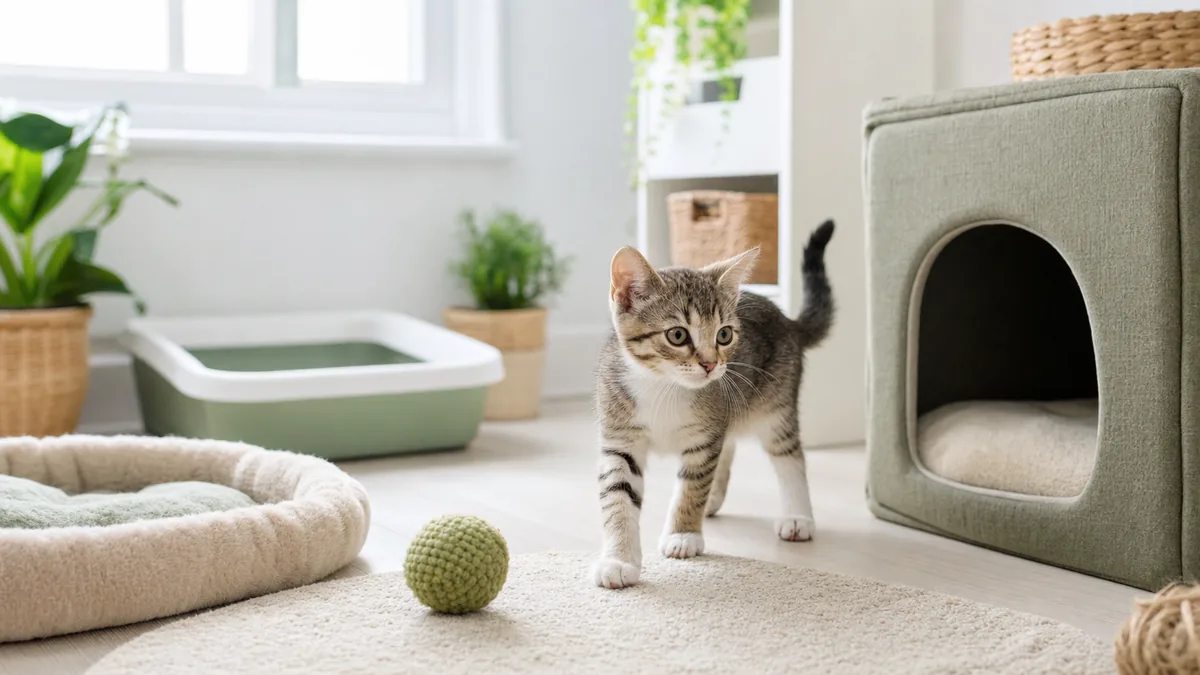
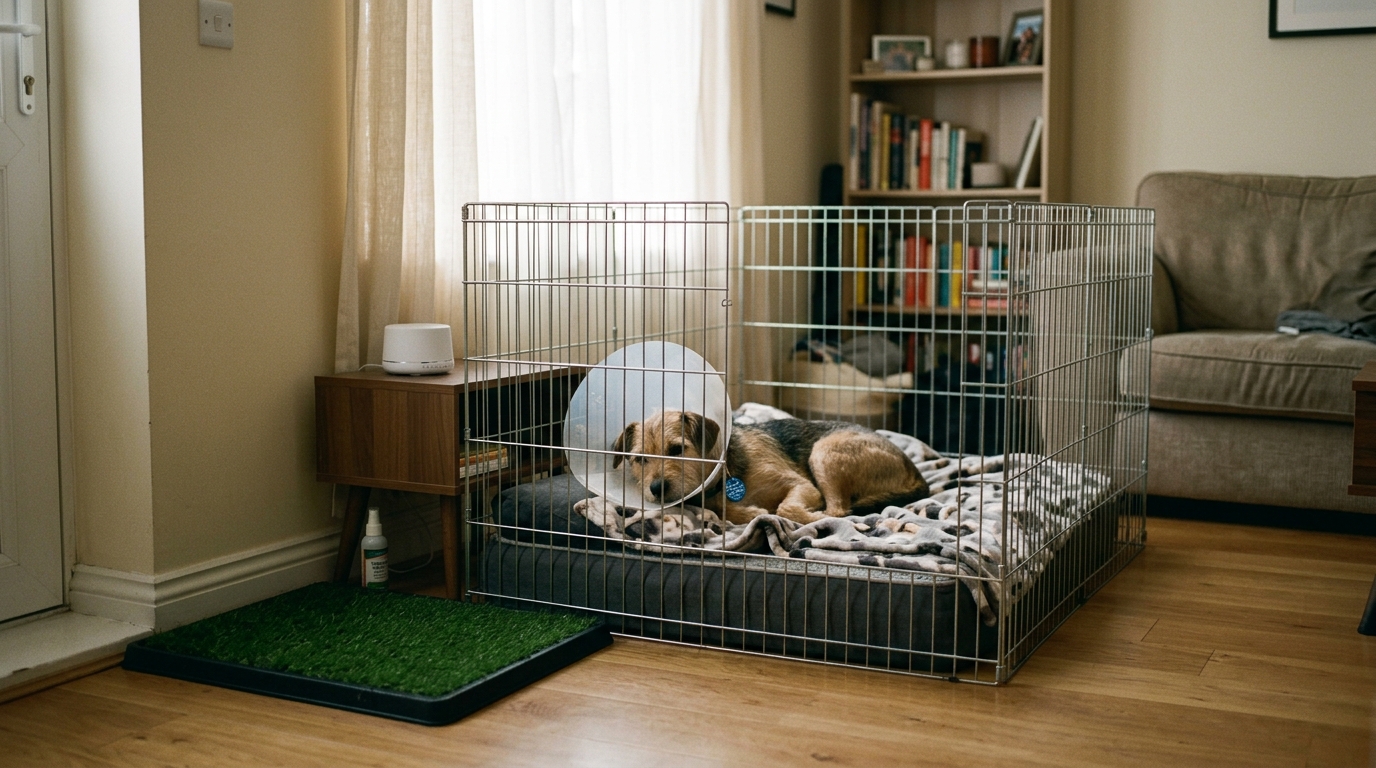
- Create Low-Stimulus Recovery Zones: Convert a quiet bathroom or gated alcove into a recovery suite, clearing obstacles and laying non-slip rugs to prevent sudden slips and falls.
- Buffer Building Noise Disruptions: Utilize white noise fans or calming background audio in the recovery space to mask hallway footsteps and elevator chimes that trigger sudden barking.
- Strictly Restrict Vertical Jumping: Barricade sofas and beds or position low floor mattresses; apartment pets leaping onto elevated furniture risk catastrophic surgical suture dehiscence.
This post-clinical recovery guide conforms to surgical recovery guidelines established by the American Animal Hospital Association (AAHA). If your recovering pet exhibits gray, white, or blue gums, hypothermia with persistent shaking, active bright red incision hemorrhage, inability to stand beyond expected discharge hours, or respiratory distress, contact your veterinary surgical facility immediately.
Urban Physical Obstacles: Managing Post-Anesthesia Transit
The journey from the veterinary hospital parking bay to your apartment door requires active physical stabilization:
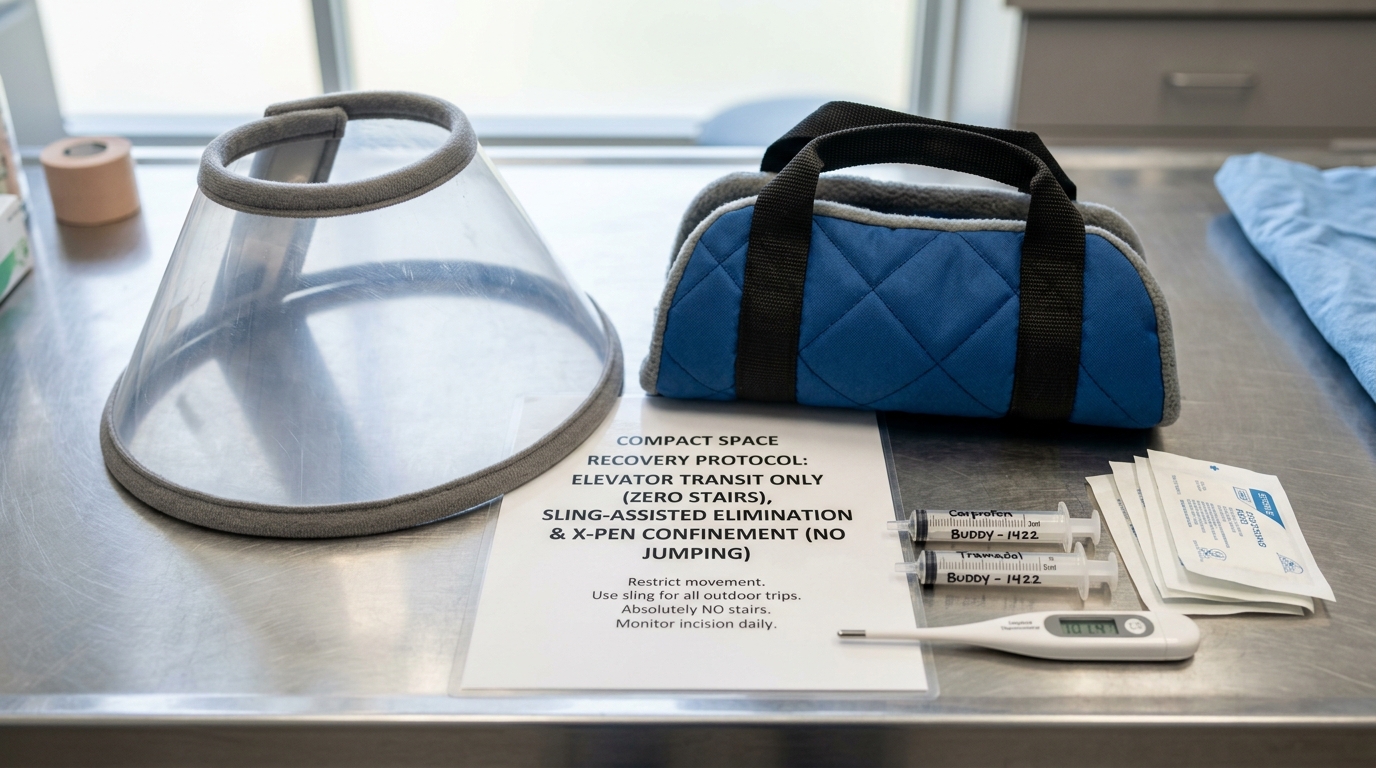
- Elevator Vertical Momentum & Spatial Shifting: The sudden upward or downward gravitational pull of elevator cabs disorients an animal with lingering vestibular impairment. Carry medium and small animals in secure, padded carriers; support large dogs with a belly sling or harness to prevent sudden leg buckling.
- Staircase Ingress Hazards: Recovering patients must never be permitted to navigate apartment staircases independently. Weakened quadriceps and delayed paw placement reflexes make stair descents a primary cause of acute surgical wound dehiscence and orthopedic reinjury.
- Lobby Echoes and Startle Reflexes: Anesthetic agents such as ketamine, dexmedetomidine, and inhalant isoflurane create temporary acoustic hyperacusis. Sudden reverberant lobby sounds can cause explosive startle reactions, causing disoriented animals to lunge or bolt into glass doors.
Environmental Recovery Confinement in Compact Spaces
Establish a dedicated “recovery sanctuary” inside your apartment during the initial 24 to 48 hours post-discharge:
| Sanctuary Component | Clinical Standard Operating Procedure | Recovery Protection Benefit |
|---|---|---|
| Flooring Traction | Cover smooth laminate, hardwood, or tile floors with non-slip rubber-backed rugs or yoga mats. | Eliminates slipping hazards; supports stable weight-bearing during early ambulatory recovery. |
| Vertical Jump Elimination | Block access to sofas, beds, and window perches using baby gates or physical barriers; keep bedding low to the floor. | Prevents high-impact vertical landings that rupture subcutaneous sutures and tear abdominal incisions. |
| Acoustic & Light Control | Dim living area lights and maintain white noise (soft fan or classical music) to mask urban exterior traffic. | Diminishes acoustic startle reflexes and promotes restorative central nervous system recovery. |
| Balcony Lockout Protocol | Keep all balcony sliding doors locked and window security latches engaged. | Prevents disoriented or medicated pets from experiencing fatal vertical falls or squeeze-through injuries. |
Wound and Incision Monitoring Workflow
Inspect your pet’s surgical incision twice daily under bright, focused lighting. A normal healing incision exhibits clean, apposed skin edges with minimal localized redness and zero discharge. Prevent licking by maintaining an Elizabethan collar (E-collar) or medical recovery suit at all times. Companion animals can lick through a surgical incision in under two minutes, introducing virulent oral bacteria (including Staphylococcus and Pasteurella species) that cause fatal septic peritonitis or deep tissue breakdown.
Red-Flag Triage Matrix: Post-Surgical Recovery Escalation
Monitor your patient against these objective clinical triage thresholds:
| Triage Tier | Clinical Presentation | Required Action Protocol |
|---|---|---|
| Immediate Emergency (0–2 Hours) | Profound hypothermia (<99.0°F), pale or white oral mucosa, active continuous bleeding from incision, complete lack of responsiveness, or respiratory rate exceeding 40 breaths/minute at rest. | Transport immediately to the nearest emergency veterinary facility. Keep the patient warm with fleece blankets, maintain neck extension, and call en route so clinicians can prepare emergency shock resuscitation. |
| Urgent Assessment (12–24 Hours) | Persistent vomiting of food or water, severe grogginess persisting past 24 hours, pronounced swelling or foul-smelling purulent discharge from the wound, or extreme vocalizing indicating uncontrolled pain. | Contact your discharging veterinary surgeon. Maintain quiet room confinement and do not offer further solid food until receiving specific medical guidance. |
| Routine Home Monitoring | Mild sleepiness during the initial 12 hours post-discharge, slight initial hesitancy walking on rugs, or mild pinkish serosanguinous skin tinting without swelling. | Maintain quiet confinement. Offer small portions of water and bland food once fully alert; keep E-collar securely fastened until suture removal. |
Never administer leftover human painkillers, aspirin, acetaminophen, or unprescribed sedatives to soothe a restless post-operative pet. Human pharmaceuticals cause catastrophic acute renal failure, hepatic necrosis, and fatal gastrointestinal bleeding in companion animals.
Caregiver Decision Tree: Apartment Convalescence Dilemmas
An apartment resident manage bathroom breaks for a recovering dog without stairs or a private yard
Traversing communal apartment stairwells or taking long elevator rides post-surgery risks acute incision dehiscence and balance loss. If your building has an elevator, wait for an empty cab and keep the dog on a taut 3-foot leash to prevent sudden lunging at neighboring tenants. Support the dog’s hindquarters with a wide canvas sling or folded towel placed beneath the belly when walking over slippery lobby tile. Keep outdoor bathroom trips under five minutes, restricting movement solely to the closest patch of quiet grass on leash, and immediately return to the indoor recovery room.
Indoor noise pollution in an apartment be minimized to support post-anesthetic recovery
Apartment pets are exposed to shared hallway foot traffic, intercom buzzers, and exterior street noise that can startle a disoriented, post-anesthetic animal. Move the recovery crate or bed into an interior room (such as an interior bedroom or bathroom away from the front entrance door). Deploy a continuous low-frequency white noise machine or soft classical music to mask hallway door slams, close window blinds to eliminate visual stimuli from passing vehicles, and ensure ambient room temperature remains steady between 68°F and 72°F.
Frequently Asked Questions
What behavior is normal during the first 24 hours following veterinary surgery or sedation?
Mild drowsiness, slight unsteadiness when walking, and decreased appetite are common as anesthetic agents clear the body. Persistent hypothermia, pale gums, inability to stand after 24 hours, or uncontrolled vomiting indicate urgent complications.
What does a healthy healing incision look like compared to an infected wound?
A normal incision has clean, well-approximated edges with slight redness and minimal swelling. Redness spreading outward, gaping skin margins, heat, foul odor, or bloody and purulent discharge signals wound breakdown or bacterial infection.
Why is an Elizabethan collar necessary even when the pet appears relaxed?
Pets can open surgical incisions or introduce mouth bacteria in seconds of unsupervised licking. An e-collar or medical recovery garment must stay on continuously until the veterinary surgeon confirms complete closure and removes sutures.
Caregiver Post-Surgical Home Recovery Checklist
- Keep the Elizabethan collar or surgical suit on at all times until sutures are officially removed.
- Inspect the incision site morning and night under good lighting for swelling, gaping, or abnormal discharge.
- Confine your pet to a single carpeted room; strictly prohibit jumping on furniture, running, and navigating stairs.
- Administer all prescribed post-surgical antibiotics and pain medications exactly according to the clinic schedule.
- Contact your veterinary clinic immediately if you notice bleeding, opened stitches, or persistent whimpering.
Sources
- AAHA Surgical Safety and Postoperative Care Guidelines. American Animal Hospital Association.
- ISFM Consensus Guidelines on Acute Pain Management in Cats. International Society of Feline Medicine.
- Merck Veterinary Manual: Wound Management and Surgical Nursing. Merck Sharp & Dohme Corp.
Source transparency
Reference mix for this guide
Source labels classify the institutional category of the references cited above.