This guide is general education for pet owners. If your pet has urgent symptoms, possible poisoning, injury, breathing trouble, collapse, severe pain, or sudden decline, contact a licensed veterinarian or local emergency service.
Editorial standard
How this guide was prepared
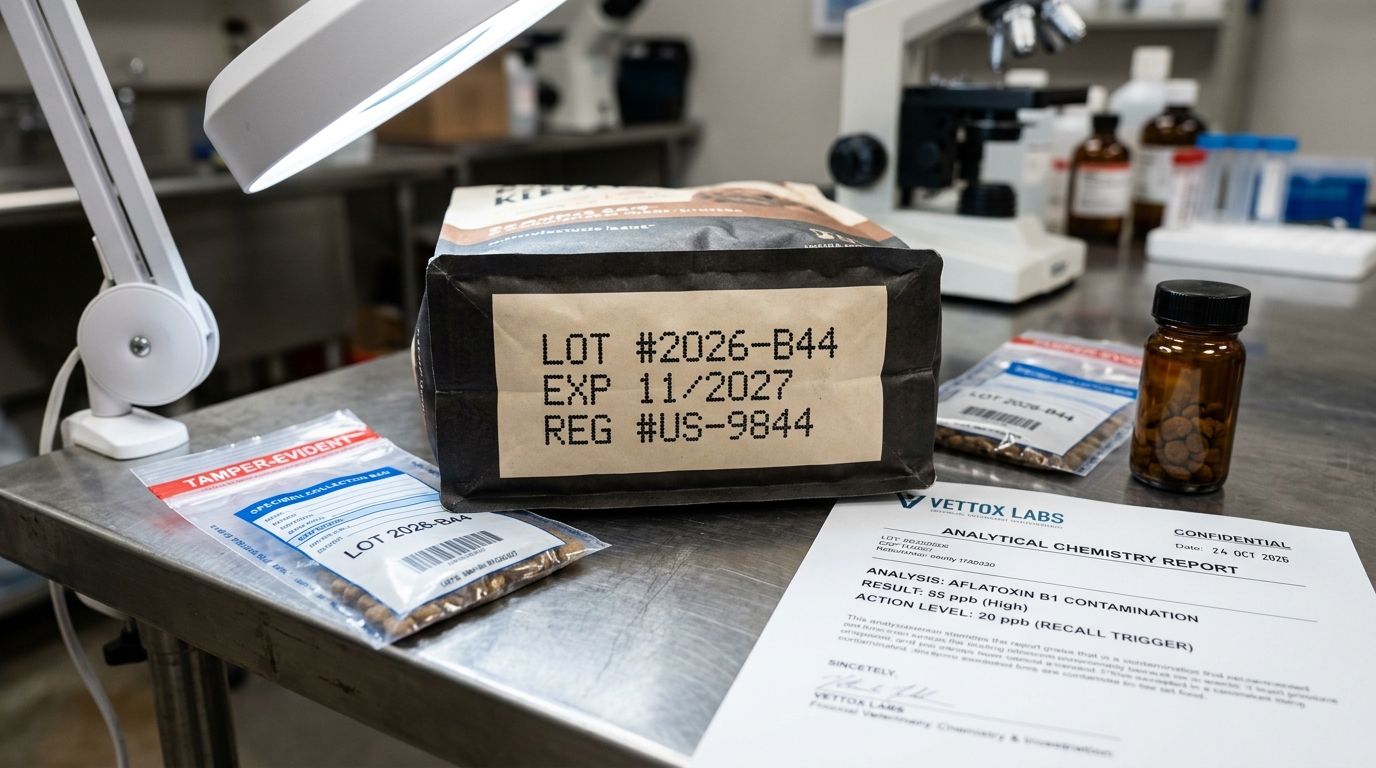
A viral social media headline or vague brand announcement is never sufficient basis to determine whether the pet food in your pantry is actively contaminated. Effective pet food recall response requires systematic forensic verification: matching the exact brand formula, package net weight, universal product code (UPC), dot-matrix lot code, and manufacturing “Best By” date printed on the packaging against official regulatory databases.
Clinical Quick Answer & Immediate Actions
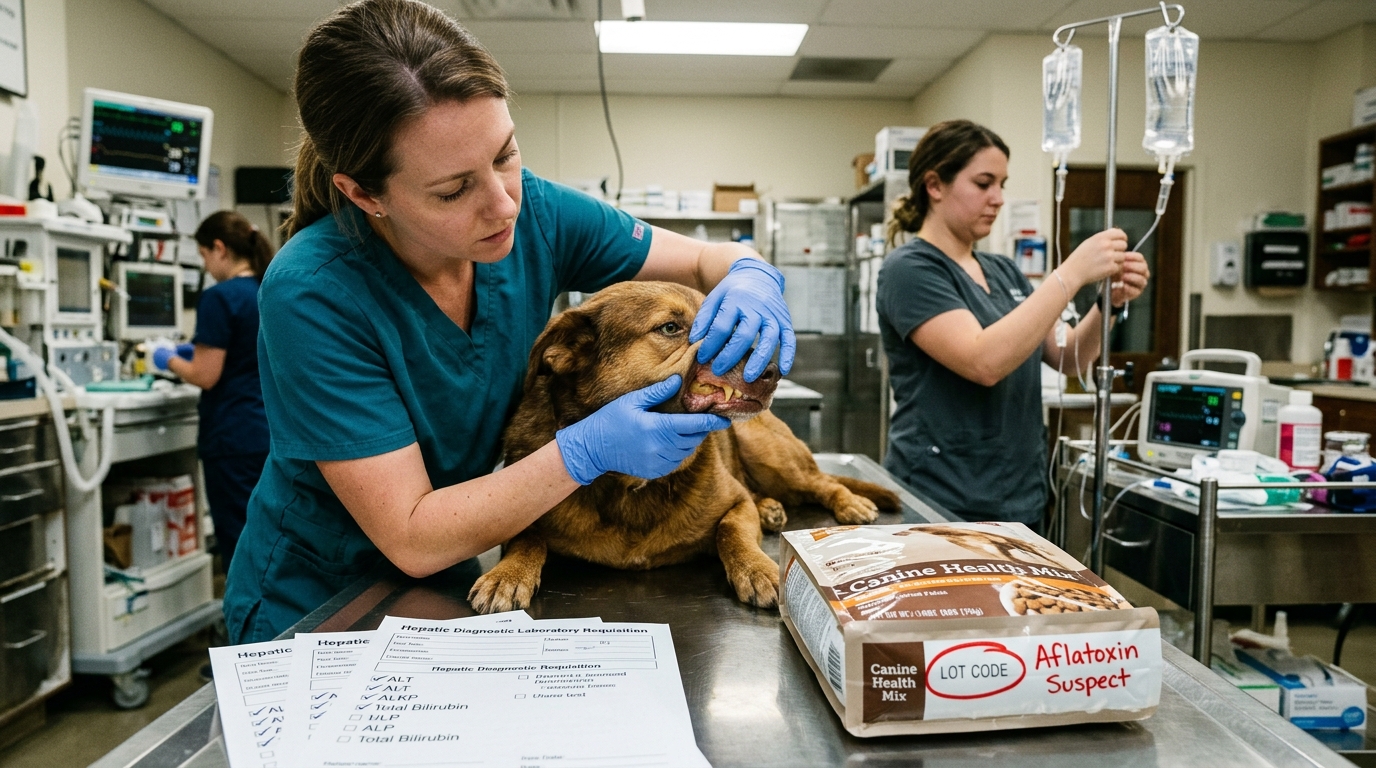
When a pet food recall is announced, immediately match the exact brand, product name, universal product code (UPC), lot code, and expiration date printed on your package against the official FDA or manufacturer recall notice. If codes match, stop feeding the food immediately, seal the package in an airtight secondary container to preserve diagnostic evidence, and monitor your pet closely for clinical symptoms of aflatoxicosis, salmonellosis, or hypercalcemia.
Until forensic verification is complete, caregivers must immediately quarantine the product away from all pets while carefully preserving all packaging, lot stamps, and purchase receipts for potential laboratory investigation. Contact a veterinarian immediately if a pet displays persistent vomiting, bloody diarrhea, extreme lethargy, fever, or neurological tremors after consuming food from a recalled lot code. Seek prompt veterinary advice for any suspected dietary contamination or to arrange diagnostic baseline blood chemistry and urinalysis panels.
Anatomy of a Pet Food Recall: Classification and Regulatory Tiers
The FDA Center for Veterinary Medicine (CVM) categorizes pet food recalls into three distinct legal classifications based on the severity of the biological, chemical, or physical hazard involved:
| FDA Recall Class | Legal Definition & Severity | Real-World Pet Food Examples | Required Public Action |
|---|---|---|---|
| Class I Recall | Dangerous or defective products that predictably cause serious adverse health consequences or death. | Lethal Aflatoxin fungal mycotoxins in grain; toxic excessive Vitamin D3 (cholecalciferol); lethal pentobarbital adulteration; Botulinum neurotoxin. | Immediate nationwide public press release; mandatory retail removal; emergency veterinary intervention for exposed animals. |
| Class II Recall | Products that may cause temporary or medically reversible adverse health consequences, with low probability of serious harm. | Pathogenic Salmonella or Listeria monocytogenes contamination in dry kibble; subclinical elevated moisture causing localized mold. | Public safety notices; retail return and destruction; clinical monitoring of exposed pets and human handlers. |
| Class III Recall | Products that violate manufacturing or labeling standards but are unlikely to cause adverse health consequences. | Incorrect net weight statement; minor labeling omission of a non-allergenic preservative; packaging seal defects without spoilage. | Voluntary market withdrawal; retailer inventory credit; minimal direct medical risk to companion pets. |
How to Locate and Decode Manufacturing Lot Codes
Manufacturers produce pet food in discrete production runs called “lots” or “batches.” When a contamination event occurs—such as a broken ingredient auger, an uncalibrated vitamin premix, or a contaminated shipment of meat meal—only specific lots produced during that defined operational window are affected.
Where to Find the Code by Packaging Type
- Multi-Wall Paper or Foil Bags (Dry Kibble): Stamped along the top heat seal, within the white gusset fold on the side panel, or ink-jetted along the bottom seam. Look for black or blue dot-matrix lettering that stands out against the graphic art.
- Aluminum or Steel Cans (Wet Food): Embossed or ink-printed directly onto the bottom exterior metal surface of the can, or stamped along the rim of the pull-tab lid.
- Retort Pouches & Plastic Tubs: Stamped into the ribbed plastic crimp seal at the top or bottom edge.
Decoding the Lot Code Anatomy
A typical lot code contains critical encoded data: LOT 240801B EXP 08/2027 14:22 03
240801represents the Julian production date (August 1, 2024).Bdesignates the specific production shift or packaging line.EXP 08/2027indicates the shelf-life stability expiration (“Best By” date).14:22records the exact military timestamp of packaging.03identifies the specific manufacturing facility establishment number.
The Decanting Trap: Why Plastic Food Bins Complicate Recalls
Many pet guardians dump dry kibble directly into large plastic storage bins, immediately discarding the original bag. While airtight bins protect food from pests, discarding the original bag destroys the only legal proof of product identity and lot tracking. If a recall is announced weeks later, you cannot verify whether your bin contains the lethal lot, nor can an emergency clinic submit verified evidence to regulatory agencies.
Best Practice: Keep the kibble inside its original bag, roll the top tightly, and place the entire bag inside the plastic storage container. If you must decant, cut out the lot code, UPC barcode, and Best By date panel and tape it directly to the lid of the storage container.
Major Pet Food Contaminants: Clinical Pathophysiology
Pet food recalls stem from specific biological, chemical, or physical hazards. Understanding the underlying toxicology enables caregivers to monitor their pets for targeted clinical signs:
1. Aflatoxins (Aspergillus flavus Mycotoxins)
Aflatoxins are potent, carcinogenic mycotoxins produced by Aspergillus molds that grow on corn, grains, and oilseeds during drought or improper harvest storage. When ingested by canines, aflatoxins bind to hepatic cellular DNA and proteins, causing acute, catastrophic liver failure. Clinical signs include severe lethargy, vomiting, jaundice (yellow sclera and gums), abdominal effusion, hematochezia (bloody stool), and fatal coagulopathies. Aflatoxins are heat-stable and survive the high-temperature extrusion cooking process.
2. Pathogenic Bacteria: Salmonella and Listeria monocytogenes
Bacterial contamination is the leading cause of recalls in raw meat diets and freeze-dried pet foods, but also occurs in dry kibble via contaminated post-extrusion fat coatings. While adult carnivores possess short, acidic digestive tracts that can resist moderate bacterial loads, Salmonella enterica can cause severe gastroenteritis, fever, bloody diarrhea, and bacteremia in puppies, kittens, and immunocompromised pets. Crucially, pets shed live Salmonella in their saliva and feces, posing a severe zoonotic health risk to human family members (particularly young children and elderly adults).
3. Hypervitaminosis D (Cholecalciferol Toxicosis)
Vitamin D3 is an essential nutrient added to pet foods via premix concentrates. Formulation errors at premix facilities can introduce toxic levels of cholecalciferol (up to 70 times the maximum safe limit). Excess vitamin D causes hypercalcemia and hyperphosphatemia, precipitating widespread dystrophic calcification of soft tissues. The kidneys are the primary target: acute metastatic renal calcification induces rapid, irreversible renal failure within days of consuming the contaminated diet.
4. Pentobarbital Adulteration
Pentobarbital is a barbiturate drug used exclusively by licensed veterinarians to perform euthanasia on companion animals and horses. Under federal law, pentobarbital is completely illegal in any concentration in pet food. Its detection in commercial canned dog food indicates that rendered animals containing chemical euthanasia residues were illegally diverted into the pet food supply chain. Pentobarbital causes profound central nervous system depression, ataxia, recumbency, respiratory failure, and death.
Master Contaminant Reference Matrix: Symptoms and Diagnostics
Use this clinical matrix to cross-reference common recall hazards with specific diagnostic testing requirements:
| Contaminant / Hazard | Primary Food Sources | Clinical Signs & Timeline | Key Veterinary Diagnostics |
|---|---|---|---|
| Aflatoxin Mycotoxins | Corn-heavy dry kibble, grains, bulk dog meals. | Vomiting, profound lethargy, yellow gums (icterus), bleeding, ascites within 24–72 hr. | Serum liver biochemistry (ALT, ALP, Total Bilirubin), coagulation profile (PT/PTT), abdominal ultrasound. |
| Excessive Vitamin D3 | Formulated dry kibbles & canned therapeutic foods. | Vomiting, loss of appetite, intense thirst (polydipsia), frequent urination, tremors. | Ionized calcium (iCa2+), phosphorus, serum creatinine, BUN, blood pressure evaluation. |
| Salmonella / Listeria | Commercial raw diets, freeze-dried treats, dry kibble. | Fever, watery or bloody diarrhea, abdominal cramping, dehydration, sepsis within 12–48 hr. | Fecal PCR infectious disease panel, aerobic fecal culture and susceptibility, CBC (leukopenia/leukocytosis). |
| Foreign Physical Bodies | Canned stews, wet pouches, kibbles (metal/plastic). | Acute choking, persistent retching, oral bleeding, painful abdomen, bowel obstruction. | Cervical and abdominal orthogonal radiographs, gastrointestinal contrast studies, endoscopy. |
| Thiamine (Vit B1) Deficiency | Canned cat food (over-processing or heat degradation). | Ventrally flexed neck (head tucked to chest), wide-based stumbling gait, dilated pupils, seizures. | Clinical neurological exam, response to emergency parenteral thiamine supplementation. |
The Five-Step Recall Action Protocol for Pet Guardians
If you confirm that your pet’s food matches an active recall alert, execute these five steps systematically:
- Isolate and Quarantine: Cease feeding the product immediately. Place the original container into an airtight contractor bag or clean plastic storage tote. Clearly mark it with permanent ink: “DO NOT FEED – RECALLED PRODUCT.” Store it in a secure garage or high closet out of reach of pets and children.
- Compile detailed Product Documentation: Take sharp, high-resolution photographs of:
- The front brand panel and flavor description.
- The stamped lot code and expiration date.
- The 12-digit UPC barcode.
- The physical receipt or digital merchant transaction.
- Transition to a Safe, Bland Dietary Bridge: Switching pet foods abruptly can cause acute dietary indiscretion diarrhea. While selecting an unaffected replacement diet, feed a simple veterinary bland diet: boiled boneless skinless chicken breast mixed with plain white rice (2:1 ratio for dogs) or plain chicken baby food without onion/garlic powder for cats.
- Conduct a Clinical Health Review: If your pet consumed any portion of the recalled food, document their feeding history (start date, daily amount, meals eaten). Contact your veterinary hospital to discuss whether baseline diagnostic panels (serum chemistry, electrolytes, urinalysis) are indicated based on the specific recall reason.
- Submit an Official Adverse Event Filing: Report the event to official regulatory authorities:
- United States: Submit a complaint through the FDA Safety Reporting Portal.
- United Kingdom: Report to the Food Standards Agency (FSA).
- Canada: File through the Canadian Food Inspection Agency (CFIA).
Official reports provide the statistical threshold required for federal inspectors to audit manufacturing facilities and seize dangerous inventories.
When to Contact a Vet for Recall Exposure
Contact a veterinarian immediately if a pet displays persistent vomiting, bloody diarrhea, extreme lethargy, fever, or neurological tremors after consuming food from a recalled lot code. Time is critical: mycotoxins and toxic vitamin D overdoses inflict progressive organ damage that becomes irreversible once clinical jaundice or anuric renal failure develops.
Seek prompt veterinary advice for any suspected dietary contamination or to arrange diagnostic baseline blood chemistry and urinalysis panels. When presenting at the veterinary clinic, bring the sealed product evidence, photos of the lot code, the official recall bulletin printout, and an exact timeline of exposure to guide targeted supportive therapy and antidotal interventions.
For more detailed nutritional guidance, review our complete framework on how to read and interpret pet food ingredient labels, and explore our clinical guide on recognizing veterinary red flags and emergency symptoms.
Clinical Practice Tool: Pet Food Label & Safety Reading Path
Track commercial batch numbers, lot codes, and expiration dates accurately with our printable Pet Food Label & Safety Guide. Download and print your copy of the Pet Food Label & Safety Reading Path, or explore all practical pet care guides in the NewsPet Resource Center.
Frequently Asked Questions
How can caregivers verify whether their pet food has been recalled?
Check the FDA Center for Veterinary Medicine recall database or manufacturer announcements, cross-referencing the exact brand name, lot code, bag size, and Best By date printed on the packaging.
What should a caregiver do if their pet consumed food from a recalled batch?
Stop feeding the food immediately, photograph and preserve the bag and remaining contents in an airtight container for diagnostic testing, and contact your veterinarian for examination and baseline blood chemistry.
What clinical signs commonly accompany pet food contamination recalls?
Contaminants like Salmonella or mycotoxins cause acute vomiting, watery diarrhea, and fever, while vitamin D toxicity causes extreme thirst, increased urination, and acute renal values.
Sources
Sources checked: September 8, 2026.
- U.S. Food and Drug Administration (FDA): Recalls, Market Withdrawals, and Safety Alerts Database
- FDA Center for Veterinary Medicine (CVM): How to Report a Pet Food Complaint
- American Veterinary Medical Association (AVMA): Pet Food Safety Alerts and Recall Index
- UK Food Standards Agency (FSA): Animal Feed and Pet Food Safety Alerts
- Merck Veterinary Manual: Industrial and Biological Food Hazards in Companion Animal Nutrition
Emergency Triage Matrix: Clinical Presentation & Required Response
| Triage Level | Clinical Signs & Presentation | Immediate Action Protocol |
|---|---|---|
| Tier 1: Immediate Emergency (0–2 Hours) | Jaundice, hemorrhagic vomiting or diarrhea, acute lethargy following confirmed aflatoxin lot exposure; tremors, polyuria/polydipsia, and weakness following excess vitamin D recall. | Immediate emergency hospital transport; baseline hepatic and renal panels, serum electrolyte analysis, aggressive intravenous diuresis, and gastric decontamination. |
| Tier 2: Urgent Veterinary Care (Same-Day) | Mild vomiting, diarrhea, or appetite refusal in an animal known to have consumed food from a confirmed recalled batch without systemic collapse. | Same-day veterinary evaluation; preserve food sample, submit diagnostic bloodwork and fecal analysis, and report the case to FDA safety portals. |
| Tier 3: Home Monitoring & Scheduled Care | Pet consumed suspected food but exhibits entirely normal behavior, appetite, stool consistency, and physical vital signs. | Quarantine the recalled food, transition to an alternate verified diet, and maintain close symptom monitoring for 14 days. |
Rule S1 Boundaries & Recall Response Precautions
Protecting pets during contamination events requires decisive containment actions:
- NEVER throw recalled food into accessible trash containers: Discarded toxic pet food in household bins or dumpsters can be ingested by wildlife, neighborhood animals, or your own pet; double-bag and label securely.
- NEVER feed ‘just a little’ to test if the bag is contaminated: Mycotoxins such as aflatoxin cause cumulative, irreversible hepatocellular necrosis; even microgram exposures can induce acute fatal liver failure.
- NEVER administer human anti-diarrheal medications without veterinary guidance: Over-the-counter anti-motility agents trap bacterial endotoxins and mycotoxins within the gut lumen, accelerating systemic toxic shock.
- NEVER discard the original packaging before recording lot details: The stamped lot code, plant code, and expiration date are vital forensic evidence required for veterinary diagnostics and official regulatory reporting.
Caregiver Recall Action Checklist
- Locate and photograph the UPC barcode, stamped lot number, production date, and expiration date on the bag or can.
- Cross-reference the stamped information directly against the official FDA Pet Food Recall database or manufacturer bulletin.
- Seal the remaining food in its original packaging inside a heavy-duty airtight container or freezer bag labeled ‘DO NOT FEED – RECALLED’.
- Thoroughly wash and sanitize food storage bins, scoops, feeding bowls, and surrounding kitchen counters with hot soapy water.
- Schedule a veterinary evaluation with baseline serum chemistry panels if your pet consumed any food from the affected lot.
Related Clinical Guides & Tools
Peer-Reviewed Clinical References & Evidence Grounding
- PMID: 33769611: International veterinary canine dyskinesia task force ECVN consensus statement: Terminology and classification (J Vet Intern Med, 2021) (opens in new tab)
- PMID: 38351524: Defining sepsis in small animals (J Vet Emerg Crit Care (San Antonio), 2024) (opens in new tab)
- PMID: 38474142: Canine Mammary Tumors: Classification, Biomarkers, Traditional and Personalized Therapies (Int J Mol Sci, 2024) (opens in new tab)
- Merck Veterinary Manual — Small Animal Clinical Medicine & Emergency Reference (opens in new tab)
Pet Toxic Food & Hazard Fast-Checker
Rapidly verify toxicity risks, toxic mechanisms, and immediate clinical steps for common household foods, plants, and human medications before calling poison control or your veterinarian.
Printable tools
Download the matching worksheet
Source transparency
Reference mix for this guide
Source labels describe the type of organization behind each reference; they are not a claim that any outside organization reviewed this article.
- U.S. Food and Drug Administration (FDA): Recalls, Market Withdrawals, and Safety Alerts Database Government or public agency · fda.gov
- FDA Center for Veterinary Medicine (CVM): How to Report a Pet Food Complaint Government or public agency · fda.gov
- American Veterinary Medical Association (AVMA): Pet Food Safety Alerts and Recall Index Veterinary organization · avma.org
- UK Food Standards Agency (FSA): Animal Feed and Pet Food Safety Alerts Reference source · alerts.food.gov.uk
- Merck Veterinary Manual: Industrial and Biological Food Hazards in Companion Animal Nutrition Veterinary organization · merckvetmanual.com
- Foods Dogs & Cats Cannot Eat: Toxic List & Reference source · newspet.net
- Raw Pet Food Risks: What to Know Before Feeding Ra Reference source · newspet.net
- How to Read a Pet Food Label Without Falling for M Reference source · newspet.net