Pet Health
Cat Coughing: Hairball vs Feline Asthma Guide
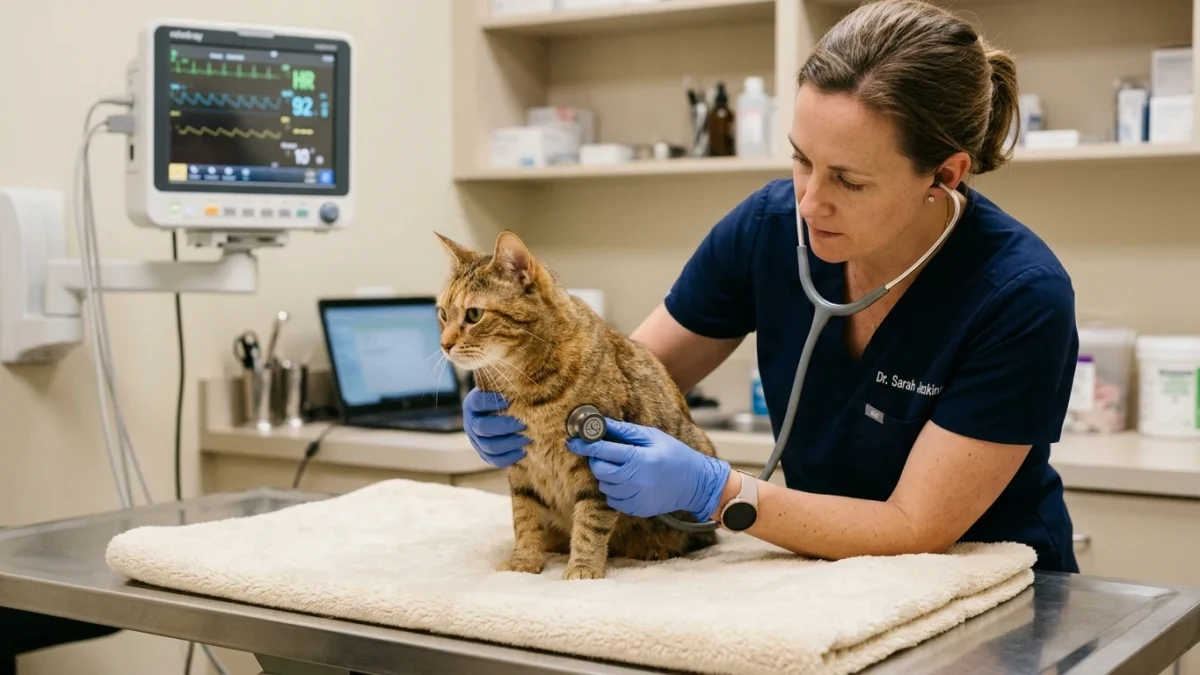
Crouching with an extended neck and dry hacking often indicates chronic feline asthma rather than hairballs. Learn vital respiratory triage markers.
Topic hub
NewsPet Pet Health coverage provides evidence-based veterinary decision support, symptom triage, emergency red flags, and disease prevention guides for dogs and cats. Every article adheres to Rule S1: strict clinical safety boundaries, zero unverified home medication dosages, and clear differentiation between home monitoring and urgent hospital referral. Content is reviewed by the NewsPet Veterinary Review Desk and cross-referenced with peer-reviewed literature from PubMed, WSAVA, AAHA, and ACVIM guidelines.
Latest in this hub
Pet Health
Crouching with an extended neck and dry hacking often indicates chronic feline asthma rather than hairballs. Learn vital respiratory triage markers.
Involuntary canine tremors paired with lethargy frequently stem from severe abdominal pain, spinal compression, or neurotoxin ingestion rather than cold.
Navigate the 2026 AAHA puppy vaccination timeline. Differentiate expected mild lethargy from life-threatening anaphylaxis and manage the maternal antibody window.
Unlike dogs, cats cannot tolerate prolonged fasting. Discover why 48 hours without food triggers lethal hepatic lipidosis and requires emergency care.
Differentiate mild dietary indiscretion from life-threatening hemorrhagic enteritis in dogs. Learn the 2:1 bland diet ratio and vital emergency red flags.
Lilies cause acute kidney failure in cats within 36 hours, while xylitol triggers hypoglycemia in dogs within 30 minutes. Rapid triage is vital.
Straining in the litter box without urine output is a lethal feline emergency: complete urethral blockage triggers fatal cardiac arrest in 24–48 hours.
Single vomit episodes allow home monitoring, but non-productive retching, swollen abdomen, or lethargy demands immediate emergency veterinary care.
Foster intake respiratory screening: identify feline herpesvirus upper respiratory infections, kennel cough, and pneumonia in rescue environments.
Foster pet urinary evaluation: monitor shelter stress cystitis, detect litter avoidance, and identify pediatric urinary tract infections early.