This guide is general education for pet owners. If your pet has urgent symptoms, possible poisoning, injury, breathing trouble, collapse, severe pain, or sudden decline, contact a licensed veterinarian or local emergency service.
Dosages must be calculated by a licensed veterinarian based on species, weight, and bloodwork. Never administer human medications or self-adjust prescription doses for pets.
Editorial standard
How this guide was prepared
Toxicological emergencies require precise timeline tracking, dose quantification, and immediate identification of the ingested compound. Clinical signs vary drastically based on the specific toxicokinetic profile of the substance, ranging from delayed hepatotoxicity to acute neurological collapse.
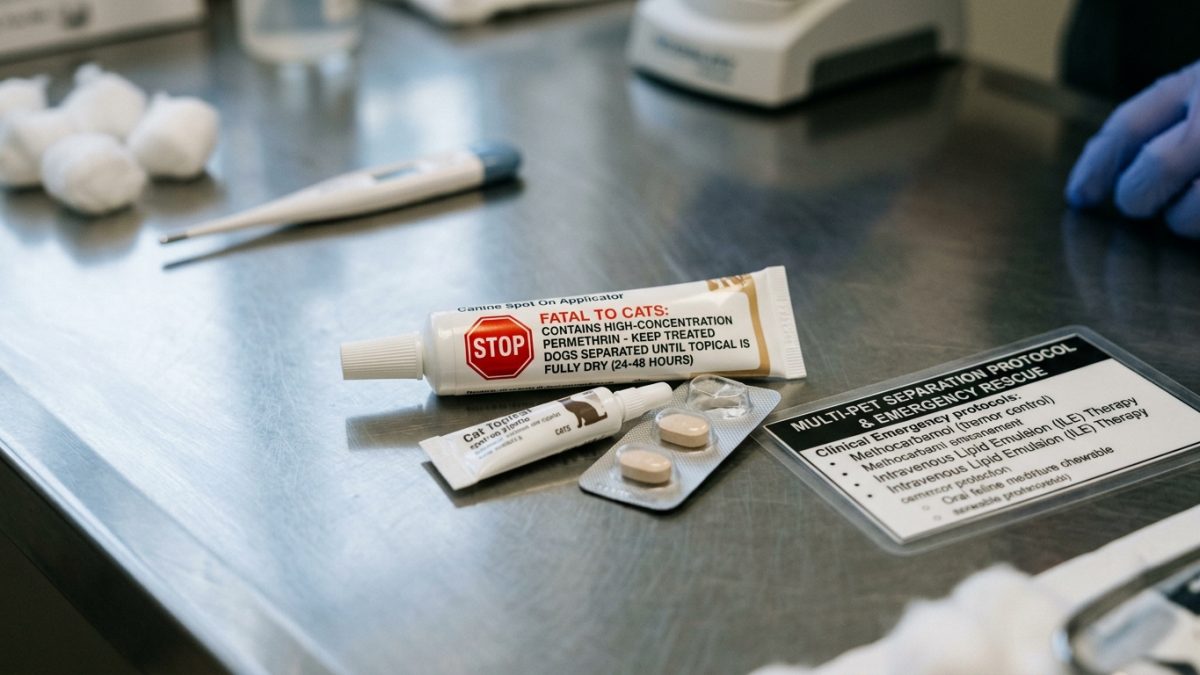
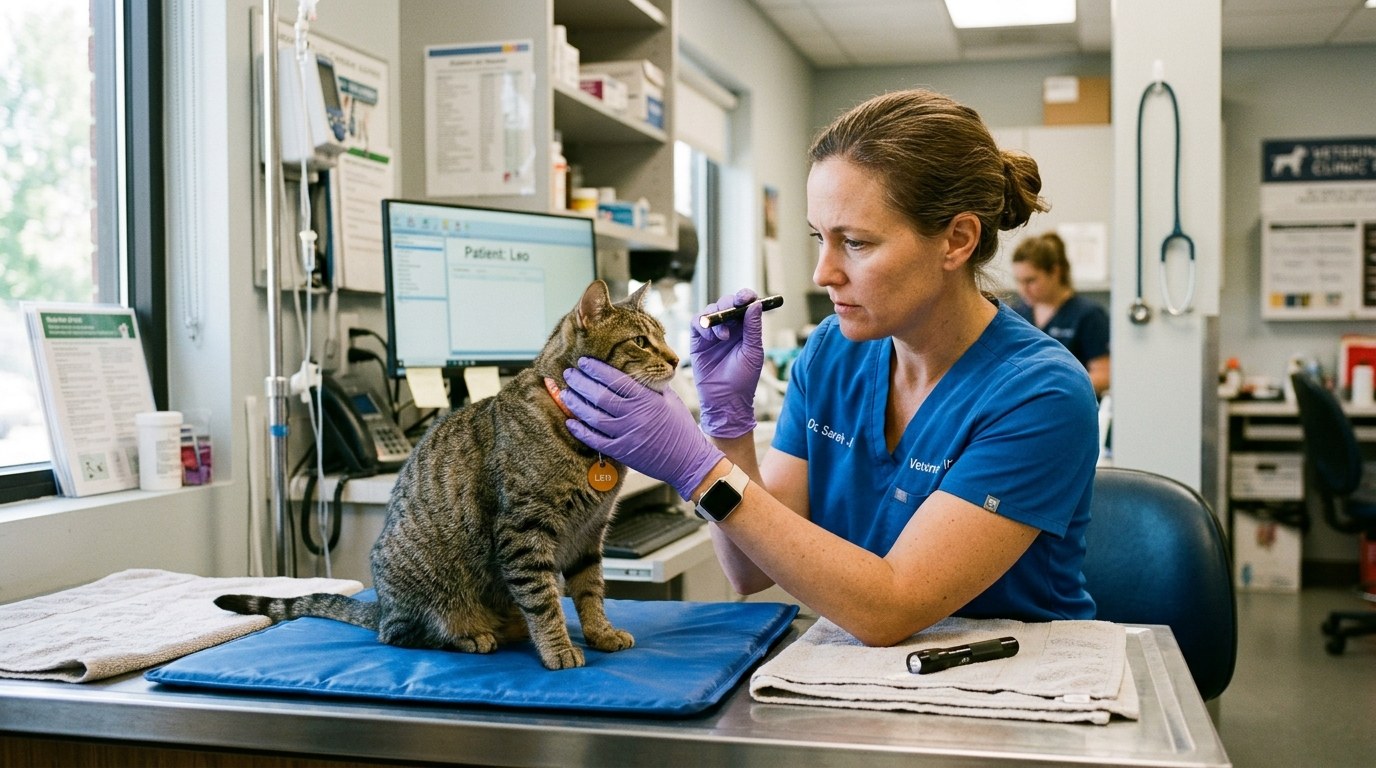
Zero Permethrin Tolerance in Felines: Synthetic pyrethroids (particularly concentrated permethrin, found in 45% to 65% concentrations in canine over-the-counter flea and tick spot-on treatments) are acutely neurotoxic to domestic felines. Felines lack the hepatic glucuronidation enzymes required to metabolize permethrin. Accidental topical application, or even grooming a treated household dog, causes violent whole-body tremors, hyperthermia, seizures, and fatal respiratory failure. Transport the cat immediately to an emergency veterinary clinic; delay is fatal.
Clinical Quick Answer & Immediate Actions
Toxicological exposure requires immediate determination of the ingested substance, estimated dosage, and time of ingestion. Decontamination protocols (emesis, activated charcoal) are highly time-dependent. Never induce vomiting at home for caustic substances or in neurologically impaired patients.
Do not attempt home remedies without explicit veterinary guidance. Inducing emesis for caustic, corrosive, or volatile hydrocarbon substances can cause fatal aspiration pneumonia or severe esophageal necrosis. Contacting a dedicated animal poison control center with the exact product packaging accelerates targeted triage.
Pathophysiology of Toxin Absorption
Absorption rates dictate the therapeutic window for gastrointestinal decontamination. Highly lipophilic compounds cross the blood-brain barrier rapidly, while enteric-coated human pharmaceuticals may delay systemic absorption by several hours.
Veterinary decontamination protocols typically involve activated charcoal administration to bind enteric toxins, followed by aggressive intravenous fluid diuresis to accelerate renal clearance and support organ perfusion.
| Toxin Category | Primary Organ System Affected | Critical Time Window |
|---|---|---|
| Neurotoxins (e.g., Permethrin) | Central Nervous System | Immediate (< 1 hour) |
| Nephrotoxins (e.g., Lilies, Grapes) | Renal System | 0 – 12 hours |
| Hepatotoxins (e.g., Xylitol, Sago Palm) | Hepatic System | 0 – 4 hours |
Monitoring requires serial laboratory evaluation to detect delayed-onset organ damage. Baseline biochemistry profiles must be compared against 24-hour, 48-hour, and 72-hour rechecks, even if the patient appears clinically normal during the latent phase.
Provide the attending emergency veterinarian with the exact time of ingestion, the estimated quantity consumed, and the patient’s exact body weight to calculate milligram-per-kilogram toxicity thresholds accurately.
When to Seek Emergency Intervention
Immediate transport to a 24-hour emergency facility is mandatory if the animal exhibits muscle tremors, ataxia, active seizures, severe hematemesis, or respiratory distress. Time is the most critical prognostic indicator in toxicological survival rates.
Bring all original product packaging, chewed containers, or plant material to the clinic. Secure the remaining toxic substance to prevent exposure to other household pets during transport.
ASPCA Animal Poison Control
If you suspect poisoning, immediately call the ASPCA Animal Poison Control Center (APCC) at (888) 426-4435 or your local emergency veterinary clinic. Keep the incident case number for your veterinarian.
Pathophysiology of Voltage-Gated Sodium Channel Hyper-Excitability
Permethrin is a synthetic Type I pyrethroid insecticide designed to exploit the nervous systems of arthropods. In mammals, hepatic cytochrome P450 and glucuronosyltransferase enzymes rapidly clear the compound. However, felines possess an absolute deficiency in functional UDP-glucuronosyltransferase 1A6 (UGT1A6), rendering them incapable of detoxifying concentrated pyrethroids:
- Prolonged Sodium Channel Inactivation: Permethrin binds directly to the alpha-subunit of neuronal voltage-gated sodium channels in both the peripheral and central nervous systems. It slows the rate of channel closure, resulting in a prolonged influx of sodium during action potential repolarization. This generates sustained repetitive electrical discharges, producing generalized muscular twitching, fasciculations, and severe tremors.
- Complications of Sustained Severe Tremors: Uncontrolled whole-body tremoring rapidly elevates core body temperature above 40.5°C (105°F), inducing life-threatening non-infectious hyperthermia, rhabdomyolysis, myoglobinuric acute renal failure, and disseminated intravascular coagulation (DIC). Prolonged muscle exertion also depletes glycogen reserves, causing profound hypoglycemia and metabolic acidosis.
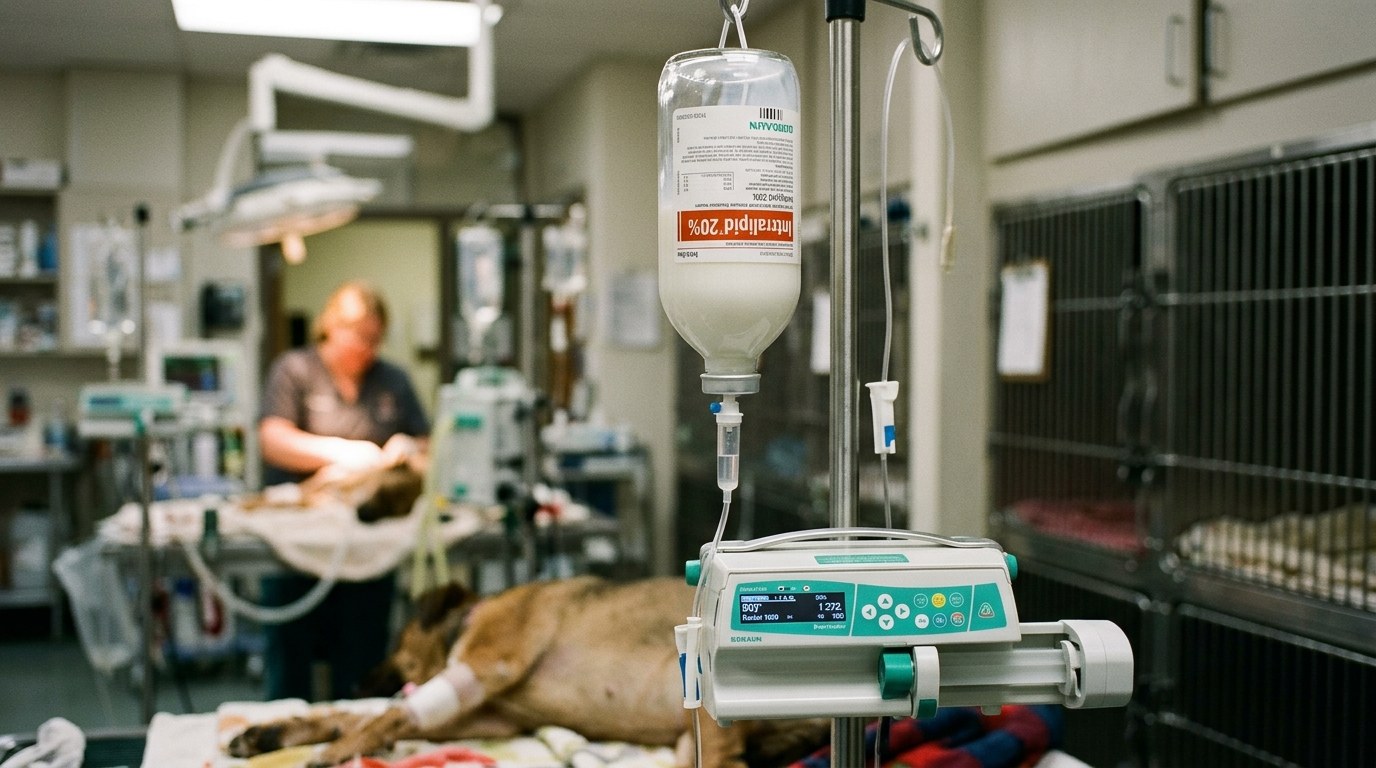
- Intravenous Lipid Emulsion (ILE) as a Lipophilic Toxin Sink: Permethrin is an extraordinarily lipophilic molecule (log P ≈ 6.5). In clinical veterinary toxicology, intravenous lipid emulsion (20% ILE) is Administered intravenously under strict veterinary intensive care protocol as a life-saving rescue therapy. Infusing lipid particles into the bloodstream creates a circulating intravascular ‘lipid sink’ that pulls lipophilic permethrin molecules out of central nervous system and cardiac tissues, accelerating systemic clearance.
Emergency Clinical Management & Decontamination Protocol
Emergency medical stabilization must always precede physical dermal decontamination:
- Step 1: Pharmacological Tremor Control (Methocarbamol): The veterinary team immediately secures intravenous access to administer veterinary-prescribed methocarbamol titrated to clinical effect. Methocarbamol acts as a central skeletal muscle relaxant without causing severe cardiopulmonary depression. Diazepam or midazolam are secondary adjuncts; barbiturates (pentobarbital) or propofol constant rate infusions are reserved for refractory cases.
- Step 2: Dermal Decontamination with Liquid Degreasing Detergent: Once tremors are chemically controlled, the cat’s coat is washed with lukewarm water and mild liquid dishwashing detergent (such as Dawn) to strip the greasy spot-on vehicle. Never use hot water, as vasodilation accelerates transdermal toxin absorption; never use cold water, as wet, tremoring cats rapidly swing from hyperthermia into refractory hypothermia.
- Step 3: Continuous Intensive Care Monitoring: Hospitalization with continuous ECG, core temperature monitoring, intravenous crystalloid diuresis, and blood glucose tracking is maintained for 24 to 72 hours until neuro-muscular stability is restored.
Frequently Asked Questions
Should I give milk or oil to neutralize a poison?
No. Milk, oils, and other home remedies can actually accelerate the systemic absorption of lipophilic toxins or trigger acute pancreatitis. Never administer anything by mouth unless specifically directed by a veterinarian.
Can I use hydrogen peroxide to make my cat vomit?
Never administer hydrogen peroxide to a cat. It causes severe, irreversible hemorrhagic gastroenteritis in felines. Veterinary clinics use specific alpha-2 adrenergic agonists to safely induce emesis in cats.
How long does it take for poisoning symptoms to show?
Clinical presentation varies from 15 minutes (xylitol, neurotoxins) to 72 hours (cholecalciferol rodenticides, renal toxins). A lack of immediate symptoms does not equate to clinical safety.
Emergency Triage Matrix: Clinical Presentation & Required Response
| Triage Level | Clinical Signs & Presentation | Immediate Action Protocol |
|---|---|---|
| Tier 1: Immediate Emergency (0-2 Hours) | Active seizures, uncontrolled tremors, severe ataxia, respiratory distress, or ingestion of known fatal toxins (xylitol, lilies, antifreeze) within the last 2 hours. | Immediate transport to an emergency veterinary facility for gastric decontamination, anti-convulsants, and IV fluid diuresis. |
| Tier 2: Urgent Veterinary Care (Same-Day) | Lethargy, repeated vomiting, or known ingestion of a mild to moderate toxin without life-threatening systemic signs. | Call animal poison control immediately for a case number, then proceed to the clinic for baseline blood work and supportive care. |
| Tier 3: Home Monitoring & Scheduled Care | Exposure to a known non-toxic substance (cleared by poison control) with normal vital signs. | Monitor closely for 24-48 hours. Ensure free access to fresh water and observe for any delayed gastrointestinal upset. |
Critical Toxin Alert
Toxicological emergencies demand immediate intervention. Delaying treatment alters the prognosis significantly:
- Do Not Induce Emesis Blindly: Consult veterinary professionals before attempting home emesis, especially for unknown or caustic substances.
- Preserve Evidence: Always bring packaging, wrappers, or plant clippings to the emergency clinic.
Emergency Transit Checklist
- Secure the pet safely for transport without causing additional stress.
- Bring all original packaging or vomit samples in a sealed container.
- Call the clinic en route so they can prepare triage equipment.
Related Clinical Guides & Tools
Peer-Reviewed Clinical References & Evidence Grounding
- PMID-19897392: Feline permethrin toxicity: retrospective study of 42 cases (opens in new tab) (Journal of feline medicine and surgery (2010) — Peer-reviewed veterinary study indexed on NCBI PubMed (PMID: 19897392).)
- PMID-30149970: Toxicology of Newer Insecticides in Small Animals (opens in new tab) (The Veterinary clinics of North America. Small animal practice (2018) — Peer-reviewed veterinary study indexed on NCBI PubMed (PMID: 30149970).)
- PMID-18498556: Permethrin toxicity in cats: a retrospective study of 20 cases (opens in new tab) (Australian veterinary journal (2008) — Peer-reviewed veterinary study indexed on NCBI PubMed (PMID: 18498556).)
Pet Toxic Food & Hazard Fast-Checker
Rapidly verify toxicity risks, toxic mechanisms, and immediate clinical steps for common household foods, plants, and human medications before calling poison control or your veterinarian.
Printable tools
Download the matching worksheet
Source transparency
Reference mix for this guide
Source labels describe the type of organization behind each reference; they are not a claim that any outside organization reviewed this article.
- Emergency Triage Protocol Reference source · newspet.net
- Pharmacology Safety Standards Reference source · newspet.net
- Cat Permethrin Toxicity: Dog Flea Treatment Emergency Triage Reference source · newspet.net
- Feline permethrin toxicity: retrospective study of 42 cases Government or public agency · pubmed.ncbi.nlm.nih.gov
- Toxicology of Newer Insecticides in Small Animals Government or public agency · pubmed.ncbi.nlm.nih.gov
- Permethrin toxicity in cats: a retrospective study of 20 cases Government or public agency · pubmed.ncbi.nlm.nih.gov

