This guide is general education for pet owners. If your pet has urgent symptoms, possible poisoning, injury, breathing trouble, collapse, severe pain, or sudden decline, contact a licensed veterinarian or local emergency service.
Dosages must be calculated by a licensed veterinarian based on species, weight, and bloodwork. Never administer human medications or self-adjust prescription doses for pets.
Quick Answer
While mild shivering from cold or excitement ceases once warmed or comforted, persistent tremors paired with lethargy represent a clinical red flag for acute pain, neurotoxin ingestion, or hypoglycemia. If tremors accompany an arched back, rock-hard abdomen, disorientation, or fever exceeding 103.5°F, transport your dog immediately to an emergency veterinary facility.
Watching a dog experience involuntary shivering or trembling is deeply concerning for any pet owner. While shivering is a normal physiological thermoregulatory response when an animal is chilly or overexcited, persistent shaking accompanied by dull responsiveness or lethargy is fundamentally different. In small animal clinical practice, unexplained tremors frequently represent the outward manifestation of intense visceral pain, spinal cord compression, metabolic derangements, or acute neurotoxin ingestion. Systematically evaluating your dog’s posture, body temperature, and responsiveness determines whether home thermal care is appropriate or if immediate hospital resuscitation is required.
Editorial standard
How this guide was prepared
The Primary Clinical Drivers of Pathological Tremors
Veterinarians categorize canine tremors into four primary diagnostic categories:
- Acute Visceral and Spinal Pain: Intense pain triggers involuntary skeletal muscle fasciculations. Two classic conditions present this way: acute intervertebral disc disease (IVDD)—where a herniated spinal disc compresses spinal nerve roots, causing paraspinal muscle spasms and an arched spine (kyphosis)—and acute pancreatitis, where severe epigastric agony forces the dog into a ‘prayer position’ (front elbows on the ground with hindquarters elevated) and rigid abdominal splinting.
- Neurotoxin Ingestion: Ingestion of tremorgenic mycotoxins (found in moldy compost, spoiled food, or fallen walnuts), metaldehyde (slug and snail bait), pyrethroid insecticides, or bromethalin rodenticides causes rapid synaptic excitation. Toxins disrupt neurotransmission, producing relentless generalized muscle tremors that elevate body temperature to life-threatening levels (malignant hyperthermia).
- Metabolic Derangements (Hypoglycemia & Electrolyte Crises): In young toy-breed puppies (such as Yorkies, Chihuahuas, and Pomeranians), immature hepatic glycogen storage means skipping meals triggers precipitous blood glucose drops. Severe hypoglycemia starves the central nervous system, manifesting as weakness, glassy-eyed staring, full-body trembling, and seizures. Similarly, an Addisonian crisis (hypoadrenocorticism) produces severe potassium retention and sodium depletion, precipitating severe muscle shaking and vascular collapse.
- Benign Physiological Shivering: Drop in ambient temperature triggers involuntary muscle contraction to generate metabolic heat. True cold shivering resolves within 15 to 20 minutes once wrapped in a warm blanket, whereas pathological tremors persist regardless of environmental warmth.
Clinical Tremor and Lethargy Triage Matrix
Use this structured clinical matrix to determine the required urgency of veterinary intervention:
| Triage Tier | Clinical Presentation & Accompanying Signs | Mandatory Action |
|---|---|---|
| Tier 1: Immediate Emergency (0–2 Hours) | Persistent involuntary tremors with disorientation, glassy eyes, or staggering; rigid ‘board-like’ abdomen or screaming when touched; rectal temperature exceeding 103.5°F (39.7°C) or dropping below 99.0°F (37.2°C); pale or muddy gums; known access to compost, snail bait, human medications, or dark chocolate; toy breed puppy unable to lift its head. | Transport immediately to the nearest 24/7 emergency veterinary hospital. Minimize handling, dim the car lights to reduce sensory stimulation, and call the hospital en route so technicians can prepare intravenous anticonvulsants, fluid therapy, and active cooling or warming. |
| Tier 2: Same-Day Veterinary Evaluation (12–24 Hours) | Tremors localized to the hind limbs when rising or standing; mild stiffness; intermittent lip-smacking and reluctance to eat (nausea-associated shaking); shaking that started after initiating a new veterinary prescription; low-grade fever between 102.8°F and 103.5°F. | Contact your primary veterinarian for a same-day appointment. Restrict all jumping, stairs, and vigorous running in case spinal disc disease or joint inflammation is present. |
| Tier 3: Structured Home Observation (1–2 Hours) | Shaking immediately following exposure to cold weather, wet rain, or acute anxiety (thunderstorm, fireworks, vacuum cleaner); dog remains bright, alert, and eager for food; gums are healthy pink and moist; tremors subside completely within 20 minutes of warming or calming. | Wrap the dog in a warm, dry towel or fleece blanket in a quiet room. Provide fresh water and a small warm meal. If shaking persists beyond two hours despite a warm environment, advance immediately to Tier 2 veterinary care. |
Three Objective Home Physical Assessments
Before assuming your dog is simply cold or anxious, perform these three physical checks:
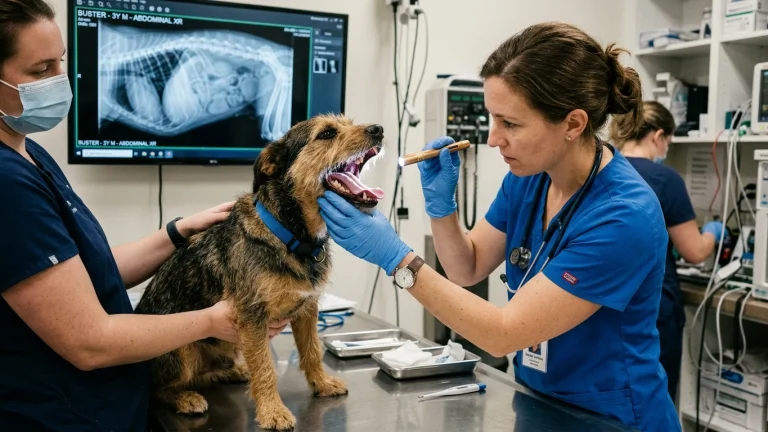
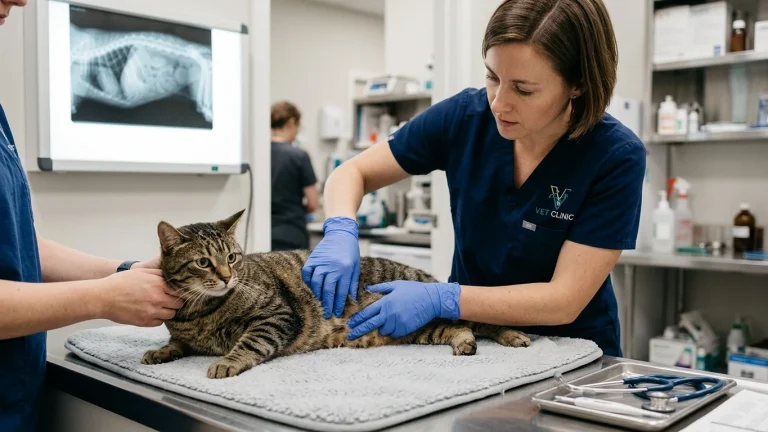
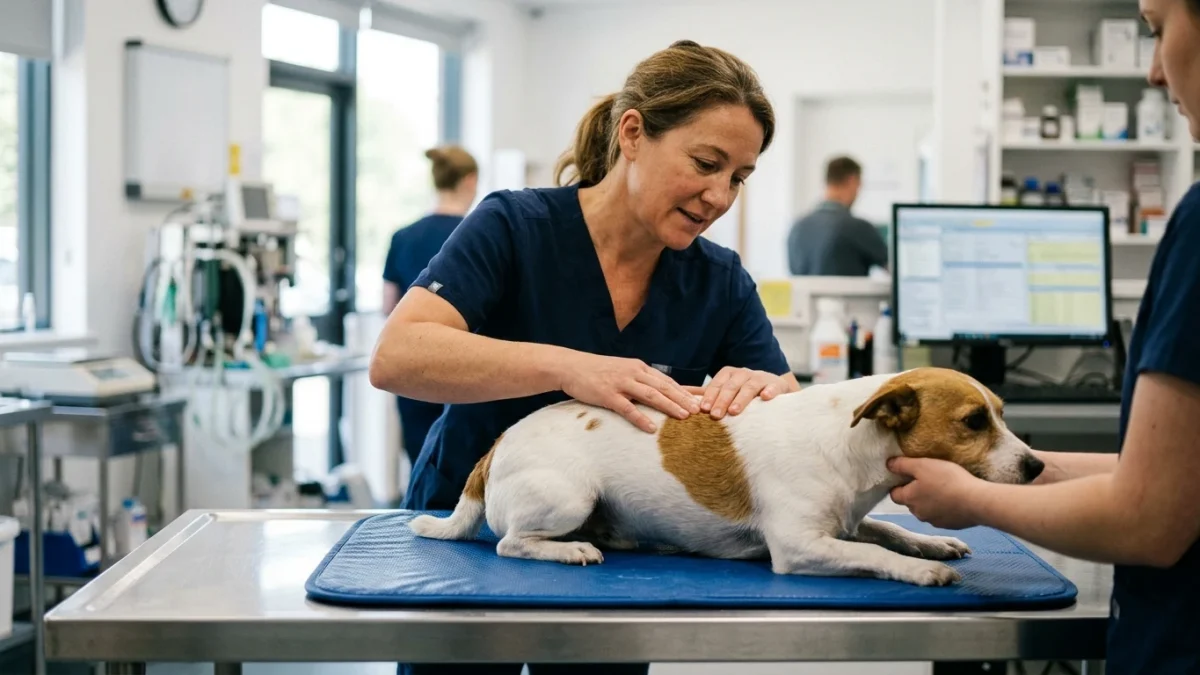
- Abdominal Palpation: Gently place your flat palm against the underside of your dog’s abdomen just behind the ribs. A relaxed abdomen feels soft and doughy, allowing gentle indentation without resistance. If the abdominal wall feels as rigid as a wooden board or your dog tenses, turns rapidly to snap, or groans, acute peritonitis, pancreatitis, or internal bleeding is present.
- Gingival Color and Capillary Refill Time: Lift the upper lip to inspect the gums. Healthy gums are bubblegum pink. Bright brick-red gums indicate severe systemic sepsis or toxic hyperthermia; stark white or pale gray gums indicate poor circulatory perfusion, shock, or internal hemorrhage. Press the gum for two seconds; the color must return in under 2 seconds.
- Temperature Check: Lubricate a pediatric digital rectal thermometer and insert the metal probe approximately one inch into the rectum. Normal canine body temperature ranges strictly between 100.5°F and 102.5°F (38.0°C to 39.2°C). You can track and log your pet’s baseline physiological vital signs with our veterinary clinical screening utilities.
Dangerous Home Pitfalls: What NOT to Do (Rule S1)
Well-intentioned caregivers frequently cause irreversible organ damage when attempting to treat trembling dogs at home:
- Never give human pain relievers (NSAIDs or Tylenol): Giving human acetaminophen (Tylenol) destroys canine liver cells within hours and causes fatal methemoglobinemia (inability of red blood cells to carry oxygen). Administering ibuprofen (Advil) or naproxen (Aleve) triggers catastrophic gastric ulcers and acute oliguric renal failure. Dogs lack the metabolic glucuronidation pathways to safely process human analgesics.
- Do not apply unbuffered heating pads directly to lethargic pets: Severely lethargic or neurologically impaired dogs cannot move away from excessive heat. Electric heating pads placed directly against the skin cause severe full-thickness thermal burns. Always wrap warm water bottles or heat packs in several layers of thick towels.
- Never force oral sugar syrups down an unconscious or severely seizing dog’s throat: While rubbing a few drops of maple syrup or honey directly onto the gums of an awake, conscious hypoglycemic puppy is beneficial, squirting liquids into the mouth of a disoriented animal causes pulmonary aspiration and asphyxiation.
- Do not exercise or stretch a shaking dog to ‘work out a cramp’: If tremors stem from intervertebral disc herniation, forced movement can completely sever the spinal cord, transforming temporary pain into permanent hind-limb paralysis.
Sources
- Tremorgenic Mycotoxicoses and Neurotoxin Exposures in Companion Animals. Journal of Veterinary Emergency and Critical Care / PubMed. Checked September 21, 2026.
- ACVIM Consensus Statement: Diagnosis and Management of Canine Intervertebral Disc Disease. Journal of Veterinary Internal Medicine. Checked September 21, 2026.
- Diagnosis and Critical Care Management of Acute Hypoglycemia in Small Animals. Veterinary Clinics of North America: Small Animal Practice / PubMed. Checked September 21, 2026.
Caregiver Safety Checklist
- Shaking accompanied by an arched back, rigid abdomen, or lethargy is a pain or toxicity emergency, not cold.
- Check gum color and capillary refill time; pale or brick-red gums require immediate emergency hospital transport.
- Never administer human Tylenol, Advil, or aspirin; human pain relievers cause fatal liver failure and kidney collapse.
- Warm shivering dogs gently using towel-wrapped blankets; if tremors persist beyond 20 minutes, seek veterinary evaluation.
Source transparency
Reference mix for this guide
Source labels describe the type of organization behind each reference; they are not a claim that any outside organization reviewed this article.
- Tremorgenic Mycotoxicoses and Neurotoxin Exposures in Companion Animals Government or public agency · pubmed.ncbi.nlm.nih.gov
- ACVIM Consensus Statement: Diagnosis and Management of Canine Intervertebral Disc Disease Government or public agency · pubmed.ncbi.nlm.nih.gov
- Diagnosis and Critical Care Management of Acute Hypoglycemia in Small Animals Government or public agency · pubmed.ncbi.nlm.nih.gov