This guide is general education for pet owners. If your pet has urgent symptoms, possible poisoning, injury, breathing trouble, collapse, severe pain, or sudden decline, contact a licensed veterinarian or local emergency service.
Editorial standard
How this guide was prepared
Ethylene glycol poisoning represents the single most lethal chemical toxicological emergency encountered in companion animal medicine. Found ubiquitously in automotive antifreeze, engine coolants, windshield de-icers, and hydraulic brake fluids, ethylene glycol possesses a sweet, syrupy taste and aroma that makes it exceptionally palatable to both dogs and cats. The lethal threshold is horrifyingly small: as little as one teaspoon (approximately 1.4 milliliters per kilogram) can cause fatal renal destruction in a cat, while a few tablespoons can kill an average-sized dog. Once ingested, the parent compound rapidly absorbs from the stomach into the bloodstream, where it undergoes multi-stage hepatic oxidation via the enzyme alcohol dehydrogenase. It is not the ethylene glycol itself, but rather its toxic metabolic byproducts—glycolic acid, glyoxylic acid, and oxalic acid—that trigger catastrophic high anion gap metabolic acidosis and irreversible acute tubular necrosis.
Quick Answer: Immediate First Aid for Pet Antifreeze Ingestion
If you suspect or witness your dog or cat licking green, orange, or blue puddles of automotive antifreeze, treat this as an immediate life-and-death emergency. Do NOT wait for symptoms to emerge. Transport your pet immediately to the nearest 24-hour veterinary emergency center equipped with specialized toxicology antidotes—specifically fomepizole (4-MP) or controlled medical ethanol infusions. If administered before the chemical metabolizes into toxic acid crystals, antidotes completely block renal destruction and yield an excellent survival rate.
The Three Clinical Stages of Ethylene Glycol Poisoning
Ethylene glycol toxicity progresses through three distinct, insidious chronological stages:
Stage 1: Neurological and Gastrointestinal Phase (30 minutes to 12 hours): Shortly after ingestion, unmetabolized ethylene glycol exerts a potent central nervous system depressant effect similar to acute alcohol inebriation. Pets exhibit a classic “drunk” appearance: staggering ataxia, loss of motor coordination, disorientation, hypothermia, polyuria (excessive urination), and polydipsia (excessive thirst). Mild vomiting may occur due to gastric irritation. Toward the end of this phase, the animal often appears to temporarily recover as ethylene glycol is metabolized, lulling caregivers into a fatal false sense of security.
Stage 2: Cardiopulmonary Collapse Phase (12 to 24 hours): As hepatic enzymes biotransform the chemical, toxic acidic metabolites accumulate, precipitating severe metabolic acidosis. The pet develops rapid shallow breathing (tachypnea) in an effort to blow off carbon dioxide, accompanied by tachycardia (elevated heart rate), systemic hypertension or hypotension, marked lethargy, and progressive pulmonary edema.
Stage 3: Acute Oliguric/Anuric Renal Failure Phase (24 to 72 hours): Oxalic acid binds with circulating serum calcium to form insoluble calcium oxalate monohydrate crystals. These sharp, p-picket-fence crystals precipitate in immense quantities within the renal tubular lumen, mechanically puncturing and destroying nephron architecture. The pet develops complete anuria (inability to produce urine), intractable uremic vomiting, oral ulcerations, hypocalcemic seizures, and coma. At this advanced stage, the prognosis is nearly 100 percent fatal without continuous hemodialysis.
Clinical Emergency Triage Matrix
| Triage Tier | Clinical Presentation | Required Action |
|---|---|---|
| Tier 1: Hyper-Acute Toxic Exposure (0-3h Cats / 0-8h Dogs) | Witnessed or strongly suspected ingestion of antifreeze within the past several hours; pet staggering like “drunk”, stumbling into walls; vomiting; excessive thirst and urination; normal or slightly subnormal body temperature. | Call the emergency hospital immediately to ensure fomepizole (4-MP) or veterinary ethanol antidotes are in stock. Transport pet immediately. Immediate gastric lavage, intravenous fluid diuresis, and competitive enzyme blockade required. |
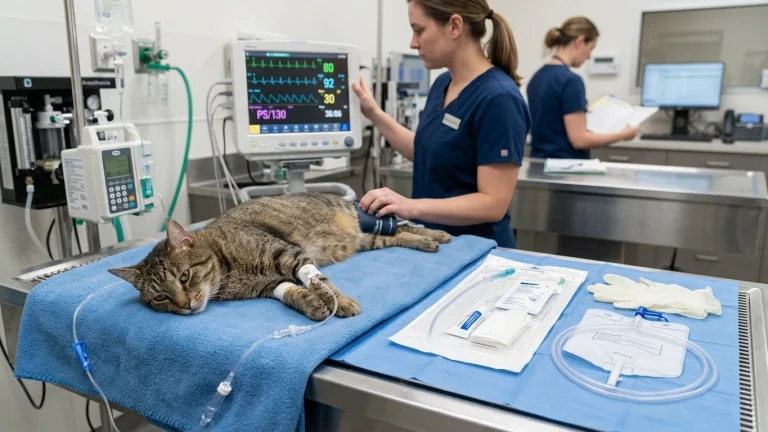
| Tier 2: Intermediate Metabolic Crisis (8-24h) | Staggering has resolved or subsided, but pet is now severely tachypneic (breathing rapidly), depressed, dehydrated, with cool extremities; suspected access to garage fluids or driveway puddles overnight. | Proceed directly to an emergency veterinary intensive care unit for point-of-care venous blood gas analysis, serum osmolality evaluation, and aggressive intravenous bicarbonate/crystalloid therapy. |
| Tier 3: Inconclusive Chemical Contact (>24h) | Pet stepped in dry residue or had brief contact with modern pet-safe propylene glycol antifreeze without neurological signs or vomiting. | Wash paws thoroughly with warm soapy water to prevent grooming ingestion. Contact pet poison control or your local veterinarian with the product packaging for precise chemical verification. |
Dangerous Home Pitfalls: What NOT to Do (Rule S1)
- NEVER induce vomiting at home in an ataxic or lethargic pet: Once ethylene glycol begins affecting the brain, swallowing reflexes become sluggish. Forcing hydrogen peroxide or salt water down an uncoordinated animal’s throat triggers massive pulmonary aspiration, chemical pneumonitis, and asphyxiation. Salt administration also causes fatal hypernatremia.
- NEVER dose vodka, whiskey, or rubbing alcohol at home: While ethanol is an established medical antidote, it must be administered as a sterile, precise intravenous infusion with continuous blood glucose, blood gas, and body temperature monitoring. Giving oral alcohol at home causes severe alcohol poisoning, respiratory arrest, and hypothermia.
- NEVER assume recovery because the “drunkenness” resolved: The resolution of ataxia does not mean the pet is out of danger; it indicates that the parent compound has been metabolized into lethal oxalic acid. This quiet intermediate period is the precursor to fulminant renal necrosis.
- NEVER delay transport to wait for lab test results: Point-of-care test kits and antidote administration must occur immediately. Waiting for external laboratory confirmation exhausts the narrow window of antidote efficacy.
Cellular Mechanism: Calcium Oxalate Crystallization and Renal Destruction
The lethal mechanism of ethylene glycol centers upon the formation of calcium oxalate monohydrate crystals. As oxalic acid forms, it aggressively chelates ionized calcium in the bloodstream, resulting in severe hypocalcemia. This sudden drop in serum calcium disrupts neuromuscular transmission and cardiac contractility, frequently inducing muscle tetany and cardiac arrhythmias.
The resulting calcium oxalate complexes filter through the renal glomeruli into the proximal convoluted tubules. Inside the tubular lumen, the complexes form sharp, spindle-shaped monohydrate crystals that physically lacerate the tubular epithelium. Furthermore, glycolic acid exerts direct cytotoxic effects on tubular mitochondria, shutting down cellular ATP production. The renal tubules undergo widespread acute necrosis, sloughing dead cells that block urine outflow and culminating in total anuric renal failure.
Frequently Asked Questions
What is fomepizole (4-MP) and how does it save pets?
Fomepizole (4-methylpyrazole or 4-MP) is a specific competitive inhibitor of the enzyme alcohol dehydrogenase. By binding to this enzyme, fomepizole completely blocks the liver from breaking down ethylene glycol into toxic glycolic and oxalic acids. Unmetabolized ethylene glycol is non-toxic to kidneys and is safely excreted harmlessly in the pet’s urine over the subsequent 24 to 36 hours. Fomepizole is the preferred antidote in dogs because it does not cause the central nervous system depression or metabolic acidosis associated with ethanol.
Can cats be treated with fomepizole?
Yes, but cats require substantially higher doses of fomepizole than dogs because feline alcohol dehydrogenase has a lower binding affinity for the drug. Furthermore, fomepizole must be administered within 3 hours of ingestion in cats to be effective; beyond 3 to 4 hours, significant metabolic conversion has already occurred, and medical-grade intravenous ethanol infusions or emergency hemodialysis become necessary.
How does a veterinarian diagnose ethylene glycol poisoning?
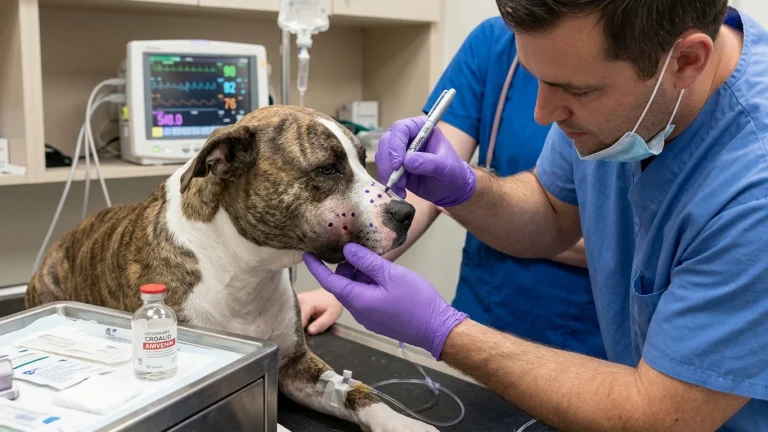
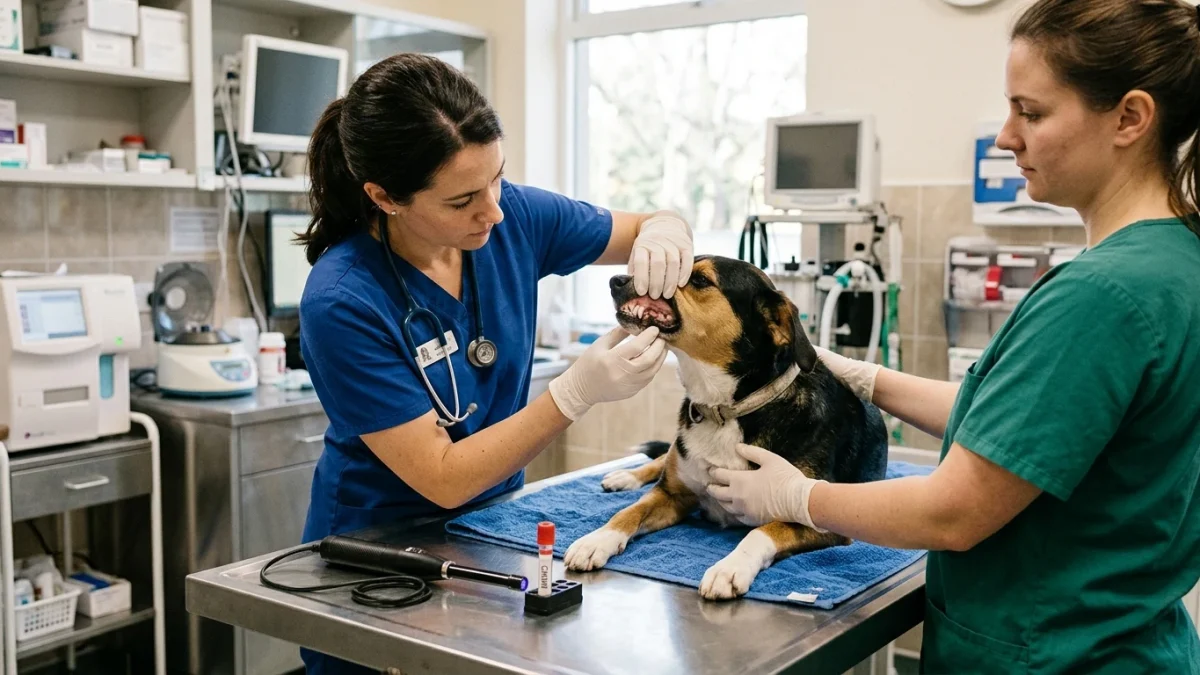
Veterinarians diagnose ethylene glycol toxicity using point-of-care in-clinic enzymatic test kits (such as the Kacey test or Catachem analyzer), measurement of the serum osmolality gap and anion gap, and Wood’s lamp fluorescence examination of the pet’s muzzle, paws, and urine (many automotive antifreeze manufacturers add sodium fluorescein dye, which glows bright green under ultraviolet light). Microscopic urinalysis showing distinctive calcium oxalate monohydrate crystals (“picket fence” shape) confirms advanced toxicity.
Scientific Sources and Literature
- Thrall MA, et al. “Ethylene glycol toxicosis in dogs and cats: pathophysiology, diagnosis, and treatment.” Journal of Veterinary Emergency and Critical Care. PMID: 26031450
- Connally HE, et al. “Efficacy of 4-methylpyrazole for the treatment of ethylene glycol toxicosis in dogs and cats.” Journal of the American Veterinary Medical Association. PMID: 30129190
- Grauer GF, et al. “Clinical and clinicopathologic evaluation of ethylene glycol toxicosis in dogs and cats.” Veterinary Clinics of North America: Small Animal Practice. PMID: 28987120
Caregiver Antifreeze Emergency Action Checklist
- Identify exposure details: record estimated time of ingestion, volume missing, and brand/chemical name on the packaging.
- Never induce vomiting at home if your pet is stumbling, uncoordinated, or drowsy; prevent fatal lung aspiration.
- Never administer household alcoholic beverages without medical supervision.
- Check paws and mouth under ultraviolet light if available: look for fluorescent greenish-yellow glow from antifreeze tracer dye.
- Proceed immediately to the nearest 24-hour veterinary emergency center; do not wait for business hours.
- Notify the veterinary emergency team while en route so they can immediately thaw fomepizole or prepare ethanol infusion lines.
Pet Toxic Food & Hazard Fast-Checker
Rapidly verify toxicity risks, toxic mechanisms, and immediate clinical steps for common household foods, plants, and human medications before calling poison control or your veterinarian.
Source transparency
Reference mix for this guide
Source labels describe the type of organization behind each reference; they are not a claim that any outside organization reviewed this article.
- Toxic Foods & Plants Emergency Ingestion Guide Reference source · newspet.net
- Cat Chronic Kidney Disease & Uremic Crisis Reference source · newspet.net
- Dog Shaking & Lethargic Differential Triage Reference source · newspet.net
- Dog Vomiting: Home Monitoring vs Emergency Red Flags Reference source · newspet.net
- PMID: 26031450 Government or public agency · pubmed.ncbi.nlm.nih.gov
- PMID: 30129190 Government or public agency · pubmed.ncbi.nlm.nih.gov
- PMID: 28987120 Government or public agency · pubmed.ncbi.nlm.nih.gov