This guide is general education for pet owners. If your pet has urgent symptoms, possible poisoning, injury, breathing trouble, collapse, severe pain, or sudden decline, contact a licensed veterinarian or local emergency service.
Dosages must be calculated by a licensed veterinarian based on species, weight, and bloodwork. Never administer human medications or self-adjust prescription doses for pets.
Editorial standard
How this guide was prepared
Canine noise aversion—triggered by fireworks explosions, thunderstorm rumbles, gunshot reports, or urban construction—affects up to 39 to 50 percent of domestic dogs. Unlike a mild startle response where a puppy looks toward a dropped pot and quickly resumes playing, true noise phobia is a progressive, self-sensitizing neurobiological panic disorder. Without multi-modal environmental shielding and targeted veterinary anxiolytic intervention, noise phobia worsens with every storm season: a dog that initially reacted only to direct overhead lightning eventually begins trembling, panting, and attempting to claw through drywall hours before a storm arrives—and generalizes its fear to rain, wind, car doors slamming, and flashing streetlamps.
Clinical Quick Answer & Immediate Stabilization Protocol
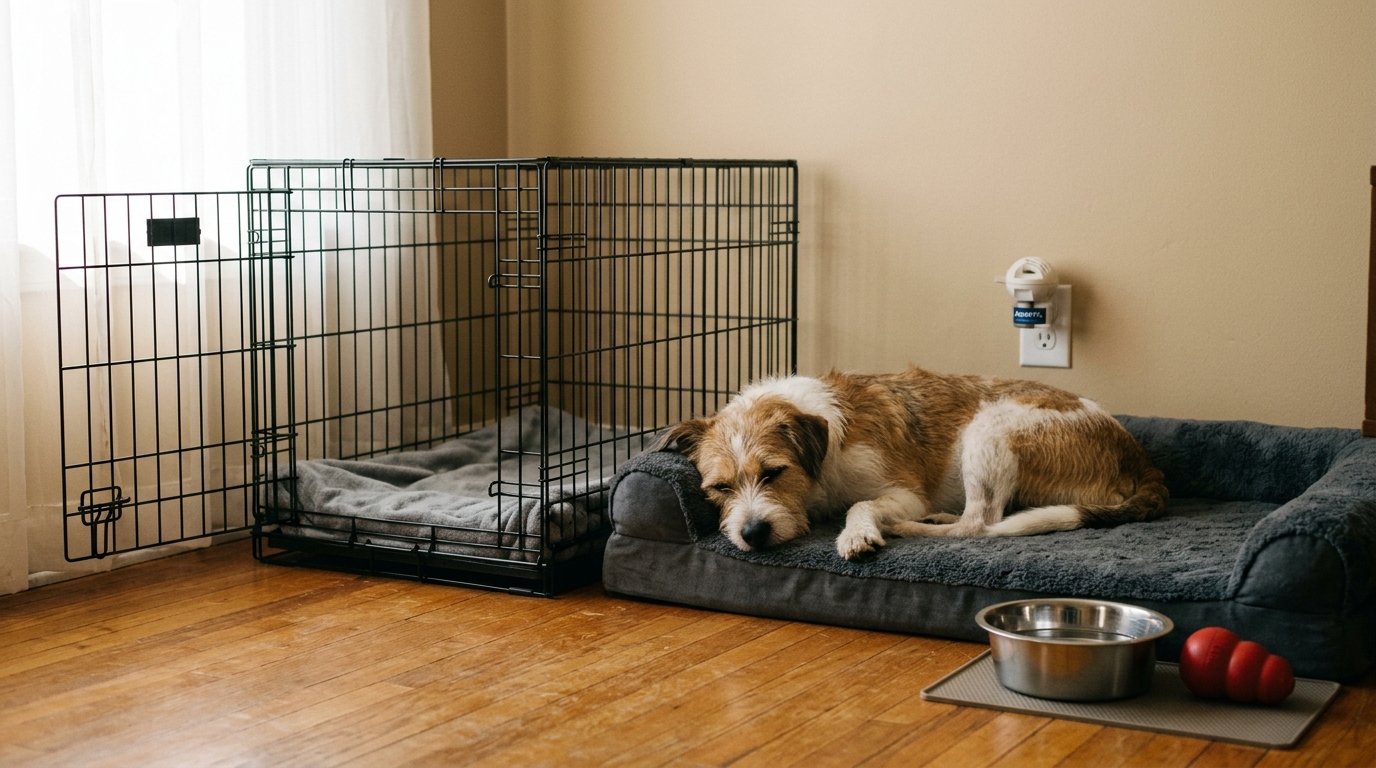
Primary Clinical Directive for Canine Acoustic Phobia (Thunderstorm & Fireworks Noise Aversion): Prepare a windowless interior “acoustic bunker” (an interior bathroom, laundry room, or basement closet where the dog is never locked against its will) equipped with a low-frequency brown-noise generator and thick blankets to muffle sonic booms and block lightning flashes. For dogs with moderate-to-severe noise panic, administer veterinary-prescribed situational anxiolytics—such as transmucosal dexmedetomidine oromucosal gel (Sileo, which blocks locus coeruleus noradrenaline release without heavy sedation), trazodone, or gabapentin—at least 60 to 120 minutes BEFORE the first firework or thunderstorm front arrives.
Locus Coeruleus Noradrenergic Surge, Barometric Static Sensing & Late-Onset Pain Comorbidity
When an acoustic shockwave (140+ dB from aerial fireworks or low-frequency <50 Hz infrasound from thunder) strikes the canine auditory system, projections from the cochlear nucleus activate the locus coeruleus in the brainstem—the central command hub for brain norepinephrine synthesis. Massive noradrenergic firing floods the amygdala and hypothalamus, triggering violent shaking, mydriasis (dilated pupils), excessive panting, pacing, hiding in porcelain bathtubs, and desperate barrier destruction. In thunderstorms, dogs detect approaching weather fronts long before humans hear thunder by sensing drops in barometric air pressure, ozone smell, infrasound vibrations, and static electrical charge accumulation in their fur (which explains why many storm-phobic dogs press themselves against grounded porcelain toilets, cast-iron bathtubs, or concrete basement floors to discharge static buildup).
Critically, breakthrough clinical research published by veterinary behaviorists (Fagundes et al., 2018) revealed a powerful medical comorbidity: when a dog develops noise phobia for the very first time in middle or senior adulthood (after age 4 to 5), over 70 to 80 percent of those patients harbor undiagnosed chronic musculoskeletal pain (such as hip osteoarthritis, spondylosis, or lumbosacral pain). When a sudden loud bang causes a dog with occult joint or back pain to tense its paraspinal muscles abruptly, the sharp stab of physical pain becomes classically conditioned to the loud sound—making orthopedic pain evaluation mandatory for every adult-onset noise-phobic dog.
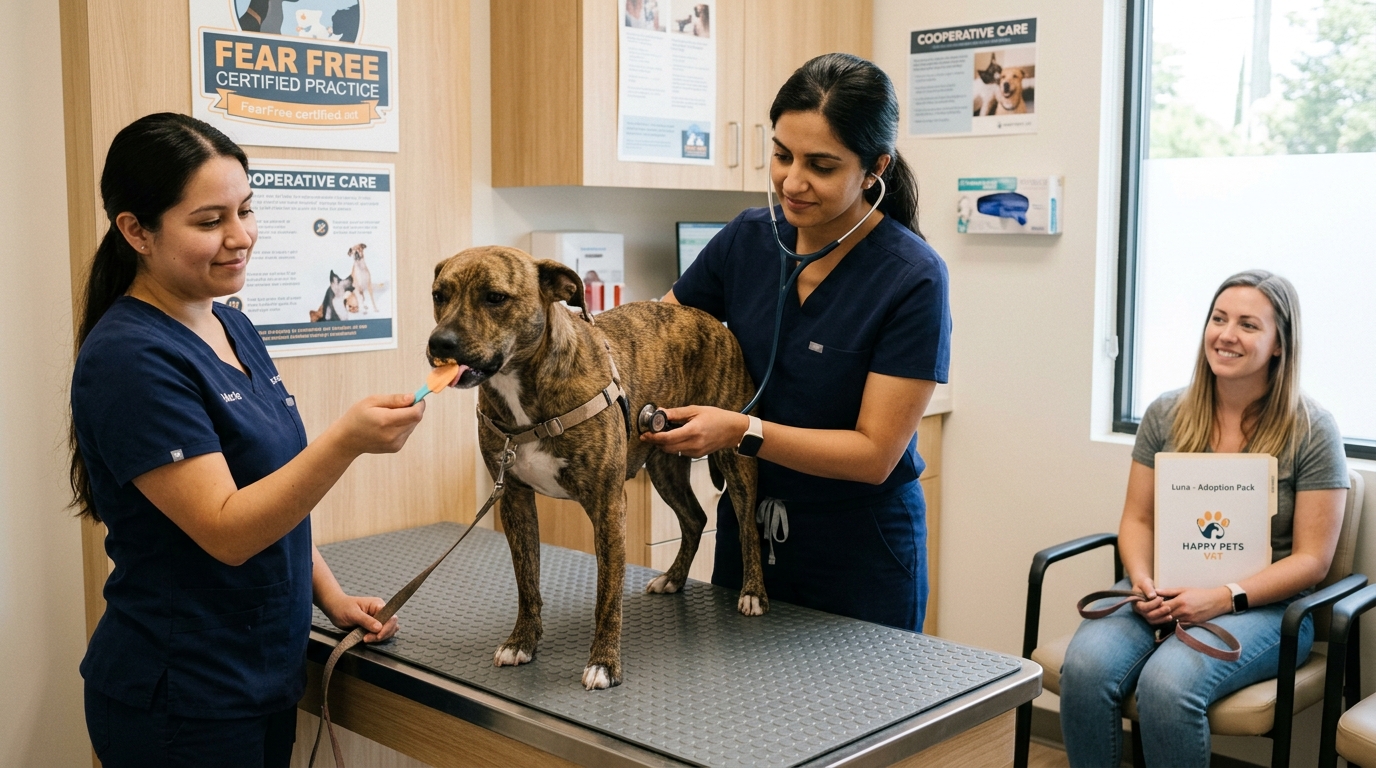
- Can You Reinforce Fear by Comforting Your Dog? NO: Fear is an involuntary sympathetic emotional reflex, not an operant voluntary behavior; sitting quietly beside your dog and offering calm contact if your dog leans against you promotes oxytocin release and never makes fear worse.
- Transmucosal Alpha-2 Adrenoceptor Precision (Sileo): Oromucosal dexmedetomidine gel is absorbed directly across the cheek gums (avoiding first-pass hepatic metabolism) and binds presynaptic alpha-2 receptors in the locus coeruleus, halting noradrenaline panic release at sub-sedative micro-concentrations.
- Why Brown Noise Beats White Noise for Fireworks: High-pitched white noise (like a static hiss) fails to mask deep bass booming; deep “brown noise,” box fans, or bass-heavy rhythmic music masks low-frequency thunder and mortar vibrations far more effectively.
- Anti-Static Coat Wiping & Pressure Wraps: Wiping a storm-phobic dog’s coat with an unscented dryer sheet or damp microfiber cloth reduces static fur charge, while swaddling wraps (ThunderShirt) provide mild proprioceptive calming in mild cases.
Emergency Triage Matrix: Clinical Presentation & Required Response
| Triage Level | Clinical Signs & Presentation | Immediate Action Protocol |
|---|---|---|
| Tier 1: Acute Panic Flight / Window-Break / Hyperthermic Crisis | Dog leaps through glass windows or fences during fireworks, bleeds from gums/claws attacking doors, or exhibits brick-red gums and non-stop roaring panting (>40 minutes post-event) indicating exertional hyperthermia. | Bring the dog immediately into a cool, air-conditioned windowless interior room with you present, check gums and cooling, verify ID collar/microchip containment, and seek emergency veterinary care for lacerations, hyperthermia, or rescue anxiolysis. |
| Tier 2: Predictable Holiday Fireworks or Incoming Radar Storm Front | Dog paces, trembles, whines, drools, climbs onto owner’s head, or hides behind toilets whenever thunder rumbles or neighborhood fireworks begin. | Walk the dog for elimination 2–3 hours before sunset/storm arrival (on a double-clipped harness and collar), close all blinds, turn on brown noise, and administer vet-prescribed pre-event anxiolytics 60–120 minutes BEFORE noise starts. |
| Tier 3: Mild Acoustic Startle & Off-Season Counterconditioning | Puppy or dog perks ears and barks once at distant thunder or a car backfire, then looks to owner and readily accepts high-value food. | Play the “Boom = Treat Party” reflex game: every single time an unexpected bang or thunderclap sounds, immediately cheer and scatter 5 pieces of high-value meat on the floor. |
Pre-Event Anxiolytic Timing, Oromucosal Gel Mechanics & The “Boom = Chicken” Reflex
Pharmacological intervention for severe noise aversion succeeds or fails on timing. Once a dog is already shaking in a full-blown locus coeruleus catecholamine storm, oral tablets (such as trazodone or gabapentin) experience delayed gastric absorption and reduced efficacy. Caregivers must monitor weather radar apps and holiday schedules to administer oral anxiolytics 90 to 120 minutes prior to the expected onset of noise—or apply FDA-approved dexmedetomidine oromucosal gel (Sileo) between the cheek and gum 30 to 60 minutes prior to noise (or at the earliest barometric restlessness cue), wearing disposable gloves during application so the handler does not absorb the alpha-2 agonist through human skin.
For mild cases or puppies experiencing their first storm season, build a conditioned emotional response (“Boom = Chicken”): keep a tub of freeze-dried liver or diced cheese handy during rainy afternoons. The exact second a rumble of thunder or distant firecracker sounds, smile, say “Yay, party!” in a cheerful voice, and scatter a handful of meat treats across the rug. Within a few storms, the acoustic clap shifts from an ominous threat into a cue that makes the dog trot toward the kitchen expecting snacks.
- Double-Leash Walk Protocol on Fireworks Weeks (July 1–7 & Dec 28–Jan 2): Neighborhood firecrackers detonate unpredictably during afternoon walks; always clip one leash to a fitted Y-harness and a backup safety strap/second leash to a flat ID collar so a sudden backward bolt cannot slip the gear.
- Oromucosal Gel Cheek Placement (Not Swallowed): Dexmedetomidine gel must be placed into the buccal pouch between the lower cheek and gum tissue; if the dog swallows the gel into the stomach, hepatic first-pass metabolism inactivates the drug.
- Orthopedic Pain Screening for Adult-Onset Cases: If your 6-year-old dog never cared about thunder and suddenly develops severe noise panic this year, schedule a veterinary orthopedic and spinal examination alongside a pain trial.
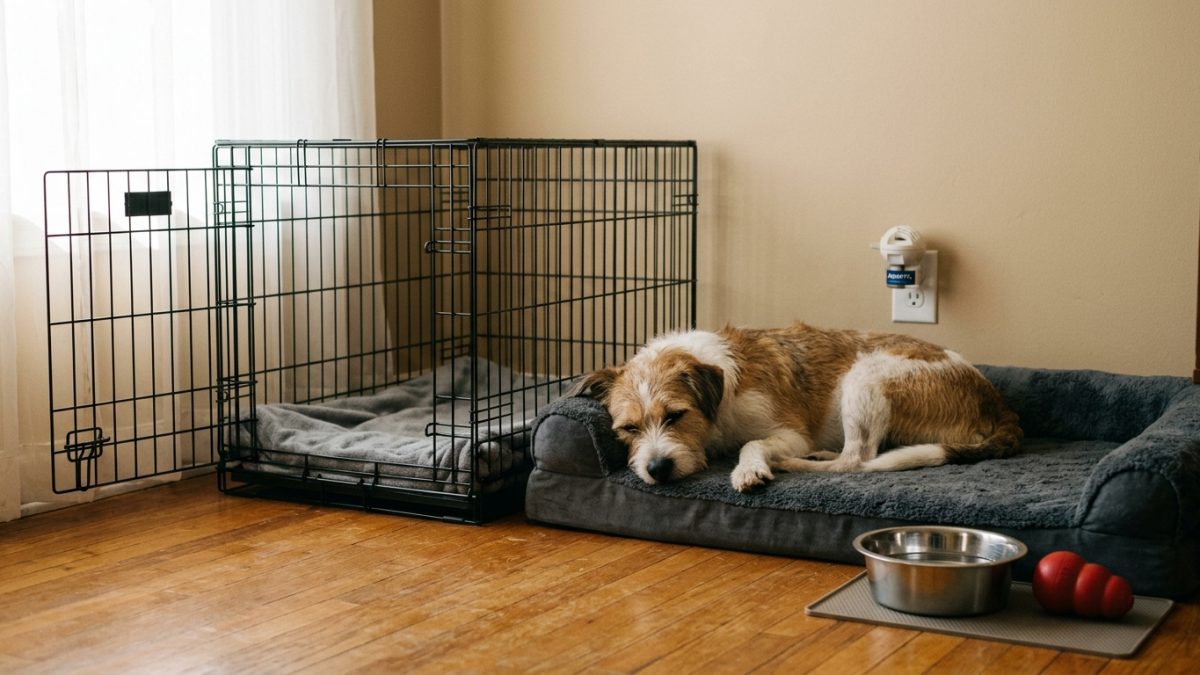
- Never Lock a Noise-Phobic Dog Inside a Crate: Just as in separation anxiety, locking a noise-panicked dog inside a wire crate traps the animal during a fight-or-flight surge and results in broken teeth and torn claws; leave the crate door wide open inside a safe room.
Strict Rule S1 Clinical Red Flags: Canine Acoustic Phobia (Thunderstorm & Fireworks Noise Aversion)
Critical safety boundaries for Canine (Canis lupus familiaris — Herding, Sporting, Adult & Geriatric Dogs) caregivers:
- Zero Acepromazine Monotherapy for Fireworks or Thunderstorms: Never give acepromazine tranquilizer pills alone for noise phobia; acepromazine blocks physical movement while increasing sensitivity to sharp sounds, creating a nightmarish “chemical straightjacket” where the dog is terrified inside an immobile body.
- Zero Unprotected Handler Skin Contact With Oromucosal Dexmedetomidine Gel: Always wear impermeable disposable gloves when dosing dexmedetomidine oromucosal gel into your dog’s cheek pouch; transdermal absorption in humans can cause bradycardia, hypotension, and sedation.
Clinical Preparation & Biosecurity Action Checklist
- Verify that your dog’s microchip registration phone number is current and attach an engraved metal ID tag to a securely fitted collar before summer storm and holiday fireworks seasons.
- Walk and exercise your dog completely during daylight hours at least 2 hours before dusk on fireworks holidays so you never need to go outside after dark.
- Stage an interior bathroom or basement sanctuary with closed blinds, a box fan plus brown-noise speaker, fresh water, and an open-door covered den.
- Refill your veterinarian-prescribed noise-aversion medications (Sileo, trazodone, or gabapentin) at least 2 weeks before major fireworks holidays.
Related Clinical Guides & Triage Protocols
Peer-Reviewed Clinical References & Evidence Grounding
- Noise sensitivities in dogs: an exploration of signs in dogs with and without musculoskeletal pain (opens in new tab) (Frontiers in Veterinary Science (2018) — Landmark clinical study by Fagundes, Hewison & Mills indexed on NCBI PubMed (PMID: 29527200).)
- Efficacy and safety of dexmedetomidine oromucosal gel for the alleviation of canine acute noise aversion associated with fireworks (opens in new tab) (Veterinary Record (2016) — Randomized double-blind clinical trial by Korpivaara et al. indexed on NCBI PubMed (PMID: 27210751).)
- AAHA Canine and Feline Behavior Management Guidelines: Noise Phobia, Acepromazine Contraindication, and Pre-Event Anxiolysis (opens in new tab) (American Animal Hospital Association clinical guidelines on acoustic phobia treatment.)
- U.S. FDA Center for Veterinary Medicine: Clinical Pharmacology and Handler Safety of Sileo (Dexmedetomidine Oromucosal Gel) for Canine Noise Aversion (opens in new tab) (U.S. Food and Drug Administration regulatory safety profile and dosing barrier guidelines.)
Source transparency
Reference mix for this guide
Source labels classify the institutional category of the references cited above.