This guide is general education for pet owners. If your pet has urgent symptoms, possible poisoning, injury, breathing trouble, collapse, severe pain, or sudden decline, contact a licensed veterinarian or local emergency service.
Dosages must be calculated by a licensed veterinarian based on species, weight, and bloodwork. Never administer human medications or self-adjust prescription doses for pets.
Editorial standard
How this guide was prepared
Canine Cognitive Dysfunction Syndrome (CCDS) is a progressive, age-related neurodegenerative disorder of senior dogs that closely mirrors the neuropathological and clinical trajectory of human Alzheimer’s disease. Epidemiological studies demonstrate that clinical signs affect approximately 14 to 28 percent of dogs aged 11 to 12 years and climb above 68 percent in dogs aged 15 to 16 years, yet over 80 percent of cases remain undiagnosed because caregivers mistakenly dismiss early symptoms as “normal aging.” Clinically stratified using the validated DISHAA scoring framework—Disorientation, Interactions, Sleep-wake cycles, House-soiling, Activity changes, and Anxiety—CCDS is a diagnosis of exclusion that requires ruling out treatable systemic and orthopedic pain mimics before initiating monoamine oxidase-B inhibitors (selegiline), medium-chain triglyceride (MCT) ketogenic nutrition, and environmental enrichment.
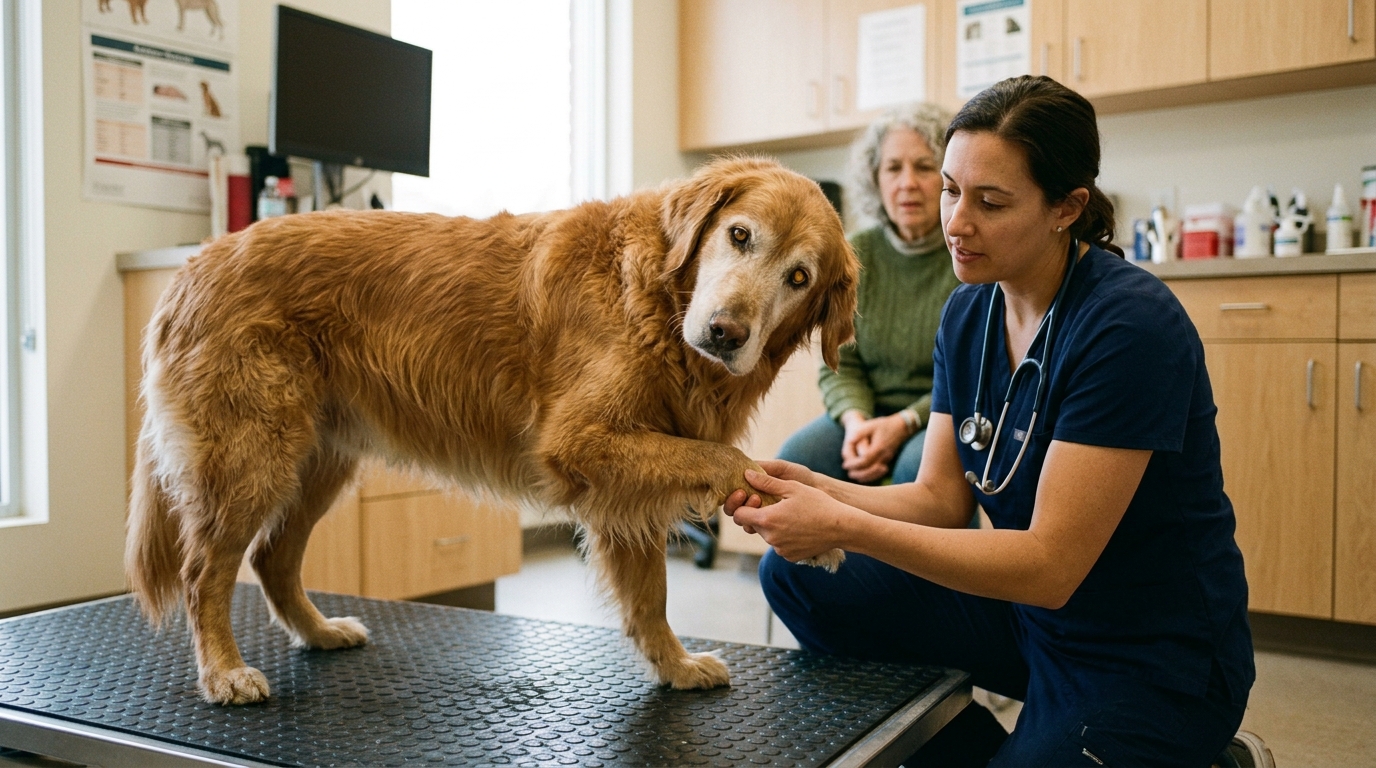
Clinical Quick Answer & Immediate Stabilization Protocol
Primary Clinical Directive for Canine Cognitive Dysfunction Syndrome (CCDS / Canine Alzheimer’s Equivalent): Distinguishing Canine Cognitive Dysfunction from medical mimics begins with the DISHAA clinical inventory: a dog with true CCDS typically gets trapped behind open doors (hinge-side vs. latch-side confusion), stares blankly at walls, paces and vocalizes incessantly between midnight and 4:00 AM (“sundowning”), and forgets previously learned house-training signals even minutes after returning from the yard. Before attributing these signs to dementia, veterinarians must exclude osteoarthritis pain, systemic hypertension, Cushing’s disease, chronic kidney disease, urinary tract infection, and forebrain meningioma/glioma. Evidence-based management combines a 6.5% medium-chain triglyceride (MCT) antioxidant diet, oral selegiline hydrochloride (MAO-B inhibitor), daytime cognitive foraging enrichment, and melatonin/gabapentin nocturnal sleep stabilization.
Cerebral Cortical Atrophy, Diffuse Beta-Amyloid Angiopathy & Catecholaminergic Depletion
As the canine brain ages, mitochondrial electron transport chain efficiency declines, increasing production of reactive oxygen species (ROS) that peroxidize neuronal lipid membranes and damage nuclear and mitochondrial DNA. Simultaneously, impaired clearance of amyloid precursor protein cleavage products leads to the progressive extracellular deposition of insoluble beta-amyloid (Aβ1-42) plaques within the prefrontal cortex, hippocampus, and cerebral leptomeningeal blood vessels (cerebral amyloid angiopathy). The extent of cortical beta-amyloid plaque burden in senior dogs correlates directly with severity scores on spatial memory and reversal-learning tests.
As beta-amyloid accumulation and microvascular microhemorrhages trigger neuronal apoptosis and astrocytic gliosis, gross magnetic resonance imaging (MRI) reveals widening of the cerebral sulci, thinning of the interthalamic adhesion (<5.0 mm), and compensatory ventriculomegaly. Neurochemically, loss of basal forebrain cholinergic neurons and locus coeruleus/substantia nigra catecholaminergic projections depletes synaptic acetylcholine, dopamine, norepinephrine, and serotonin, while age-related upregulation of monoamine oxidase B (MAO-B) further degrades dopamine and generates neurotoxic hydrogen peroxide free radicals.
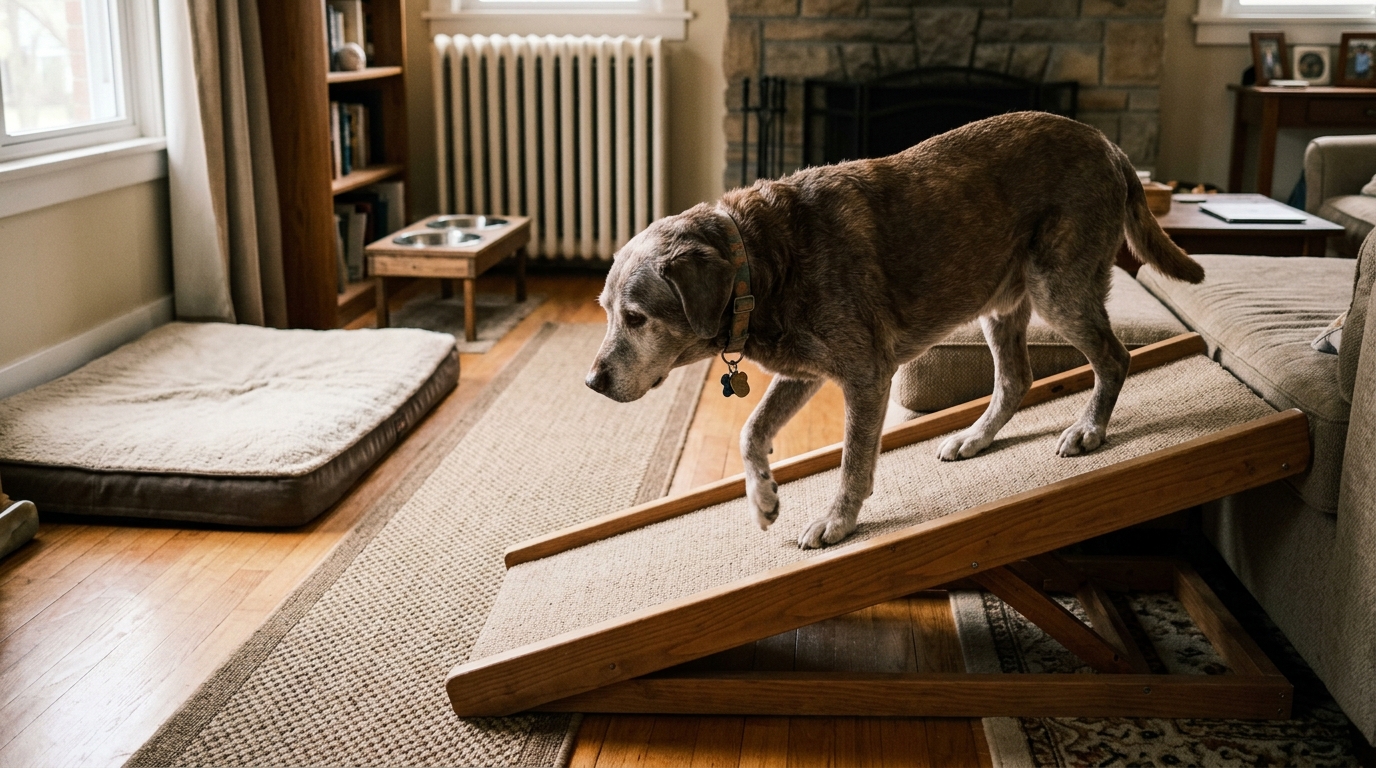
- The 6 Validated DISHAA Clinical Domains: (1) Disorientation (getting stuck in corners or on the hinge side of doors), (2) Altered Social Interactions (clinginess or aloof withdrawal), (3) Sleep-Wake Cycle Reversal (nocturnal pacing/vocalization), (4) House-Soiling (loss of signaling and indoor elimination), (5) Activity Changes (aimless wandering or apathy), and (6) New Anxiety/Agitation.
- Medical Mimics That Masquerade as Dementia: Osteoarthritis or lumbosacral pain frequently causes nighttime pacing because lying down hurts; nuclear sclerosis or cataracts cause twilight disorientation; and renal azotemia, Cushing’s disease, or UTIs cause indoor urination that resolves once the underlying medical condition is treated.
- Alternative Ketone Brain Fuel via MCTs: Senescent canine cortical neurons lose up to 25% of their glucose transporter (GLUT) and glycolytic capacity; dietary Medium-Chain Triglycerides (caprylic C8 and capric C10 fatty acids) are converted by the liver into beta-hydroxybutyrate ketone bodies that bypass defective glucose metabolism to fuel neurons directly.
- Forebrain Neoplasia vs. Symmetric CCDS: Asymmetric neurological deficits (unilateral circling, unilateral proprioceptive knuckling, unilateral menace deficit, or new-onset adult generalized seizures) point strongly toward an intracranial tumor (such as a rostrotentorial meningioma) rather than symmetric CCDS.
Emergency Triage Matrix: Clinical Presentation & Required Response
| Triage Level | Clinical Signs & Presentation | Immediate Action Protocol |
|---|---|---|
| Tier 1: Immediate Emergency (0–2 Hours) | New-onset generalized seizures or cluster seizures in a senior dog, compulsive head pressing against hard walls with stupor, acute blindness with dilated non-responsive pupils (hypertensive retinal detachment), or collapse. | Transport immediately to a 24-hour emergency veterinary hospital for blood pressure measurement, anticonvulsant stabilization, and neurological triage for intracranial hemorrhage or neoplasia. |
| Tier 2: Urgent Veterinary Diagnostic Workup (24–72 Hours) | Abrupt onset over days of nocturnal pacing and vocalization (“sundowning”), indoor urination/defecation in a previously house-trained senior dog, or sudden confusion and compulsive circling. | Schedule a comprehensive geriatric veterinary examination including blood pressure, orthopedic pain score, CBC, serum biochemistry, T4, urinalysis with culture, and DISHAA cognitive questionnaire. |
| Tier 3: Confirmed CCDS Multimodal Home Management | Gradual progression over 3–6+ months across two or more DISHAA domains in a senior dog after metabolic, sensory, and pain mimics have been controlled. | Initiate a veterinary MCT/antioxidant cognitive diet, discuss selegiline or S-adenosylmethionine therapy, establish a structured daytime exercise and evening melatonin routine, and re-score DISHAA every 90 days. |
Selegiline Pharmacology, Drug Interaction Contraindications & Circadian Environmental Redesign
Pharmacological intervention for Canine Cognitive Dysfunction centers on Selegiline Hydrochloride (L-deprenyl / Anipryl), an irreversible selective inhibitor of Monoamine Oxidase Type B (MAO-B). By inhibiting MAO-B in the canine striatum and cerebral cortex, selegiline increases synaptic dopamine and phenylethylamine concentrations, scavenges oxygen free radicals, and upregulates neuroprotective superoxide dismutase and catalase activity. Clinical improvement usually requires 30 to 60 days of daily morning dosing (administered in the morning to avoid nocturnal insomnia). Because selegiline irreversibly binds MAO enzymes, a strict 14-day washout period is required after stopping selegiline before any serotonergic medication (fluoxetine, trazodone, clomipramine, tramadol) can be introduced—and a 5-week washout is required after stopping fluoxetine before starting selegiline.
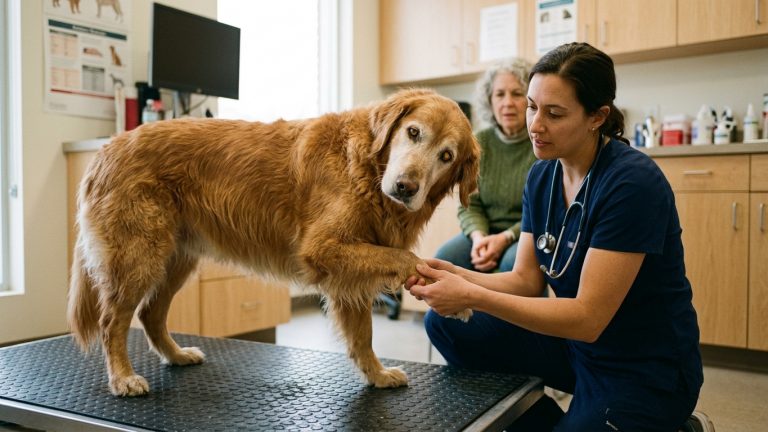
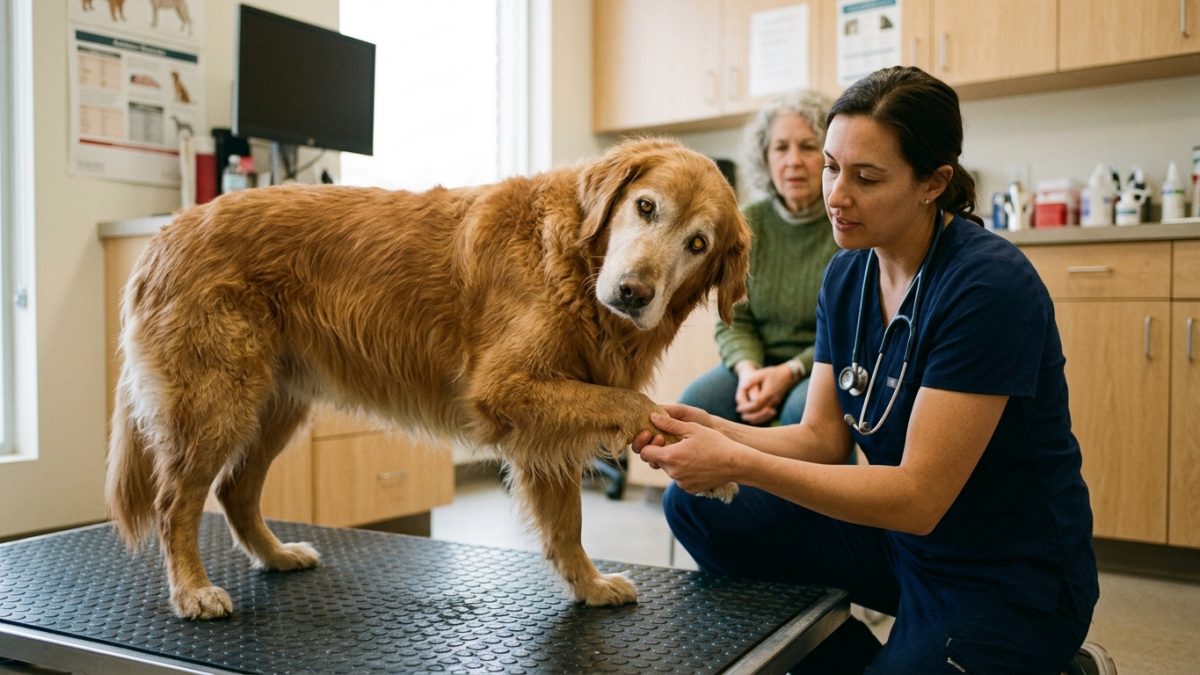
Because unrecognized musculoskeletal pain is the single most common cause of nighttime restlessness in geriatric dogs, clinicians frequently institute a 14-day analgesic trial (using a dog-safe COX-sparing NSAID, anti-NGF monoclonal antibody bedinvetmab, or gabapentin/amantadine) alongside cognitive support. Restoring circadian sleep-wake architecture relies on maximizing bright natural daylight and gentle sniff-walks during the day, serving an enriched food puzzle 2 hours before bedtime, and providing veterinary-dosed melatonin (30–60 minutes before lights-out) paired with calming white noise and low-level amber nightlights to reduce twilight visual disorientation.
- Strict Serotonin Syndrome Contraindication: Never combine selegiline with trazodone, fluoxetine, clomipramine, amitriptyline, tramadol, dextromethorphan, or monoamine oxidase-inhibiting amitraz collars; excessive synaptic serotonin triggers hyperthermia, tremors, myoclonus, tachycardia, and death.
- Nutraceutical & Phospholipid Synergy: Clinical trials support diets and supplements combining Medium-Chain Triglycerides (MCTs), S-adenosylmethionine (SAMe tosylate), phosphatidylserine, resveratrol, alpha-lipoic acid (at strict dog-safe doses—never cat doses), Vitamin E, and DHA/EPA omega-3 fatty acids.
- Tactile Wayfinding for Visually Impaired Seniors: Keep furniture in a fixed, unshifting layout; place textured yoga-mat runners along primary paths to water bowls and exits; and block access to open staircases, swimming pools, and narrow behind-couch gaps where disoriented dogs become wedged.
- Compassionate House-Soiling Hygiene: Increase scheduled outdoor leash walks to every 3–4 hours, build a covered ground-level potty zone with washable turf pads near the sleeping area, and fit breathable washable belly bands or senior diapers without verbal scolding.
Strict Rule S1 Clinical Red Flags: Canine Cognitive Dysfunction Syndrome (CCDS / Canine Alzheimer’s Equivalent)
Critical safety boundaries for Canine (Canis lupus familiaris — Senior & Geriatric Dogs Aged 8+ Years) caregivers:
- Zero Lethal Drug Combinations with Selegiline (Anipryl): Always verify every medication and flea/tick collar with your veterinarian before starting selegiline; combining selegiline with trazodone, fluoxetine (Prozac), clomipramine, tramadol, or amitraz causes life-threatening Serotonin Syndrome.
- Zero Alpha-Lipoic Acid Cross-Species Dosing to Cats: While canine cognitive supplements often contain alpha-lipoic acid, alpha-lipoic acid is acutely neurotoxic and hepatotoxic to cats at 1/10th the canine dose—store canine brain supplements locked away from household cats.
Clinical Preparation & Biosecurity Action Checklist
- Complete a baseline veterinary DISHAA Cognitive Assessment Checklist and film a 60-second smartphone video of your dog’s nighttime pacing or staring episodes for your veterinarian.
- Rule out hidden osteoarthritis pain, hypertension, urinary tract infection, and kidney/liver disease via a full senior blood panel, blood pressure check, and urinalysis.
- Audit all household medications and parasite preventatives to ensure zero serotonergic or amitraz conflicts before starting selegiline.
- Establish a predictable circadian anchor: 20 minutes of morning sunlight and scent-foraging, fixed meal times, non-slip floor runners, and a quiet, dimly lit sleeping enclosure at night.
Related Clinical Guides & Triage Protocols
Peer-Reviewed Clinical References & Evidence Grounding
- Canine cognitive dysfunction and Alzheimer’s disease — two facets of the same disease? (opens in new tab) (Frontiers in Neuroscience (2019) — Peer-reviewed comparative neuropathology review by Prpar Mihevc & Majdič indexed on NCBI PubMed (PMID: 30712352).)
- Dietary supplementation with medium-chain triglycerides promotes long-term enhancement of cognitive function in aged dogs (opens in new tab) (British Journal of Nutrition (2010) — Randomized controlled trial by Pan et al. indexed on NCBI PubMed (PMID: 20136998).)
- 2023 AAHA Senior Care Guidelines for Dogs and Cats (opens in new tab) (Journal of the American Animal Hospital Association (2023) — AAHA Consensus Guidelines on DISHAA cognitive screening and geriatric pain management (PMID: 36695816).)
- Merck Veterinary Manual: Cognitive Dysfunction Syndrome in Dogs and Cats (opens in new tab) (Verified veterinary clinical reference on DISHAA staging, selegiline MAO-B pharmacology, and differential diagnostics.)
Source transparency
Reference mix for this guide
Source labels classify the institutional category of the references cited above.