Health and Safety Boundary
Jump to Emergency Red Flags ↓
This guide is general education for pet owners. If your pet has urgent symptoms, possible poisoning, injury, breathing trouble, collapse, severe pain, or sudden decline, contact a licensed veterinarian or local emergency service.
Editorial standard
How this guide was prepared
Edited for decisions
NewsPet guides are structured around practical owner choices, tradeoffs, and safety boundaries.
Source policy
Sources are listed when a guide relies on outside references.
Veterinary boundary
This article does not diagnose or prescribe; urgent symptoms need veterinary care.
Corrections
Readers can flag unclear, outdated, or inaccurate information through our contact page.
Can Cats Drink Cow’s Milk? Lactose Intolerance & Triage
Clinical Verdict: MODERATELY HARMFUL
Adult cats SHOULD NOT drink cow’s milk. The popular media trope of giving cats milk is dangerous; most adult felines are highly lactose intolerant.
Toxic Mechanism & Agent
- Toxic Agent: Lactose (Milk Sugar)
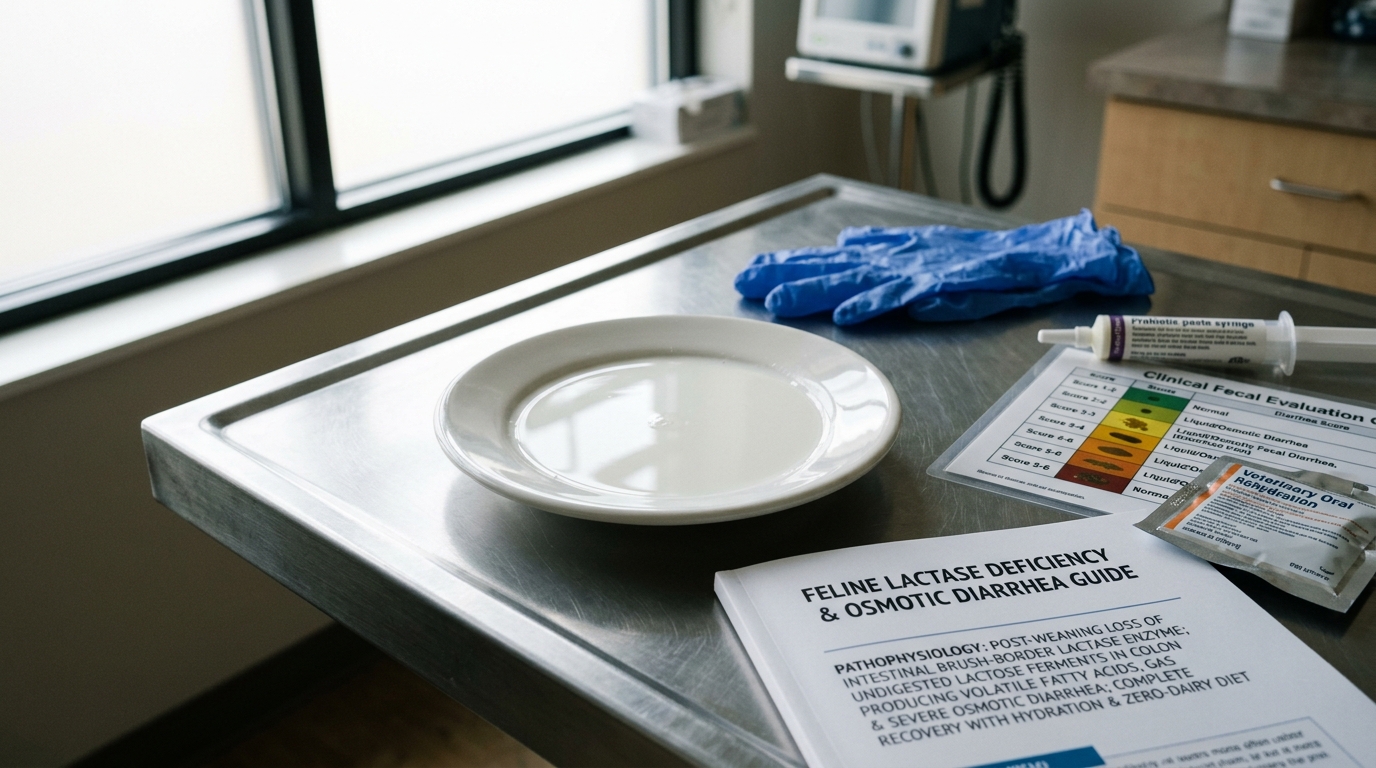
- Mechanism of Action: Adult cats lack the enzyme lactase in their intestinal tract. Unfermented lactose draws water into the colon via osmosis, while gut bacteria ferment it, creating severe gas.
Clinical Signs & Timeline
- Onset Time: Within 8 to 12 hours of ingestion.
- Primary Symptoms: Explosive liquid diarrhea, severe flatulence, abdominal cramping, vomiting, and subsequent dehydration.
Emergency Triage Protocol
HOME MONITORING / URGENT CARE
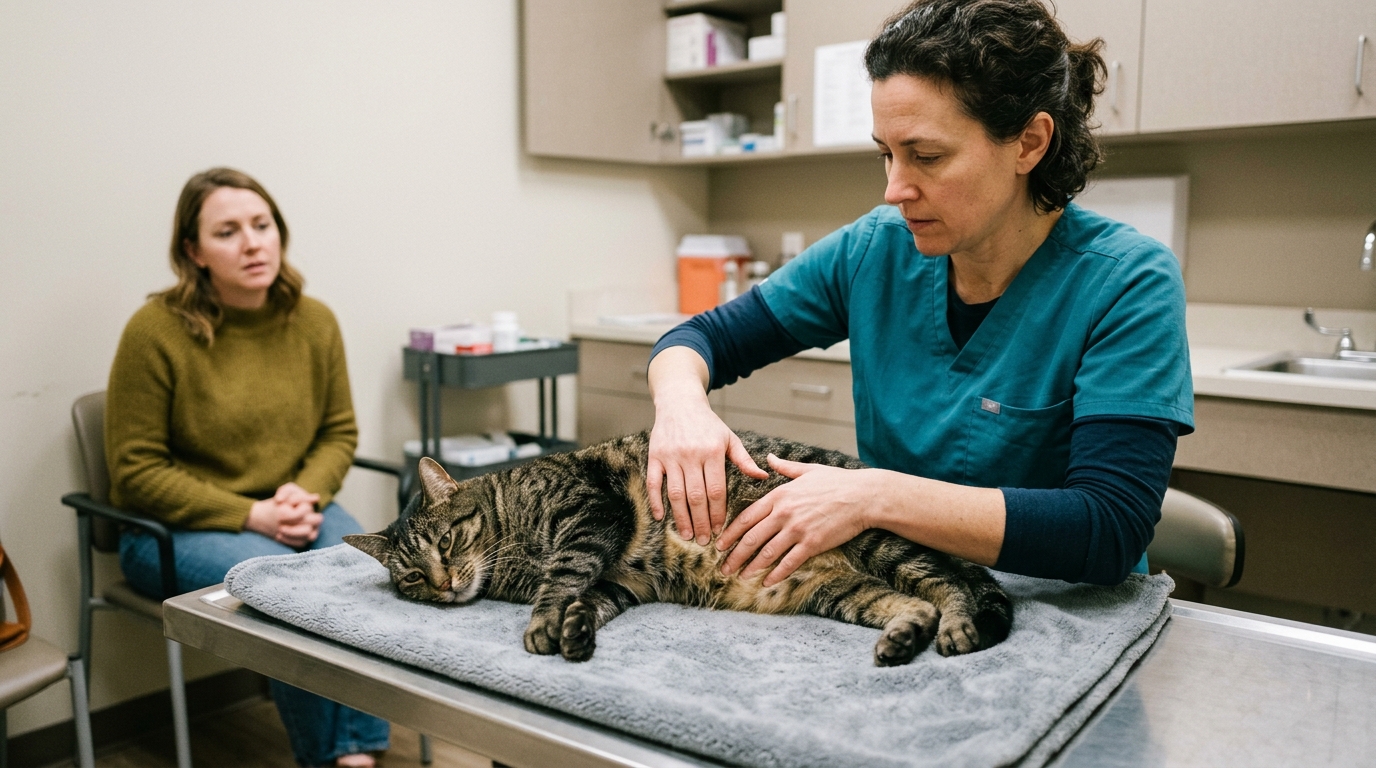
Remove milk access immediately. Provide fresh water. If liquid diarrhea persists beyond 24 hours, or the cat becomes lethargic with tacky gums, seek veterinary care for subcutaneous fluids.
Strict Rule S1 Warning
NEVER induce vomiting at home using hydrogen peroxide without direct instruction from a DVM. Inappropriate emesis can cause fatal aspiration pneumonia. Always seek professional veterinary diagnosis.
Printable tools