This guide is general education for pet owners. If your pet has urgent symptoms, possible poisoning, injury, breathing trouble, collapse, severe pain, or sudden decline, contact a licensed veterinarian or local emergency service.
Editorial standard
How this guide was prepared
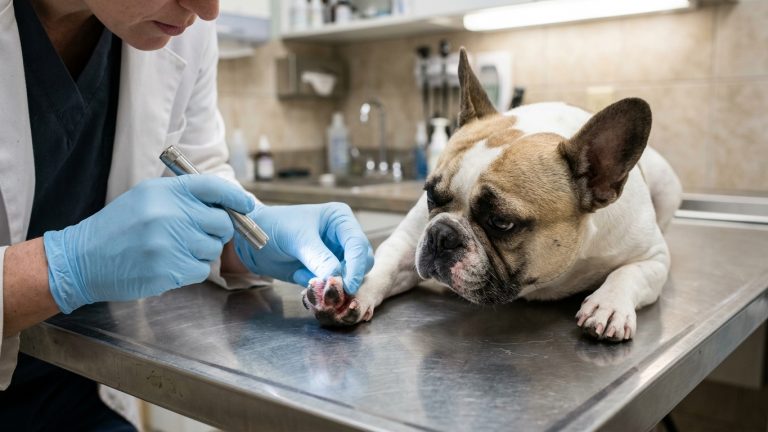
Brachycephalic dog breeds—including French Bulldogs, English Bulldogs, Pugs, Boston Terriers, Pekingese, and Cavaliers—possess a compacted craniofacial skeleton without a proportional reduction in the soft tissues of the upper airway. Unlike normocephalic dogs that dissipate over 70 percent of their metabolic heat load by passing air across expansive, damp nasal turbinate scrolls during panting, brachycephalic dogs suffer from stenotic nares, aberrant obstructive nasal conchae, an elongated thickened soft palate, and hypoplastic tracheas. When ambient temperatures exceed 72°F (22°C), relative humidity climbs above 60 percent, or confinement inside a vehicle or airline carrier induces anxiety, negative intraluminal inspiratory pressures cause rapid pharyngeal mucosal swelling, creating a vicious cycle of failed evaporative cooling, laryngeal collapse, and fatal hyperthermic asphyxiation.
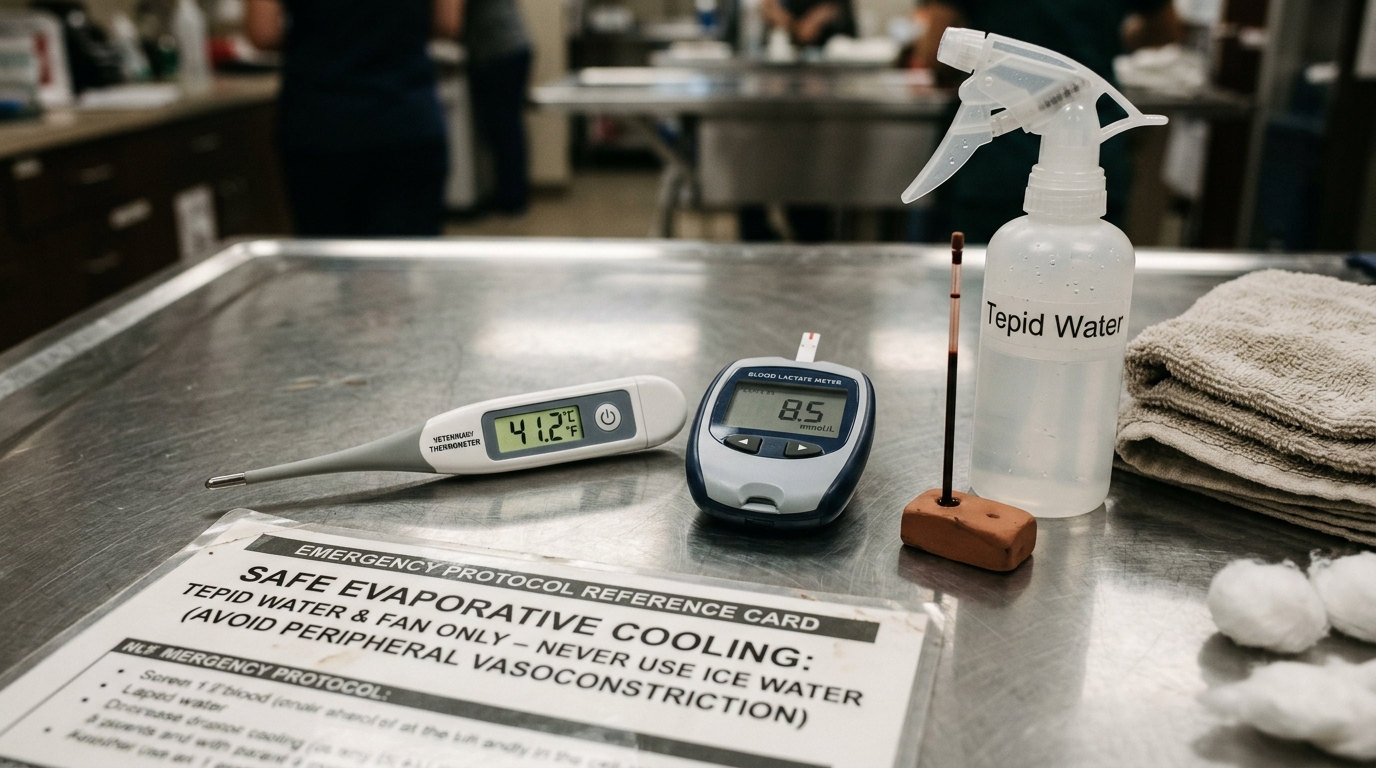
Clinical Quick Answer & Immediate Stabilization Protocol
Primary Clinical Directive for Brachycephalic Obstructive Airway Syndrome (BOAS) Thermal Crisis & Travel Asphyxiation: In brachycephalic dogs, upper airway obstruction and heatstroke are inextricably linked: as the dog pants harder to cool down, high-velocity turbulent airflow across the elongated soft palate and everted laryngeal saccules generates severe friction edema that narrows the glottic opening by 80 percent within minutes (Poiseuille’s Law, where airway resistance increases inversely to the fourth power of the radius). Recognize immediate decompensation by high-pitched inspiratory stridor (wheezing/roaring), flattened retracted lips (“smiling” grimace), orthopneic abduction of the front elbows, cyanotic or muddy tongue, and rectal temperature >104.0°F. Pre-hospital survival requires immediate anxiolytic calm, cool tap-water conductive/evaporative cooling directed by a fan (halting active cooling at 103.0°F), and rapid transport for veterinary oxygen, butorphanol/acepromazine sedation, dexamethasone, and emergency endotracheal intubation.
Poiseuille’s Law Airway Resistance, Lateral Nasal Gland Evaporative Failure & Glottic Edema
Canine thermoregulation during heat or exercise relies on the lateral nasal glands secreting serous fluid across the intricate scroll-like maxilloturbinates. When a normocephalic dog pants, air is inhaled through the nostrils (saturating and cooling via evaporation across the nasal turbinates) and exhaled through the mouth. In brachycephalic dogs withBrachycephalic Obstructive Airway Syndrome (BOAS), congenital stenotic nares and aberrant caudal nasal turbinates block nasal airflow, forcing the dog to inhale and exhale entirely through the mouth. Bypassing the nasal turbinate heat-exchanger reduces evaporative cooling efficiency by more than 60 percent even at comfortable room temperatures.
According to the Hagen-Poiseuille equation for fluid dynamics, resistance to airflow is inversely proportional to the fourth power of the airway radius (R ∝ 1/r^4). When heat or travel anxiety triggers forceful inspiratory effort, severe negative intrapharyngeal pressure sucks the elongated soft palate into the rima glottidis and pulls the mucosal lining of the laryngeal ventricles outward (everted laryngeal saccules, Stage 1 laryngeal collapse). If a 50 percent reduction in glottic radius occurs from acute friction edema, airway resistance increases 16-fold. Resulting intense respiratory muscle work generates even more endogenous heat, driving core body temperatures above 106.0°F (41.1°C) and precipitating thermal endothelial injury, disseminated intravascular coagulation (DIC), and multi-organ failure.
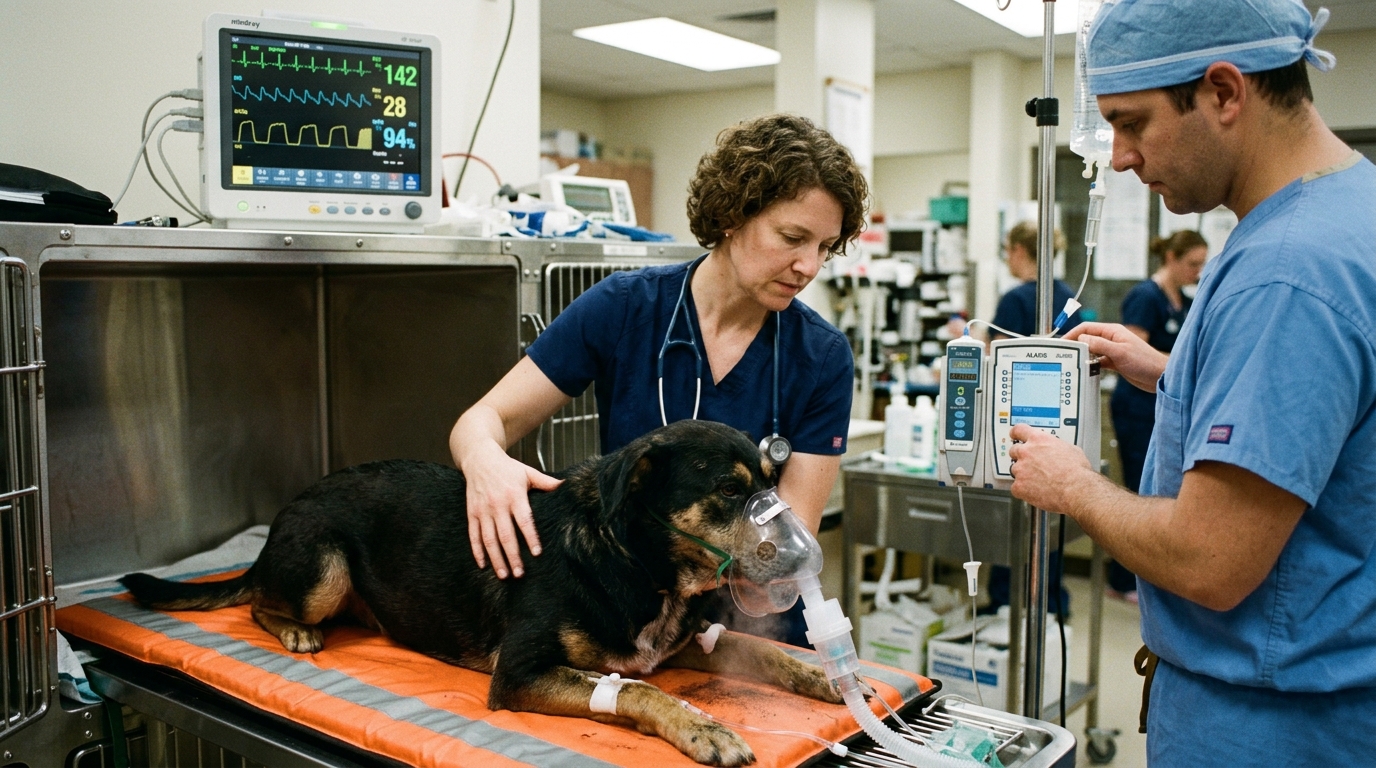
- The Wet-Towel Insulation Trap: Draping a wet bath towel over a heat-stressed French Bulldog or Pug blocks convective air movement and traps a layer of 100% humidity steaming water against the skin, accelerating core temperature rise; always pour cool running water directly through the coat to the skin while directing a fan across the body.
- Stage 1 to Stage 3 Laryngeal Collapse Progression: Chronic negative inspiratory pressure progressively weakens laryngeal cartilage rigidity, advancing from everted laryngeal saccules (Stage 1) to medial collapse of the cuneiform processes (Stage 2) and corniculate processes of the arytenoid cartilages (Stage 3).
- Vagal Hypertonia & Aspiration Pneumonia Syndrome: Extreme negative intrathoracic pressure during inspiratory dyspnea pulls gastric acid into the esophagus (gastroesophageal reflux and hiatal hernia); up to 80% of BOAS dogs have concurrent esophagitis, predisposing them to regurgitation and fatal aspiration pneumonia during thermal crises.
- Humidity Thresholds (>60–70% Relative Humidity): Because evaporative cooling stops completely when ambient air is saturated with moisture, a brachycephalic dog can suffer fatal heat exhaustion at just 74°F (23°C) on a humid summer morning or inside a poorly ventilated airline cabin under-seat carrier.
Emergency Triage Matrix: Clinical Presentation & Required Response
| Triage Level | Clinical Signs & Presentation | Immediate Action Protocol |
|---|---|---|
| Tier 1: Immediate Emergency (0–15 Minutes) | Loud high-pitched squeaking/roaring on inhalation (stridor), blue/purple or bright brick-red tongue, retracted corners of the mouth with wide panicked eyes, collapse, vomiting white foam, or rectal temp >104.5°F. | Wet the neck, chest, abdomen, and groins with cool tap water (no ice baths, no wet towels left on top), point car AC vents directly at the dog, call the ER clinic en route, and prepare for immediate veterinary sedation and intubation. |
| Tier 2: Urgent Veterinary Airway Triage (1–4 Hours) | Brachycephalic dog requiring >30 minutes to stop loud stertorous panting after a mild walk or car ride, episodes of gagging/regurgitating white foam during excitement, or sleep apnea (choking awake at night). | Keep the dog in a 65°F air-conditioned room, withhold food/water until breathing calms, and schedule an urgent veterinary airway evaluation and surgical BOAS consultation (rhinoplasty + staphylectomy). |
| Tier 3: Pre-Travel Planning & Preventive BOAS Management | Baseline brachycephalic dog with mild snoring (stertor) planning summer routines or domestic transport. | Maintain lean body condition (BCS 4/9), walk strictly before 7:00 AM or after sunset when heat index is <70°F, use only a chest harness, and choose climate-controlled ground transport or verified spacious under-seat cabin travel. |
Cool-First-Transport-Second Protocol, Anxiolytic Airway Rescue & Prophylactic BOAS Surgery
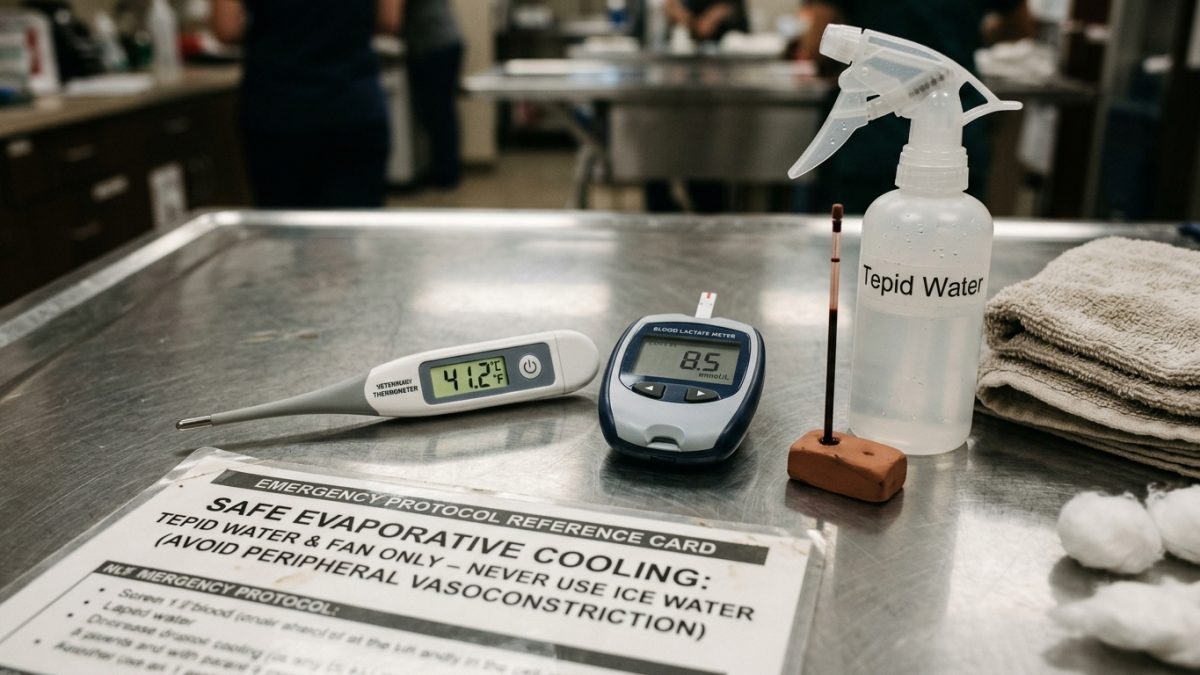
Retrospective veterinary critical care studies confirm that “Cool First, Transport Second” (initiating immediate cool tap-water immersion or conductive drenching with a fan for 3 to 5 minutes on scene before loading into an air-conditioned vehicle) cuts canine heatstroke mortality in half compared to transporting a dry, 106.5°F dog directly to the clinic. However, active cooling must be monitored with a digital rectal thermometer and stopped the instant core temperature reaches 103.0°F (39.4°C); continuing to cool a dog down to 100.0°F induces severe peripheral vasoconstriction and rebound hypothermia as cooled peripheral blood continues returning to the core.
Upon emergency hospital arrival, the single fastest life-saving intervention for a brachycephalic dog in obstructive airway crisis (who has not yet arrested) is parenteral anxiolytic sedation—typically low-dose butorphanol combined with acepromazine or dexmedetomidine—paired with flow-by oxygen and a short-acting intravenous corticosteroid (dexamethasone sodium phosphate) to shrink pharyngeal edema. Breaking the panic-driven inspiratory effort immediately slashes negative intraluminal airway pressure and restores laminar airflow; if cyanosis or Stage 3 collapse persists, rapid anesthesia induction and endotracheal intubation (or temporary tracheostomy) bypass the obstructed pharynx entirely.
- Prophylactic Surgical Correction (Rhinoplasty + Folded Flap Palatoplasty): Performing surgical wedge/alaplasty widening of stenotic nares, staphylectomy (resection of the elongated soft palate), and sacculectomy between 8 and 18 months of age dramatically reduces lifelong heatstroke risk and prevents secondary cartilage collapse.
- Body Condition Score (BCS 4/9) Mandate: Every 10% excess body fat in a Pug or Bulldog deposits adipose tissue directly into the pharyngeal walls, tongue base, and mediastinum, reducing tidal lung volume and tripling the risk of thermal decompensation.
- Airline & Transit Carrier Ventilation Architecture: Never sedate a brachycephalic dog with acepromazine or high-dose depressants inside an unattended travel carrier (as muscle relaxation lets the soft palate occlude the airway); use a four-sided rigid-mesh ventilated carrier with battery-operated clip fans and travel only during cool morning flights.
- Post-Heatstroke 48-Hour Organ Surveillance: Even if a heat-stressed Bulldog wakes up and breathes normally within 2 hours of cooling, hospitalized monitoring for 24 to 48 hours is essential because delayed acute kidney injury, GI mucosal sloughing, and coagulopathy (DIC) typically manifest 12 to 36 hours post-insult.
Strict Rule S1 Clinical Red Flags: Brachycephalic Obstructive Airway Syndrome (BOAS) Thermal Crisis & Travel Asphyxiation
Critical safety boundaries for Canine (Canis lupus familiaris — French Bulldogs, English Bulldogs, Pugs & Boston Terriers) caregivers:
- Zero Checked Airline Cargo Flights for Flat-Faced Breeds: Never ship a French Bulldog, English Bulldog, Pug, Boston Terrier, or Persian cat in an airplane cargo hold or unattended commercial pet transport van; tarmac temperatures routinely exceed 95°F and trigger fatal obstructive asphyxiation.
- Zero Wet-Towel Draping or Ice-Water Plunges: Never cover an overheating dog’s back with a wet towel (which traps radiant heat) and never pack ice packs tightly over the entire body (which constricts skin blood vessels and prevents core heat from escaping).
Clinical Preparation & Biosecurity Action Checklist
- Calculate the combined Heat Index before every walk: if the ambient temperature (°F) plus the relative humidity (%) exceeds 130 (or if temperature exceeds 72°F / 22°C for a Bulldog or Pug), cancel outdoor exercise.
- Carry a collapsible bowl, 1 liter of cool water, and a fast-reading digital thermometer in your daypack or vehicle whenever traveling with a brachycephalic dog.
- Consult a veterinary surgeon before your brachycephalic dog turns 2 years old to evaluate whether stenotic nares widening and soft palate resection are indicated.
- Use an escape-proof Y-front chest harness—never a neck collar or slip lead—to avoid compressing a hypoplastic trachea.
Related Clinical Guides & Triage Protocols
Peer-Reviewed Clinical References & Evidence Grounding
- Dogs with brachycephalic skull morphology have a sharply increased risk of heat-related illness compared to mesocephalic breeds (opens in new tab) (Scientific Reports / Nature (2020) — Large-scale VetCompass epidemiological study by Hall, Carter & O’Neill indexed on NCBI PubMed (PMID: 32555210).)
- Characterization of brachycephalic obstructive airway syndrome in breeds using whole-body barometric plethysmography (opens in new tab) (PLOS ONE (2016) — Peer-reviewed clinical respiratory physiology study by Liu et al. (Cambridge BOAS Research Group) indexed on NCBI PubMed (PMID: 26854043).)
- AVMA Clinical Guidance: Traveling With Your Pet & Brachycephalic Air Travel Risks (opens in new tab) (American Veterinary Medical Association clinical safety guidelines on brachycephalic airway vulnerability during air and vehicle travel.)
- American College of Veterinary Surgeons (ACVS): Brachycephalic Syndrome Pathophysiology & Surgical Correction (opens in new tab) (Board-certified surgical college reference on stenotic nares, elongated soft palate, laryngeal collapse, and thermal emergency stabilization.)
Source transparency
Reference mix for this guide
Source labels classify the institutional category of the references cited above.