This guide is general education for pet owners. If your pet has urgent symptoms, possible poisoning, injury, breathing trouble, collapse, severe pain, or sudden decline, contact a licensed veterinarian or local emergency service.
Dosages must be calculated by a licensed veterinarian based on species, weight, and bloodwork. Never administer human medications or self-adjust prescription doses for pets.
Editorial standard
How this guide was prepared
Canine parvovirus type 2 (CPV-2a, CPV-2b, and CPV-2c variants) is a small, non-enveloped, single-stranded DNA virus exhibiting extreme tropism for mitotically active host tissues. Upon oronasal exposure to contaminated feces or fomites, viral replication begins in regional lymphoid tissues before viremic dissemination targets the intestinal crypts of Lieberkühn, bone marrow myeloid progenitors, and neonatal myocardium. Because non-enveloped parvoviral capsids resist alcohol hand sanitizers, quaternary ammonium cleansers, and seasonal freezing, surviving an outbreak requires both aggressive hospital resuscitation and rigorous household chemical decontamination.
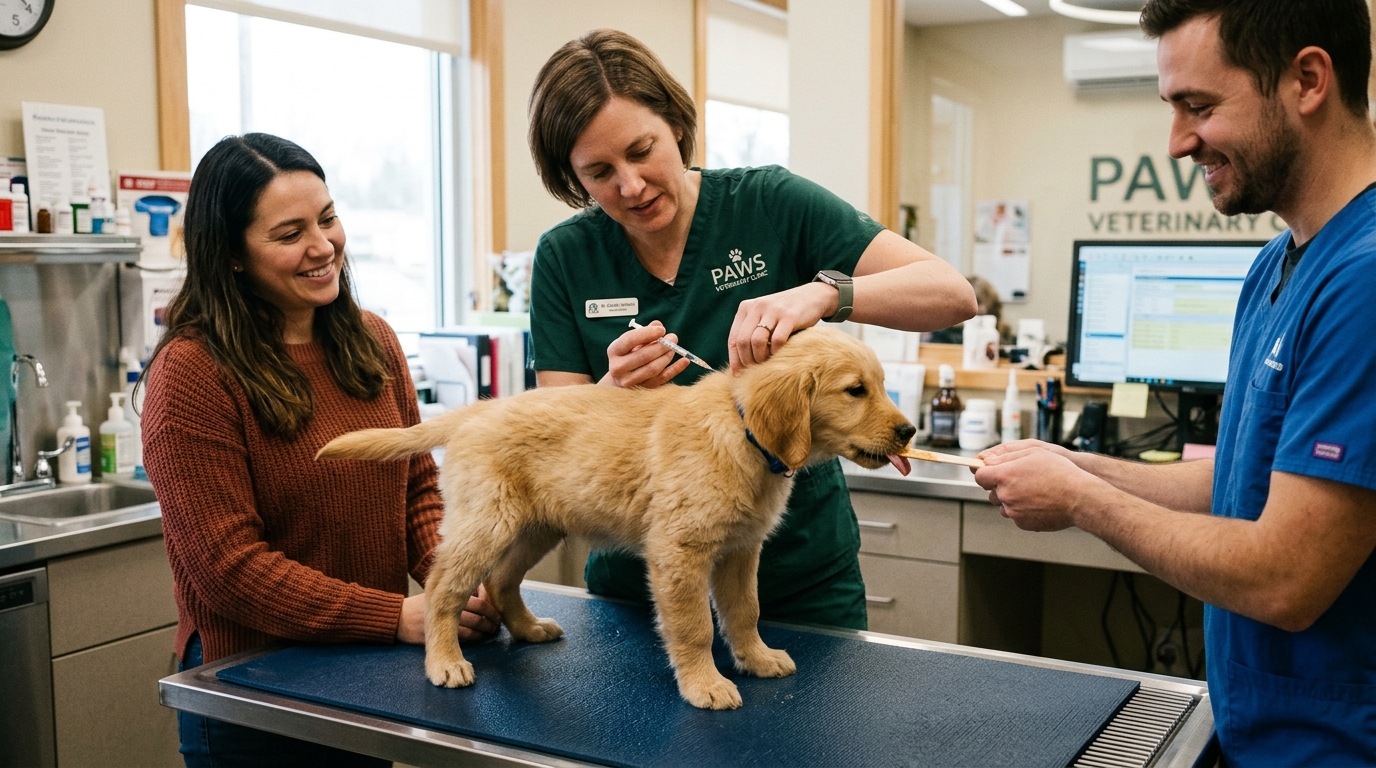
Clinical Quick Answer & Immediate Stabilization Protocol
Primary Clinical Directive for Canine Parvoviral Hemorrhagic Enteritis (CPV-2a/2b/2c): Puppies between 6 and 20 weeks of age experiencing acute lethargy, anorexia, intractable vomiting, and foul-smelling hemorrhagic diarrhea require immediate emergency veterinary hospitalization. CPV-2 simultaneously strips the intestinal absorptive barrier and depletes circulating neutrophils, creating a lethal intersection of hypovolemic shock, hypoglycemia, and gram-negative endotoxemia. While the puppy is hospitalized on intravenous crystalloids, broad-spectrum bactericidal antibiotics, and maropitant, caregivers must decontaminate hard household surfaces using a freshly diluted 1:30 sodium hypochlorite solution or accelerated potassium peroxymonosulfate (Virkon-S) with a minimum 10-minute wet contact time.
Viral Tropism, Crypt Epithelial Destruction & Neutropenic Sepsis
Unlike coronaviruses or rotaviruses that infect mature enterocytes at the villous tips, Canine Parvovirus Type 2 requires host cellular DNA polymerases active only during the S-phase of mitosis. Consequently, the virus selectively invades and lyses the germinal epithelial cells lining the base of the intestinal crypts of Lieberkühn. As normal villous enterocytes slough at the apex without replacement from below, intestinal villi become severely blunted, fused, and denuded within 72 to 96 hours post-infection.
Simultaneously, viral replication inside bone marrow hematopoietic stem cells and lymphopoietic tissues destroys proliferating myeloblasts and lymphocytes. The resulting profound panleukopenia and neutropenia peak precisely when collimated intestinal mucosal breakdown permits enteric bacteria—predominantly Escherichia coli and Clostridium perfringens—to translocate across the lamina propria into the portal and systemic circulation.
- Transferrin Receptor Binding (TfR): CPV-2 capsid proteins bind specifically to canine transferrin receptors on rapidly dividing crypt enterocytes and lymphoid cells, mediating clathrin-dependent endocytosis.
- Colloid Osmotic Collapse: Massive exudation of plasma proteins into the ulcerated intestinal lumen rapidly drops serum albumin below 2.0 g/dL, diminishing intravascular oncotic pressure and compounding third-space fluid losses.
- Maternal Antibody Interference Window: Maternally derived colostral antibodies (MDA) can neutralize modified-live vaccine antigens while remaining insufficient to block virulent field strains between 8 and 16 weeks of age.
- Myocardial Form in Neonates: In puppies infected in utero or under 3 weeks of age lacking maternal immunity, rapid cardiomyocyte division attracts viral replication, triggering acute non-suppurative myocarditis and sudden congestive heart failure.
Emergency Triage Matrix: Clinical Presentation & Required Response
| Triage Level | Clinical Signs & Presentation | Immediate Action Protocol |
|---|---|---|
| Tier 1: Immediate Emergency (0–1 Hour) | Profuse bloody liquid diarrhea with characteristic metallic fetid odor, repeated bilious vomiting, pale or muddy gums, prolonged capillary refill time (>2.5 seconds), hypothermia (<99.0°F), or lateral recumbency. | Call the emergency veterinary hospital ahead from the parking lot for curbside infectious isolation intake; initiate immediate IV bolus resuscitation, dextrose supplementation, and broad-spectrum parenteral antibiotics. |
| Tier 2: Urgent Same-Day Evaluation (1–4 Hours) | Unvaccinated or partially vaccinated puppy (<6 months) with sudden refusal of food, depressed demeanor, single episode of vomiting, or soft mucoid stool following recent park, shelter, or kennel exposure. | Isolate the puppy from all other household dogs immediately and schedule an urgent veterinary appointment for cage-side fecal ELISA antigen testing and baseline packed cell volume / total solids. |
| Tier 3: Post-Discharge Biosecurity & Recovery | Recovering CPV-2 survivor discharged from hospital with resolving soft stool, active appetite, and normal hydration, requiring ongoing viral shedding containment. | Maintain strict quarantine away from unvaccinated canines for 4 weeks post-recovery, bathe the puppy before re-entry, and disinfect hard surfaces with 1:30 bleach or potassium peroxymonosulfate. |
Diagnostic Confirmation, Inpatient Resuscitation & Environmental Virucidal Protocols
Cage-side fecal enzyme-linked immunosorbent assays (ELISA) detect CPV-2 capsid antigen with high specificity, though sensitivity can transiently decline 5 to 7 days after clinical onset when intestinal antibodies complex with luminal virions. Recent vaccination with a modified-live CPV-2 vaccine can produce weak false-positive fecal antigen or PCR signals 4 to 10 days post-administration; however, true virulent infection is readily distinguished by concurrent severe leukopenia (<2,000–3,000 cells/µL), lymphopenia, hypoalbuminemia, hypokalemia, and ultrasonographic small-intestinal corrugation with fluid-filled atonic loops.
Because CPV-2 virions remain infectious in shaded organic soil and indoor carpet fibers for 6 to 12 months, standard household cleaners (pine oil, quaternary ammonium compounds, vinegar, and 70% isopropyl alcohol) fail to inactivate the viral capsid. Effective environmental eradication requires mechanical removal of all organic fecal matter with detergent followed by oxidative virucidal application.
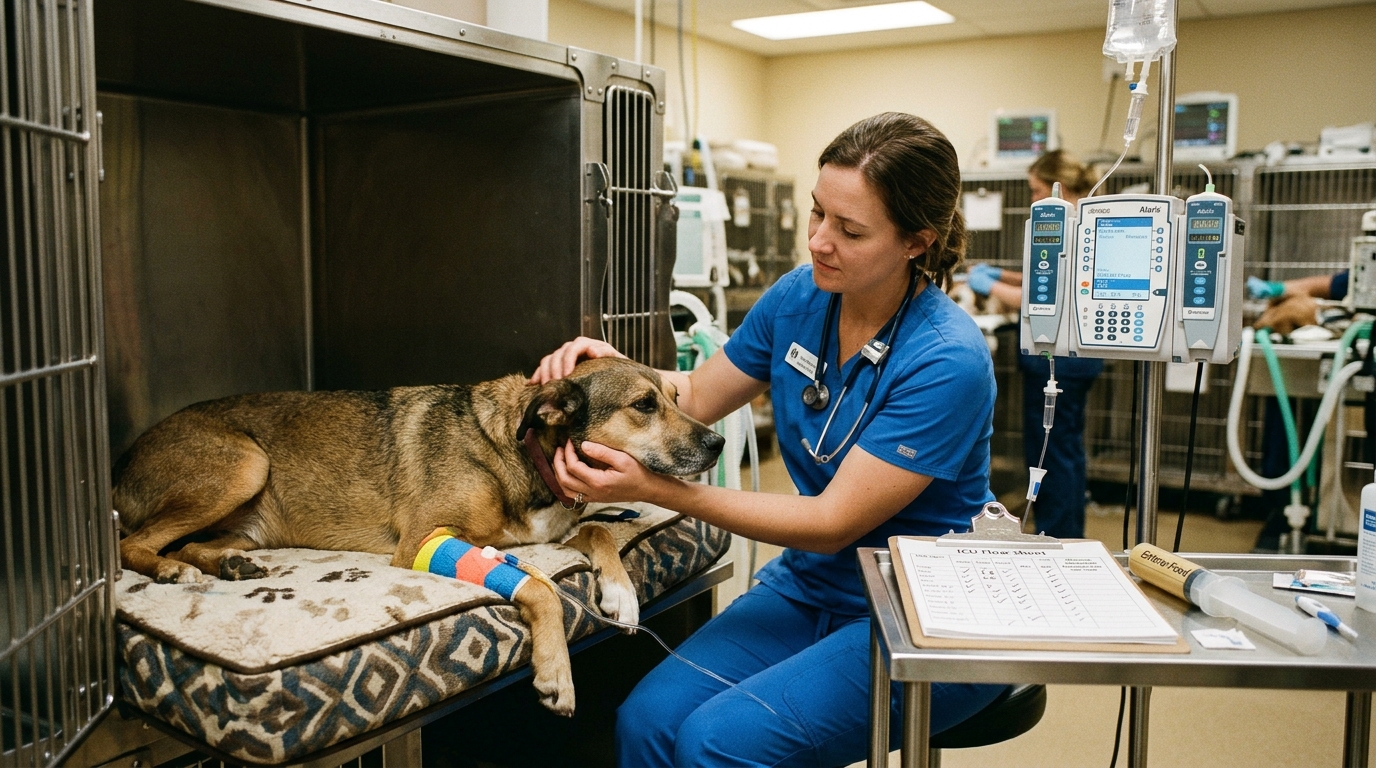
- Balanced Crystalloid & Potassium Repletion: Intravenous Lactated Ringer’s or Normosol-R supplemented with potassium chloride (guided by serial serum electrolyte panels) corrects severe hypokalemic ileus and metabolic acidosis.
- Early Enteral Micro-Nutrition: Placing a nasoesophageal feeding tube to deliver veterinary-titrated trickle infusions of monomeric or polymeric liquid diets within 12–24 hours of admission preserves enterocyte tight junctions and reduces hospital stay duration.
- Canine Parvovirus Monoclonal Antibody (CPMA): Single-dose intravenous passive immunotherapy binds extracellular CPV-2 virions prior to cellular entry, accelerating clinical resolution when administered early in the disease course.
- Sodium Hypochlorite & Peroxymonosulfate Chemistry: Apply a 1:30 dilution of household sodium hypochlorite bleach (approx. 1,500–2,000 ppm free chlorine) or 1% potassium peroxymonosulfate to non-porous surfaces for at least 10 minutes before rinsing.
Strict Rule S1 Clinical Red Flags: Canine Parvoviral Hemorrhagic Enteritis (CPV-2a/2b/2c)
Critical safety boundaries for Canine (Canis lupus familiaris — Unvaccinated Puppies & Adolescent Dogs) caregivers:
- Zero Antidiarrheal Motility Blockers: Never give loperamide, diphenoxylate, or human bismuth salicylate compounds to a parvoviral puppy; slowing intestinal transit traps bacterial endotoxins against ulcerated crypts and precipitates fatal septic shock.
- Zero Unprotected Clinic Lobby Entry: Never carry a suspected parvo puppy into a general veterinary waiting room; remain inside your vehicle and telephone the reception desk so technicians in personal protective equipment can transport the dog directly into an isolation ward.
Clinical Preparation & Biosecurity Action Checklist
- Record the exact dates, vaccine brands, and lot numbers of all prior puppy immunization boosters to share with the admitting veterinarian.
- Pre-clean all soiled concrete, tile, and crate surfaces with soap and water before applying a 1:30 household bleach or Virkon-S solution for a full 10-minute wet contact time.
- Discard inexpensive porous items (cardboard, plush bedding, rope toys) in sealed double plastic bags rather than attempting laundry decontamination.
- Prohibit bringing any new unvaccinated puppy into a previously contaminated yard or home for at least 6 to 12 months unless complete vaccination immunity is confirmed.
Related Clinical Guides & Triage Protocols
Peer-Reviewed Clinical References & Evidence Grounding
- Canine parvovirus: current perspective on pathogenesis, diagnosis, and clinical management (opens in new tab) (Research in Veterinary Science (2016) — Peer-reviewed clinical review indexed on NCBI PubMed (PMID: 27686190).)
- Effect of early enteral nutrition on intestinal permeability, intestinal protein loss, and outcome in dogs with severe parvoviral enteritis (opens in new tab) (Journal of Veterinary Internal Medicine (2003) — Peer-reviewed clinical trial indexed on NCBI PubMed (PMID: 14584742).)
- WSAVA Global Vaccination Guidelines for the Vaccination of Dogs and Cats (opens in new tab) (World Small Animal Veterinary Association consensus clinical guidelines on core CPV-2 immunization and maternal antibody interference.)
- Merck Veterinary Manual: Canine Parvovirus Infection (opens in new tab) (Verified veterinary clinical reference on CPV-2 pathophysiology, electrolyte resuscitation, and environmental disinfection.)
Source transparency
Reference mix for this guide
Source labels classify the institutional category of the references cited above.