Health and Safety Boundary
Jump to Emergency Red Flags ↓
This guide is general education for pet owners. If your pet has urgent symptoms, possible poisoning, injury, breathing trouble, collapse, severe pain, or sudden decline, contact a licensed veterinarian or local emergency service.
Editorial standard
How this guide was prepared
Edited for decisions
NewsPet guides are structured around practical owner choices, tradeoffs, and safety boundaries.
Source policy
Sources are listed when a guide relies on outside references.
Veterinary boundary
This article does not diagnose or prescribe; urgent symptoms need veterinary care.
Corrections
Readers can flag unclear, outdated, or inaccurate information through our contact page.
Dog Ate Sago Palm: Cycasin Toxicity & Liver Failure Triage
Clinical Verdict: EXTREMELY FATAL (~50% Mortality Rate)
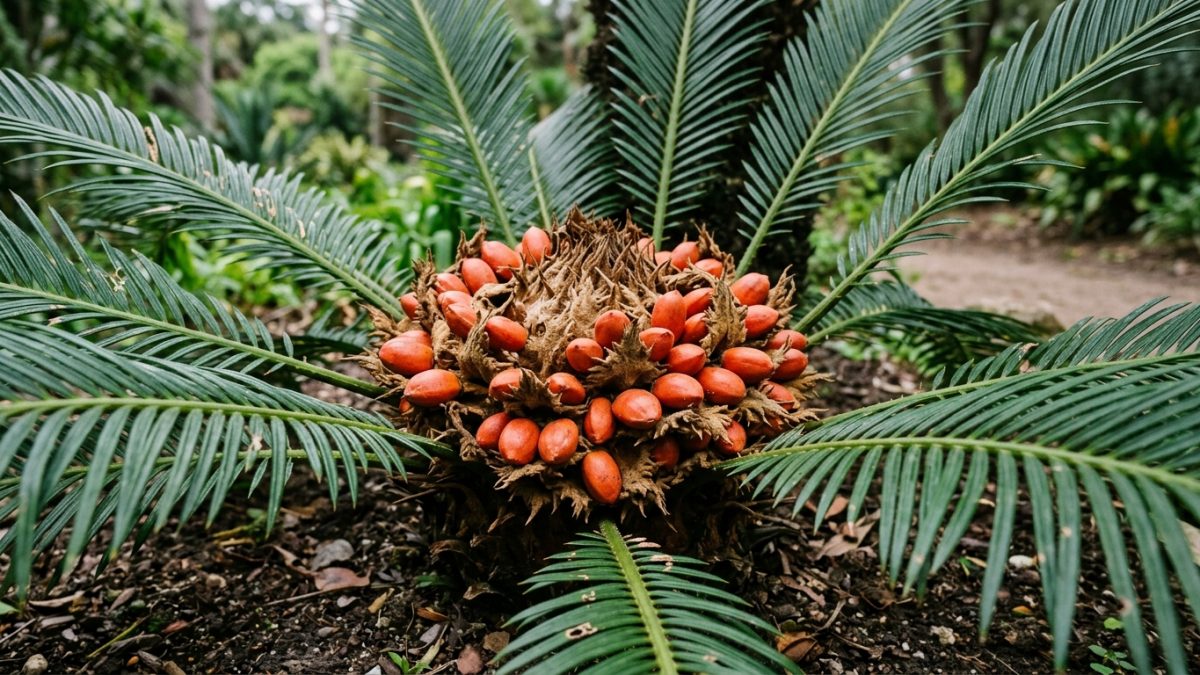
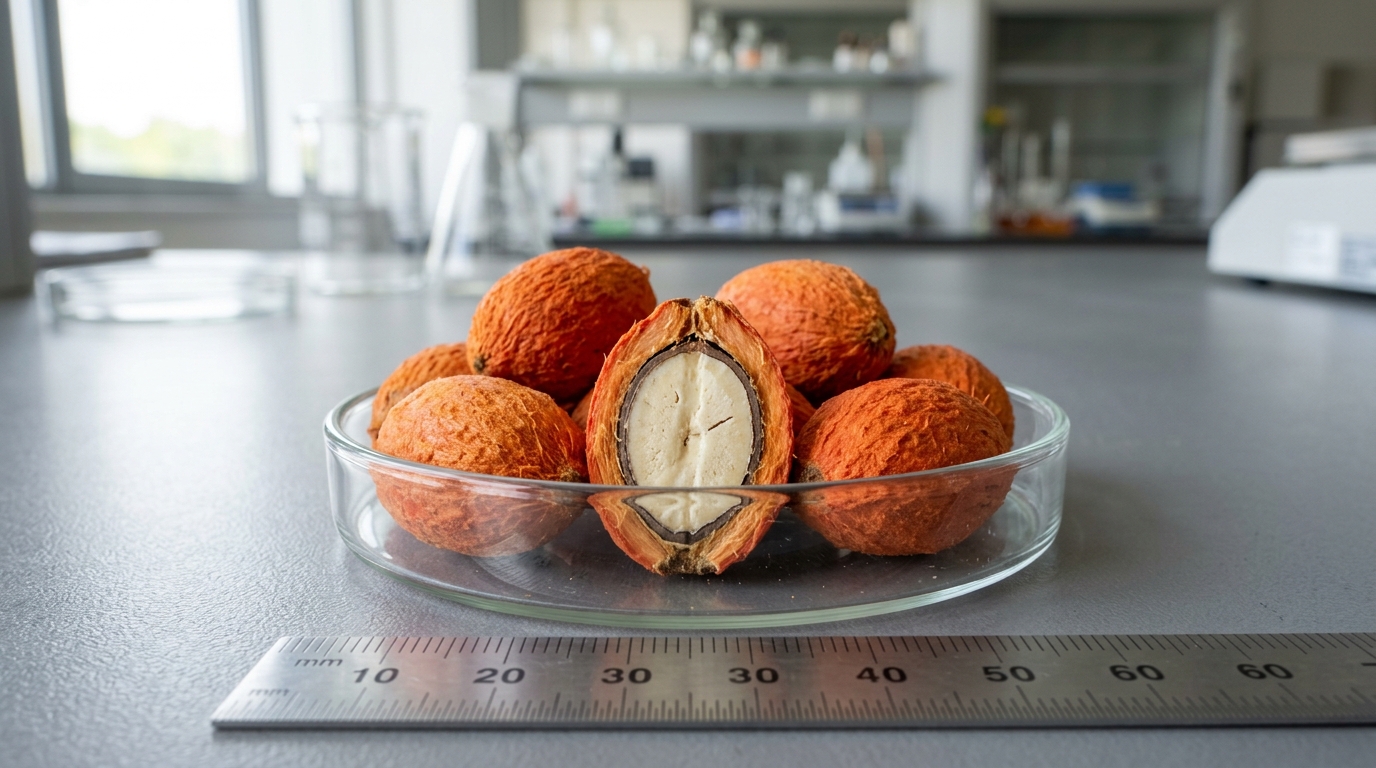
Dogs CANNOT chew or ingest any part of a Sago Palm. It is one of the deadliest plants for canines. All parts—especially the female seeds—contain cycasin, which causes devastating acute liver failure and bleeding disorders.
Toxic Mechanism & Chemical Agent
- Toxic Agent: Cycasin (Hydrolyzed into Methylazoxymethanol / MAM) and BMAA
- Mechanism of Action: MAM is a potent hepatotoxin and carcinogen that causes centrilobular coagulative hepatic necrosis, depletes hepatic glutathione, and induces disseminated intravascular coagulation (DIC).
Clinical Signs & Staged Timeline
- Onset Time: GI signs within 15 minutes to 4 hours; Fulminant liver failure and bleeding in 24 to 72 hours.
- Primary Symptoms: Vomiting, bloody diarrhea, extreme weakness, icterus (yellow skin/eyes), spontaneous bruising, melena, ascites (abdominal fluid), hepatic encephalopathy (coma).
Emergency Triage Protocol
IMMEDIATE ER VISIT (Every Minute Counts)
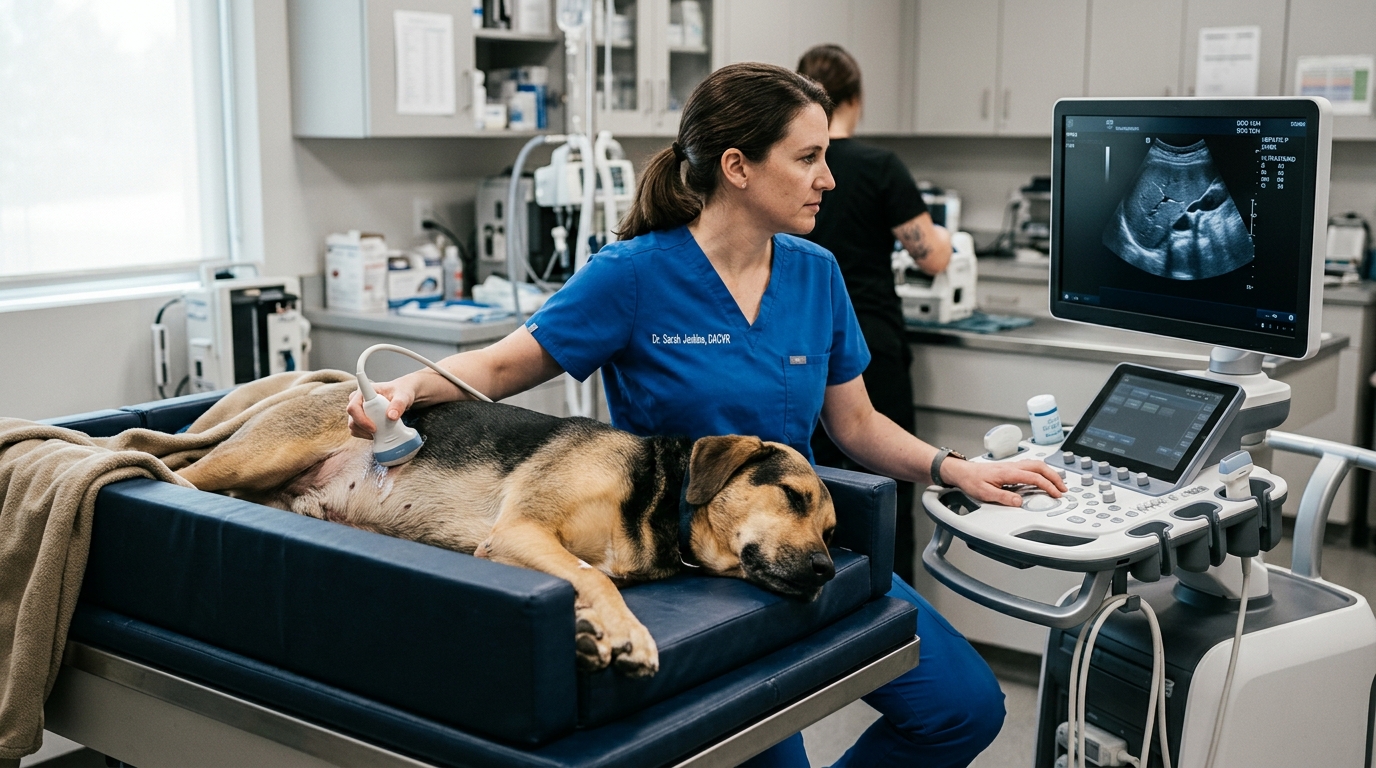
Aggressive, immediate decontamination. Even with intensive care (IV plasma, hepatoprotectants like SAMe and silymarin, Vitamin K1, and anti-seizure therapy), the mortality rate remains roughly 50%.
Strict Rule S1 Warning
NEVER induce vomiting at home using hydrogen peroxide without direct instruction from a DVM. Inappropriate emesis can cause fatal aspiration pneumonia, esophageal chemical burns, or gastric rupture. Always seek professional veterinary diagnosis.
Printable tools