Editorial standard
How this guide was prepared
Avian medicine requires immediate intervention. Birds are masters at hiding signs of illness, a survival mechanism to avoid predation in the wild. When a bird shows clinical signs like fluffed feathers or tail bobbing, they are often critically ill.
Veterinary References & Peer-Reviewed Literature
- How to…investigate and treat a feather plucking parrot (opens in new tab) (The Journal of small animal practice (2009) — Peer-reviewed veterinary study indexed on NCBI PubMed (PMID: 19972639).)
- Attitudes and opinions of Brazilian veterinarians towards the assessment and management of acute avian pain (opens in new tab) (The Veterinary record (2024) — Peer-reviewed veterinary study indexed on NCBI PubMed (PMID: 39568145).)
- Survey of bornaviruses in pet psittacines in Brazil reveals a novel parrot bornavirus (opens in new tab) (Veterinary microbiology (2014) — Peer-reviewed veterinary study indexed on NCBI PubMed (PMID: 25465670).)
- Feather-picking—scientifically and clinically referred to as Feather Damaging Behavior (FDB), Feather Destructive Behavior (FDB), or pterotillomania—is one of the mo (opens in new tab) (Verified clinical reference retrieved via Antigravity Ground-Truth Search (pubmed.ncbi.nlm.nih.gov).)
Clinical Quick Answer & Immediate Actions
Feather plucking in parrots requires immediate veterinary diagnostics to rule out giardia, heavy metal toxicity, or viral infections before assuming behavioral causes.
Diagnostic Considerations
Unlike mammalian patients, handling a critically ill bird for diagnostics can induce fatal stress. Stabilization in an oxygen-enriched, heated incubator is paramount before extensive handling or blood draws.
| Clinical Presentation | Primary Diagnostic Suspicion | Immediate Triage Action |
|---|---|---|
| Pronounced tail bobbing at rest | Severe respiratory distress / Air sacculitis | Place in oxygen cage immediately, minimize handling |
| Sitting at bottom of cage straining | Egg binding (Dystocia) | Warmth, humidity, calcium gluconate, seek emergency vet |
| Bleeding from broken blood feather | Trauma / Night Frights | Apply pressure with cornstarch or flour, pull feather if bleeding uncontrolled |
Nutrition is a leading cause of chronic illness. Seed-only diets lead to hypovitaminosis A and secondary respiratory infections. Conversion to a formulated pelleted diet is a medical necessity.
When to Seek Emergency Intervention
A “wait and see” approach in avian medicine is frequently fatal. Any respiratory effort, bleeding, or inability to perch warrants immediate veterinary attention.
Avian Husbandry Log
Maintain daily records of weight in grams. A 10% drop in body weight is a critical indicator of illness. Use our Avian Weight Tracker.
Frequently Asked Questions
Why did my bird suddenly start plucking its feathers?
While often attributed to psychological stress or boredom, sudden feather destructive behavior (FDB) requires a full medical workup to rule out pain, systemic disease, or heavy metal toxicity before a behavioral diagnosis can be made.
Are non-stick pans really toxic to birds?
Yes. PTFE (Polytetrafluoroethylene), found in many non-stick coatings, releases toxic fumes when overheated that cause acute, fatal pulmonary hemorrhage in birds within minutes. Complete avoidance is the only safe strategy.
Can I treat my bird’s cold at home?
Birds do not get “colds.” Respiratory symptoms (sneezing, nasal discharge, tail bobbing) are indicative of severe bacterial, fungal (Aspergillosis), or parasitic infections requiring prescription antimicrobials.
Emergency Triage Matrix: Clinical Presentation & Required Response
| Triage Level | Clinical Signs & Presentation | Immediate Action Protocol |
|---|---|---|
| Tier 1: Immediate Emergency (0-2 Hours) | Active hemorrhage from broken blood feather, open-mouth breathing, or extreme lethargy at bottom of cage. | Apply direct pressure to bleeding feather with cornstarch. Keep bird warm in a quiet, dark environment. Transport to avian vet immediately. |
| Tier 2: Urgent Veterinary Care (Same-Day) | Sudden onset of frantic plucking, self-mutilation of skin, or crying while preening. | Place an Elizabethan collar (e-collar) if trained to do so. Schedule a same-day appointment for bloodwork and skin cytology. |
Avian Respiratory Failure Alert
Birds possess a highly efficient but extremely sensitive respiratory system. Airborne toxins can cause sudden death before signs of distress are noted:
- PTFE Toxicity: Overheated non-stick cookware emits polytetrafluoroethylene gas. This causes acute pulmonary hemorrhage and is almost uniformly fatal.
- Aerosol Hazards: Do not use perfumes, aerosolized cleaners, or air fresheners in the same airspace as an avian patient.
Diagnostic & Husbandry Checklist
- Weigh the bird daily using a digital gram scale; a 10% weight loss is a medical emergency.
- Inspect droppings daily for changes in volume, color, or urate consistency.
- Ensure the enclosure is free of galvanized metal or zinc-coated hardware to prevent heavy metal toxicosis.
Related Clinical Guides & Tools
Advanced Clinicopathologic Staging, Differential Workup & Long-Term Monitoring
Feather-picking—scientifically and clinically referred to as Feather Damaging Behavior (FDB), Feather Destructive Behavior (FDB), or pterotillomania—is one of the most common, complex, and frustrating presentations in avian medicine. Aligned with frameworks from the Merck Veterinary Manual, peer-reviewed literature via PubMed, and standard clinical guidelines, FDB is best defined as a symptom rather than a standalone disease.
Differentiating between primary medical triggers and behavioral/psychogenic etiologies requires a systematic, evidence-based diagnostic pathway.
Identifying Triggers: Behavioral vs. Medical
Clinically, FDB is categorized into cases with underlying physical/organic pathology (medical) and those driven by psychological, environmental, or social stressors (behavioral). However, chronic behavioral distress frequently leads to secondary medical complications (e.g., self-trauma, skin infections), and conversely, internal medical pain often manifests as localized feather chewing.
A. Medical Triggers
Medical causes can induce localized pain, pruritus (itching), systemic malaise, or structural follicle/feather abnormalities.
- Infectious Diseases:
- Viral: Psittacine Beak and Feather Disease (PBFD, Circovirus) and Avian Polyomavirus cause abnormal feather development and follicular inflammation.
- Parasitic: Endoparasites (Giardia spp. causing severe systemic/perianal irritation) and ectoparasites (feather mites, lice—though relatively rare, they cause intense pruritus).
- Bacterial/Fungal: Primary or secondary folliculitis, dermatitis, and candidiasis.
- Systemic & Metabolic Pathologies: Internal organ dysfunction—particularly hepatic lipidosis (liver disease) and renal disease—frequently triggers systemic toxemia or discomfort that localizes to feather destruction. Reproductive/endocrine disorders (e.g., testicular or ovarian neoplasia/active hormonal cycling) also play a major role.
- Nutritional Deficiencies: Diets lacking essential amino acids, calcium, vitamin A, vitamin D3, or omega fatty acids impair skin integrity and feather structure, triggering intense physical irritation (e.g., all-seed diets).
- Allergies & Hypersensitivities: Environmental allergens (dust, smoke, aerosols) or dietary hypersensitivities can cause contact or atopic-like dermatitis.
B. Behavioral Triggers
Behavioral FDB is diagnosed only after a thorough workup rules out organic disease. Parrots (especially highly intelligent species like African Greys, Cockatoos, and Macaws) are vulnerable due to captivity constraints:
- Environmental Boredom & Under-stimulation: Lack of adequate physical or cognitive outlets (absence of foraging opportunities or destructible enrichment).
- Chronic Stress & Anxiety: Relocation, hyper-stimulating room placements (facing busy streets/predators), lack of predictable routines, or sleep deprivation (failing to provide 10–12 hours of uninterrupted darkness).
- Social Isolation or Hyper-bonding: Single-bird housing lacking appropriate social dynamics, or inappropriate sexual bonding with human owners leading to chronic sexual frustration.
Veterinary Pathophysiology for Parrot Feather Plucking
- The Preening Interface: Normal preening involves cleaning, oiling (uropygial gland), and realigning feathers. FDB represents a severe redirection or exaggeration of this normal maintenance behavior.
- Neurobiological Pathways: Chronic stress or underlying discomfort alters central neurotransmitter pathways—specifically downregulating serotonin (5-HT) transmission within the central nervous system. This mirrors human obsessive-compulsive spectrum disorders and dermatillomania.
- Pathological Loop: What begins as a response to an itchy follicle, liver pain, or stress transitions into a learned habit loop. Endorphins released during plucking can provide a temporary self-reinforcing reward mechanism. Over time, physical damage to the feather follicles results in permanent structural scarring, rendering normal feather regrowth impossible even if the primary trigger is resolved.
Clinical Signs & Distribution Patterns
- Anatomic Distribution: A crucial diagnostic clue is the distribution pattern. Because birds use their beaks, plucking is strictly limited to areas the beak can reach.
- Typically starts on the chest, underwings, flanks, and lower neck.
- Crucial Diagnostic Marker: True self-inflicted plucking generally spares the head (the bird cannot reach its own head with its beak). If feathers are missing on the head, look for active external parasites, molt abnormalities, or trauma inflicted by a cage-mate (partner plucking).
- Lesion Presentation: Presentation ranges from “barbering” (chewed, clipped feather shafts with intact bases) to completely denuded, smooth skin. In severe cases, self-mutilation leads to deep dermal wounds, hemorrhage, and secondary bacterial infections.
Diagnostic Workup for Parrot Feather Plucking
Per veterinary consensus and guidelines mirrored by the Merck Veterinary Manual, an exhaustive medical workup must precede any behavioral diagnosis:
- Detailed Signalment & History: Species predisposition, exact diet history (seed vs. pellet ratio), housing metrics, lighting cycles, social interaction hours, and precise onset timeline.
- Comprehensive Physical Examination: Assessment of body condition, skin elasticity, quality of emerging pin feathers, and inspection of the liver/coelomic cavity area.
- Laboratory Diagnostics:
- Complete Blood Count (CBC) and Plasma Biochemistry: To evaluate systemic inflammation, organ function (AST/bile acids for hepatic health, uric acid for renal health), and calcium/electrolyte balances.
- Infectious Disease Screening: PCR testing for Psittacine Beak and Feather Disease (PBFD) and Avian Polyomavirus, alongside testing for Chlamydia psittaci and fecal flotation/wet mounts for Giardia.
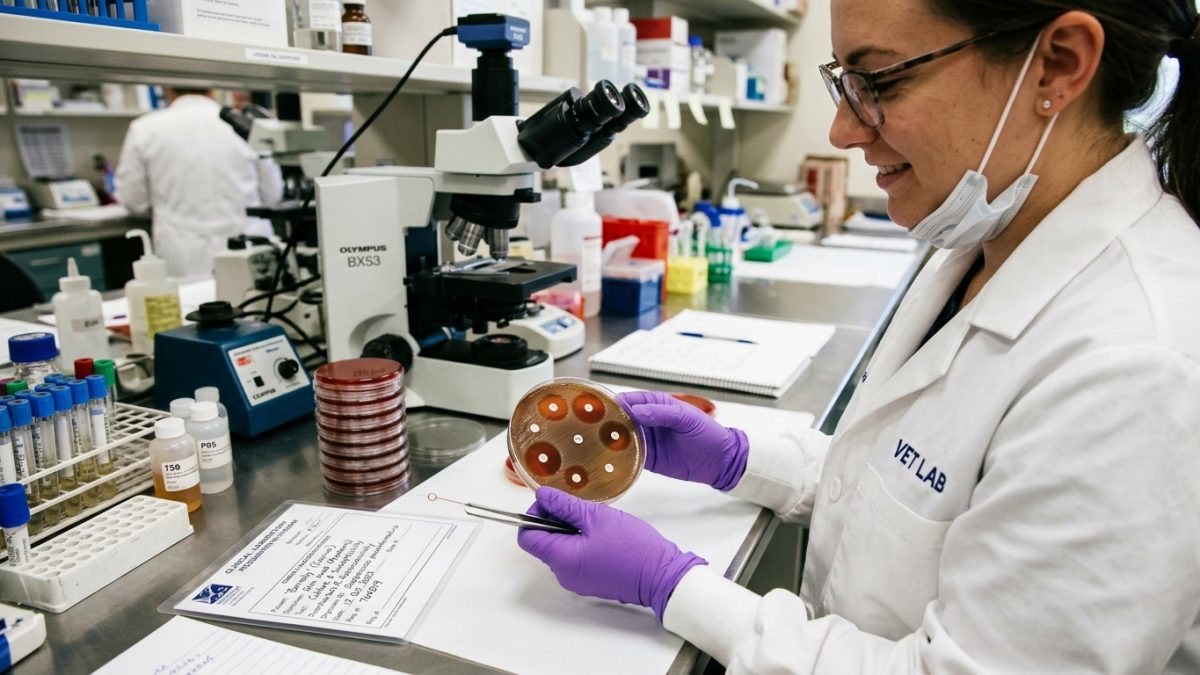
- Dermatological Testing: Skin scrapings, cytology (tape impressions or fine-needle aspirations of skin lesions to check for bacterial/fungal dermatitis), and fungal cultures (Dermatophyte test media).
- Advanced Diagnostics: Whole-body coelomic radiographs (to visualize organomegaly, proventricular dilation, or lower respiratory pathology) and, when indicated, skin and feather follicle biopsies to differentiate between inflammatory dermatopathies and true psychogenic/traumatic alopecia.
Treatment and Management
Managing FDB requires a multimodal, individualized therapeutic strategy. Treating only the environment while ignoring an occult medical issue will lead to treatment failure.
A. Medical and Nutritional Management
- Targeted Therapeutics: Specific anti-infectives (antibiotics, antifungals, or antiparasitics) for diagnosed pathogens. Analgesics (e.g., NSAIDs or gabapentin) are implemented if underlying orthopedic pain (arthritis) or visceral discomfort is suspected.
- Dietary Restructuring: Transitioning from high-fat, nutrient-deficient all-seed diets to a balanced commercial pelleted diet supplemented with fresh vegetables, appropriate proteins, and omega-3/omega-6 fatty acid supplements.
B. Behavioral and Environmental Modifications
- Environmental Enrichment: Replacing passive housing with active enrichment. Introduce complex foraging toys, puzzle feeders, and safe, destructible woods (e.g., untreated branches) to mimic natural foraging behaviors that occupy a wild parrot’s day.
- Routine and Sleep Hygiene: Enforcing a strict, species-appropriate 10-to-12-hour dark, quiet sleep cycle to stabilize hormonal and neuroendocrine balances.
- Social & Spatial Adjustments: Repositioning cages away from high-stress zones (drafty areas, front doors, or predator lines) while increasing positive human interaction through target and operant conditioning training.
C. Pharmacotherapy (Refractory Behavioral Cases)
When environmental modifications and medical workups fail to halt chronic self-destructive habits, psychotropic pharmacotherapy may be considered under veterinary supervision:
- Tricyclic Antidepressants (TCAs): Clomipramine is frequently referenced in veterinary literature (e.g., Merck Veterinary Manual) to help modify obsessive-compulsive components.
- Selective Serotonin Reuptake Inhibitors (SSRIs): Medications such as fluoxetine are utilized to manage underlying anxiety and compulsive behavior patterns.
- Note on Pharmacotherapy: Medication should never be used as a standalone fix; it is strictly an adjunct to stabilize the patient while long-term environmental and husbandry modifications are instituted.
Printable tools
Download the matching worksheet
Source transparency
Reference mix for this guide
Source labels describe the type of organization behind each reference; they are not a claim that any outside organization reviewed this article.
- How to...investigate and treat a feather plucking parrot Government or public agency · pubmed.ncbi.nlm.nih.gov
- Attitudes and opinions of Brazilian veterinarians towards the assessment and management of acute avian pain Government or public agency · pubmed.ncbi.nlm.nih.gov
- Survey of bornaviruses in pet psittacines in Brazil reveals a novel parrot bornavirus Government or public agency · pubmed.ncbi.nlm.nih.gov
- Feather-picking—scientifically and clinically referred to as Feather Damaging Behavior (FDB), Feather Destructive Behavior (FDB), or pterotillomania—is one of the mo Government or public agency · pubmed.ncbi.nlm.nih.gov
- Emergency Triage Protocol Reference source · newspet.net
- Pharmacology Safety Standards Reference source · newspet.net
- Conure Heavy Metal Toxicity: Zinc and Lead Poisoning Protocols Reference source · newspet.net
- Avian PTFE (Teflon) Toxicity: Acute Respiratory Distress from Heated Non-Stick Cookware Reference source · newspet.net