This guide is general education for pet owners. If your pet has urgent symptoms, possible poisoning, injury, breathing trouble, collapse, severe pain, or sudden decline, contact a licensed veterinarian or local emergency service.
Dosages must be calculated by a licensed veterinarian based on species, weight, and bloodwork. Never administer human medications or self-adjust prescription doses for pets.
Editorial standard
How this guide was prepared
Feline Chronic Gingivostomatitis (FCGS) and Feline Tooth Resorption (TR, historically termed FORLs) are two of the most excruciating, frequently overlapping oral pain syndromes in feline medicine. Affecting up to 10 percent of domestic cats, FCGS is an aberrant, hyper-reactive CD8+ T-cell and lymphoplasmacytic immune response against subgingival dental plaque antigens, chronic Feline Calicivirus (FCV) shedding, and comorbid retroviral dysregulation. Simultaneously, over 30 to 60 percent of adult cats develop progressive odontoclastic tooth resorption—a destructive process in which host multinucleated odontoclasts resorb cementum and dentin from the root outward until raw pulp chambers are exposed at the gumline. Because chronic depot corticosteroid injections yield diminishing relief while promoting diabetes mellitus, surgical extraction of all premolar/molar or full-mouth dentition guided by intraoral dental radiography remains the definitive gold standard.
Clinical Quick Answer & Immediate Stabilization Protocol
Primary Clinical Directive for Feline Chronic Gingivostomatitis (FCGS) & Feline Odontoclastic Resorptive Lesions (Tooth Resorption): The pathognomonic anatomical landmark that distinguishes Feline Chronic Gingivostomatitis (FCGS) from routine gingivitis or periodontitis is Caudal Stomatitis: cobblestone-like, friable, bleeding ulceroproliferative inflammation extending beyond the mucogingival junction onto the palatoglossal folds (lateral to the palatine tonsils at the back of the throat). In contrast, Tooth Resorption classically presents as a bright pink triangle of hyperplastic gingiva growing into a dissolved enamel defect on the mandibular third premolar (tooth 307 or 407) that triggers an involuntary “jaw chatter” spasm when touched under anesthesia. Definitive cure or clinical remission in 70 to 80 percent of FCGS cats is achieved through surgical extraction of all premolars and molars (or full-mouth extraction) with complete ultrasonic debridement of every retained root tip.
Caudal Palatoglossal Mucositis, Caliciviral Co-Infection & Type 1 vs. Type 2 Tooth Resorption
In a cat with FCGS, the mucosal immune barrier loses immunologic tolerance to minimal dental plaque biofilm and viral antigens persisting inside tonsillar crypts and periodontal pockets. Biopsies of affected caudal oral mucosa reveal dense submucosal infiltrates of plasma cells, CD8+ cytotoxic T-lymphocytes, mast cells, and Mott cells alongside elevated mucosal expression of Toll-like receptors (TLR2, TLR7) and pro-inflammatory cytokines (IL-1β, IL-6, TNF-α, and IFN-γ). Over 70 to 90 percent of FCGS patients actively shed Feline Calicivirus (FCV) from the oropharynx, and surgical removal of the tooth-periodontium interface eliminates the subgingival plaque reservoir that continuously triggers this mucosal immune cascade.
Feline Tooth Resorption operates via a distinct cellular mechanism classified radiographically by the American Veterinary Dental College (AVDC) into three types: Type 1 Resorption (focal root radiolucency with an intact, visible dark periodontal ligament space and normal root density—typically associated with periodontal inflammation and FCGS, requiring complete surgical root extraction), Type 2 Resorption (dentoalveolar ankylosis in which osteoclastic resorption replaces root dentin with bone, obliterating the periodontal ligament space into a “ghost root”—allowing intentional crown amputation with root retention when zero periapical pathology or stomatitis is present), and Type 3 Resorption (both Type 1 and Type 2 features present in different roots of the same multi-rooted tooth).
- Caudal Mucositis vs. Juvenile Hyperplastic Gingivitis: Adolescent cats (6–12 months) can develop exuberant gingival overgrowth confined strictly to the attached gingiva around teeth without crossing the mucogingival line; true FCGS crosses the mucogingival junction onto the buccal mucosa and caudal palatoglossal arches.
- Mandatory Full-Mouth Intraoral Dental Radiographs: Up to 42% of odontoclastic resorptive lesions and over 80% of retained fractured root tips are completely invisible on visual oral inspection; performing FCGS extractions without pre- and post-extraction dental X-rays leaves behind antigenic root fragments that guarantee treatment failure.
- Why Crown Amputation Is Forbidden in FCGS Patients: Even if a tooth shows Type 2 resorption, crown amputation (leaving resorbing root tissue embedded in alveolar bone) is strictly contraindicated in any cat with FCGS or FeLV/FIV; every cubic millimeter of periodontal ligament and root cementum must be surgically extracted and alveoloplasty performed.
- Refractory Post-Extraction Stomatitis (20–30% of Cases): Roughly 70–80% of FCGS cats achieve complete cure or drug-free clinical remission within 4 to 12 weeks after full-mouth or caudal extractions; the remaining 20–30% refractory cohort requires targeted medical immunomodulation (oral cyclosporine microemulsion, recombinant feline interferon-omega, or mesenchymal stem cell therapy).
Emergency Triage Matrix: Clinical Presentation & Required Response
| Triage Level | Clinical Signs & Presentation | Immediate Action Protocol |
|---|---|---|
| Tier 1: Immediate Emergency (0–4 Hours) | Complete refusal of all food and water for >48 hours, thick ropes of blood-stained saliva dripping from the chin, unkempt matted coat from inability to groom, dehydration, or yellow ears/gums (incipient hepatic lipidosis). | Transport immediately to a veterinary hospital for intravenous fluid rehydration, multimodal parenteral analgesia (buprenorphine + robenacoxib/gabapentin), hepatic lipidosis screening, and esophagostomy tube support prior to dental surgery. |
| Tier 2: Urgent Veterinary Dental Evaluation (24–72 Hours) | Cat approaches the food bowl eagerly but cries out, hisses at the food, tilts its head steeply to chew on one side, drops kibble, exhibits severe halitosis, or chatters its lower jaw when yawning. | Schedule a veterinary consultation for transmucosal buprenorphine/gabapentin pain control, retroviral FeLV/FIV + baseline bloodwork, and booking of an anesthetized COHAT with full-mouth dental radiographs. |
| Tier 3: Post-Extraction Healing & Edentulous Nutrition | Post-operative cat recovering from full-mouth or premolar-molar extractions with absorbable monofilament gingival sutures in place. | Feed smooth room-temperature canned pate exclusively for 14 days, administer prescribed buprenorphine/gabapentin on schedule, prevent pawing at the mouth, and note that toothless cats can comfortably eat both wet and dry food once gums heal. |
Surgical Mucoperiosteal Flap Extraction, Multimodal Analgesia & Refractory Cyclosporine Protocols
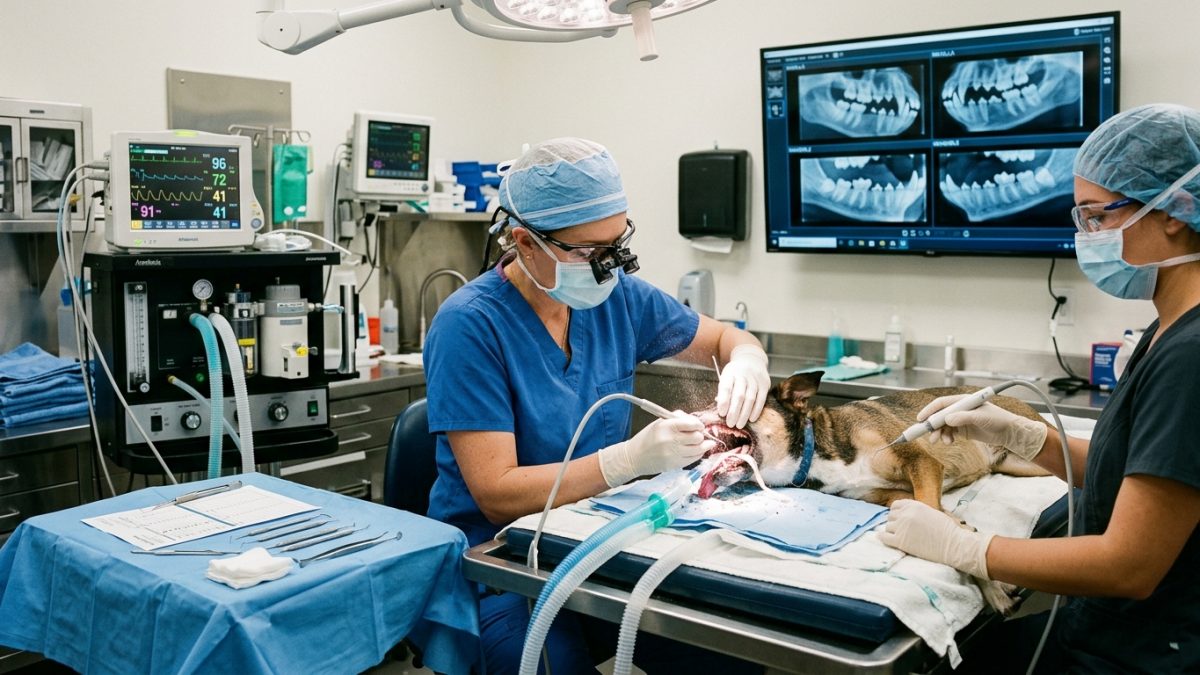
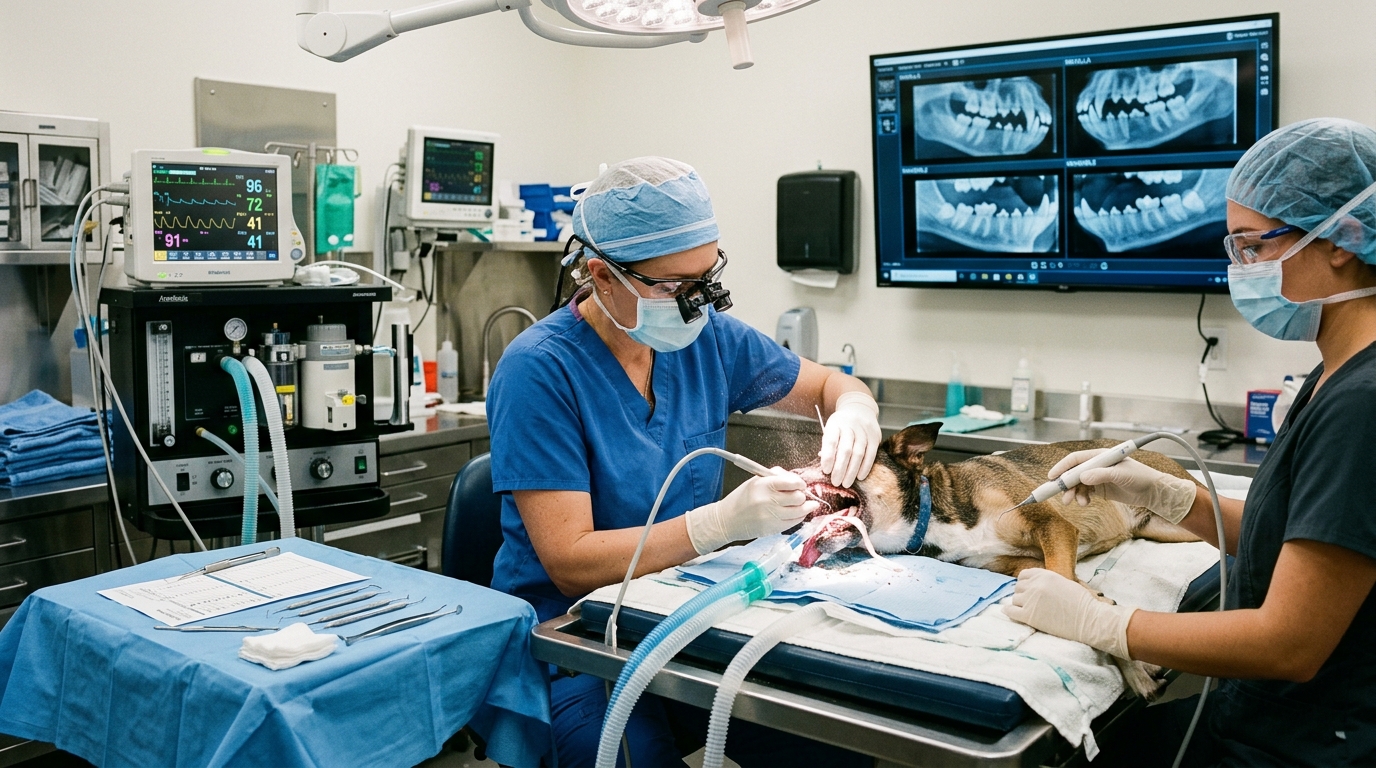
Successful surgical resolution of FCGS demands meticulous oral surgery performed under general anesthesia with cuffed endotracheal intubation, pharyngeal packing, and regional local anesthetic nerve blocks (bupivacaine or ropivacaine infraorbital and inferior alveolar mandibular blocks). The surgeon elevates full-thickness mucoperiosteal flaps, sections multi-rooted premolars and molars with a high-speed water-cooled diamond or carbide bur, elevates all roots intact, performs diamond-bur alveoloplasty to smooth sharp alveolar bone margins and remove every trace of inflamed periodontal ligament, and verifies 100% root tip removal via post-operative intraoral radiographs before closing tension-free with 5-0 absorbable monofilament poliglecaprone-25 sutures.
In patients that have been repeatedly treated with long-acting depot glucocorticoids (such as methylprednisolone acetate) prior to referral, response to surgical extraction is significantly blunted and wound dehiscence rates rise. Perioperative pain is managed via a multimodal protocol combining transmucosal or injectable buprenorphine (or a transdermal buprenorphine solution), oral gabapentin for neuropathic wind-up pain, and a short 3-to-6-day course of a cat-approved NSAID (such as robenacoxib) once normotensive hydration and renal parameters are verified—never concurrently with corticosteroids.
- Do Toothless Cats Starve? The Edentulous Reality: Domestic cats use scissor-like carnassial teeth to shear prey, not flat molars to grind grain; once painful inflamed teeth are extracted and the gingiva heals into a smooth firm ridge over 14 days, edentulous cats gain weight rapidly and happily swallow both wet pate and dry kibble whole.
- Post-Extraction Radiography Audit for Refractory Cases: When a cat continues to have caudal oral inflammation 60 days after dental extractions performed elsewhere, the first diagnostic step is full-mouth dental radiography, which uncovers retained root fragments in over 75% of referred failure cases.
- Cyclosporine Microemulsion for True Refractory FCGS: Once retained root tips are excluded via dental X-rays, cats with persistent caudal mucositis respond well to oral modified cyclosporine (Atopica, targeting whole-blood trough levels of 300 ng/mL) or low-dose prednisolone tapered to the lowest effective dose.
- Bilateral Unilateral Lesion Symmetry Rule: Because odontoclastic tooth resorption (especially on mandibular third premolars 307 and 407) frequently occurs symmetrically on both sides of the jaw, identifying one visual lesion mandates full-mouth X-rays of all 30 adult feline teeth.
Strict Rule S1 Clinical Red Flags: Feline Chronic Gingivostomatitis (FCGS) & Feline Odontoclastic Resorptive Lesions (Tooth Resorption)
Critical safety boundaries for Feline (Felis catus — Adult, Senior & Calicivirus-Carrier Domestic Cats) caregivers:
- Zero Home Brushing on Ulcerated Stomatitis Gums: Never attempt to push a toothbrush or finger brush into the mouth of a cat with active FCGS or bleeding tooth resorption; mechanical abrasion on exposed dentin pulp or ulcerated palatoglossal folds causes excruciating pain and permanently destroys caregiver trust.
- Zero Repeated Depot Steroid Shots Without Surgical Plan: Repeated methylprednisolone acetate (Depo-Medrol) injections suppress mucosal T-cell immunity, promote rampant FCV viral replication, reduce post-surgical cure rates, and frequently induce iatrogenic feline diabetes mellitus and congestive heart failure.
Clinical Preparation & Biosecurity Action Checklist
- Verify that the veterinary hospital performing your cat’s dental procedure is equipped with digital intraoral dental radiography and obtains both pre- and post-extraction X-rays.
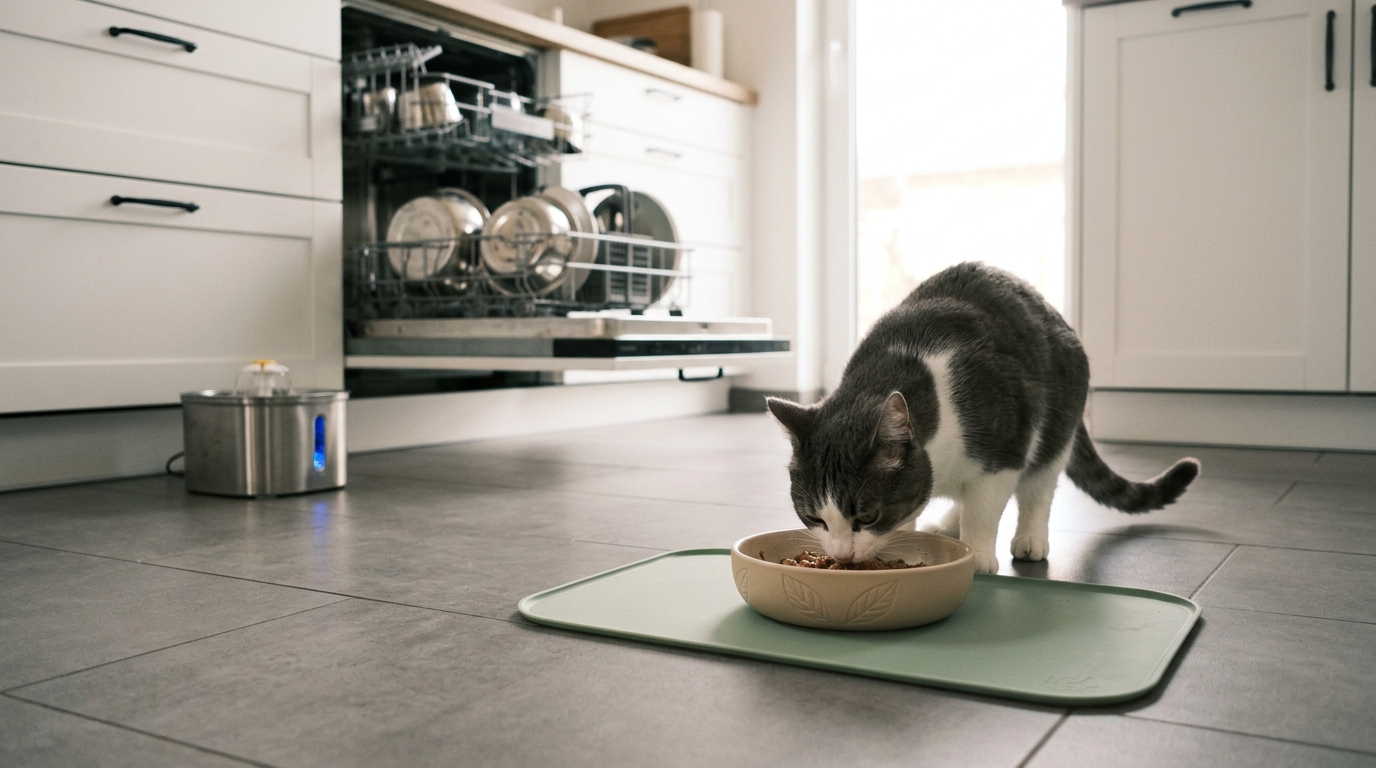
- Switch your cat immediately from hard dry kibble to lukewarm, smooth-textured canned pate or mousse mixed with a splash of warm water while awaiting dental surgery.
- Request multimodal pain relief (such as oral gabapentin and transmucosal buprenorphine) to bridge your cat comfortably until the scheduled surgical extraction date.
- Never combine an NSAID (robenacoxib/Onsior or meloxicam) with prednisolone or within 5–7 days of a steroid dose; confirm a strict washout window with your veterinarian.
Related Clinical Guides & Triage Protocols
Peer-Reviewed Clinical References & Evidence Grounding
- Feline chronic gingivostomatitis: current concepts in clinical management and surgical extraction outcomes (opens in new tab) (Journal of Feline Medicine and Surgery (2016) — Peer-reviewed veterinary dentistry review by Winer, Arzi & Verstraete indexed on NCBI PubMed (PMID: 26943919).)
- 2019 AAHA Dental Care Guidelines for Dogs and Cats (opens in new tab) (Journal of the American Animal Hospital Association (2019) — AAHA Consensus Guidelines on mandatory full-mouth intraoral radiography and tooth resorption management (PMID: 31311441).)
- Cornell Feline Health Center: Feline Tooth Resorption and Chronic Gingivostomatitis (opens in new tab) (Institutional veterinary reference on Type 1 vs Type 2 odontoclastic resorption and surgical extraction standards.)
- Merck Veterinary Manual: Feline Chronic Gingivostomatitis and Dental Resorption in Small Animals (opens in new tab) (Verified veterinary clinical reference on caudal stomatitis pathology, full-mouth extraction, and immunomodulatory therapy.)
Source transparency
Reference mix for this guide
Source labels classify the institutional category of the references cited above.