Health and Safety Boundary
Jump to Emergency Red Flags ↓
This guide is general education for pet owners. If your pet has urgent symptoms, possible poisoning, injury, breathing trouble, collapse, severe pain, or sudden decline, contact a licensed veterinarian or local emergency service.
Veterinary Medication & Dosage Boundary
Dosages must be calculated by a licensed veterinarian based on species, weight, and bloodwork. Never administer human medications or self-adjust prescription doses for pets.
Editorial standard
How this guide was prepared
Edited for decisions
NewsPet guides are structured around practical owner choices, tradeoffs, and safety boundaries.
Source policy
Sources are listed when a guide relies on outside references.
Veterinary boundary
This article does not diagnose or prescribe; urgent symptoms need veterinary care.
Corrections
Readers can flag unclear, outdated, or inaccurate information through our contact page.
Dog Ate Ibuprofen (Advil): Gastric Ulcers & Renal Triage
Clinical Verdict: HIGHLY FATAL (Low Toxic Margin)
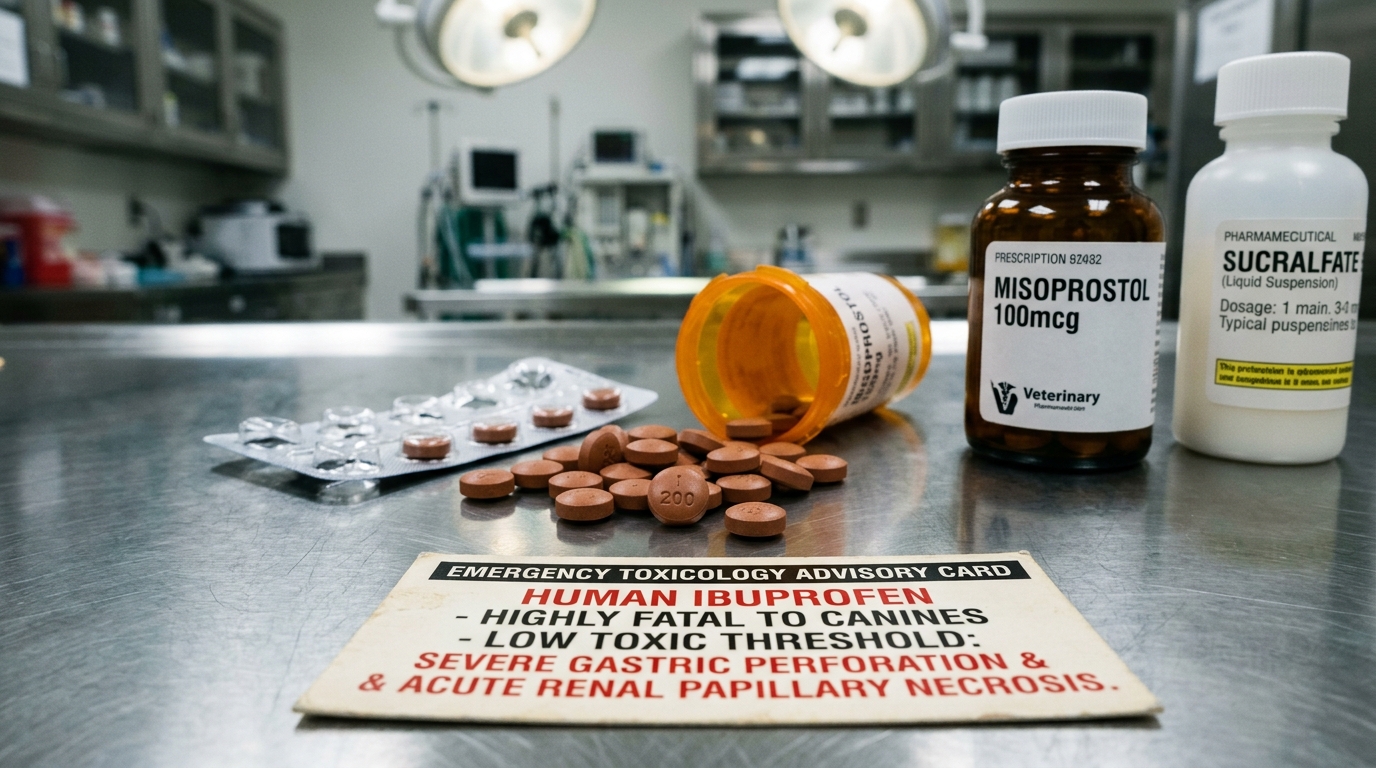
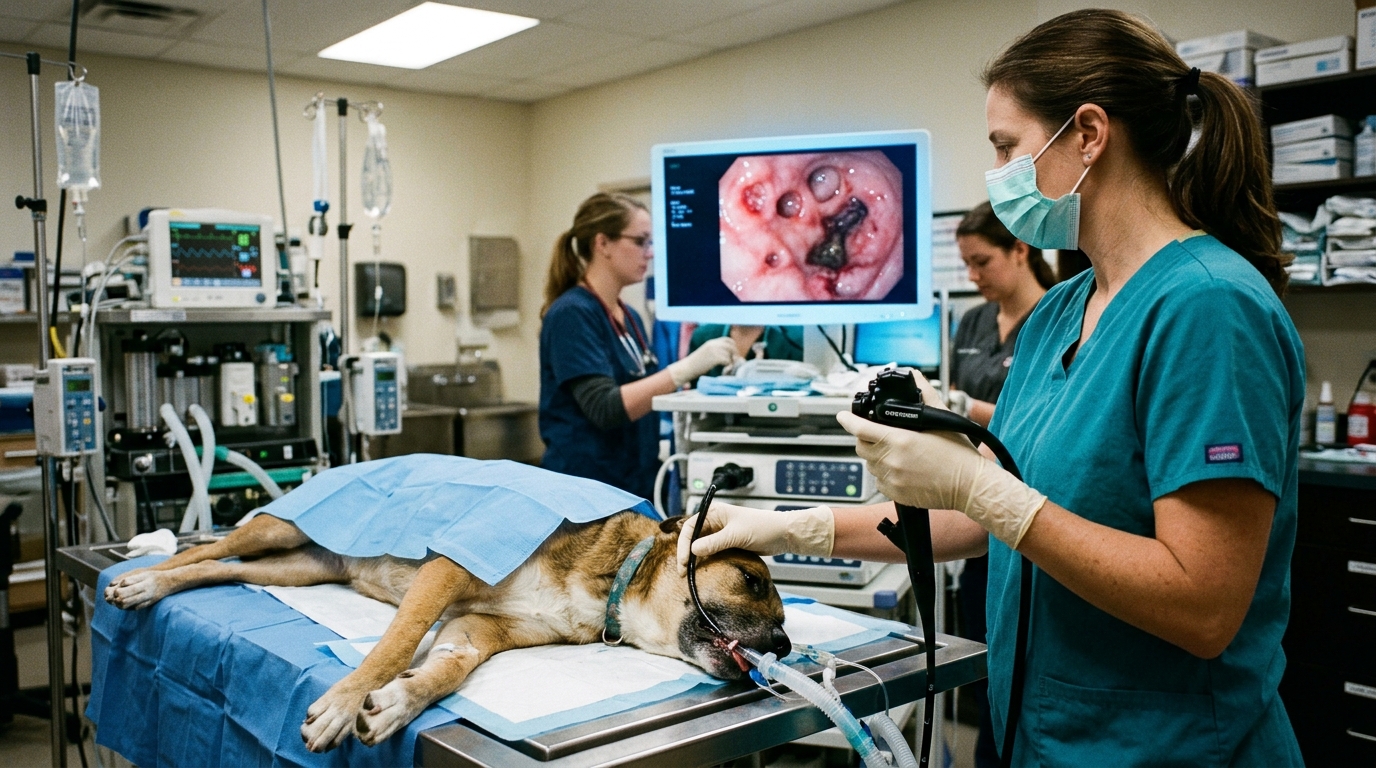
Dogs CANNOT take ibuprofen (Advil, Motrin) under any circumstance. Canine physiology is extremely sensitive to human NSAIDs; even a single 200mg tablet can cause severe gastric ulceration and fatal acute renal failure.
Toxic Mechanism & Agent
- Toxic Agent: Ibuprofen (Propionic acid NSAID derivative)
- Mechanism of Action: Non-selectively inhibits COX-1 and COX-2 enzymes, abolishing mucosal-protective prostaglandins (PGE2, PGI2) and reducing renal blood flow.
Clinical Signs & Timeline
- Onset Time: Gastric signs in 2-6 hours; Acute renal failure develops in 24-72 hours.
- Primary Symptoms: Hematemesis (vomiting blood or ‘coffee ground’ material), melena (black tarry stool), acute renal failure, ataxia, seizures, coma.
Emergency Triage Protocol
IMMEDIATE ER VISIT
Hospitalization is mandatory. Treatment requires aggressive IV fluids for 48-72 hours, repeated activated charcoal, proton pump inhibitors (pantoprazole/omeprazole), and sucralfate slurry for mucosal coating.
Strict Rule S1 Warning
NEVER induce vomiting at home using hydrogen peroxide without direct instruction from a DVM. Inappropriate emesis can cause fatal aspiration pneumonia. Always seek professional veterinary diagnosis.
Printable tools