Health and Safety Boundary
Jump to Emergency Red Flags ↓
This guide is general education for pet owners. If your pet has urgent symptoms, possible poisoning, injury, breathing trouble, collapse, severe pain, or sudden decline, contact a licensed veterinarian or local emergency service.
Editorial standard
How this guide was prepared
Edited for decisions
NewsPet guides are structured around practical owner choices, tradeoffs, and safety boundaries.
Source policy
Sources are listed when a guide relies on outside references.
Veterinary boundary
This article does not diagnose or prescribe; urgent symptoms need veterinary care.
Corrections
Readers can flag unclear, outdated, or inaccurate information through our contact page.
Can Cats Eat Garlic or Onions? Severe Allium Anemia Triage
Clinical Verdict: EXTREMELY FATAL (High Feline Sensitivity)
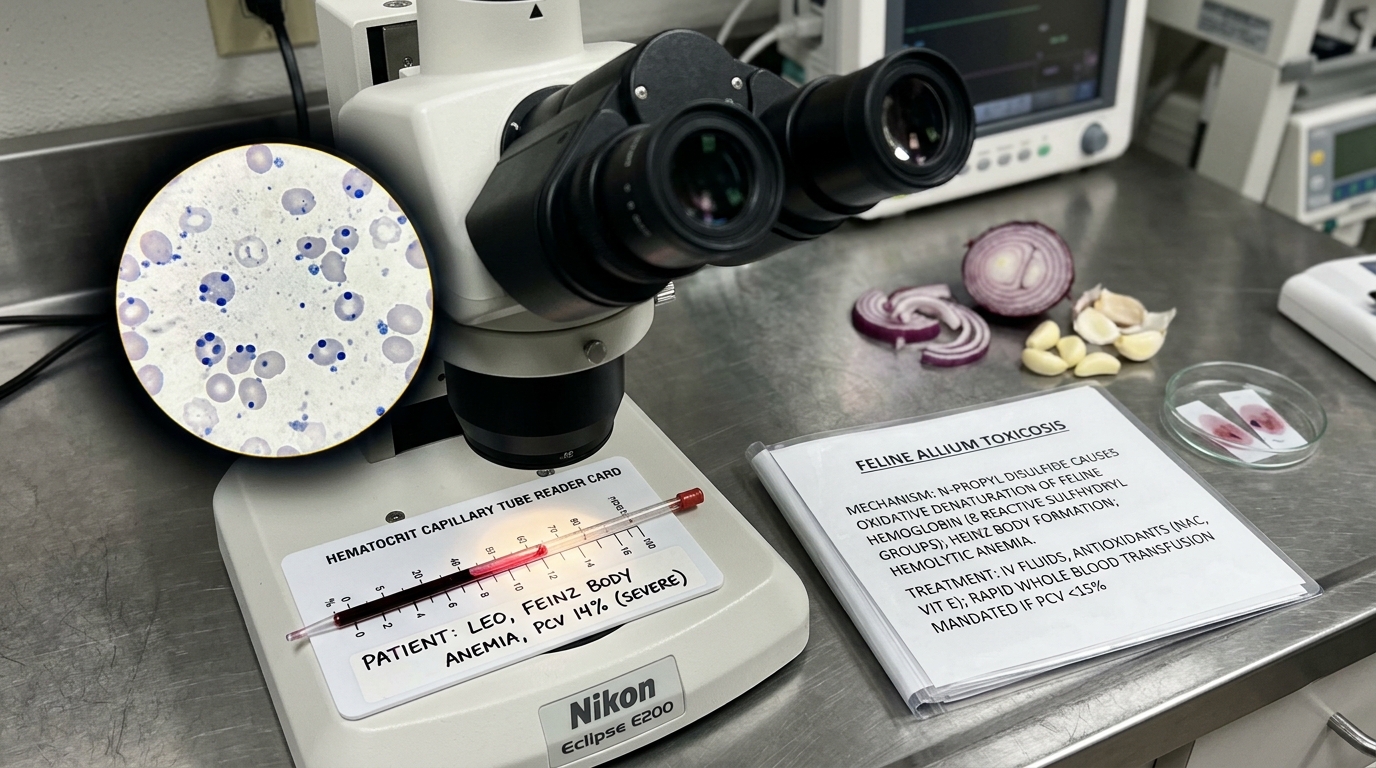
Cats CANNOT consume any form of garlic, onion, shallot, or chive. Feline hemoglobin contains 8 reactive sulfhydryl groups (compared to 4 in dogs), making cats 3 times more vulnerable to fatal Heinz body anemia.
Toxic Mechanism & Agent
- Toxic Agent: Alkyl and Alkenyl Disulfides
- Mechanism of Action: Oxidizes erythrocyte hemoglobin into precipitated clumps (Heinz bodies), predisposing the red blood cells to premature splenic sequestration and massive intravascular hemolysis.
Clinical Signs & Timeline
- Onset Time: Subclinical hemolysis in 24-48 hours; severe clinical collapse in 3-5 days.
- Primary Symptoms: Profound lethargy, pale or jaundiced gums, tachypnea, dark brown ‘port wine’ colored urine, hypothermia, acute collapse.
Emergency Triage Protocol
IMMEDIATE ER VISIT
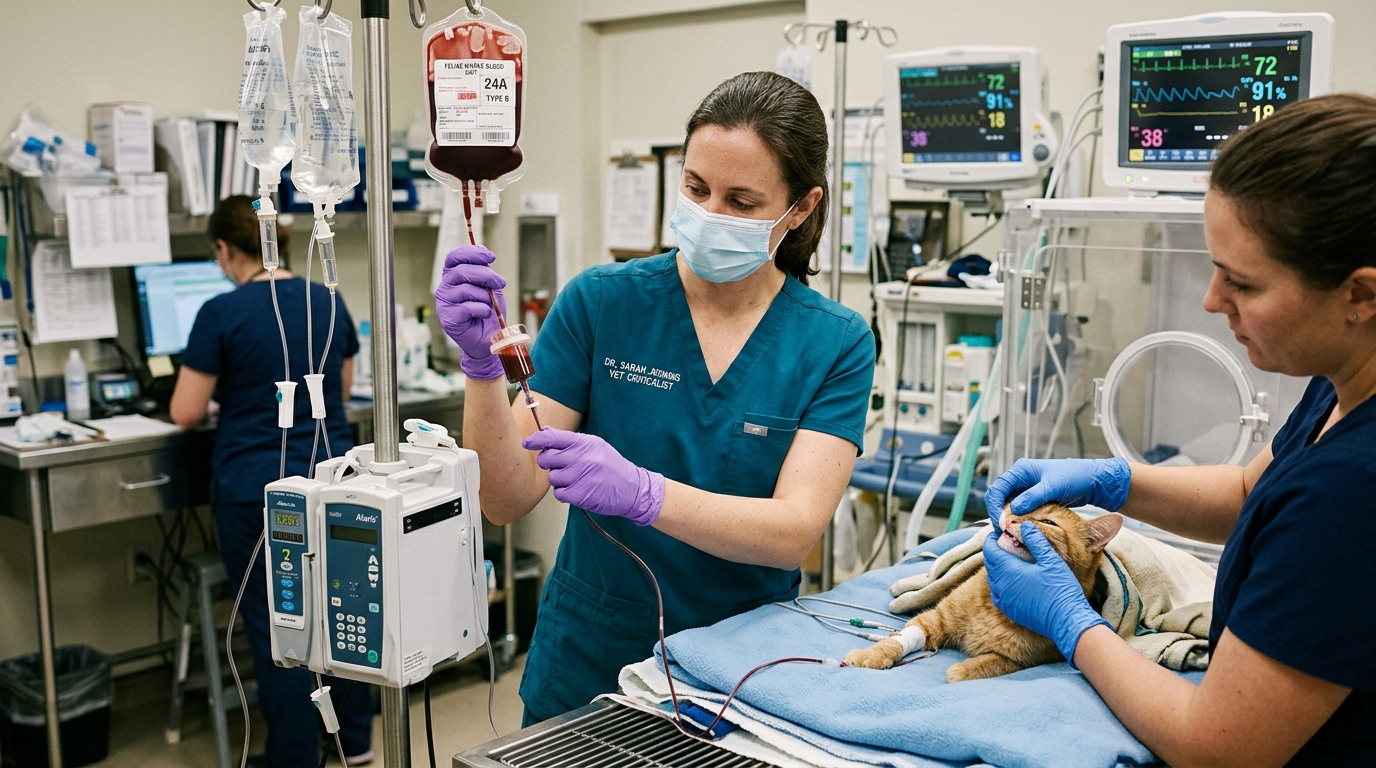
Cats require immediate hospitalization. Treatment involves IV fluid therapy, packed red blood cell (pRBC) or whole blood transfusions, oxygen cages, and antioxidant therapy.
Strict Rule S1 Warning
NEVER induce vomiting at home using hydrogen peroxide without direct instruction from a DVM. Inappropriate emesis can cause fatal aspiration pneumonia. Always seek professional veterinary diagnosis.
Printable tools