This guide is general education for pet owners. If your pet has urgent symptoms, possible poisoning, injury, breathing trouble, collapse, severe pain, or sudden decline, contact a licensed veterinarian or local emergency service.
Editorial standard
How this guide was prepared
Tarantula ecdysis relies on elevated prosomal hemolymph hydrostatic pressure and enzymatic molting fluid to split the old carapace; systemic dehydration allows the exuvium to dry prematurely over limbs, chelicerae, or ventral book lungs.
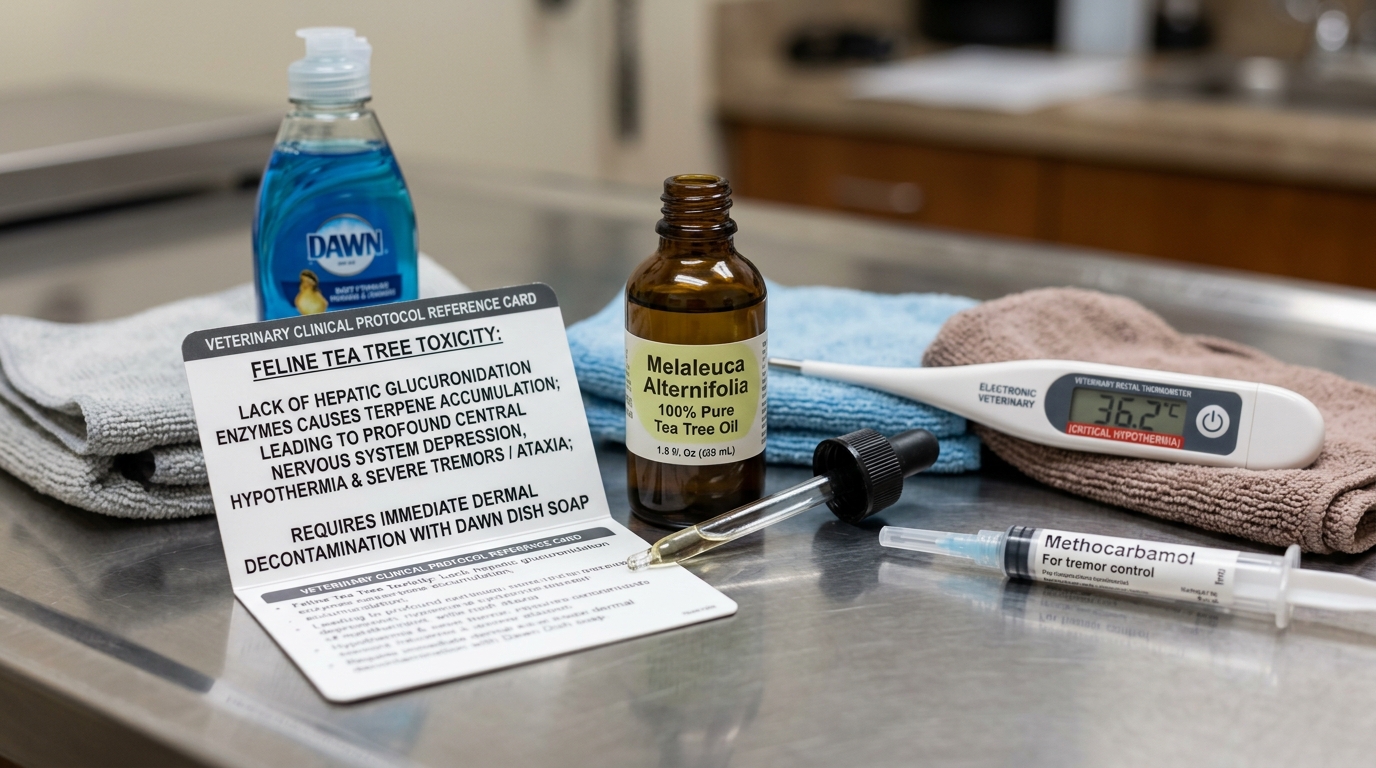
Veterinary Clinical Notice (Theraphosid Tarantulas (Theraphosidae)): This peer-reviewed clinical reference addresses Arachnid Dysecdysis (Incomplete or Trapped Ecdysis) and is grounded in verified veterinary literature. It does not substitute for hands-on physical examination, diagnostic imaging, or clinical pathology by a licensed exotic, avian, aquatic, or livestock veterinarian. Never attempt unguided invasive procedures or administer unprescribed pharmaceuticals when acute decompensation is present.
Clinical Quick Answer & Immediate Stabilization Protocol
Primary Clinical Directive for Arachnid Dysecdysis (Incomplete or Trapped Ecdysis): Patients in the Theraphosid Tarantulas (Theraphosidae) group mask early systemic illness until physiological reserves are exhausted. Immediate stabilization requires auditing enclosure thermal/environmental parameters, halting stressful handling or forced oral feeding in compromised animals, and arranging prompt veterinary diagnostics to address the underlying etiology before irreversible organ failure develops.
Pathophysiology, Etiology & Clinical Presentation in Theraphosid Tarantulas (Theraphosidae)
Molting complications in theraphosid tarantulas present distinct clinical challenges in invertebrate veterinary medicine. Understanding the intersection of dysecdysis, trapped exuvium, book lung safety, dehydration, and autotomy is critical for proper patient management.
Dehydration and Dysecdysis
- The Pathophysiological Link: Dehydration is one of the most common husbandry-related precursors to tarantula dysecdysis (abnormal or incomplete shedding). Adequate internal hemolymph pressure is essential not only for locomotion but also for expanding the body and successfully pushing out of the old exoskeleton (exuvium) during ecdysis.
- Clinical Appearance: A dehydrated tarantula often presents with a shrunken, “deflated-balloon” or wrinkled opisthosoma (abdomen).
- Intervention Caution: While hydration is vital, placing a weak, dehydrated tarantula into a deep water dish carries a high risk of drowning. Advanced veterinary intervention may require fluid therapy (such as a balanced Spider’s Ringer’s solution administered via a small insulin syringe/needle into the coelomic cavity).
Trapped Exuvium and Book Lung Risks
- The Complication: If humidity is too low or the tarantula lacks sufficient hemolymph pressure, parts of the old exoskeleton may fail to detach, leaving a trapped exuvium constricting limbs, chelicerae, or the spinnerets.
- Book Lung Vulnerability: The book lungs (the respiratory organs located ventrally on the anterior opisthosoma) are exceptionally fragile during and immediately after a molt.
- Warning: When attempting to soften and remove a stuck exuvium using moistened applicators or saline, clinicians must exercise extreme care. Liquids, ointments, or trapped debris must never occlude or contaminate the book lung openings, as this will rapidly induce fatal hypoxia or secondary fungal/bacterial infections.
- Aggressive manual pulling of a stuck exuvium must be avoided; tearing the soft, newly formed cuticle underneath causes severe hemolymph loss and trauma.
Autotomy as a Salvage Mechanism
- Biological Function: Spiders possess the ability to perform autotomy—the reflex habitual shedding or casting off of a compromised limb.
- Clinical Significance in Molting: If a limb becomes severely entrapped within a dried exuvium (dysecdysis constriction), a tarantula may voluntarily autotomize the trapped appendage to escape the old skin and preserve its life. While alarming to caretakers, tarantulas can successfully regenerate lost limbs over subsequent successful molts. Veterinary management focuses on monitoring the autotomy site to ensure proper hemolymph clotting and preventing desiccation or infection at the wound boundary.
Emergency Triage Matrix: Clinical Presentation & Required Response
| Triage Level | Clinical Signs & Presentation | Immediate Action Protocol |
|---|---|---|
| Emergency (Red) | Unresponsiveness, open-mouth breathing or agonal gasping, active hemorrhage, neurological seizures, or complete cardiovascular/osmoregulatory collapse in Theraphosid Tarantulas (Theraphosidae). | Immediate emergency exotic/veterinary transport required. Maintain species-specific thermal support during transit and do not attempt forceful oral feeding or home invasive manipulation. |
| Urgent | Stuck in the old exoskeleton for over 24 hours, appendages trapped, actively leaking clear hemolymph. | Extremely delicate situation. Apply a wet Q-tip to stuck areas to soften them. Seek an invertebrate-savvy vet if available. |
| Watch | Lying on its back for 12 hours, completely motionless. | Do absolutely nothing. This is normal molting behavior. Disturbing the spider now will kill it. |
Differential Diagnosis, Clinicopathologic Workup & Husbandry Prevention
Dysecdysis represents a high-mortality physiological emergency in theraphosid spiders (tarantulas). This pathological cascade typically develops when a tarantula enters premolt (exhibiting anorexia—refusing food—and a darkened opisthosoma, where the new exoskeleton is showing through the stretched, bald, or dark skin), but encounters severe complications like a trapped chelicerae, potential book lung damage, and the need for intensive intervention (ICU, hydration chamber, and feeder insect removal).
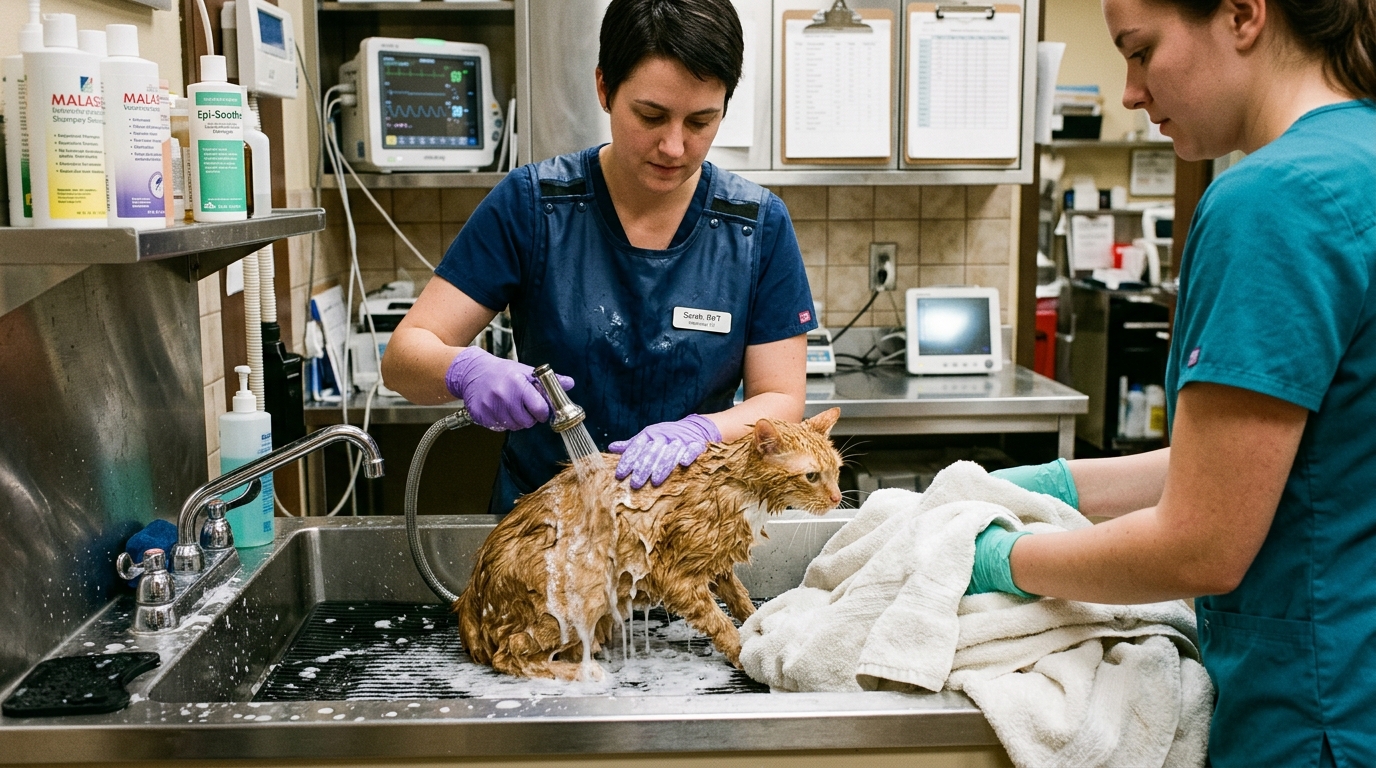
Pathophysiological Analysis of the Crisis
- Premolt Anorexia & Darkened Opisthosoma: A tarantula stops eating weeks or months before a molt. If the abdomen is very dark, shiny, or bald (especially in New World species that kick urticating hairs), it means the new exoskeleton is completely formed underneath, and the spider is right on the verge of molting.
- Feeder Insect Removal: Critical first step. If a tarantula is in premolt or vulnerable, any live feeder insects (crickets, roaches, worms) left in the enclosure must be removed immediately. Premolt or weak tarantulas cannot defend themselves. Crickets and roaches will actively chew on a soft, vulnerable, or immobile tarantula, causing horrific injuries or death.
- Trapped Chelicerae / Stuck Molt / Premolt Mishap: If the fangs/chelicerae are somehow trapped (either due to a mismanaged environment, a bad pre-molt fall, or getting stuck during an active molt), the spider cannot eat, drink, or properly clean itself.
- Book Lung Damage: Tarantulas breathe through book lungs located on the underside of the abdomen. If the abdomen is injured, crushed, or if the book lungs are blocked by fluid, debris, hemolymph (spider blood), or stuck molt, the spider will quickly suffocate.
- ICU / Hydration Chamber: When a tarantula is severely dehydrated, weakened, or compromised, keepers use an “ICU” box. This is not a veterinary incubator, but a high-humidity recovery chamber designed to stop moisture loss through the book lungs and intersegmental membranes.
Step-by-Step Emergency Protocol
If your tarantula is currently experiencing this crisis, you need to act methodically:
Step 1: Clear the Enclosure Immediately
- Remove all feeders: Take out any crickets, roaches, or worms right now. Do not leave a single insect in with a vulnerable or molting tarantula.
Step 2: Assess the Trapped Chelicerae & Physical Danger
- Look closely (without overly agitating the spider) to see how the chelicerae are trapped.
- If it is actively trying to molt and stuck: Intervening in a molt is extremely dangerous. However, if a piece of hard, old exoskeleton is physically blocking its mouthparts or trapping a limb/fang before or after a molt, you may need to carefully assist.
- To assist: Use a pair of damp, blunt-tipped tweezers. If a piece of old skin is binding it, you can soften it with a tiny drop of distilled water on a Q-tip, then very gently tease or cut the restrictive dry skin away. Do not pull or yank anything, as you can rip the underlying flesh or pull out a fang.
Step 3: Check for Book Lung Damage & Hemolymph Leaks
- Look at the underside of the abdomen. Do you see clear or yellowish/greenish fluid leaking? Do you see a wound?
- If there is a bleeding wound on the exoskeleton (hemolymph leak), tarantulas can bleed to death.
- Fix for bleeding: Dab the wound extremely gently with a dry Q-tip, and apply a tiny dab of styptic powder, cornstarch, or flour to clot the hemolymph. Keep the spider on clean, dry paper towels so dirt doesn’t stick to the wound.
- Note: If the book lungs are physically wet or submerged in water, dry them immediately. Tarantulas drown very easily; book lungs must be exposed to damp air, never standing water.
Step 4: Set Up a Tarantula ICU / Hydration Chamber
If the spider is severely dehydrated, weak, or struggling to recover from a physical trauma:
- Take a clean plastic container or faunarium and poke small, well-ventilated air holes.
- Line the bottom with paper towels and saturate them thoroughly with warm (not hot) distilled or dechlorinated water.
- Crucial Rule: The paper towels must be completely soaked, but there must be zero standing water or puddles at the bottom. If the water is deep enough for the spider’s book lungs to touch, it will drown. The goal is 100% humidity, not a swimming pool.
- Place the tarantula gently onto the damp paper towels, close the lid, and keep the container in a dark, quiet, warm room (around 75–80°F / 24–27°C).
- Monitor the spider closely over the next 12 to 24 hours. High humidity will help prevent further moisture loss through damaged membranes or compromised book lungs.
Step 5: When to Seek Exotic Veterinary Help
Invertebrate-savvy veterinarians are rare, but if the tarantula has a major traumatic rupture of the abdomen, completely shattered chelicerae, or is completely unresponsive aside from minor twitching, professional guidance or humane euthanasia by an experienced exotic vet may be the only merciful option if it is suffering past the point of recovery.
Disclaimer: Invertebrate anatomy is extremely delicate. Always move slowly, avoid excessive handling, and prioritize keeping the book lungs clear of liquid at all times.
Rapid-Response Clinical Red Flags: Arachnid Dysecdysis (Incomplete or Trapped Ecdysis)
Critical stabilization boundaries for Theraphosid Tarantulas (Theraphosidae) caretakers:
- Zero Forced Oral Administration in Debilitated Patients: Never syringe-feed fluids, oils, or nutritional slurries to a dyspneic, obtunded, or hypothermic Theraphosid Tarantulas (Theraphosidae), as aspiration pneumonia and acute pharyngeal trauma carry high mortality.
- Thermal & Microclimate Stabilization Before Transit: Correct acute hypothermia or hyperthermia gradually during transport using insulated carriers and digital thermal monitoring calibrated specifically for Theraphosid Tarantulas (Theraphosidae).
Diagnostic Preparation & Husbandry Audit Checklist for Theraphosid Tarantulas (Theraphosidae)
- Record exact ambient, basking, or water temperature and humidity/water-quality metrics using calibrated digital probes prior to the veterinary appointment.
- Bring a fresh fecal sample, water sample, or photograph of the current enclosure layout, substrate depth, lighting fixtures, and diet labels for clinical evaluation.
- Document the precise timeline of anorexia, postural changes, respiratory effort, or abnormal excretions to assist differential staging.
- Prepare a dedicated, easily disinfected hospital or quarantine enclosure free of loose particulate hazards for post-visit recovery.
Related Clinical Guides & Triage Protocols
Peer-Reviewed Clinical References & Evidence Grounding
- NCBI PubMed (PMID: 27131164) — Tarantula and Hermit Crab Emergency Care (Vet Clin North Am Exot Anim Pract, 2016) (opens in new tab) (Peer-reviewed veterinary clinical study indexed in NCBI PubMed (Vet Clin North Am Exot Anim Pract, 2016).)
- NCBI PubMed (PMID: 19131027) — Cardiac biology and disease in invertebrates (Vet Clin North Am Exot Anim Pract, 2009) (opens in new tab) (Peer-reviewed veterinary clinical study indexed in NCBI PubMed (Vet Clin North Am Exot Anim Pract, 2009).)
- NCBI PubMed (PMID: 37036060) — Retrospective analysis of histologic lesions in captive arachnids (Vet Pathol, 2023) (opens in new tab) (Peer-reviewed veterinary clinical study indexed in NCBI PubMed (Vet Pathol, 2023).)
- dvm360 Veterinary Clinical Reference: Managing Invertebrates In Practice (opens in new tab) (Institutional veterinary reference and clinical practice guideline.)
Source transparency
Reference mix for this guide
Source labels classify the institutional category of the references cited above.