This guide is general education for pet owners. If your pet has urgent symptoms, possible poisoning, injury, breathing trouble, collapse, severe pain, or sudden decline, contact a licensed veterinarian or local emergency service.
Dosages must be calculated by a licensed veterinarian based on species, weight, and bloodwork. Never administer human medications or self-adjust prescription doses for pets.
Editorial standard
How this guide was prepared
Rabbit gastrointestinal stasis represents a life-threatening neurohumoral slowdown of hindgut peristalsis triggered by pain, dental spurs, or low-fiber diets, rapidly progressing to cecal dysbiosis, gas tympany, and hepatic lipidosis.
Veterinary Clinical Notice (Domestic Rabbit (Oryctolagus cuniculus)): This peer-reviewed clinical reference addresses Rabbit Gastrointestinal Syndrome (RGIS) and Cecocolic Ileus and is grounded in verified veterinary literature. It does not substitute for hands-on physical examination, diagnostic imaging, or clinical pathology by a licensed exotic, avian, aquatic, or livestock veterinarian. Never attempt unguided invasive procedures or administer unprescribed pharmaceuticals when acute decompensation is present.
Clinical Quick Answer & Immediate Stabilization Protocol
Primary Clinical Directive for Rabbit Gastrointestinal Syndrome (RGIS) and Cecocolic Ileus: Patients in the Domestic Rabbit (Oryctolagus cuniculus) group mask early systemic illness until physiological reserves are exhausted. Immediate stabilization requires auditing enclosure thermal/environmental parameters, halting stressful handling or forced oral feeding in compromised animals, and arranging prompt veterinary diagnostics to address the underlying etiology before irreversible organ failure develops.
Pathophysiology, Etiology & Clinical Presentation in Domestic Rabbit (Oryctolagus cuniculus)
Gastrointestinal (GI) stasis in rabbits (Oryctolagus cuniculus)—often clinically referred to as functional ileus or cecocolic hypomotility—is a critical, multifactorial syndrome characterized by the slowing or complete cessation of propulsive motility throughout the digestive tract. Supported by veterinary consensus literature (such as the Merck Veterinary Manual) and indexing databases like PubMed, managing this condition requires a systematic approach encompassing prompt diagnosis, aggressive fluid resuscitation, targeted multimodal analgesia, and resolution of underlying dysbiosis.
Pathophysiology: Hypomotility and Dysbiosis
Rabbits are hindgut fermenters dependent on a continuous intake of high-fiber, indigestible plant material to maintain normal autonomic and pacemaker activity (mediated heavily by the fusus coli).
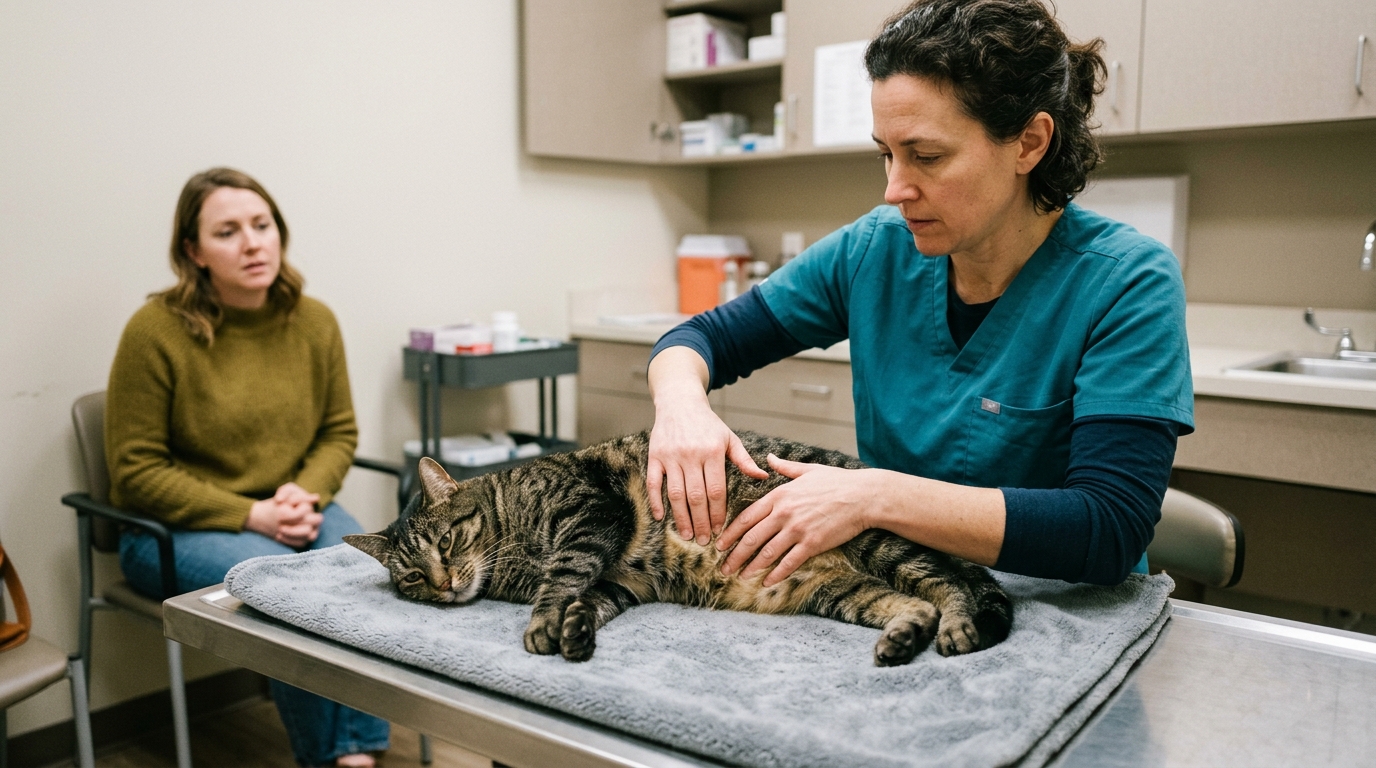
- Cecocolic Hypomotility: When triggered by factors such as stress, systemic pain, dental disease, or a low-fiber/high-carbohydrate diet, the frequency and coordination of smooth muscle contractions decline.
- Dehydration of Ingesta: As transit time slows, excessive fluid is absorbed from the stomach and cecum, compacting ingesta and creating a dense, immovable mass (historically misnamed a “hairball” or “trichobezoar,” which is usually a symptom rather than the primary cause).
- Dysbiosis: The stagnation of fiber causes an upward shift in cecal pH and alters the delicate balance of the microflora. Normal anaerobic populations decline, permitting the proliferation of opportunistic, potentially pathogenic bacteria (such as Clostridium species and coliforms like Escherichia coli). Gas production from these proliferating bacteria leads to painful visceral distention, colic, and a self-reinforcing loop of complete anorexia and worsening shock.
Diagnosis in Domestic Rabbit Patients
Differentiating between a functional ileus (stasis managed medically) and a complete mechanical obstruction (a surgical emergency) is the vital first step.
- Clinical Presentation: Anorexia, decreased fecal output (or small, mucus-covered, misshapen droppings), lethargy, bruxism (teeth grinding indicating abdominal pain), and a tucked posture.
- Physical Examination & Blood Work: Palpation may reveal a doughy or gas-distended stomach and doughy cecum. Stress-induced or pain-induced marked hyperglycemia combined with a fluid-distended stomach on presentation heavily points toward an obstruction or severe crisis requiring immediate triage.
- Diagnostic Imaging (Radiographs): Abdominal radiography is indispensable.
- GI Stasis: Often shows a generalized distribution of gas throughout the stomach and small/large intestines, alongside a mixed-density material pattern in the stomach.
- Mechanical Obstruction: Typically manifests as severe, localized fluid and gas distention proximal to the blockage site (frequently at the pylorus or ileocecal junction) with little to no gas past that point.
Medical Management Principles
A. Fluid Therapy (Rehydration)
Because stagnant, dehydrated ingesta within the stomach and cecum worsens hypomotility, restoring systemic and enteral hydration is paramount.
- Routes & Rates: Isotonic crystalloids (e.g., Lactated Ringer’s Solution or Hartmann’s solution) should be administered aggressively. While subcutaneous fluids are useful for mild or outpatient cases, hospitalized rabbits with severe stasis require intravenous (IV) fluid therapy via a syringe driver or fluid pump to reliably target tissue perfusion and rehydrate the GI contents.
B. Multimodal Analgesia
Visceral pain from gas accumulation and stretching of the bowel wall is a primary driver of sympathetic tone, which further suppresses GI motility. Relieving pain is therefore a prerequisite for restoring motility.
- Opioids: Often utilized for acute visceral pain (e.g., buprenorphine or butorphanol). Note: While some opioids can theoretically depress gut motility at high doses, providing targeted pain relief generally restores motility by eliminating the motility-inhibiting effects of severe pain and stress.
- NSAIDs: Meloxicam is frequently incorporated into the protocol for its anti-inflammatory and analgesic properties, provided the patient is adequately hydrated and renal parameters are stable.
C. Prokinetics and Gas Relief (Adjunctive)
- Crucial Rule: Prokinetic agents (such as metoclopramide or cisapride) should never be administered until a mechanical obstruction has been rigorously ruled out via imaging, as stimulating a blocked tract can cause bowel perforation.
- Antiflatulents: Simethicone is commonly administered orally to help coalesce micro-bubbles of gas into manageable pockets, easing gastric tympany and abdominal discomfort, though it does not treat the underlying stasis directly.
D. Nutritional Support and Dysbiosis Mitigation
- Assisted Feeding: Early, gentle enterally administered critical care formulas designed for herbivores help kickstart enterocyte metabolism, prevent rapid hepatic lipidosis (which can develop within 24 hours of total anorexia in rabbits), and supply fiber to move the tract. Force-feeding must be done cautiously to avoid aspiration if the rabbit is severely bloated or obstructed.
- Microbiome Support: Recovery from dysbiosis relies heavily on returning the patient to a high-fiber diet (unlimited grass hay) as soon as normal gut motility and appetite resume.
Emergency Triage Matrix: Clinical Presentation & Required Response
| Triage Level | Clinical Signs & Presentation | Immediate Action Protocol |
|---|---|---|
| Emergency | Zero fecal pellets for 12+ hours, refusing all food (including favorite treats), hunched in pain, cold ears. | True emergency. Requires immediate exotic veterinary intervention for motility drugs, fluids, and pain control. |
| Urgent | Smaller than normal or strung-together feces, reduced appetite, doughy abdomen. | Begin syringe feeding Oxbow Critical Care and offer wet leafy greens. See vet within 12-24 hours. |
Differential Diagnosis, Clinicopathologic Workup & Husbandry Prevention
In domestic rabbits (Oryctolagus cuniculus), distinguishing between gastrointestinal (GI) stasis (functional hypomotility/ileus) and a true mechanical obstruction is one of the most critical challenges in emergency veterinary medicine. Though both present with overlapping signs (anorexia, lethargy, decreased fecal output), their pathophysiology, urgency, and treatments are fundamentally different.
Pathophysiology: Stasis vs. Mechanical Obstruction
- GI Stasis (Functional Ileus): A multifactorial syndrome where normal peristalsis slows down or stops. It is almost always secondary to an underlying stressor, pain (e.g., dental spurs, arthritis), dehydration, or an inappropriate diet. The lack of motility causes ingesta to dehydrate inside the stomach and cecum, creating a self-reinforcing cycle of hypomotility.
- True Mechanical Obstruction: A physical blockage of the GI lumen—most commonly a trichobezoar (compacted hair and food matting), foreign body, or fibrous mass lodging at the pylorus or ileocecal junction. This is a surgical emergency. Administering standard prokinetics or force-feeding a mechanical obstruction can lead to catastrophic gastric rupture or intestinal perforation.
Diagnostics: Radiography, Blood Glucose, and L-Lactate
Differentiating the two requires combining clinical history, imaging, and rapid blood biomarkers.
- Radiography (Abdominal X-rays):
- GI Stasis: Typically reveals a generalized distribution of gas and a “doughy” or mixed-density-packed food mass distributed throughout a moderately distended stomach, cecum, and colon.
- Mechanical Obstruction: Often demonstrates a severe gastric dilation filled predominantly with fluid and gas (sometimes called a “fried egg stomach” or a distinct gas-fluid cap), marked small intestinal dilation (proximal to the blockage), and a notable absence of gas or ingesta in the distal large colon and cecum.
- Blood Glucose:
- GI Stasis: Blood glucose may be normal to mildly elevated due to stress.
- Mechanical Obstruction / Severe Gastric Dilation: Characterized by profound stress- and pain-induced hyperglycemia (frequently exceeding 300–400 mg/dL or >20–25 mmol/L). Extreme hyperglycemia in an acute anorexic rabbit strongly points toward a surgical obstruction or severe crisis rather than mild stasis.
- L-Lactate:
- Elevated blood L-lactate serves as a vital marker of tissue hypoperfusion, dehydration, and systemic shock. In both conditions, a rising lactate trend indicates deteriorating microcirculation, but critically high or non-responsive L-lactate levels strongly suggest intestinal ischemia, strangulation, or impending necrosis secondary to a mechanical blockage or severe gastric distension.
Prognosis in Domestic Rabbit Patients
- GI Stasis: Generally carries a good-to-fair prognosis if caught early, addressed with a multimodal protocol, and the primary underlying trigger (pain, stress) is successfully resolved. However, delays can lead quickly to hepatic lipidosis.
- Mechanical Obstruction: Carries a guarded-to-poor prognosis, particularly if surgery is delayed, tissue necrosis/perforation has occurred, or if concurrent biochemical abnormalities (severe azotemia, marked electrolyte derangements, or uncontrollable hyperlactatemia) are present.
Management & Therapeutics (Crucial Distinction)
- The foundational clinical principle: Never administer prokinetics (e.g., cisapride, metoclopramide) or force-feed a rabbit via syringe until a mechanical obstruction has been definitively ruled out. Forcing material against a closed blockage or stimulating a blocked bowel can cause rupture.
- Medical/Supportive (Stasis & Stabilization):
- Hydration: Aggressive fluid therapy (subcutaneous or intravenous crystalloids) is mandatory to rehydrate dehydrated GI contents.
- Analgesia: Multimodal pain control is essential (e.g., buprenorphine, meloxicam, or tramadol), as pain is both a primary cause and a compounding factor of stasis.
- Nutritional Support: High-fiber critical care formulas are introduced gently only once obstruction is ruled out.
Prevention in Domestic Rabbit Patients
Because Oryctolagus cuniculus possesses a specialized hindgut-fermenting anatomy, preventing functional stasis relies on routine husbandry:
- Hay & Fiber: The diet must consist of at least 75%–80% unlimited grass hay (timothy, orchard grass, meadow mixes). Long-stem indigestible fiber is the primary physiological driver of normal anti-peristaltic colonic separation mechanisms and gut motility.
- Hydration: Encouraging constant water intake via heavy ceramic bowls (often preferred over bottles) to keep ingesta hydrated.
- Stress and Environment: Minimizing sudden environmental changes, routine grooming (to reduce ingested hair mats that form trichobezoars), and keeping pets active.
- Dental Health: Regular veterinary checks to preempt painful molar spurs or malocclusions that stop a rabbit from eating.
Rapid-Response Clinical Red Flags: Rabbit Gastrointestinal Syndrome (RGIS) and Cecocolic Ileus
Critical stabilization boundaries for Domestic Rabbit (Oryctolagus cuniculus) caretakers:
- Zero Forced Oral Administration in Debilitated Patients: Never syringe-feed fluids, oils, or nutritional slurries to a dyspneic, obtunded, or hypothermic Domestic Rabbit (Oryctolagus cuniculus), as aspiration pneumonia and acute pharyngeal trauma carry high mortality.
- Thermal & Microclimate Stabilization Before Transit: Correct acute hypothermia or hyperthermia gradually during transport using insulated carriers and digital thermal monitoring calibrated specifically for Domestic Rabbit (Oryctolagus cuniculus).
Diagnostic Preparation & Husbandry Audit Checklist for Domestic Rabbit (Oryctolagus cuniculus)
- Record exact ambient, basking, or water temperature and humidity/water-quality metrics using calibrated digital probes prior to the veterinary appointment.
- Bring a fresh fecal sample, water sample, or photograph of the current enclosure layout, substrate depth, lighting fixtures, and diet labels for clinical evaluation.
- Document the precise timeline of anorexia, postural changes, respiratory effort, or abnormal excretions to assist differential staging.
- Prepare a dedicated, easily disinfected hospital or quarantine enclosure free of loose particulate hazards for post-visit recovery.
Related Clinical Guides & Triage Protocols
Peer-Reviewed Clinical References & Evidence Grounding
- Comparison of side effects between buprenorphine and meloxicam used postoperatively in Dutch belted rabbits (Oryctolagus cuniculus) (opens in new tab) (Journal of the American Association for Laboratory Animal Science : JAALAS (2009) — Peer-reviewed clinical investigation indexed on NCBI PubMed (PMID: 19476717).)
- National Center for Biotechnology Information (NCBI / PMC): Rabbit Gastrointestinal Stasis (Ileus) — Clinical Guidelines (opens in new tab) (Verified veterinary reference retrieved via Antigravity Ground-Truth Search (nih.gov).)
- Merck Veterinary Manual: Noninfectious Diseases Of Rabbits (opens in new tab) (Verified veterinary reference retrieved via Antigravity Ground-Truth Search (merckvetmanual.com).)
- researchgate.net: DIAGNOSTIC AND TREATMENT PROTOCOLS FOR ACUTE GASTROINTESTINAL STASIS IN RABBITS (opens in new tab) (Verified veterinary reference retrieved via Antigravity Ground-Truth Search (researchgate.net).)
Source transparency
Reference mix for this guide
Source labels classify the institutional category of the references cited above.