This guide is general education for pet owners. If your pet has urgent symptoms, possible poisoning, injury, breathing trouble, collapse, severe pain, or sudden decline, contact a licensed veterinarian or local emergency service.
Editorial standard
How this guide was prepared
Healthy terrestrial hermit crabs excavate dark subterranean molting caves in deep sand-coconut substrate; molting exposed on the surface signals severe substrate inadequacy, dehydration, or thermal stress and leaves the soft-shelled crab vulnerable to fatal cannibalism.

Veterinary Clinical Notice (Terrestrial Hermit Crab (Coenobita clypeatus & Coenobita spp.)): This peer-reviewed clinical reference addresses Aberrant Surface Ecdysis (Surface Molting Syndrome) and is grounded in verified veterinary literature. It does not substitute for hands-on physical examination, diagnostic imaging, or clinical pathology by a licensed exotic, avian, aquatic, or livestock veterinarian. Never attempt unguided invasive procedures or administer unprescribed pharmaceuticals when acute decompensation is present.
Clinical Quick Answer & Immediate Stabilization Protocol
Primary Clinical Directive for Aberrant Surface Ecdysis (Surface Molting Syndrome): Patients in the Terrestrial Hermit Crab (Coenobita clypeatus & Coenobita spp.) group mask early systemic illness until physiological reserves are exhausted. Immediate stabilization requires auditing enclosure thermal/environmental parameters, halting stressful handling or forced oral feeding in compromised animals, and arranging prompt veterinary diagnostics to address the underlying etiology before irreversible organ failure develops.
Pathophysiology, Etiology & Clinical Presentation in Terrestrial Hermit Crab (Coenobita clypeatus & Coenobita spp.)
For terrestrial hermit crabs (Coenobita species), ecdysis (molting) is a physiologically intensive, mandatory process required for growth, injury healing, and limb regeneration. While comprehensive veterinary textbooks like the Merck Veterinary Manual focus primarily on mammalian, avian, and traditional livestock medicine, specialized exotic pet medicine highlights several strict environmental and biological parameters governing the Coenobita molt cycle.
Substrate Depth and Parameters
- Requirement: In captivity, terrestrial hermit crabs require a deep, moisture-retaining substrate (typically a 3:1 or 5:1 mix of playsand and coconut fiber/eco-earth) that is at least 3 to 4 times the height of the largest crab (or a minimum of 6 inches for small-to-medium specimens).
- Function: Substrate depth allows the crab to burrow safely, isolate itself from colony stress, and construct a stable subterranean micro-environment (“molting cave”) where it can undergo ecdysis undisturbed.
Humidity and Environmental Moisture
- Requirement: Ambient relative humidity must be strictly maintained between 70% and 80%, alongside high moisture content within the substrate.
- Function: Terrestrial hermit crabs breathe via modified branchial lungs that must remain wet to function. During ecdysis, proper humidity prevents the delicate, newly forming soft tissues and respiratory structures from drying out. It also keeps the substrate stable enough to prevent cave-ins while the crab is underground.
The Danger of Surface Molting
- Definition: When a crab molts on top of the substrate rather than burrowing underneath, it is classified as a surface molt.
- Clinical Significance: Surface molts are usually indicative of environmental stress, improper/shallow substrate, incorrect humidity/temperature, or underlying illness. A surface-molting crab is entirely exposed, highly vulnerable to desiccation, and lacks a hard exoskeleton.
Exoskeleton Sched, Conspecific Cannibalism, and Calcification
- The Exuviae (Old Exoskeleton): Once the old exoskeleton is shed, the crab does not abandon it entirely; it typically consumes the exuviae. This behavior is a biological imperative to recover critical lost nutrients, particularly calcium, chitin, and trace minerals.
- Conspecific Cannibalism & Vulnerability: Directly following ecdysis, the new exoskeleton is soft and completely uncalcified. Because they emit distinct chemical odors while soft and vulnerable, conspecific cannibalism is a severe risk if a molting or freshly molted crab is housed with other crabs in a crowded enclosure. In communal tanks, other crabs may attack or consume a soft-bodied peer. For this reason, isolating a surface-molter (e.g., using a “iso-box” or “bottle-jail” inverted over them while keeping humidity high) is often required in emergency care.
- Calcification: The hardening process relies heavily on the ingestion of the old exoskeleton, dietary calcium (such as cuttlebone, crushed coral, or eggshells), and stored water/salts. Full structural calcification takes anywhere from a few weeks to over a month depending on the size of the Coenobita species. Disturbed crabs that are dug up prematurely or exposed to handling during this vulnerable window often suffer fatal limb loss, systemic shock, or failed hardening.
Emergency Triage Matrix: Clinical Presentation & Required Response
| Triage Level | Clinical Signs & Presentation | Immediate Action Protocol |
|---|---|---|
| Emergency (Red) | Unresponsiveness, open-mouth breathing or agonal gasping, active hemorrhage, neurological seizures, or complete cardiovascular/osmoregulatory collapse in Terrestrial Hermit Crab (Coenobita clypeatus & Coenobita spp.). | Immediate emergency exotic/veterinary transport required. Maintain species-specific thermal support during transit and do not attempt forceful oral feeding or home invasive manipulation. |
| Urgent | Crab has shed its exoskeleton on top of the sand, is soft and pale, other crabs are approaching it. | Immediate isolation. Carefully place a cut 2-liter bottle over the molting crab to protect it from tank mates. Do not touch the crab. |
| Watch | Digging aimlessly, spending excessive time at the water dish, lethargic. | Ensure substrate is sand/eco-earth mix at least 6 inches deep and properly moistened to ‘sandcastle’ consistency. |
Differential Diagnosis, Clinicopathologic Workup & Husbandry Prevention
Crustacean husbandry and emergency care depend on the precise environmental and physiological requirements for managing a terrestrial hermit crab (Coenobita species) through its most vulnerable life stage: molting and exoskeleton hardening.
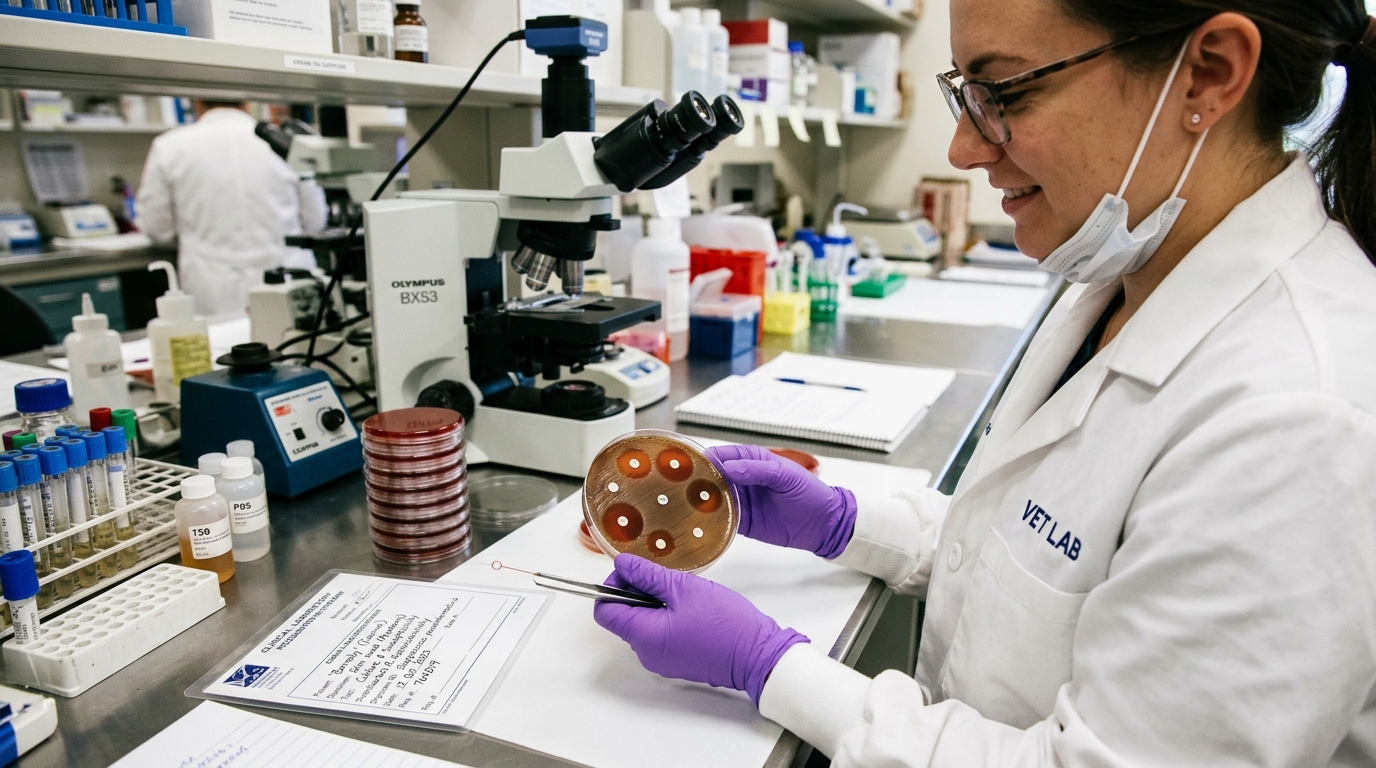
Proper management of these interconnected elements ensures a successful molt.
The Molting & Hardening Process
- Exy-Skeleton Hardening: When a land hermit crab sheds its old exoskeleton, it is left with a soft, extremely fragile new body. Hardening requires time, high humidity, and heavy calcium ingestion.
- The Post-Molt Diet: Immediately after shedding, the crab’s primary source of vital nutrients and calcium is eating its own discarded exoskeleton. Restricting access to this or disturbing the crab prematurely can lead to fatal nutritional deficits or cannibalism from tankmates.
Isolation & The Dark Humid Chamber
- Underground Isolation: In nature and a proper captive setup, hermit crabs dig deep underground to construct a safe, dark, humid micro-climate chamber where they stay hidden for weeks or even months.
- The foundational clinical principle — Never Dig Up a Molter: Disturbing a buried or isolating crab collapses its chamber, exposes the soft exoskeleton to dry air/light, and is frequently fatal. If a crab disappears, leave it completely alone. (Note: If a weak post-molt crab must be isolated from aggressive tankmates above ground, use a “iso-box” or “jail” within the same warm/humid tank rather than digging up underground molters).
Substrate Composition & Specifications
The underground chamber relies entirely on the correct substrate mixture, depth, and moisture to stay structurally sound without flooding or collapsing.
- The Ratio: The gold-standard mixture is 5 parts high-grade silica play sand to 1 part coconut fiber (eco-fiber/Eco Earth).
- Play Sand provides the structural integrity and weight needed to hold tunnels.
- Coconut Fiber retains moisture and humidity.
- Depth: The substrate must be at least 6 inches deep, or 3 times the height of your largest crab (whichever is deeper), ensuring they can completely submerge themselves away from surface disturbances.
- Consistency (“Sandcastle Consistency”): The mix must be damp enough that when squeezed in your fist, it holds its shape firmly without dripping water or crumbling apart.
Hydration: Marine Salt & Freshwater Pools
Terrestrial hermit crabs have modified gills that require constant moisture to process oxygen, making access to dual water sources non-negotiable.
- Freshwater Pool: Treated with a conditioner (like Seachem Prime) to remove heavy metals and chlorine/chloramines. Used for drinking and internal hydration.
- Marine Saltwater Pool: Mixed exclusively using commercial marine aquarium salt (such as Instant Ocean) following package directions—never use table salt.
- Full Submersion & Safety: Both pools must be deep enough for the crab to fully submerge its shell and body. Crucially, they must feature safe plastic mesh or rough-textured ramps so a heavy, clumsy, or post-molt weak crab can climb out easily and avoid drowning. Access to both types of water allows the crab to regulate its internal salinity and osmotic balance, which is critical during tissue generation and shell hardening.
Rapid-Response Clinical Red Flags: Aberrant Surface Ecdysis (Surface Molting Syndrome)
Critical stabilization boundaries for Terrestrial Hermit Crab (Coenobita clypeatus & Coenobita spp.) caretakers:
- Zero Forced Oral Administration in Debilitated Patients: Never syringe-feed fluids, oils, or nutritional slurries to a dyspneic, obtunded, or hypothermic Terrestrial Hermit Crab (Coenobita clypeatus & Coenobita spp.), as aspiration pneumonia and acute pharyngeal trauma carry high mortality.
- Thermal & Microclimate Stabilization Before Transit: Correct acute hypothermia or hyperthermia gradually during transport using insulated carriers and digital thermal monitoring calibrated specifically for Terrestrial Hermit Crab (Coenobita clypeatus & Coenobita spp.).
Diagnostic Preparation & Husbandry Audit Checklist for Terrestrial Hermit Crab (Coenobita clypeatus & Coenobita spp.)
- Record exact ambient, basking, or water temperature and humidity/water-quality metrics using calibrated digital probes prior to the veterinary appointment.
- Bring a fresh fecal sample, water sample, or photograph of the current enclosure layout, substrate depth, lighting fixtures, and diet labels for clinical evaluation.
- Document the precise timeline of anorexia, postural changes, respiratory effort, or abnormal excretions to assist differential staging.
- Prepare a dedicated, easily disinfected hospital or quarantine enclosure free of loose particulate hazards for post-visit recovery.
Related Clinical Guides & Triage Protocols
Peer-Reviewed Clinical References & Evidence Grounding
- PMID-34655763: De novo transcriptome assemblies of red king crab (Paralithodes camtschaticus) and snow crab (Chionoecetes opilio) molting gland and eyestalk ganglia – Temperature effects on expression of molting and growth regulatory genes in adult red king crab (opens in new tab) (Comparative biochemistry and physiology. Part B, Biochemistry & molecular biology (2022) — Peer-reviewed clinical investigation indexed on NCBI PubMed (PMID: 34655763).)
- PMID-31582297: The effect of ocean acidification on the intertidal hermit crab Pagurus criniticornis is not modulated by cheliped amputation and sex (opens in new tab) (Marine environmental research (2020) — Peer-reviewed clinical investigation indexed on NCBI PubMed (PMID: 31582297).)
- PMID-25433337: Baseline defense system of commercial male king crab Lithodes santolla from the Beagle Channel (opens in new tab) (Comparative biochemistry and physiology. Part A, Molecular & integrative physiology (2015) — Peer-reviewed clinical investigation indexed on NCBI PubMed (PMID: 25433337).)
Source transparency
Reference mix for this guide
Source labels classify the institutional category of the references cited above.